Quick answer: A tze char restaurant works well for mixed groups because it serves a wide range of dishes—from seafood and vegetables to meats and noodles—cooked à la carte in a shared-plate format. This structure lets each person pick dishes that suit their preferences, dietary needs, or spice tolerance, while still eating together as a group.
Anyone who has tried to plan a group dinner knows the struggle. One friend wants seafood, another avoids pork, someone’s vegetarian, and the rest just want something spicy and filling. Finding a restaurant that satisfies everyone without compromise can feel impossible.
This is where tze char comes in. Rooted in Singaporean and Malaysian hawker culture, tze char restaurants are built around variety and flexibility. The format itself—a huge menu of individually cooked dishes meant for sharing—solves the problem that most restaurants can’t: pleasing a table full of different appetites at once.
In this post, we’ll break down exactly why tze char restaurants are such a strong choice for groups with varied food preferences, what to look for when picking one, and how to order in a way that keeps everyone happy.
What Is a Tze Char Restaurant, Exactly?
Tze char (also spelled “zi char”) roughly translates to “cook and fry” in Hokkien and Teochew dialects. It refers to a style of casual dining where dishes are cooked to order and served family-style, rather than pre-plated for individuals.
A typical tze char restaurant offers an extensive menu spanning seafood, poultry, pork, beef, tofu, vegetables, and noodle or rice dishes. Unlike a set-menu restaurant, diners build their own meal by selecting a combination of dishes based on group size and appetite, then share everything at the table.
This open-ended structure is the foundation of why tze char restaurants handle diverse food preferences so well. There’s no fixed menu that forces everyone into the same dish.
Why Does Variety Matter So Much for Group Dining?
When a group has differing tastes, dietary restrictions, or spice tolerances, a restaurant with a narrow menu often leaves someone unsatisfied. Tze char restaurants sidestep this problem by offering dozens of dish options across multiple categories.
A group can order a mix of:
- Seafood dishes like steamed fish, salted egg prawns, or chili crab
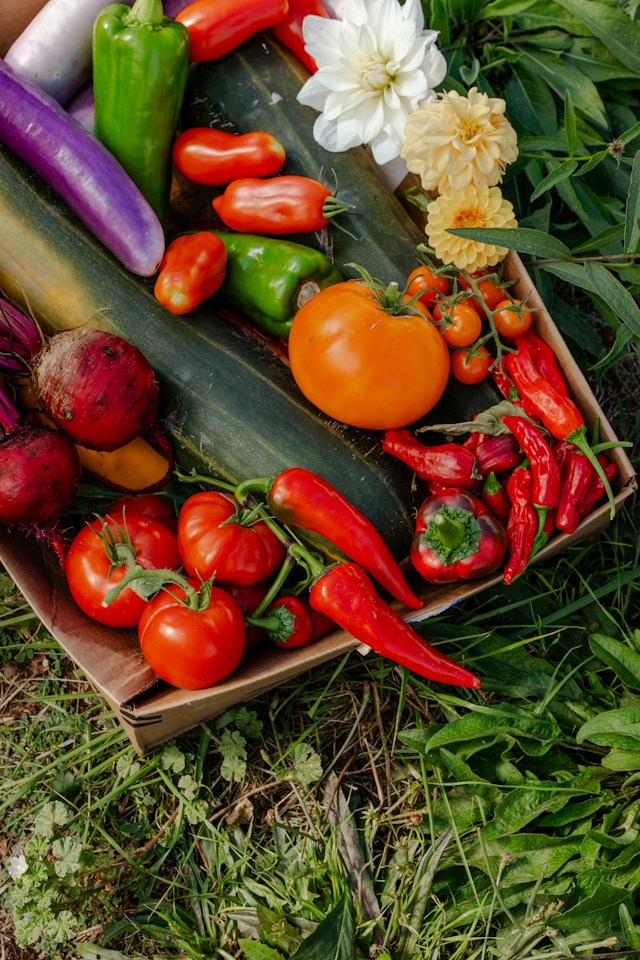
- Vegetable dishes such as stir-fried kai lan or sambal lady’s fingers
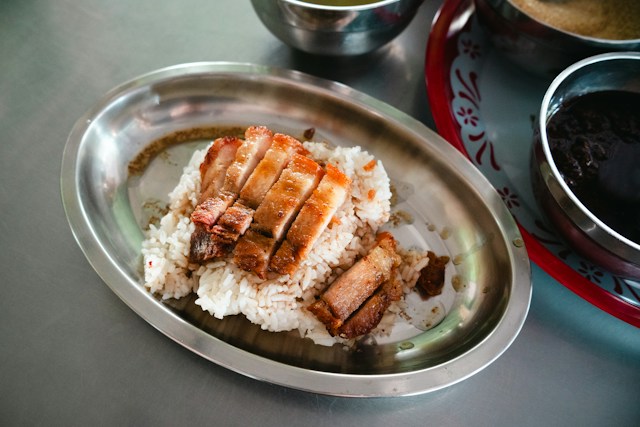
- Meat dishes including sweet and sour pork or claypot chicken
- Tofu-based dishes for vegetarians or those avoiding meat
- Noodle or rice dishes to round out the meal
Because each dish is ordered separately and shared, picky eaters, adventurous eaters, and everyone in between can find something they’ll enjoy—without anyone having to settle.
How Does Tze Char Accommodate Dietary Restrictions?
Groups today often include people with specific dietary needs: vegetarians, those avoiding pork or beef for religious reasons, people with shellfish allergies, or diners managing spice sensitivity. Tze char restaurants handle this well for a few reasons.
First, the sheer breadth of the menu means there’s almost always a dish that fits a particular restriction. A vegetarian guest can order tofu or vegetable dishes while others enjoy meat or seafood at the same table.
Second, because dishes are cooked individually rather than in a single communal pot (as with hot pot or steamboat), it’s easier to request modifications. Asking for a dish without a specific ingredient, or with less oil or spice, is generally straightforward at a tze char restaurant since each order is prepared fresh.
Choose a tze char restaurant if your group includes several dietary restrictions, since the à la carte format gives each person more control over what ends up on their plate.
What Role Does Price Flexibility Play?
Group dinners can get expensive fast, especially if everyone has different budgets. Tze char restaurants typically price dishes individually, which means a group can scale the meal up or down based on how much they want to spend.
A group on a budget might order a handful of vegetable and tofu dishes alongside one seafood item, while a group celebrating a special occasion might add a whole steamed fish or a premium crab dish. This flexibility makes tze char restaurants accessible to groups with mixed spending comfort levels, which is harder to achieve at restaurants with fixed-price set menus.
How Should a Group Order at a Tze Char Restaurant?
Ordering well at a tze char restaurant takes a little coordination, but it pays off. Here’s a simple approach:
- Start with a headcount-based dish count. A common rule of thumb is one dish per two people, plus one extra dish for the table. For a group of six, that’s roughly four dishes.
- Cover the main categories. Aim for at least one seafood dish, one vegetable dish, one meat dish, and a noodle or rice dish to round things out.
- Ask about spice levels upfront. Many dishes can be adjusted on request, so it helps to flag anyone who can’t handle heat before ordering.
- Account for dietary restrictions early. Mention any allergies or restrictions to the server before ordering, so they can recommend suitable dishes or flag ingredients to avoid.
- Leave room for a shared favorite. If the restaurant has a signature dish, consider adding it even if it doesn’t strictly fit anyone’s stated preference. Signature dishes are often crowd-pleasers.
What Should You Look for When Choosing a Tze Char Restaurant?
Not all tze char restaurants are created equal, and a few factors can make the difference between a great group meal and a mediocre one.
Menu breadth. Look for a restaurant with a genuinely wide selection across seafood, meat, vegetables, and noodles. A short menu limits the flexibility that makes tze char appealing in the first place.
Freshness of ingredients, especially seafood. Since seafood is often a highlight of tze char menus, restaurants with visible live tanks or a reputation for fresh catches tend to deliver better quality dishes.
Ability to customize. A good tze char restaurant will accommodate reasonable requests, like reducing spice, omitting an ingredient, or adjusting portion sizes.
Seating for groups. Tze char restaurants often cater to large tables, including round tables designed for sharing, which matters when dining with six, eight, or more people.
Reviews mentioning group dining. Look for feedback specifically about how well a restaurant handled larger groups or dietary requests, since this is a strong signal of how smoothly your own group meal might go.
When Is Tze Char Not the Right Choice?
Tze char restaurants are excellent for groups that want variety and flexibility, but they’re not the best fit for every situation. If your group strongly prefers a quiet, formal dining atmosphere, a tze char restaurant’s typically casual, bustling setting might not match the occasion. Choose a tze char restaurant if your priority is variety and shared, flexible ordering; choose a different format if you’re after a quiet, intimate setting or a strictly plated fine-dining experience.
Bringing It All Together
Tze char restaurants solve one of the trickiest parts of group dining: keeping everyone happy without forcing compromise. The extensive, à la carte menu means seafood lovers, vegetarians, spice enthusiasts, and cautious eaters can all order dishes suited to their own tastes, while still sharing a meal together.
The next time you’re organizing a dinner for a group with mixed preferences, consider a tze char restaurant. Build your order around a mix of categories, flag any dietary needs early, and don’t be afraid to ask for adjustments. With a bit of planning, it’s one of the easiest ways to turn a logistically tricky group dinner into a meal everyone actually enjoys.
Frequently Asked Questions
Is tze char food always spicy?
No. Tze char menus include both spicy and non-spicy dishes, and spice levels on many dishes can be adjusted on request. Diners with low spice tolerance can typically find several mild options, such as steamed fish or stir-fried vegetables.
How many dishes should a group order at a tze char restaurant?
A common guideline is one dish per two people, plus one additional dish for the table. For example, a group of eight might order around five dishes spanning seafood, meat, vegetables, and noodles.
Can vegetarians eat well at a tze char restaurant?
Yes. Most tze char menus include tofu and vegetable dishes that can be ordered separately from meat and seafood dishes, making it easy for vegetarians to eat alongside the rest of the group.
Is tze char dining expensive?
Pricing varies by dish, which gives groups control over the overall cost. Budget-conscious groups can stick to vegetable and tofu dishes, while groups wanting a more indulgent meal can add seafood or premium items.
What’s the difference between tze char and hot pot?
Hot pot involves cooking shared ingredients together in a communal pot, while tze char dishes are cooked individually in the kitchen and then brought to the table. This makes tze char easier for accommodating specific dietary restrictions, since each dish can be prepared separately.