Category: Education

  • 12 Perks Your Kid Gets from Yishun Infant Care

    12 Perks Your Kid Gets from Yishun Infant Care

    Choosing the right infant care for your little one can feel overwhelming. Between sleepless nights and endless diaper changes, parents often wonder if enrolling their baby in professional care is the right decision. The good news? Quality infant care centers in Yishun offer far more than just supervision—they provide a foundation for your child’s entire developmental journey.

    Professional infant care isn’t simply about having someone watch your baby while you work. Modern infant care centers have evolved into comprehensive early childhood development hubs, where trained caregivers use evidence-based approaches to nurture your child’s physical, emotional, and cognitive growth. This transformation means your infant receives specialized attention that supports their unique developmental needs during those crucial first years.

    The benefits extend beyond your child’s immediate well-being. When you know your infant is receiving quality care, you can focus on work without constant worry, creating a healthier work-life balance for your entire family. Meanwhile, your baby is building essential skills that will serve them throughout their educational journey and beyond.

    Let’s explore the twelve remarkable advantages your child gains from attending a quality Yishun infant care center.

    Enhanced Social Development Through Peer Interaction

    Your baby’s first social experiences shape how they’ll interact with others throughout their life. Infant care centers provide structured opportunities for babies to observe and engage with peers, even at the earliest ages.

    During group activities like circle time or sensory play, infants learn to share attention with caregivers alongside other children. This early exposure to social dynamics helps them develop patience, empathy, and communication skills that extend far beyond the classroom setting.

    Professional caregivers facilitate these interactions by modeling positive social behaviors and gently guiding infants through conflicts or sharing situations. Your child learns that relationships involve give-and-take, setting the stage for healthy friendships later in life.

    The diverse environment of infant care also exposes your baby to children from various backgrounds, fostering early appreciation for differences and similarities among people. This multicultural exposure broadens their worldview from an incredibly young age.

    Structured Learning Through Play-Based Activities

    Quality infant care centers understand that babies learn best through exploration and play. Rather than leaving playtime to chance, trained caregivers design activities that target specific developmental milestones while keeping your child engaged and entertained.

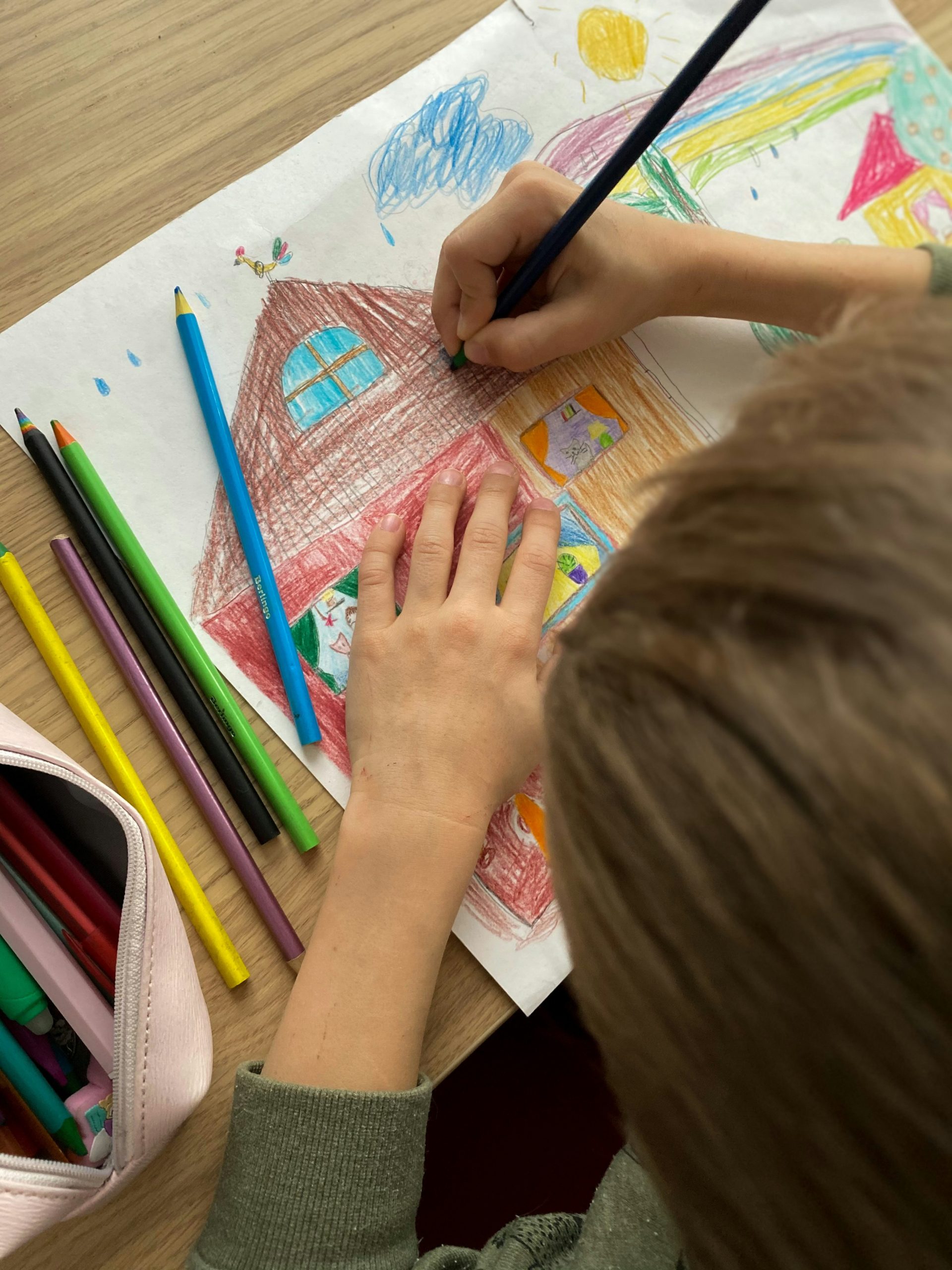
    Sensory bins filled with safe textures help develop fine motor skills and cognitive understanding of different materials. Music and movement activities enhance coordination while introducing rhythm and language patterns. Art projects using finger paints or large crayons strengthen hand muscles needed for future writing skills.

    These structured activities follow your child’s natural developmental progression, introducing new challenges as they grow ready for them. Caregivers observe each infant’s interests and abilities, adapting activities to match their individual needs and learning style.

    The consistency of these learning experiences creates a rich educational foundation that complements what you’re doing at home, giving your child multiple opportunities to practice and master new skills.

    Professional Assessment of Developmental Milestones

    Trained infant care staff possess specialized knowledge about child development that helps them identify both strengths and areas needing additional support in your baby’s growth. They observe your child daily, noting progress in areas like motor skills, language development, and social-emotional growth.

    This professional perspective offers valuable insights that might be difficult for parents to assess objectively. Caregivers can spot early signs of developmental delays or advanced abilities, allowing for timely interventions or enrichment opportunities.

    Regular communication between caregivers and parents ensures you stay informed about your child’s progress. Many centers provide detailed daily reports or weekly summaries that track milestones and celebrate achievements, creating a comprehensive picture of your baby’s development.

    When concerns arise, infant care professionals can connect families with appropriate resources, such as early intervention services or specialized therapists, ensuring your child receives support as early as possible.

    Exposure to Diverse Learning Materials and Resources

    Home environments, while loving and nurturing, may lack the variety of educational materials found in professional infant care settings. These centers invest in age-appropriate toys, books, and learning tools specifically designed to promote infant development.

    Rotating toy selections keep your baby engaged with fresh challenges and learning opportunities. Musical instruments, textured balls, stacking toys, and interactive books expose your child to experiences they might not encounter elsewhere.

    Specialized equipment like soft play structures, sensory tables, and infant-safe climbing areas provide physical challenges that build strength and coordination. These resources would be impractical or expensive for most families to maintain at home.

    The variety also means your child can explore different interests and abilities, discovering preferences and talents that might not emerge in a more limited environment.

    Consistent Daily Routines That Promote Security

    Infants thrive on predictability, and quality infant care centers establish consistent daily routines that help babies feel secure and confident. These routines include regular feeding times, nap schedules, and activity periods that align with your child’s natural rhythms.

    Predictable schedules help regulate your baby’s internal clock, often leading to better sleep patterns and eating habits that benefit the entire family. When your child knows what to expect, they experience less anxiety and can focus their energy on learning and exploration.

    The consistency between home and care center routines creates a sense of stability that supports emotional development. Your child learns that their needs will be met reliably, building trust and confidence in their caregivers and environment.

    This structure also prepares your infant for future educational settings, where routines and schedules become increasingly important for success and adaptation.

    Early Language and Communication Skill Building

    Professional caregivers understand the critical importance of language exposure during infancy. They engage in constant narration throughout the day, describing activities, naming objects, and responding to your baby’s attempts at communication.

    Reading programs introduce your infant to books and storytelling from an early age, building familiarity with language patterns and vocabulary. Songs, fingerplays, and rhymes enhance phonological awareness that supports later reading development.

    Multilingual environments common in Yishun infant care centers may expose your child to different languages, potentially supporting bilingual development and cognitive flexibility.

    The responsive communication style of trained caregivers encourages your baby to experiment with sounds, gestures, and eventually words, accelerating their communication development through positive reinforcement and modeling.

    Development of Independence and Self-Help Skills

    While your baby will always need care and supervision, infant care centers gradually encourage age-appropriate independence that builds confidence and competence. Simple tasks like holding their own bottle, reaching for toys, or participating in diaper changes become learning opportunities.

    Caregivers provide just enough support to ensure success while allowing your child to practice new skills independently. This balance builds frustration tolerance and problem-solving abilities that serve your child throughout their development.

    Self-soothing techniques learned in group settings help your baby develop emotional regulation skills. They learn to comfort themselves when caregivers are busy with other children, building resilience and independence.

    These early independence skills create a foundation for later self-help abilities like dressing, feeding, and personal hygiene, making transitions to preschool and school smoother and more successful.

    Improved Physical Development and Motor Skills

    Infant care centers provide ample opportunities for physical development through both structured and free-play activities. Tummy time sessions strengthen neck and core muscles essential for crawling and walking milestones.

    Safe climbing structures, push toys, and open floor spaces encourage movement and exploration that might be limited in smaller home environments. Your child can practice crawling, cruising, and eventually walking with plenty of space and appropriate challenges.

    Fine motor development receives attention through activities like finger feeding, manipulating toys, and simple art projects. These experiences strengthen the small muscles needed for future writing and self-care skills.

    Professional caregivers understand the progression of physical development and provide activities that challenge your child appropriately without creating frustration or safety concerns.

    Emotional Regulation and Coping Strategies

    Learning to manage emotions begins in infancy, and professional caregivers help your child develop healthy coping strategies for various situations. When your baby becomes frustrated or upset, caregivers model calming techniques and provide consistent comfort.

    Group settings naturally create situations where infants must wait for attention or share resources, providing opportunities to practice patience and emotional control with professional guidance.

    Caregivers help your child identify and express emotions through words, gestures, and appropriate behaviors, building emotional intelligence that supports all future relationships and learning experiences.

    The security of consistent, responsive caregiving helps your child develop trust and confidence, creating a stable emotional foundation for future challenges and growth.

    Enhanced Creativity and Imagination

    Infant care centers provide numerous opportunities for creative expression through art, music, and imaginative play. Even very young babies benefit from exposure to different textures, colors, and sounds that stimulate creative thinking.

    Open-ended play materials like blocks, scarves, and natural objects encourage experimentation and creative problem-solving. Your child learns that there are multiple ways to use materials and solve problems, fostering flexible thinking.

    Music and movement activities combine creativity with physical development, allowing your child to express themselves through dance, rhythm, and song. These experiences build confidence in creative expression that extends to all areas of learning.

    The supportive environment encourages your child to try new things without fear of judgment, building the confidence needed to explore and create throughout their life.

    Preparation for Future Educational Settings

    The structured environment of Yishun infant care centers helps prepare your child for the expectations and routines of future educational experiences. They become comfortable with group settings, following directions, and adapting to different caregivers and teaching styles.

    Early exposure to classroom-style activities like circle time, story reading, and group projects builds familiarity with educational formats. Your child learns to pay attention in group settings and participate appropriately in structured activities.

    The social skills developed in infant care—sharing, taking turns, and following group rules—transfer directly to preschool and elementary school success. Your child enters these environments with confidence and established social competencies.

    Academic readiness skills like listening, following instructions, and engaging with learning materials receive daily practice in quality infant care programs, giving your child advantages in future educational settings.

    Access to Professional Early Childhood Expertise

    Perhaps one of the most valuable benefits of infant care is access to trained professionals who understand child development and can provide expert guidance to families. These caregivers bring education, experience, and ongoing training to their work with your child.

    When questions arise about development, behavior, or milestones, you have knowledgeable professionals who observe your child daily and can provide informed perspectives and suggestions.

    Many infant care centers offer parent education opportunities, helping you understand child development and learn strategies to support your baby’s growth at home. This partnership approach maximizes your child’s developmental potential.

    Professional caregivers also maintain connections with community resources like pediatric therapists, developmental specialists, and educational consultants, ensuring your family has access to additional support when needed.

    Setting the Foundation for Lifelong Success

    The benefits your child receives from quality infant care extend far beyond the immediate care period. The social skills, emotional regulation, communication abilities, and learning habits developed during infancy create a strong foundation for all future growth and achievement.

    Research consistently shows that high-quality early childhood experiences have lasting positive effects on academic achievement, social relationships, and even career success. The investment you make in infant care pays dividends throughout your child’s entire life.

    The confidence, curiosity, and competence your child develops through professional infant care become internal resources they carry into every new situation and challenge. These early experiences shape their approach to learning, relationships, and problem-solving for years to come.

    By choosing quality infant care in Yishun, you’re not just meeting your immediate childcare needs—you’re investing in your child’s future success and happiness. The comprehensive benefits provide value that extends far beyond the monthly fees, creating returns that last a lifetime.

  • Ang Mo Kio Infant Care: Raising Your Kid to Be A Genius

    Ang Mo Kio Infant Care: Raising Your Kid to Be A Genius

    Every parent dreams of nurturing a brilliant child. While there’s no magic formula for creating the next Einstein, research consistently shows that the early years—particularly the first three—are crucial for cognitive development. For families in Ang Mo Kio, choosing the right infant care center can be the foundation for unlocking your child’s intellectual potential.

    The human brain develops at an extraordinary pace during infancy. By age three, a child’s brain has formed roughly 80% of its adult size and created over a trillion neural connections. This rapid growth period represents a unique window of opportunity that quality infant care programs are specifically designed to maximize.

    Understanding how to select and work with an exceptional infant care center in Ang Mo Kio can set your child on a path toward academic excellence, creative thinking, and lifelong learning success. The decisions you make now about early childhood education will influence your child’s cognitive abilities for years to come.

    The Science Behind Early Childhood Brain Development

    Neuroscientists have discovered that infant brains are remarkably plastic, meaning they can adapt and reorganize based on experiences and stimulation. During the first 1,000 days of life, neural pathways form at a rate of 700 to 1,000 new connections per second.

    High-quality infant care programs understand this critical period and structure activities to promote optimal brain development. Through carefully planned sensory experiences, social interactions, and age-appropriate challenges, skilled caregivers can help strengthen the neural networks that support future learning.

    Research from Harvard University’s Center on the Developing Child demonstrates that responsive relationships and rich learning experiences during infancy create a strong foundation for all future learning, behavior, and health outcomes. Children who receive high-quality early care show improved language development, better problem-solving skills, and enhanced emotional regulation.

    Key Features of Excellence in Ang Mo Kio Infant Care

    Qualified and Passionate Educators

    The most important factor in any infant care program is the quality of the caregivers. Look for centers in Ang Mo Kio that employ educators with relevant early childhood qualifications and ongoing professional development. These professionals should understand child development milestones and know how to create stimulating environments that encourage exploration and discovery.

    Exceptional infant care teachers observe each child closely, recognizing individual interests and developmental patterns. They adapt activities to match each infant’s emerging abilities while gently encouraging new skills. The best educators view every interaction as a learning opportunity, from diaper changes to feeding times.

    Structured Learning Through Play

    Play is the primary way infants learn about their world. Quality Ang Mo Kio infant care centers design play experiences that target specific developmental goals while remaining enjoyable and engaging for young children.

    These programs incorporate sensory play activities that stimulate neural development, such as exploring different textures, colors, and sounds. Music and movement activities support both cognitive and physical development, while simple cause-and-effect toys help infants understand basic principles of logic and reasoning.

    The key is providing just the right amount of challenge—activities that stretch an infant’s current abilities without causing frustration. This approach, known as the “zone of proximal development,” helps children build confidence while continuously expanding their capabilities.

    Language-Rich Environment

    Language exposure during infancy significantly impacts future intellectual development. Children who hear more words in their first years develop larger vocabularies and stronger reading skills later in life.

    Outstanding infant care programs in Ang Mo Kio prioritize verbal interaction throughout the day. Caregivers narrate daily activities, read books aloud, sing songs, and engage in back-and-forth “conversations” with infants who are just beginning to vocalize. This constant language input helps build the neural pathways necessary for communication and literacy.

    Bilingual programs offer additional cognitive benefits, as learning multiple languages enhances executive function skills like attention, problem-solving, and mental flexibility. For families in Singapore’s multicultural environment, this can be particularly valuable.

    Individualized Attention and Care Plans

    Every child develops at their own pace and has unique learning preferences. Exceptional infant care centers recognize this individuality and create personalized approaches for each child.

    Quality programs conduct regular developmental assessments and maintain detailed records of each infant’s progress. They communicate frequently with parents about milestones, emerging skills, and areas where additional support might be beneficial. This collaborative approach ensures consistency between home and care environments.

    Small group sizes and low caregiver-to-infant ratios are essential for providing this individualized attention. Look for programs that maintain appropriate staffing levels and give each child the focused interaction they need to thrive.

    Choosing the Right Ang Mo Kio Infant Care Center

    Visit and Observe

    Schedule visits to potential infant care centers during operating hours when you can observe daily routines in action. Pay attention to how caregivers interact with the children—are they warm, responsive, and engaged? Do they get down to the infants’ eye level and speak to them directly?

    Notice the overall atmosphere of the center. Does it feel calm and nurturing, or chaotic and overwhelming? Are infants content and actively engaged, or do they seem bored or distressed?

    Ask About Philosophy and Curriculum

    Inquire about the center’s educational philosophy and approach to infant development. Quality programs should be able to articulate their methods clearly and explain how daily activities support learning goals.

    Ask specific questions about how they handle different aspects of care, such as feeding schedules, sleep routines, and developmental activities. Their responses will give you insight into whether their approach aligns with your family’s values and expectations.

    Check Credentials and References

    Verify that the center is properly licensed and that all staff members have appropriate qualifications and background checks. Don’t hesitate to ask for references from other families who have used their services.

    Research the center’s reputation within the Ang Mo Kio community. Online reviews can provide valuable insights, but personal recommendations from trusted friends or neighbors are often the most reliable source of information.

    Evaluate Safety and Cleanliness Standards

    Safety should be a top priority in any infant care setting. Look for centers that maintain clean, well-organized spaces with age-appropriate safety measures. Check that toys and equipment are regularly sanitized and in good condition.

    Ask about their policies for illness prevention, emergency procedures, and staff training in infant CPR and first aid. A professional operation will have comprehensive protocols in place and be happy to share them with prospective families.

    Supporting Your Child’s Development at Home

    While quality infant care provides an excellent foundation, parents play the most crucial role in nurturing their child’s intellectual development. The most effective approach combines professional early childhood education with rich home experiences.

    Creating a Stimulating Home Environment

    Transform your living space into a learning laboratory by providing age-appropriate books, toys, and materials that encourage exploration. Rotate toys regularly to maintain novelty and interest. Create safe spaces where your infant can move freely and investigate their surroundings.

    Establish consistent routines that provide security while incorporating learning opportunities throughout the day. Narrate daily activities, point out interesting sights during walks, and encourage your child’s natural curiosity about the world around them.

    Reading and Communication

    Make reading a daily habit from the earliest weeks of your child’s life. Even newborns benefit from hearing the rhythm and melody of language through story time. As your child grows, encourage interaction with books by pointing to pictures, making sound effects, and asking simple questions.

    Respond to your infant’s attempts at communication, whether through crying, cooing, or gesture. This back-and-forth interaction teaches important lessons about conversation and social connection while building language skills.

    Limiting Screen Time

    While educational technology has its place, real-world experiences are far more valuable for infant brain development. The American Academy of Pediatrics recommends avoiding screens entirely for children under 18 months, except for video chatting with family members.

    Instead of relying on electronic entertainment, engage your child through hands-on activities, outdoor exploration, and human interaction. These experiences provide the multisensory input that developing brains need most.

    Building Strong Partnerships with Caregivers

    The relationship between parents and infant care providers should be collaborative and communicative. Share information about your child’s preferences, routines, and developmental progress. This partnership ensures consistency across environments and maximizes learning opportunities.

    Regular communication helps identify emerging skills and interests that can be reinforced both at home and in the care setting. When parents and caregivers work together effectively, children benefit from a seamless support system that nurtures their intellectual growth.

    Measuring Progress and Celebrating Growth

    Intellectual development in infancy occurs gradually and sometimes in unexpected ways. Rather than focusing solely on traditional milestones, celebrate small victories and progress in all areas of development.

    Keep a record of your child’s emerging skills, favorite activities, and personality traits. This documentation helps you recognize patterns and preferences that can guide future learning experiences. Share these observations with your infant care providers to help them tailor their approach to your child’s unique needs.

    Remember that every child develops at their own pace. Some infants may excel in language development while others show strength in motor skills or social interaction. Trust the process and focus on providing consistent, loving support for your child’s individual journey.

    The Long-term Investment in Excellence

    Choosing exceptional infant care in Ang Mo Kio represents a significant investment in your child’s future success. The cognitive, social, and emotional foundations established during these early years will influence your child’s academic achievement, career prospects, and overall life satisfaction.

    Research consistently demonstrates that high-quality early childhood education generates substantial returns on investment, both for individual families and society as a whole. Children who receive excellent early care are more likely to graduate from high school, attend college, and earn higher incomes throughout their lives.

    Beyond measurable outcomes, quality infant care helps children develop the curiosity, creativity, and love of learning that truly define intellectual giftedness. These qualities will serve them well regardless of their chosen path in life.

    The foundation you build through thoughtful selection of infant care, combined with rich home experiences and strong parent-child relationships, gives your child the best possible start toward reaching their full intellectual potential. While you cannot guarantee that your child will become a genius, you can provide the nurturing environment where exceptional abilities can flourish.

  • How to Maximize The ROI of Your Product Explainer Video

    How to Maximize The ROI of Your Product Explainer Video

    Product explainer videos have become a cornerstone of modern marketing strategies, and for good reason. Studies show that including a video on your landing page can increase conversion rates by up to 80%. But creating a video is just the first step—maximizing its return on investment requires strategic planning, thoughtful execution, and ongoing optimization.

    Whether you’ve already invested in an explainer video or you’re considering creating one, understanding how to extract maximum value from this marketing asset can transform your business results. From pre-production planning to post-launch optimization, every decision you make impacts your video’s performance and, ultimately, your bottom line.

    This guide will walk you through proven strategies to ensure your product explainer video delivers measurable results that justify and exceed your investment.

    Define Clear Goals Before You Start

    The foundation of a high-ROI explainer video from DMP lies in establishing specific, measurable objectives from the outset. Without clear goals, you’ll struggle to make strategic decisions during production and won’t be able to accurately measure success afterward.

    Start by identifying what you want your video to accomplish. Are you looking to increase product awareness, drive website traffic, boost conversion rates, or reduce customer support inquiries? Each goal requires different messaging, calls-to-action, and distribution strategies.

    For example, if your primary goal is lead generation, your video should focus on highlighting pain points your product solves, with a strong call-to-action directing viewers to a landing page or free trial. If you’re aiming to reduce support tickets, your video might emphasize ease of use and key features that address common customer questions.

    Establish key performance indicators (KPIs) that align with your goals. These might include view count, engagement rate, click-through rate, conversion rate, or cost per acquisition. Having these metrics defined upfront ensures you can track progress and make data-driven optimizations later.

    Understand Your Audience Inside and Out

    Creating a video that resonates with your target audience is crucial for maximizing ROI. The more precisely you understand your viewers’ needs, preferences, and behaviors, the more effectively your video will drive desired actions.

    Conduct thorough audience research before scripting begins. Analyze your existing customer data to identify common demographics, pain points, and motivations. Survey current customers about their challenges and what initially attracted them to your product. This information will inform your video’s messaging and tone.

    Consider where your audience is in the buyer’s journey. Prospects in the awareness stage need different information than those ready to make a purchase decision. A video targeting early-stage prospects might focus on problem identification and education, while one aimed at decision-ready buyers should emphasize specific benefits and social proof.

    Don’t forget about the technical aspects of audience understanding. Research which devices your audience primarily uses to consume video content, their preferred video lengths, and the platforms where they’re most active. This data will guide production decisions and distribution strategies.

    Optimize Your Video for Multiple Platforms

    Creating different versions of your explainer video for various platforms and use cases dramatically increases its ROI potential. A single video can be repurposed into multiple assets, each optimized for specific contexts and audience behaviors.

    Start with a comprehensive master version that covers all key points about your product. From this foundation, create shorter versions for social media platforms, each tailored to specific requirements and user expectations. A 60-second version works well for Instagram and Facebook, while a 15-second teaser can drive traffic on Twitter or as a pre-roll ad.

    Consider creating platform-specific variations that account for viewing behaviors. Videos for LinkedIn should maintain a more professional tone, while TikTok versions can be more casual and trend-focused. YouTube videos can be longer and more detailed, taking advantage of the platform’s search functionality.

    Don’t overlook the importance of technical optimization. Ensure your videos are formatted correctly for each platform, with appropriate aspect ratios, file sizes, and thumbnail images. Include captions for accessibility and silent viewing, which is particularly important for social media platforms where many users watch without sound.

    Focus on Strong Storytelling and Clear Messaging

    High-performing explainer videos tell compelling stories that connect emotionally with viewers while clearly communicating value propositions. The most successful videos balance entertainment with information, keeping viewers engaged while driving them toward action.

    Structure your video using a proven framework like problem-solution-outcome. Begin by presenting a relatable problem your audience faces, introduce your product as the solution, and demonstrate the positive outcomes customers can expect. This narrative structure helps viewers see themselves using your product successfully.

    Keep your messaging concise and focused. Viewers have short attention spans, particularly online, so every second counts. Eliminate unnecessary jargon, focus on benefits rather than features, and ensure your main value proposition is communicated within the first 30 seconds.

    Include specific, credible details that build trust and differentiate your product. Instead of claiming your software is “easy to use,” show exactly how simple the interface is or mention specific time savings customers experience. Concrete details make your claims more believable and memorable.

    Implement Strategic Distribution and Promotion

    Even the most well-crafted explainer video won’t maximize ROI without a comprehensive distribution strategy. Smart promotion amplifies your video’s reach and ensures it reaches the right audiences at the right times.

    Start with owned media channels where you have complete control. Feature your video prominently on your website’s homepage, product pages, and landing pages. Include it in email campaigns, particularly welcome sequences for new subscribers and follow-up messages for prospects who’ve shown interest but haven’t converted.

    Leverage organic social media by sharing your video across all relevant platforms. Create a posting schedule that maximizes visibility without overwhelming your audience. Encourage employees and partners to share the video within their networks, expanding your organic reach.

    Consider paid promotion to accelerate results. Social media advertising allows precise targeting based on demographics, interests, and behaviors. YouTube ads can reach users actively searching for solutions like yours. Retargeting campaigns can re-engage visitors who watched your video but didn’t take action.

    Don’t forget about email signatures, trade shows, sales presentations, and other touchpoints where your video can provide value. The more strategically you distribute your content, the higher your ROI will climb.

    Track Performance and Optimize Continuously

    Maximizing explainer video ROI requires ongoing measurement and optimization. The initial launch is just the beginning—continuous improvement based on performance data drives long-term success.

    Implement comprehensive tracking across all platforms where your video appears. Use analytics tools to monitor view counts, engagement rates, drop-off points, and conversion metrics. Pay particular attention to where viewers stop watching, as this indicates potential issues with pacing, messaging, or visual elements.

    A/B test different versions to identify what resonates best with your audience. Test various thumbnails, titles, calls-to-action, and even different video lengths. Small changes can significantly impact performance, and systematic testing helps you optimize for maximum results.

    Monitor comments and feedback for qualitative insights that quantitative data might miss. Customer questions or concerns mentioned in video comments can inform future content or product improvements. Positive feedback can be leveraged as testimonials for future marketing efforts.

    Measure True ROI Beyond Views and Clicks

    While vanity metrics like view counts and likes provide some indication of video performance, true ROI measurement requires connecting your video to business outcomes. Focus on metrics that directly impact your bottom line.

    Calculate cost per acquisition by tracking how many viewers convert into customers and dividing your total video investment by the number of conversions. This provides a clear picture of your video’s efficiency compared to other marketing channels.

    Measure the impact on your sales cycle. Many explainer videos help prospects understand products more quickly, potentially shortening the time from initial interest to purchase. A reduced sales cycle means lower acquisition costs and faster revenue realization.

    Consider indirect benefits that contribute to ROI but are harder to quantify immediately. Explainer videos often reduce customer support inquiries by answering common questions upfront. They can also improve customer satisfaction by setting appropriate expectations, leading to higher retention rates and lifetime value.

    Transform Your Video Investment Into Lasting Returns

    Maximizing the ROI of your product explainer video isn’t a one-time effort—it’s an ongoing process that requires strategic thinking, careful execution, and continuous optimization. By focusing on clear goals, understanding your audience, optimizing for multiple platforms, and measuring true business impact, you can ensure your video investment pays dividends long after production wraps.

    Remember that the most successful explainer videos serve multiple purposes throughout their lifespan. They generate leads, educate prospects, support sales conversations, reduce support costs, and build brand awareness simultaneously. This multiplier effect is what transforms a simple video into a high-ROI marketing asset.

    Start implementing these strategies with your current video content, and apply these principles to future video projects. With consistent effort and data-driven optimization, your explainer videos will become powerful drivers of business growth and profitability.

  • How Preschool Shapes Your Kid’s Social Skills

    How Preschool Shapes Your Kid’s Social Skills

    The early years of a child’s life are crucial for development, and preschool plays a pivotal role in shaping social skills that will benefit them throughout their lives. During these formative years, children learn essential interpersonal abilities that form the foundation for future relationships, academic success, and emotional well-being. Understanding how preschool influences social development can help parents make informed decisions about their child’s early education and support their growth at home.

    Social skills development in preschool encompasses far more than simply learning to share toys or say “please” and “thank you.” These early educational experiences provide structured environments where children navigate complex social situations, develop empathy, and learn communication strategies that will serve them well into adulthood. The skills acquired during preschool years often predict future success in school, work, and personal relationships.

    The Foundation of Social Learning

    Preschool environments create unique opportunities for social skill development that cannot be replicated in home settings alone. Children encounter peers from diverse backgrounds, learn to function within group dynamics, and practice social interactions under the guidance of trained educators. These experiences help children develop crucial abilities like cooperation, conflict resolution, and emotional regulation.

    The structured nature of preschool provides consistent opportunities for social learning. Daily routines, group activities, and classroom expectations create predictable frameworks within which children can practice and refine their social skills. This consistency helps children understand social norms and develop confidence in their ability to navigate social situations.

    Teachers in quality preschool programs are trained to recognize and support social skill development. They create intentional learning opportunities, model appropriate social behaviors, and provide guidance when conflicts arise. This professional support helps children develop more sophisticated social skills than they might acquire through informal play alone.

    Key Social Skills Developed in Preschool

    Communication and Language Skills

    Preschool environments immerse children in rich language experiences that extend far beyond basic vocabulary development. Children learn to express their needs, share ideas, and engage in meaningful conversations with peers and adults. These communication skills form the foundation for all future social interactions.

    The diverse social contexts in preschool require children to adapt their communication styles to different situations. They learn to use different tones and approaches when talking to teachers versus peers, and they develop understanding of nonverbal communication cues like facial expressions and body language.

    Group discussions, storytelling, and collaborative activities help children practice articulating their thoughts and listening to others. These skills become essential for academic success and workplace collaboration later in life.

    Emotional Regulation and Empathy

    Learning to manage emotions in social settings is a critical skill that preschool environments help children develop. When conflicts arise or disappointments occur, children learn strategies for coping with difficult emotions while maintaining relationships with peers.

    Preschool teachers help children identify and name their emotions, which is the first step toward emotional regulation. Children learn that feeling angry, sad, or frustrated is normal, but they also learn appropriate ways to express these emotions without harming others or damaging relationships.

    Empathy development accelerates in preschool settings as children observe and respond to their peers’ emotions. They learn to recognize when others are upset and develop strategies for offering comfort or support. This empathy foundation becomes crucial for developing meaningful relationships throughout life.

    Cooperation and Teamwork

    Preschool activities frequently require children to work together toward common goals, teaching valuable cooperation skills. Whether building with blocks, preparing snacks, or participating in group games, children learn that collaborative efforts often produce better results than individual work.

    Sharing resources and taking turns are fundamental cooperation skills that children practice daily in preschool. These seemingly simple activities teach children to consider others’ needs and find fair solutions to resource limitations.

    Group projects and collaborative learning experiences help children understand different perspectives and appreciate diverse contributions. They learn that everyone has unique strengths and that successful teamwork requires recognizing and utilizing these individual talents.

    Conflict Resolution

    Preschool environments like Sunny Days Preschool provide natural opportunities for children to practice conflict resolution skills. When disagreements arise over toys, game rules, or group activities, children learn to negotiate, compromise, and find mutually acceptable solutions.

    Teachers guide children through conflict resolution processes, helping them understand different perspectives and develop problem-solving strategies. Children learn to use words instead of physical actions to resolve disputes and understand that conflicts can be resolved without ending relationships.

    These early experiences with conflict resolution prepare children for more complex social challenges they will face as they grow older. The skills learned in preschool conflict situations transfer to academic group work, family relationships, and eventually workplace collaboration.

    The Role of Play in Social Development

    Play serves as the primary vehicle for social skill development in preschool settings. Through various types of play, children practice social roles, negotiate rules, and develop understanding of social expectations in low-pressure environments.

    Pretend Play and Social Understanding

    Dramatic play activities allow children to explore different social roles and situations in safe, controlled environments. When children engage in pretend play, they practice perspective-taking, develop empathy, and learn about social relationships and expectations.

    Role-playing activities help children understand different viewpoints and develop flexibility in their thinking. They learn that people have different thoughts, feelings, and motivations, which is essential for developing mature social relationships.

    Collaborative pretend play requires children to negotiate roles, agree on storylines, and maintain shared fantasies. These activities develop advanced communication skills and teach children to balance their own desires with group needs.

    Structured Games and Rule-Following

    Organized games teach children to follow rules, take turns, and accept outcomes gracefully. These activities help children understand that social interactions operate within frameworks of agreed-upon expectations and consequences.

    Board games, outdoor games, and group activities provide opportunities for children to practice patience, strategic thinking, and gracious winning or losing. These skills transfer directly to academic and social situations throughout their lives.

    The social aspects of game-playing help children develop resilience and learn to manage disappointment when outcomes don’t match their hopes. They learn that relationships can survive competitive situations and that playing fairly is more important than winning.

    Peer Interactions and Social Learning

    The peer group in preschool provides unique learning opportunities that adult-child interactions cannot replicate. Children learn from each other through observation, imitation, and direct interaction, developing social skills that will serve them throughout their lives.

    Learning from Diverse Perspectives

    Preschool classrooms typically include children from various backgrounds, exposing students to different cultures, family structures, and ways of thinking. This diversity helps children develop appreciation for differences and learn to interact respectfully with people unlike themselves.

    Exposure to peers with different abilities, interests, and communication styles helps children develop flexibility and adaptability in their social approaches. They learn that effective communication requires adjusting their style to match their audience.

    These early experiences with diversity lay the foundation for inclusive attitudes and behaviors that benefit children throughout their educational and professional careers.

    Friendship Formation

    Preschool provides children’s first opportunities to form genuine friendships based on shared interests rather than family connections or convenience. These early friendships teach children about loyalty, trust, and reciprocity in relationships.

    Children learn to navigate the complexities of friendship, including managing jealousy, sharing friends, and maintaining relationships through disagreements. These experiences help children develop realistic expectations for relationships and learn that friendships require effort and compromise.

    The friendship skills developed in preschool transfer to future academic and social situations, helping children build support networks and develop meaningful connections throughout their lives.

    Long-term Benefits of Early Social Skill Development

    Research consistently demonstrates that children who develop strong social skills in preschool experience benefits that extend far beyond their early years. These skills contribute to academic success, mental health, and career achievement throughout their lives.

    Academic Success

    Children with well-developed social skills tend to perform better academically because they can work effectively in groups, communicate with teachers, and manage the social aspects of classroom environments. They are more likely to seek help when needed and collaborate effectively on academic projects.

    The emotional regulation skills learned in preschool help children manage academic stress and maintain focus during challenging learning situations. They are better equipped to handle criticism, learn from mistakes, and persist through difficulties.

    Social skills also contribute to positive relationships with teachers, which can significantly impact academic outcomes. Children who can communicate effectively and follow social expectations are more likely to receive support and encouragement from educators.

    Mental Health and Well-being

    Strong social skills contribute to better mental health outcomes by helping children build supportive relationships and cope with stress. Children who can communicate their needs and emotions effectively are less likely to experience anxiety, depression, and behavioral problems.

    The problem-solving skills developed through social interactions help children approach challenges with confidence and resilience. They learn that difficulties can be overcome through communication, collaboration, and persistence.

    Social connections formed in early childhood often provide ongoing support and contribute to overall life satisfaction. Children who learn to form meaningful relationships early are more likely to maintain strong social networks throughout their lives.

    Career and Life Success

    Many of the social skills developed in preschool directly translate to workplace success. Communication, teamwork, conflict resolution, and empathy are highly valued in professional environments and contribute to career advancement.

    Leadership skills often emerge from early social experiences, as children learn to motivate others, delegate responsibilities, and inspire collaboration. These abilities become valuable assets in professional and personal contexts.

    The confidence that comes from successful social interactions helps children approach new situations with optimism and resilience. They are more likely to take on challenges, seek new opportunities, and recover from setbacks.

    Supporting Social Development at Home

    Parents can reinforce and extend the social learning that occurs in preschool through intentional activities and interactions at home. Creating opportunities for social skill practice helps children generalize their learning to different contexts.

    Creating Social Opportunities

    Arranging playdates, participating in community activities, and engaging in family games provide additional opportunities for children to practice social skills. These experiences help children apply what they learn in preschool to different settings and relationships.

    Involving children in household responsibilities that require cooperation teaches them about contributing to a community and considering others’ needs. These experiences help children understand their role in maintaining relationships and contributing to group success.

    Regular family discussions about social situations help children process their experiences and develop strategies for handling challenging interactions. Parents can provide guidance and support while allowing children to develop their own problem-solving approaches.

    Modeling Social Behavior

    Children learn significant amounts through observation, making parental modeling of social skills crucial for development. When parents demonstrate empathy, effective communication, and conflict resolution, children internalize these behaviors.

    Discussing social situations and explaining the reasoning behind social choices helps children understand the thinking processes involved in successful social interactions. This explicit instruction helps children develop more sophisticated social understanding.

    Acknowledging and celebrating children’s social successes reinforces positive behaviors and encourages continued growth. Recognition of effort and improvement motivates children to continue developing their social skills.

    Nurturing Lifelong Social Success

    The social skills developed in preschool create foundations that support children throughout their lives. These early experiences teach children that relationships require effort, that conflicts can be resolved, and that collaboration produces better outcomes than individual efforts alone.

    Quality preschool programs provide structured environments where children can practice social skills with peer support and professional guidance. The combination of diverse social opportunities, skilled instruction, and consistent practice creates optimal conditions for social skill development.

    Parents who understand the importance of early social skill development can make informed decisions about preschool programs and provide supportive home environments that reinforce classroom learning. The investment in early social skill development pays dividends throughout children’s lives, contributing to academic success, mental health, and career achievement.

    Additionally, fostering social skills at a young age helps children build empathy and emotional intelligence. These abilities enable them to understand and respond appropriately to the feelings of others, forming the foundation for strong and lasting relationships. Through activities like collaborative play, group projects, and role-playing, children learn to communicate effectively, resolve conflicts, and work as part of a team. The skills acquired during this critical developmental phase equip children not only to succeed in their immediate environments but also to thrive in diverse social and professional settings as they grow.

    Furthermore, fostering empathy and social awareness in children helps them develop a sense of community and responsibility. When children are encouraged to understand different perspectives and show compassion, they become more equipped to contribute positively to society. These qualities also nurture tolerance and inclusivity, enabling children to build meaningful connections with people from diverse backgrounds. Such experiences lay the groundwork for a more harmonious and cooperative future, benefiting not only individual relationships but also the broader fabric of society.

    By fostering empathy and understanding at a young age, children are more likely to develop strong conflict-resolution skills. These abilities empower them to address disagreements constructively, valuing dialogue and compromise over argument or division. Furthermore, encouraging open communication helps children articulate their feelings while respecting others’ perspectives, creating a foundation for healthier relationships in every aspect of their lives. Over time, these skills contribute to building resilient, compassionate individuals who can effectively engage in teamwork and collaboration, essential qualities in an increasingly interconnected world.

  • How to Choose Your Kids’ Preschool

    How to Choose Your Kids’ Preschool

    Choosing the right preschool for your child is one of the first big decisions you’ll make as a parent. It’s not only about ensuring the best start to their educational journey but also about finding a place where they will feel safe, nurtured, and happy. The challenge? There are so many factors to consider, from teaching methods to location to the curriculum. If you’re feeling overwhelmed, you’re not alone. This blog will break down the process into manageable steps, helping you make an informed and confident decision.

    Why Choosing the Right Preschool Matters

    Preschool is often your child’s first introduction to structured learning outside of the home. It’s where they develop essential social, emotional, and cognitive skills that set the foundation for their future academic success. The right preschool can give your child the tools not just to learn but to love learning. At the same time, it provides a supportive community for parents as they transition into this new stage of their child’s life.

    But not all preschools are created equal. Here’s how you can find the one that’s just right for your family.

    Step One Determine Your Childs Needs

    Every child is unique, and your choice of preschool should reflect their individual needs and personality. Before you begin your search, ask yourself:

    • What is my child’s temperament? Are they outgoing and social, or do they prefer quieter environments?
    • Do they have any special learning or developmental needs? If so, look for programs that offer tailored support.
    • Do I have educational priorities? For example, do I value play-based learning, Montessori methods, or a more structured academic approach?

    Take time to observe how your child interacts with the world. Knowing their personality and preferences will help you narrow down the best options.

    Step Two Understand the Different Types of Preschools

    Preschools often follow different educational philosophies. Knowing the differences between these approaches will make it easier to decide which one aligns with your values. Here are some common types of preschools:

    1. Montessori

    Montessori schools focus on independent learning through hands-on activities. Children are encouraged to explore materials and learn at their own pace.

    1. Waldorf

    Waldorf programs emphasize creativity and imagination, often incorporating art, storytelling, and music into their curricula.

    1. Reggio Emilia

    This child-centered approach views children as capable learners, with an emphasis on collaborative projects and exploring their environment.

    1. Academic-Focused

    These schools prepare children for a more traditional classroom experience with a focus on letters, numbers, and early reading.

    1. Play-Based

    Play-based programs prioritize free play as a way for children to learn and develop critical social skills.

    Spend time researching each method and think about what resonates with your parenting philosophy.

    Step Three Consider Location and Practicalities

    While philosophy and curriculum are important, practical concerns like location and scheduling also play a big role.

    • Proximity to Home or Work

    A preschool close to home or your workplace can save time and reduce stress during morning drop-offs.

    • Hours of Operation

    Does the preschool offer half-day or full-day programs? Do they have extended hours that align with your schedule?

    • Availability of Transportation

    Does the preschool provide transportation options, or will you need to handle drop-offs and pick-ups yourself?

    Sometimes, logistical considerations can be a deal-breaker, so it’s best to determine these details early in your search.

    Step Four Visit Several Preschools

    Once you have a list of potential preschools, it’s time to visit them in person. Here’s what to look for during your tour:

    • Environment

    Is the space clean, safe, and inviting like at Sunny Days Preschool? Look for outdoor play areas, age-appropriate learning materials, and ample natural light.

    • Teacher-to-Student Ratio

    A lower ratio means more personalized attention for your child. Experts recommend a ratio of 1 teacher for every 8-10 children.

    • Teacher Qualifications

    Are the teachers certified in early childhood education? Do they seem engaged and passionate when interacting with the children?

    • Classroom Atmosphere

    Observe how children interact with one another. Are they engaged? Do they seem happy and cooperative?

    Feel free to ask questions. For instance, inquire about their teaching methods, how they handle discipline, and whether or not they provide meals or snacks.

    Step Five Think About Cost and Values Alignment

    Preschools vary widely in terms of cost, so ensure that any program fits within your budget. Beyond finances, it’s essential that the preschool’s values align with yours. Some factors to consider:

    • Community and Diversity

    Does the preschool promote inclusivity and celebrate diversity?

    • Parental Involvement

    Is there an opportunity for parents to be involved, such as through events or volunteering?

    • Discipline Policies

    Do their approaches to discipline align with the practices you use at home?

    While these factors may seem small, they play a significant role in shaping your child’s first school experience.

    Step Six Trust Your Instincts

    At the end of the day, the choice of preschool often comes down to a gut feeling. Ask yourself:

    • Did I feel welcomed during the visit?
    • Do the teachers and staff seem genuinely interested in the well-being of the children?
    • Can I picture my child thriving in this environment?

    Your instincts, combined with the research you’ve done, are often the best guide for making the final decision.

    Supporting Your Childs Transition to Preschool

    Once you’ve chosen the right preschool, the next step is preparing your child for this new chapter.

    • Visit the School Together

    Bring your child along to visit the school before their official start date. Familiarity can ease anxiety.

    • Establish a Routine

    Create a consistent morning routine leading up to their first day to help prepare them for the new schedule.

    • Talk About Expectations

    Explain what preschool will be like in an age-appropriate way. Reassure them that it’s going to be fun and that you will be there to hear all about it after pick-up.

    Creating a Positive Preschool Journey

    Choosing a preschool is a significant milestone for both you and your child, but it doesn’t have to be overwhelming. By considering your child’s needs, researching different programs, and trusting your instincts, you can find the ideal environment to set the stage for their lifelong learning.

    Remember, you’re not just selecting a school. You’re giving your child their first step toward independence, curiosity, and a budding love for education.

    If you’re ready to begin your search, download our free Preschool Finder Worksheet to help you compare your options side by side! We want to help you find the best fit for your child, and we’re confident that with the right resources and mindset, you’ll be able to make a decision that will benefit them for years to come.

    Tips for Choosing the Right Preschool

    Choosing a preschool can be a daunting task, but it doesn’t have to be. It’s important to remember that this decision is not just about finding a school, but also about setting your child on a path towards independence and lifelong learning. Here are some tips to help you make the best choice for your child:

    1. Consider Your Child’s Needs: Every child is unique and has different needs when it comes to education. Before starting your search for a preschool, take some time to think about what your child needs and what you want them to gain from their early learning experience. Do they have any particular interests or areas of development that you want the preschool to focus on? This will help you narrow down your options and find the best fit for your child.
    2. Look for Play-Based Learning: Children learn best through play, so it’s important to choose a preschool that offers plenty of opportunities for hands-on exploration and discovery. Look for schools that have well-equipped classrooms with age-appropriate toys, art supplies, and blocks. Also, ask about their curriculum and make sure it includes plenty of creative activities, such as music, movement, and sensory play.
    3. Consider the Teacher-Child Ratio: The teacher-child ratio is an important factor to consider when choosing a preschool. It determines how much individual attention your child will receive and how well their needs will be met. A lower teacher-child ratio means more one-on-one interaction and personalized learning opportunities for your child.
    4. Visit the School: Before making a decision, it’s crucial to visit the schools you are interested in. This will give you a chance to observe the classroom environment, meet the teachers, and talk to other parents. Pay attention to how happy and engaged the children seem in their activities, as well as how welcoming and knowledgeable the staff is.
  • 12 Important Laws About Singapore Infant Care

    12 Important Laws About Singapore Infant Care

    Singapore is known for its robust and structured approach to governance, and this extends to almost all areas of life—including the care and welfare of infants. Raising a child is no small task, and Singaporean laws are here to support, guide, and sometimes enforce necessary steps for ensuring the safety, health, and development of the youngest members of society.

    If you’re a parent or caregiver in Singapore, this blog will walk you through 12 essential laws and guidelines related to infant care that you need to know. By understanding these, you can ensure you’re aligned with regulations while securing the best for your little one.


    Parental Leave and Benefits

    1. Paid Maternity Leave

    Singapore’s employment laws ensure that mothers have sufficient time to recover and bond with their newborns. Eligible working mothers are entitled to 16 weeks of paid maternity leave, provided they meet certain requirements such as having worked at least 3 continuous months under their employer and being covered under the Child Development Co-Savings Act.

    For unmarried mothers, the entitlement is still available, but only for 12 weeks. Additionally, part-time mothers or those on flexible work arrangements are also eligible to claim maternity benefits proportionate to their working hours.

    2. Paid Paternity Leave

    Fathers play an important role, too! In Singapore, eligible fathers are entitled to 2 weeks of paid paternity leave. To qualify, the child must be a Singapore citizen, and the father must have been legally married to the child’s mother at the time of conception or childbirth.

    This policy underscores the government’s commitment to advocating for shared parenting responsibilities.

    3. Shared Parental Leave

    Parents have the flexibility to share part of the maternity leave. Fathers can take up to 4 weeks of the mother’s maternity leave (out of 16 weeks), provided both parents agree. This allows families to balance caregiving duties in a way that suits them best.


    Infant Health and Well-Being Laws

    4. Mandatory Childhood Immunizations

    Singapore has strict requirements for childhood immunization to protect children and the community from preventable diseases. Under the Infectious Diseases Act, immunizations for diseases such as hepatitis B, measles, mumps, rubella (MMR), and diphtheria are compulsory.

    Failure to comply can result in penalties, though exemptions are considered for medical reasons.

    5. Regular Health Screenings

    The Ministry of Health (MOH) mandates regular infant and child health screenings through initiatives like the Health Promotion Board’s Child Health Services. During the first 6 years, infants will undergo developmental screenings to monitor milestones such as growth, speech, and motor skills.

    These screenings are aimed at early identification of issues and ensuring interventions where necessary.

    6. Support for Infant Nutrition

    Breastfeeding is encouraged in Singapore, but formula-fed infants are also closely monitored. Laws regulate labeling and marketing of infant formulas to prevent misleading claims. Additionally, hospitals and maternity wards follow The Baby-Friendly Hospital Initiative (BFHI), ensuring supportive environments for breastfeeding mothers.


    Infant Care Facilities and Regulations

    7. Regulation of Infant Care Centers

    Singapore infant care centers operate under the oversight of the Early Childhood Development Agency (ECDA). These facilities must meet stringent requirements in areas of hygiene, teacher-to-child ratios, and caregiving standards.

    For instance, the ratio for infants (2-18 months old) in a care center is mandated to be 1 teacher per 5 infants, ensuring focused attention and safety.

    8. Licensing Requirements for Private Care

    Any individual or organization offering childcare and infant care services out of a private facility must obtain a license from ECDA. This ensures accountability and prevents unqualified centers from operating.

    Parents placing their child in a home-based or private care environment should confirm that the service adheres to legal standards.


    Parental Responsibility and Safety

    9. Car Seat Laws for Infants

    The Singapore government enforces strict car seat laws to maintain the safety of infants during travel. All children below 1.35 meters in height must be secured in an appropriate child restraint system. Failure to comply can lead to fines or demerit points, and, more importantly, risks the safety of your child.

    Parents are advised to choose the right seats based on their child’s weight, height, and age, ensuring they meet internationally approved safety standards.

    10. Parental Responsibility under the Women’s Charter Act

    The Women’s Charter Act mandates that both parents are legally responsible for their child’s upbringing until the child turns 21. Parents are expected to provide not only financial support but also emotional well-being and moral guidance, laying the foundation for their child’s growth into a contributing member of society.

    11. Handling Neglect or Abuse Cases

    Singapore adopts a zero-tolerance policy toward child neglect or abuse. The law, under the Children and Young Persons Act (CYPA), provides protection to vulnerable children and imposes severe penalties on perpetrators of abuse or neglect.

    Parents and caregivers are encouraged to report instances of abuse immediately to the Ministry of Social and Family Development (MSF) or law enforcement.


    Tax and Child-Savings Incentives

    12. Baby Bonus Scheme

    To alleviate the financial burden of raising children, the government offers a Baby Bonus Scheme. This includes cash gifts and contributions to a Child Development Account (CDA), which can be used for healthcare services, education expenses, infant care, and more.

    The scheme incentivizes responsible caregiving and supports families in giving their children the best possible start in life.


    Ensuring Compliance with Infant Care Laws

    These laws aren’t just about compliance; they’re designed to empower parents, caregivers, and society at large in creating an environment for children to thrive. Whether it’s securing leave from work to bond with your newborn or ensuring your child’s car seat is up to standard, each regulation aligns with Singapore’s broader vision of a child-first society.

    If you’re unsure about any of these laws or need support navigating them, don’t hesitate to reach out to Sunny Days Preschool or government agencies like ECDA, MOH, or your local community centers.


  • Why Your Kid Deserves Ang Mo Kio Childcare

    Why Your Kid Deserves Ang Mo Kio Childcare

    When it comes to giving your child the best start in life, choosing the right childcare is one of the most important decisions you’ll make. Ang Mo Kio, a vibrant and family-friendly neighborhood in Singapore, is home to some of the finest childcare centers, providing a safe, nurturing, and enriching environment for young learners. But what exactly sets Ang Mo Kio childcare apart? And why should you consider it as the top choice for your child? This blog explores the distinct benefits of Ang Mo Kio childcare, what you can expect from their programs, and how they lay the foundation for your child’s holistic development.

    Why Ang Mo Kio Childcare?

    Ang Mo Kio isn’t just a hub for shopping, cafes, and greenery; it’s also a place where educational excellence thrives. Here’s why childcare centers in this area stand out:
    1. Cultural and Educational Diversity
    Ang Mo Kio Childcare is a melting pot of cultures, offering children exposure to varied traditions and languages. Many childcare centers in the area incorporate programs that celebrate this diversity, ensuring kids grow up with a broad understanding of the world.
    1. Focus on Early Development
    From social skills to emotional intelligence, Ang Mo Kio childcare providers emphasize every facet of early childhood development. Centers here have carefully designed curriculums tailored to enhance cognitive, physical, and emotional growth.
    1. Convenience for Families
    With its central location and excellent connectivity, Ang Mo Kio Childcare makes daily pick-ups and drop-offs seamless for working parents. The proximity to essential amenities and public transport adds to the convenience. Now that we’ve highlighted why Ang Mo Kio childcare is worth considering, let’s explore how these centers create exceptional learning environments for kids.

    Key Features of Ang Mo Kio Childcare

    1. Holistic Learning Approach

    Childcare in Ang Mo Kio embraces a holistic learning framework that goes beyond academics. The focus is on ensuring children develop essential life skills alongside traditional education.
    • Play-Based Learning
    Centers use interactive activities like role-playing, puzzles, and outdoor exploration to make learning engaging and fun.
    • STEAM Programs (Science, Technology, Engineering, Arts, and Math)
    Many childcare centers instill foundational skills in areas like creative thinking and problem-solving through age-appropriate STEAM activities.
    • Creative Expression
    Programs often include music, dance, and art to encourage self-expression and bolster creativity.

    2. Safety and Well-Being

    Safety is a top priority for parents, and Ang Mo Kio childcare centers do not disappoint.
    • Secure Premises
    Centers are equipped with child-proof facilities, CCTV monitoring, and secure entry systems.
    • Well-Trained Staff
    Teachers and caregivers undergo rigorous training to ensure they are equipped to handle emergencies and cater to children’s varying needs.
    • Healthy Meals
    Nutrition is key to a child’s development, and many centers in Ang Mo Kio provide balanced, freshly cooked meals that meet dietary standards.

    3. Strong Focus on Values

    Ang Mo Kio childcares integrate moral education into their daily routines, teaching kids values like respect, kindness, and teamwork. These character-building lessons prepare kids to interact positively with others, both inside and outside the childcare environment.

    4. Bilingual Education

    Given Singapore’s multicultural environment, many centers offer bilingual or language immersion programs, helping children become proficient in both English and Mandarin (or other languages). This approach strengthens cognitive abilities and gives kids a head start in communication skills.

    Benefits for Parents

    1. Flexible Programs

    Ang Mo Kio childcare centers offer a range of options to suit different family needs. Whether it’s full-day care, half-day care, or drop-in programs, parents can find a schedule that works best for them.

    2. Strong Community Networks

    Many centers foster a community spirit among parents, encouraging collaboration through events, workshops, and parent-teacher meet-ups. This provides an excellent support network for families navigating early childhood challenges.

    3. Affordable Options

    Despite offering premium services, Ang Mo Kio childcare centers provide competitive pricing with subsidies available for Singaporean families. This makes quality childcare more accessible to a broader range of parents.

    How Ang Mo Kio Childcare Prepares Kids for the Future

    Investing in your child’s early years pays dividends as they grow older. Here’s how Ang Mo Kio childcare equips young learners with the tools to thrive:
    1. Confidence
    Learning through meaningful play and tailored education builds your child’s self-confidence, making them eager to explore and tackle challenges.
    1. Social Skills
    Interacting with peers in structured settings helps children learn how to share, collaborate, and resolve conflicts effectively.
    1. Resilience
    Encouraged to experiment and learn from mistakes, kids develop resilience early on. This foundation is crucial for facing future challenges head-on.
    1. Academic Readiness
    The programs in Ang Mo Kio childcare ensure that kids are primed for kindergarten and formal schooling. From early math and literacy concepts to language skills, children are well-prepared for the next stage of their educational journey.

    Tips for Choosing the Right Center in Ang Mo Kio

    With several options in the area, finding the right childcare center may feel overwhelming. Here’s a quick guide to help you choose:
    • Visit the Centers
    Schedule visits to observe the classrooms, meet the staff, and experience the environment firsthand.
    • Check Credentials
    Look for licensed and accredited centers that meet regulatory standards.
    • Talk to Other Parents
    Get feedback from fellow parents in the neighborhood for firsthand insights.
    • Assess the Curriculum
    Ensure the program aligns with your values, goals, and your child’s unique needs.
    • Explore Extra Services
    Some centers offer enrichment programs like speech therapy or extracurricular activities, so take note of any special offerings.

    Give Your Child the Head Start They Deserve

    Ang Mo Kio childcare centers provide much more than just basic care. They lay a strong foundation for your child’s growth, nurturing their abilities while fostering creativity, confidence, and compassion. By enrolling your child in one of these centers, you’re giving them the tools they need to thrive—not just in school, but in life. Are you ready to take the first step? Explore Ang Mo Kio’s childcare options such as Sunny Days Preschool and find the right fit for your family today!
  • How Yishun Childcare Encourages Fun Learning

    How Yishun Childcare Encourages Fun Learning

    When it comes to early childhood education, creating a joyful and stimulating environment is vital for nurturing young learners. Yishun Childcare has redefined the traditional approach to preschool education by embedding fun into learning. Their unique teaching methods give children not only the knowledge they need but also the curiosity and enthusiasm to explore the world around them. If you’re curious about how Yishun Childcare achieves this, we’ll take a closer look at their strategies and practices that promote fun learning, fostering both academic growth and emotional well-being in children.

    Why Fun Learning Matters

    Before we explore how Yishun Childcare encourages fun learning, it’s important to understand why this approach is essential in early education. Research indicates that children learn better when they are actively engaged and having fun. A joyful environment stimulates a child’s interest, keeps their attention, and enhances memory retention. Fun learning also reduces stress, builds confidence, and encourages creativity, all vital components of childhood development. Now, what makes Yishun Childcare stand out in bringing this approach to life?

    Learning Through Play

    One of Yishun Childcare’s core principles is integrating play into their curriculum. Each activity is thoughtfully designed to combine education with entertainment, creating an environment where children can develop essential skills without feeling pressured.

    1. Play-Based Lessons

    Yishun’s curriculum emphasizes play-based lessons where concepts are taught in a hands-on and engaging manner. For example, children learn counting by building with blocks or explore basic science by playing with water and sand. These activities allow kids to grasp abstract concepts in a concrete, sensory-rich way.

    2. Role-Playing Activities

    Role-playing is another key component. By encouraging children to take on roles such as doctors, chefs, or shopkeepers, Yishun not only fosters creativity but also teaches responsibility, teamwork, and problem-solving through pretend play.

    3. Outdoor Exploration

    The childcare center also integrates outdoor activities such as scavenger hunts, garden planting, and nature walks. These activities not only bring learning to life but also promote physical exercise and observation skills.

    Personalized Teaching Approaches

    At Yishun Childcare, no two children are treated as the same. The center recognizes that each learner has their own pace and preferences, and they utilize personalized teaching strategies to cater to each child’s unique needs.

    1. Small Class Sizes

    By maintaining small class sizes, teachers can give individualized attention to each child. This ensures that no one is left behind and every child receives the support they need to thrive.

    2. Observing Individual Interests

    Teachers at Yishun closely observe the interests of each child and incorporate those interests into lessons. For example, if a child loves animals, activities like creating animal crafts or reading stories about wildlife are introduced to engage them more deeply.

    3. Celebrating Milestones

    Yishun Childcare makes it a point to celebrate small milestones, whether it’s a child’s first attempt at writing their name or their creative drawing. This positive reinforcement motivates children to keep learning enthusiastically.

    Creative and Immersive Learning Environments

    The physical environment at Yishun Childcare plays an equally crucial role in their approach to fun learning. Thoughtfully designed spaces and resources enhance exploration, creativity, and collaboration.

    1. Themed Learning Rooms

    Yishun Childcare features themed rooms centered around concepts like art, science, and music. These specially designed spaces immerse children into the subject matter, sparking their curiosity. For instance, the “Art Studio” is filled with paints, markers, and recycled materials, inspiring endless creative projects.

    2. Interactive Learning Tools

    Digital technology is seamlessly integrated into education here, with interactive tools like touch-screen learning boards featuring fun, educational games and activities. This modern approach not only captures young minds but also equips them with 21st-century tech skills.

    3. A Cozy Yet Stimulating Space

    The classrooms are intentionally designed to feel inviting and comfortable while still being stimulating. Bright, cheerful colors, engaging decorations, and open spaces ensure that children feel at home, ready to learn and play.

    Building a Sense of Community

    Another hallmark of Yishun Childcare is its emphasis on creating a sense of belonging. A collaborative and inclusive atmosphere helps children grow into socially confident individuals.

    1. Group Activities

    Group activities encourage children to work in teams, teaching teamwork, empathy, and effective communication. From crafting a mural together to participating in group storytelling sessions, children learn the importance of collaboration.

    2. Parents as Partners

    Yishun believes that parents play an integral role in a child’s learning journey. Regular parent-teacher interactions, newsletters, and events help keep parents involved and informed. Workshops for parents also provide tips on extending fun learning to the home environment.

    3. Cultural Celebrations

    Celebrating cultural festivals and traditions is a cherished part of Yishun’s approach. Children learn about diversity, inclusivity, and respect for different cultures through hands-on activities such as cooking traditional foods or learning cultural songs and dances.

    Supporting Emotional Well-Being

    Yishun Childcare sees fun learning as more than academic success; it’s about fostering well-rounded individuals who are emotionally resilient.

    1. Encouraging Self-Expression

    Children are encouraged to express themselves freely, whether it’s through art, music, dance, or storytelling. This builds confidence and helps children feel valued for their uniqueness.

    2. Mindfulness Practices

    Mindfulness activities such as yoga and breathing exercises are integrated into the daily routine. These practices enhance focus, reduce stress, and help children regulate emotions effectively.

    3. Encouragement and Positivity

    The role of teachers at Yishun is not just to educate but also to uplift and inspire. Positive reinforcement and encouragement are used generously to ensure every child feels supported and motivated.

    A Fun Learning Environment That Stays With Them

    By combining play, personalization, creativity, community, and emotional care, Yishun Childcare offers children much more than academic preparation. Their fun learning philosophy ensures that children develop holistically, gaining not just knowledge but also the life skills to thrive. If you’re looking for a childcare center that prioritizes your child’s joy, curiosity, and overall development, Yishun Childcare is an exceptional choice. Schedule a visit today at Sunny Days Preschool to see firsthand how Yishun can set your little one on a lifelong path of enthusiastic learning and growth!
  • What Do They Teach at Sembawang Preschool?

    What Do They Teach at Sembawang Preschool?

    Choosing the right preschool is one of the most important decisions parents make in their child’s early years. A good preschool lays the foundation for a child’s future learning, social development, and overall well-being. If you’re considering Sembawang Preschool, you might be wondering what their curriculum looks like, what values they instill, and how they prepare children for the next step in their educational journey. This blog offers an in-depth look at Sembawang Preschool, highlighting the programs and teaching philosophies that make it a standout choice for parents in the area.

    Building a Solid Foundation at Sembawang Preschool

    Sembawang Preschool focuses on a holistic learning approach that fosters cognitive, social, physical, and emotional growth. The goal is to create a well-rounded environment where children can thrive while having fun. Here’s a closer look at what your little one will experience:

    1. Cognitive Development Through Play and Exploration

    At Sembawang Preschool, learning is designed to be engaging and exploratory. The curriculum incorporates activities that encourage curiosity and critical thinking. Here’s how cognitive development is nurtured:
    • Interactive Lessons: Teachers use storytelling, puzzles, and hands-on experiments to cultivate problem-solving skills and creativity.
    • Language and Literacy Programs: Preschoolers are introduced to phonics, basic vocabulary, and storytelling, laying the groundwork for reading and communication.
    • Math Readiness: Foundational concepts like counting, shapes, and simple patterns are introduced through games and activities that make learning math enjoyable.
    By making learning interactive and exploratory, children begin to view education as an exciting and empowering experience.

    2. Fostering Social and Emotional Intelligence

    Developing social skills and emotional intelligence is a key focus of Sembawang Preschool. Preschool-aged children are at a stage where understanding relationships and emotions becomes crucial. Here’s how the preschool supports these skills:
    • Group Activities: Children are encouraged to work together on activities such as arts and crafts, collaborative storytelling, and role-play. These exercises build teamwork and communication skills.
    • Conflict Resolution: Teachers guide children through resolving minor conflicts, teaching them patience, empathy, and problem-solving techniques.
    • Celebrating Diversity: Sembawang Preschool’s inclusive environment helps children appreciate different cultures and perspectives, promoting kindness and respect.
    Through these experiences, children not only build lasting friendships but also learn how to interact in group settings responsibly.

    3. Physical Development and Motor Skills

    Healthy bodies lead to healthy minds. Sembawang Preschool prioritizes physical activity as an essential part of its curriculum to boost both gross and fine motor skills.
    • Outdoor Play: The school provides ample time for outdoor activities like running, climbing, and team games, fostering gross motor development.
    • Creative Activities: Arts and crafts, puzzles, and activities like building blocks help children refine their fine motor skills.
    • Balanced Lifestyle: Lessons about healthy eating and exercise are subtly incorporated into daily activities, fostering an early understanding of wellness.
    By blending fun and fitness, Sembawang Preschool ensures that children grow strong and active.

    4. Creative and Artistic Expression

    Creativity is celebrated at Sembawang Preschool. The curriculum ensures that children have opportunities to explore their artistic side, which is essential for self-expression and cognitive growth.
    • Art Projects: From finger painting to sculpture making, children are encouraged to use their imagination and create.
    • Music and Movement: Singing sessions, rhythm games, and dance allow children to explore music and develop an appreciation for the arts.
    • Drama and Role-Play: Imaginative role-play activities help children develop storytelling abilities and confidence in public speaking.
    Creative activities not only make learning joyful but also instill a sense of confidence and individuality in young learners.

    5. STEM for Little Innovators

    Sembawang Preschool introduces basic concepts of Science, Technology, Engineering, and Math (STEM) through age-appropriate activities.
    • Inquiry-Based Learning: Children are encouraged to ask questions, participate in simple experiments, and learn about cause and effect.
    • Building and Engineering Play: With blocks and problem-solving kits, preschoolers develop spatial awareness and begin to grasp simple engineering concepts.
    • Basic Technology Skills: Technology is thoughtfully integrated through interactive learning tools and storytelling apps.
    These activities nurture critical thinking and prepare children for the increasingly tech-savvy world.

    6. Character Building and Values Education

    At Sembawang Preschool, the focus extends beyond academics to fostering core values that help children grow into responsible and kind individuals.
    • Kindness and Empathy: Teachers seize teachable moments to encourage compassion and consideration for others.
    • Independence: Children are given tasks like tidying up after playtime or taking care of their belongings, helping them develop independence.
    • Responsibility and Accountability: Activities and routines at the preschool are structured to instill responsibility from a young age.
    By focusing on character development, Sembawang Preschool molds children who are ready to contribute meaningfully to their communities.

    A Day in the Life at Sembawang Preschool

    Curious about what a typical day might look like for your little one? Here’s a snapshot:
    1. Morning Circle Time: The day starts with warm-up songs, sharing thoughts, and setting the tone for the activities ahead.
    2. Guided Learning: Small group activities focus on literacy, math, or STEM learning.
    3. Snack and Playbreak: Time for a nutritious snack followed by outdoor play to boost energy and social bonding.
    4. Creative Time: Children participate in art, music, or role-playing sessions to spark their creativity.
    5. Story and Reflection: The day winds down with storytime and a reflective discussion about what they learned.
    This structured yet flexible schedule ensures that children experience a well-rounded day filled with learning, play, and interaction.

    Why Choose Sembawang Preschool?

    If you’re still wondering if Sembawang Preschool is right for your child, consider these unique benefits:
    • Experienced Educators: The teachers are passionate about child development and are skilled in creating a nurturing environment.
    • State-of-the-Art Facilities: The preschool boasts safe, clean, and engaging facilities designed for young learners.
    • Community Atmosphere: Parents, teachers, and children form a close-knit community, making the preschool more than just a place of learning.
    • Comprehensive Curriculum: The blend of traditional teaching methods and modern educational practices prepares children holistically.

    Is Sembawang Preschool Right for Your Child?

    Every child is unique, and finding the right fit is crucial. Sembawang Preschool prides itself on creating an environment where every child feels valued, supported, and inspired to learn. From fostering curiosity to instilling values, the school aims to help children flourish during these formative years. Curious to learn more? Visit Sembawang Preschools such as Sunny Days Preschool for a tour, meet the affectionate teachers, and see firsthand why so many families choose this vibrant learning environment. Your child’s first steps into education can shape their future. Make them count.
  • The Top 12 Reasons Why Parents Love Springleaf Preschool

    The Top 12 Reasons Why Parents Love Springleaf Preschool

    Choosing the right preschool is a monumental decision for parents. It’s the first step in shaping your child’s educational experiences, social skills, and personal development. For thousands of families, Springleaf Preschool has become the gold standard. But what makes it so special? Here are the top 12 reasons why parents across the country are singing its praises.

    1. A Nurturing Environment That Feels Like Home

    Springleaf Preschool understands that a child’s early years are critical for emotional development. Every classroom at Springleaf radiates warmth and care, making children feel comfortable and secure. From compassionate teachers to a welcoming setup, Springleaf creates a second home for your little one.

    2. Highly Qualified and Passionate Educators

    The educators at Springleaf are more than just teachers; they’re mentors, role models, and caregivers. Every teacher holds formal qualifications in early childhood education and receives ongoing training to stay updated with best practices. Their energy and passion create an inspiring environment where students love to learn.

    3. A Play-Based Learning Philosophy

    Children learn best when they play. Springleaf uses a play-based approach to foster cognitive, social, and emotional development. Whether it’s building blocks or artistic projects, every play activity is designed with purpose, encouraging curiosity and problem-solving.

    4. Personalized Attention for Every Child

    Every child is unique, and Springleaf’s low student-to-teacher ratios ensure your child gets the individualized attention they deserve. Teachers monitor your child’s progress and adapt lessons to suit their interests and learning pace, helping them reach their full potential.

    5. A Holistic Curriculum

    Springleaf Preschool’s curriculum covers more than just letters and numbers. It integrates academics, social-emotional development, physical activity, and creativity. Your child will explore subjects like art, music, language, science, and even simple coding!

    6. Focus on Social Skills and Emotional Well-being

    Alongside academics, social and emotional development is a core part of Springleaf’s philosophy. Through daily interactions and structured activities, children learn skills like empathy, teamwork, and resilience, which prepare them for future challenges.

    7. A Safe and Secure Environment

    Safety is every parent’s top concern, and Springleaf doesn’t take it lightly. The school is equipped with state-of-the-art security systems, regularly inspected facilities, and strict health protocols. Parents can relax knowing their children are in safe hands.

    8. Healthy and Nutritious Meals

    Proper nutrition plays a critical role in a child’s growth and learning ability. Springleaf’s meal program offers a variety of balanced, nutritious meals catered to picky eaters and dietary restrictions. Fresh, delicious, and fun-to-eat meals ensure children stay healthy and energized.

    9. Outdoor Exploration and Active Play

    Springleaf Preschool believes nature is one of the best teachers. With beautiful outdoor play areas and regular nature-based activities, children at Springleaf get plenty of fresh air while developing motor skills and learning to appreciate the environment.

    10. Parent Partnership Program

    Springleaf doesn’t just teach children; it fosters meaningful family connections. Through workshops, events, and regular updates, Springleaf keeps parents involved in their child’s development. This partnership ensures a seamless blend of home and school learning.

    11. Promoting Inclusivity and Cultural Awareness

    Springleaf’s diverse community teaches children to value and respect differences. Through multicultural curriculum units, celebrations, and discussions, students develop an inclusive mindset that’s crucial in today’s interconnected world.

    12. Glowing Recommendations from Parents and Alumni

    Still on the fence? Just ask the parents! Springleaf’s glowing testimonials speak for themselves. Parents repeatedly highlight the exceptional growth they’ve seen in their children, particularly noting increased confidence, social skills, and enthusiasm for learning. Alumni parents often credit Springleaf for setting their kids up for long-term academic and social success.

    Why Choose Springleaf Preschool?

    With its nurturing environment, play-based learning, and holistic, inclusive approach, Springleaf delivers more than just early education. It lays the foundation for a brighter future. Interested in seeing what Springleaf has to offer? Schedule a tour today at Sunny Days Preschool and discover why parents rave about Springleaf Preschools. Your child’s success story starts here.