Category: Inspiration

  • Popular Medical Clinic Interior Design Singapore Trends

    Popular Medical Clinic Interior Design Singapore Trends

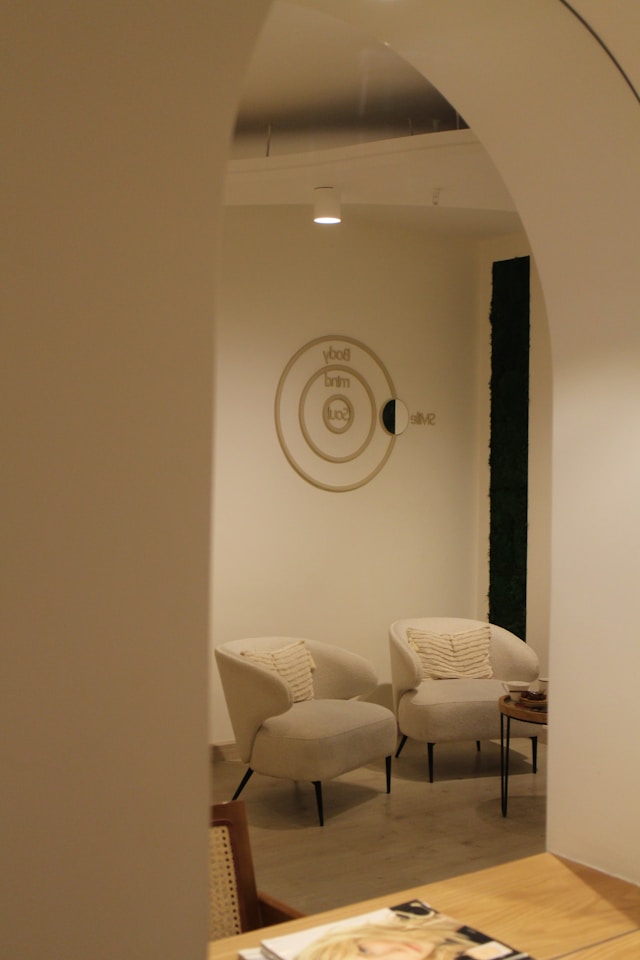
    Singapore’s healthcare landscape is evolving rapidly, and medical clinic interior design has become a crucial factor in patient satisfaction and treatment outcomes. Modern patients expect more than just functional medical spaces—they want environments that promote healing, reduce anxiety, and create positive experiences from the moment they walk through the door.

    The city-state’s unique blend of cultures, climate considerations, and space constraints have given rise to distinctive design trends that are reshaping how medical facilities approach their interiors. These trends reflect a deeper understanding of how physical environments impact both patient wellbeing and clinical efficiency.

    Understanding current design trends isn’t just about aesthetics. Research shows that well-designed medical spaces can reduce patient stress, improve staff productivity, and even enhance treatment outcomes. For clinic owners and healthcare providers in Singapore, staying current with these trends thanks to SCDC Asia means creating spaces that not only meet regulatory requirements but also exceed patient expectations.

    The Rise of Biophilic Design in Singapore Medical Spaces

    Biophilic design has emerged as one of the most impactful trends transforming Singapore’s medical clinics. This approach integrates natural elements into interior spaces, creating connections between patients and nature even within urban medical facilities.

    Living walls and vertical gardens have become particularly popular in Singapore clinics, serving dual purposes of air purification and visual appeal. These installations work especially well in the tropical climate, requiring minimal maintenance while providing maximum impact. Clinics are incorporating native plant species that thrive indoors, creating authentic connections to Singapore’s natural environment.

    Natural lighting strategies have evolved beyond simple window placement. Modern clinics use skylights, light wells, and reflective surfaces to maximize daylight penetration throughout the space. This approach is particularly valuable in Singapore’s dense urban environment, where traditional windows might face other buildings or limited views.

    Water features and natural materials complete the biophilic approach. Small fountains or water walls provide soothing sounds that mask medical equipment noise, while natural stone, wood, and bamboo elements create tactile connections to nature. These materials also align with Singapore’s sustainability goals and humid climate requirements.

    Technology Integration That Enhances Patient Experience

    Singapore’s position as a smart city has influenced how medical clinics integrate technology into their design schemes. Digital wayfinding systems have replaced traditional signage in many facilities, offering multilingual support that serves Singapore’s diverse population.

    Interactive patient education displays are becoming standard features in waiting areas and consultation rooms. These touchscreen systems allow patients to learn about procedures, view anatomical models, and access health information in their preferred language. The integration appears seamless, with screens mounted flush into walls or incorporated into furniture designs.

    Automated climate control systems respond to occupancy and external weather conditions, maintaining optimal comfort levels throughout the clinic. These smart systems are particularly important in Singapore’s tropical climate, where humidity control is essential for both comfort and equipment protection.

    Telehealth integration has influenced physical design as well. Consultation rooms now include dedicated spaces for video conferencing equipment, with appropriate lighting and acoustics for remote consultations. This hybrid approach ensures clinics can serve patients both in-person and virtually without compromising the quality of either experience.

    Flexible and Multi-Functional Spaces

    Space optimization has become critical in Singapore’s high-rent medical real estate market. Clinics are embracing flexible design solutions that maximize functionality within limited square footage.

    Modular furniture systems allow spaces to transform based on daily needs. Waiting areas might serve as patient education spaces during off-peak hours, while consultation rooms can be reconfigured for different types of appointments. This flexibility is achieved through moveable partitions, fold-away equipment, and multi-purpose furniture pieces.

    Convertible examination rooms represent another innovation in space efficiency. These rooms feature equipment that retracts into walls or ceiling cavities when not in use, creating more spacious environments for patient comfort. The transformation happens quickly and quietly, maintaining the professional atmosphere patients expect.

    Storage solutions have become increasingly sophisticated, with hidden compartments and built-in organizational systems that keep medical supplies accessible but out of sight. This approach maintains the clean, uncluttered aesthetic patients prefer while ensuring clinical efficiency.

    Cultural Sensitivity and Inclusive Design

    Singapore’s multicultural society has driven medical clinics to adopt inclusive design principles that respect diverse cultural backgrounds and accessibility needs.

    Prayer and meditation spaces have been incorporated into larger clinic designs, providing quiet areas where patients and families can observe religious practices or simply find moments of peace. These spaces are designed to be culturally neutral while still providing the privacy and serenity different faith traditions require.

    Multilingual visual communication extends beyond digital displays to include carefully designed signage and wayfinding systems. Color coding and universal symbols supplement text-based information, ensuring navigation remains intuitive regardless of language proficiency.

    Family-friendly design considerations recognize that medical visits often involve multiple family members. Expanded waiting areas include designated children’s zones with appropriate furniture and activities, while consultation rooms accommodate extended family participation in healthcare decisions.

    Accessibility features go beyond basic regulatory compliance to create truly inclusive environments. Tactile guidance systems, adjustable-height fixtures, and sensory-friendly zones ensure all patients can navigate and use clinic spaces comfortably.

    Wellness-Focused Aesthetic Choices

    The shift toward wellness-centered design has influenced color palettes, materials, and spatial arrangements throughout Singapore’s medical facilities.

    Calming color schemes have moved away from stark whites toward warmer, more inviting palettes. Soft blues, greens, and earth tones create psychological comfort while maintaining the cleanliness and professionalism medical environments require. These colors also complement Singapore’s tropical surroundings and abundant natural light.

    Acoustic design has gained recognition as a crucial element in patient comfort. Sound-absorbing materials, strategic equipment placement, and white noise systems create quieter environments that reduce stress and improve privacy during consultations.

    Aromatherapy integration uses subtle, clinical-grade scenting systems to create pleasant olfactory experiences. These systems avoid overwhelming fragrances while masking typical medical odors that might increase patient anxiety.

    Comfortable seating has evolved from basic waiting room chairs to supportive, ergonomic furniture that accommodates various body types and medical conditions. Seating arrangements also promote social distancing when needed while maintaining opportunities for family interaction.

    Sustainable and Eco-Friendly Design Elements

    Environmental consciousness has become integral to medical clinic design in Singapore, aligning with national sustainability initiatives and patient values.

    Energy-efficient lighting systems use LED technology and smart controls to minimize power consumption while maintaining optimal illumination for medical procedures. These systems often integrate with natural lighting sensors to provide consistent illumination throughout the day.

    Sustainable material choices prioritize locally sourced, renewable, or recycled materials that can withstand Singapore’s climate while minimizing environmental impact. Bamboo, reclaimed wood, and recycled metal fixtures appear frequently in contemporary clinic designs.

    Water conservation features include low-flow fixtures and greywater systems where appropriate. These installations reduce operational costs while demonstrating environmental responsibility to eco-conscious patients.

    Air quality management goes beyond basic HVAC systems to include plants, air purification technology, and natural ventilation strategies. These approaches are particularly important in Singapore’s urban environment, where outdoor air quality can vary significantly.

    The Impact of Post-Pandemic Design Thinking

    The COVID-19 pandemic has permanently influenced medical clinic interior design, with new priorities around infection control and patient safety becoming standard practice.

    Enhanced ventilation systems now include HEPA filtration and increased air exchange rates to minimize airborne transmission risks. These systems are integrated discretely into ceiling designs to avoid industrial appearances while maintaining medical-grade air quality.

    Touchless technology has expanded beyond automatic doors to include contactless check-in systems, voice-activated controls, and gesture-based interfaces. These technologies are embedded seamlessly into interior designs rather than appearing as obvious additions.

    Social distancing considerations have influenced furniture layouts, creating more spacious waiting areas and consultation rooms. Flexible barrier systems allow spaces to adapt to changing health protocols without requiring complete redesigns.

    Enhanced cleaning protocols have influenced material choices toward non-porous surfaces that can withstand frequent sanitization. These materials maintain aesthetic appeal while meeting stringent hygiene requirements.

    Creating Spaces That Heal and Inspire

    Singapore’s medical clinic interior design trends reflect a fundamental shift toward patient-centered care that recognizes the healing power of thoughtfully designed environments. These trends combine cultural sensitivity, technological innovation, and evidence-based design principles to create spaces that support both clinical excellence and human wellbeing.

    For healthcare providers considering interior design updates, the key lies in balancing these various trends with specific patient populations and clinical requirements. The most successful clinic designs integrate multiple trend elements while maintaining clear focus on patient comfort, clinical efficiency, and cultural appropriateness.

    The future of medical clinic design in Singapore will likely continue evolving toward even more personalized, technology-integrated, and environmentally conscious spaces. By staying current with these trends and understanding their underlying principles, healthcare providers can create medical environments that truly serve their communities’ diverse needs and expectations.

  • All The Do’s and Don’t of Lymphatic Detox Massage

    All The Do’s and Don’t of Lymphatic Detox Massage

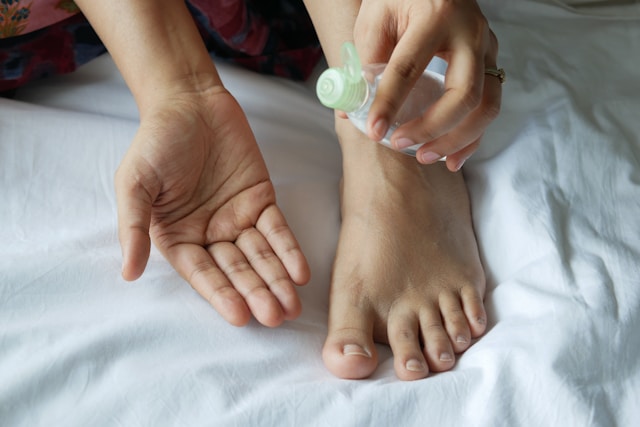
    The lymphatic system is one of the body’s unsung heroes. This intricate network of vessels and nodes works tirelessly behind the scenes, playing a crucial role in our immune function and fluid balance. When it’s not working optimally, we can experience swelling, sluggishness, and a general feeling of being unwell. This is where lymphatic detox massage, also known as manual lymphatic drainage (MLD), can make a significant difference.

    This specialized massage technique is designed to encourage the natural movement of lymph fluid, helping to reduce swelling, remove waste products from your tissues, and support your overall well-being. But to get the most out of your session, it’s important to understand the proper approach. This guide will walk you through the essential do’s and don’ts of lymphatic detox massage, ensuring you have a safe, effective, and beneficial experience. We will cover how to prepare for your appointment, what to expect during the massage, and how to maintain the benefits long after you’ve left the table.

    Understanding Your Lymphatic System

    Before we explore the specifics of the massage itself, it’s helpful to have a basic understanding of what the lymphatic system does. Think of it as your body’s internal cleansing service. This complex network runs parallel to your circulatory system and has several vital functions:

    • Fluid Balance: It collects excess fluid, known as lymph, from tissues throughout your body and returns it to the bloodstream, preventing fluid buildup and swelling (edema).
    • Immune Defense: Lymph nodes, which are small glands scattered throughout the system, filter the lymph fluid. They trap and destroy harmful substances like bacteria, viruses, and abnormal cells. These nodes house immune cells that are essential for fighting off infections.
    • Waste Removal: The lymphatic system is crucial for transporting metabolic waste, toxins, and other cellular debris away from your tissues so they can be eliminated from the body.
    • Fat Absorption: In the digestive system, specialized lymphatic vessels called lacteals absorb fats and fat-soluble vitamins, transporting them into the bloodstream.

    Unlike the circulatory system, which has the heart to pump blood, the lymphatic system relies on muscle contractions, breathing, and body movement to circulate lymph fluid. When this flow becomes stagnant or impaired due to surgery, illness, inactivity, or other factors, it can lead to various health issues. This is precisely why a lymphatic detox massage can be so beneficial—it manually assists a process that your body is designed to do naturally.

    The DO’s of Lymphatic Detox Massage

    To maximize the positive effects of your lymphatic drainage massage, follow these important guidelines before, during, and after your session.

    DO: Hydrate, Hydrate, Hydrate

    Before: Proper hydration is the single most important factor for a successful lymphatic massage at Kelly Oriental. Your lymphatic system is primarily composed of water, and being well-hydrated helps the lymph fluid flow more easily. Aim to drink plenty of water in the 24 hours leading up to your appointment. Avoid dehydrating beverages like coffee, alcohol, and sugary drinks, as they can make the detoxification process less efficient.

    After: Continue to drink water generously after your massage. This helps your kidneys and other organs flush out the toxins and metabolic waste that were mobilized during the session. Many people find that sipping on warm water or herbal teas like dandelion or ginger can be particularly soothing and supportive of the detoxification process.

    DO: Find a Certified Therapist

    Not all massage therapists are trained in manual lymphatic drainage. MLD is a highly specialized technique that requires a deep understanding of the lymphatic system’s anatomy and physiology. An untrained therapist could apply too much pressure or use incorrect movements, which could be ineffective or even harmful.

    Look for a practitioner who is a Certified Lymphedema Therapist (CLT) or has specific certification in Manual Lymphatic Drainage from a reputable institution like the Dr. Vodder School, Klose Training, or the Academy of Lymphatic Studies. Don’t hesitate to ask about their qualifications and experience before booking an appointment.

    DO: Communicate Openly with Your Therapist

    Your therapist is your partner in this process. Before the session begins, have an open conversation about your health history, any specific concerns, and your goals for the treatment. Be sure to mention:

    • Any recent surgeries, injuries, or illnesses.
    • Areas of swelling, pain, or discomfort.
    • A history of cancer, heart conditions, kidney disease, blood clots, or active infections.
    • If you are pregnant or think you might be.

    This information allows the therapist to tailor the session to your specific needs and ensure your safety. During the massage, provide feedback if you feel any discomfort. A lymphatic massage should be gentle and relaxing, not painful.

    DO: Arrive with Clean Skin

    For your massage, it’s best to arrive with clean skin, free of heavy lotions, oils, or perfumes. The therapist needs to be able to feel the subtle rhythm of your lymphatic flow and work directly on the skin without any barriers. A light, unscented moisturizer is usually fine, but avoid anything greasy that could interfere with the gentle, stretching motions of the technique.

    DO: Relax and Breathe Deeply

    During the massage, your role is to relax as much as possible. Deep, diaphragmatic breathing is incredibly beneficial for the lymphatic system. The movement of the diaphragm acts as a pump, helping to move lymph fluid through the thoracic duct, which is the largest lymphatic vessel in the body.

    Your therapist may guide you through some deep breathing exercises at the beginning of the session. Try to maintain this slow, intentional breathing throughout the treatment. This not only enhances the massage’s effectiveness but also helps calm your nervous system, promoting a deeper state of relaxation.

    DO: Plan for a Gentle Post-Massage Period

    After your massage, your body is actively working to process and eliminate the waste that was stirred up. It’s important to support this process by taking it easy. Avoid strenuous exercise, heavy meals, and stressful activities for the rest of the day.

    Instead, opt for light activities like a gentle walk, which can further encourage lymphatic flow without overtaxing your system. Listen to your body—if you feel tired, allow yourself to rest. This is a normal and positive sign that your body is undergoing a deep cleansing process.

    The DON’TS of Lymphatic Detox Massage

    Just as important as the “do’s” are the “don’ts.” Avoiding these common mistakes will help you prevent negative side effects and ensure you receive the full benefits of the treatment.

    DON’T: Expect a Deep Tissue Massage

    One of the biggest misconceptions about lymphatic massage is that it’s similar to a deep tissue or Swedish massage. In reality, it’s the complete opposite. The majority of the lymphatic system is located just beneath the surface of the skin. Therefore, MLD uses extremely light, gentle, and rhythmic strokes.

    The pressure is just enough to stretch the skin and stimulate the underlying lymphatic vessels, not to manipulate the muscles. If a therapist is using deep, forceful pressure and calls it a lymphatic massage, they are not performing the technique correctly. You should feel a gentle pulling or stretching of the skin, never pain or deep muscle pressure.

    DON’T: Get a Massage if You Have Contraindications

    While lymphatic massage is generally safe, there are specific medical conditions, known as contraindications, where it should be avoided or modified. It’s crucial to be aware of these for your safety.

    Absolute Contraindications (Massage should be avoided):

    • Acute Infections: A massage can spread an infection throughout the body. Wait until the infection has fully resolved.
    • Congestive Heart Failure: The treatment can increase the fluid load on a heart that is already struggling.
    • Acute Deep Vein Thrombosis (DVT): Massaging the area could dislodge a blood clot, which can be life-threatening.
    • Kidney Failure: The kidneys may not be able to handle the increased fluid and waste load.

    Always consult your doctor before scheduling a lymphatic massage if you have any serious health conditions.

    DON’T: Eat a Heavy Meal Beforehand

    Arriving for your appointment on a full stomach can be uncomfortable, as you’ll be lying down for an extended period. A heavy meal diverts blood and energy to your digestive system, which can detract from the detoxification process.

    Instead, have a light, healthy snack about 1-2 hours before your session. A piece of fruit, a handful of nuts, or a small yogurt are good options. This will keep your blood sugar stable without making you feel overly full or sluggish.

    DON’T: Wear Tight or Restrictive Clothing

    After your massage, you want to allow the lymphatic fluid to continue flowing freely. Tight clothing, such as skinny jeans, tight-fitting tops, or restrictive underwear, can constrict the lymphatic vessels and undo the benefits of your session.

    Opt for loose, comfortable clothing to wear to and from your appointment. Think sweatpants, loose-fitting tops, and comfortable shoes. This will support the continued drainage and help you maintain that light, free feeling after the treatment.

    DON’T: Rush Back to a Stressful Routine

    The period immediately following your massage is a crucial part of the healing process. Rushing from your appointment straight into a high-stress meeting or a demanding workout can counteract the calming effects of the massage and hinder the detoxification process.

    Try to schedule your appointment on a day when you have some downtime afterward. Allow yourself at least an hour or two of quiet time to integrate the effects of the treatment. This will help you fully absorb the physical and mental benefits of the session.

    What to Expect After the Session

    The effects of a lymphatic detox massage can vary from person to person. Some people feel energized and light, while others may feel tired and need to rest. It’s also common to experience an increase in urination, as this is how the body expels the excess fluid and toxins. These are all normal reactions and signs that the massage was effective. Over the next day or two, you might notice reduced swelling, clearer skin, and an overall sense of improved well-being.

    Elevate Your Wellness Journey

    Lymphatic detox massage is a powerful tool for enhancing your body’s natural detoxification processes, supporting your immune system, and promoting overall health. By following these do’s and don’ts, you can ensure that your experience is safe, effective, and profoundly beneficial. Remember to choose a certified therapist, communicate openly, and give your body the gentle support it needs before and after your session. When approached with care and awareness, this gentle therapy can become a valuable part of your wellness routine.

  • The Rich Culture Behind A Wedding Kua

    The Rich Culture Behind A Wedding Kua

    The wedding kua stands as one of the most treasured garments in Chinese wedding traditions, embodying centuries of cultural significance and artistic craftsmanship. This elaborate ceremonial dress, worn by Chinese brides during their wedding ceremonies, represents far more than beautiful attire—it symbolizes prosperity, fertility, and the harmonious union of two families. Understanding the intricate history and meaning behind the wedding kua offers insight into Chinese cultural values and the importance of honoring ancestral traditions in modern celebrations.

    For couples planning a traditional Chinese wedding or those simply curious about this stunning garment, exploring the wedding kua’s origins, symbolism, and contemporary adaptations reveals a fascinating blend of ancient customs and modern interpretations. From its distinctive phoenix and dragon embroidery to its vibrant red silk fabric, every element of the wedding kua carries deep cultural meaning that has been preserved and passed down through generations.

    Origins and Historical Significance of the Wedding Kua

    The wedding kua traces its roots back to the Qing Dynasty (1644-1912), when it evolved from the traditional Manchu clothing styles that dominated Chinese fashion during this period. Originally, the kua was part of the formal court dress worn by noblewomen, characterized by its straight-cut silhouette, wide sleeves, and intricate embroidery work. Over time, this elegant garment transitioned from palace halls to wedding ceremonies, becoming an essential element of Chinese bridal wear.

    During the Qing Dynasty, the wedding kua represented social status and family wealth. The more elaborate the embroidery and the finer the materials used, the higher the family’s standing in society. This tradition reflected the Chinese cultural value of “face” or social reputation, where wedding ceremonies served as opportunities for families to display their prosperity and honor.

    The garment’s design philosophy stems from traditional Chinese aesthetics that emphasize balance, harmony, and auspicious symbolism. Unlike Western wedding dresses that focus primarily on the bride’s individual beauty, the wedding kua represents the bride as part of a larger family unit and cultural continuum, connecting her to both ancestral traditions and future generations.

    Regional Variations and Styles

    Different regions of China developed their own variations of the wedding kua, each reflecting local customs and preferences. In Northern China, kuas traditionally featured more structured silhouettes with broader shoulders and longer sleeves. Southern Chinese versions often incorporated lighter fabrics and more delicate embroidery techniques, suitable for the warmer climate.

    Cantonese wedding kuas, particularly popular in Hong Kong and Guangdong province, became renowned for their exceptional craftsmanship and use of gold thread embroidery. These garments often featured more elaborate phoenix motifs and intricate cloud patterns, representing the celestial realm and divine blessings upon the marriage.

    Symbolism and Design Elements

    Every aspect of a traditional wedding kua from The Clover Photo carries profound symbolic meaning, carefully chosen to bestow blessings upon the bride and her new marriage. The most prominent design elements include the phoenix and dragon motifs, which represent the bride and groom respectively, symbolizing the perfect balance of yin and yang energies in their union.

    The Phoenix: Symbol of the Bride

    The phoenix, known as “fenghuang” in Chinese, adorns the wedding kua as the primary symbol representing the bride. This mythical bird embodies feminine virtues including grace, beauty, and virtue. According to Chinese mythology, the phoenix appears only during times of peace and prosperity, making its presence on the wedding kua a powerful blessing for the couple’s future happiness.

    Phoenix embroidery on wedding kuas often features elaborate tail feathers that flow across the garment’s surface, creating movement and visual interest. The bird’s head typically points upward, symbolizing the bride’s aspirations for a bright future and her family’s rising fortunes. Traditional artisans spend countless hours perfecting these intricate phoenix designs, using gold and silver threads to create shimmering effects that catch light beautifully during wedding ceremonies.

    The Dragon: Representing Masculine Power

    While the phoenix represents feminine energy, dragon motifs on wedding kuas symbolize masculine power and the groom’s strength. Dragons in Chinese culture are benevolent creatures associated with imperial power, wisdom, and good fortune. When dragons and phoenixes appear together on a wedding kua, they represent the harmonious balance between husband and wife, suggesting that their marriage will bring mutual prosperity and happiness.

    Dragon embroidery typically features flowing, serpentine forms that weave around phoenix motifs, creating dynamic compositions that tell the story of their celestial dance. Traditional designs show dragons chasing pearls of wisdom or emerging from clouds, symbolizing the groom’s pursuit of enlightenment and success in providing for his family.

    Color Symbolism and Material Choices

    The traditional red color of wedding kuas holds deep significance in Chinese culture, representing joy, luck, and prosperity. Red is considered the most auspicious color for weddings, believed to ward off evil spirits and attract good fortune to the new couple. This vibrant hue also symbolizes the life force and fertility, essential elements for a successful marriage and the continuation of family lineage.

    Gold accents throughout the embroidery represent wealth and prosperity, while the use of silk fabric signifies luxury and refinement. Traditional wedding kuas often incorporate other auspicious colors including pink for romance, yellow for imperial blessing, and green for harmony and growth. The combination of these colors creates a rich, layered visual experience that reflects the complexity and depth of Chinese wedding traditions.

    Traditional Embroidery Techniques and Craftsmanship

    The creation of an authentic wedding kua requires exceptional skill in traditional Chinese embroidery techniques, many of which have been passed down through generations of skilled artisans. Master embroiderers typically undergo years of training to perfect the intricate needlework that makes each wedding kua a work of art.

    Silk Thread Embroidery

    Traditional wedding kuas feature silk thread embroidery that creates smooth, lustrous surfaces with incredible detail. Artisans use various silk thread weights to achieve different textural effects, from fine outline work to bold, dimensional motifs. The silk threads are often hand-dyed to achieve perfect color matching, ensuring that each element of the design harmonizes beautifully with the overall composition.

    Skilled embroiderers employ techniques such as satin stitch for solid areas of color, split stitch for fine lines and details, and French knots for textural elements like flower centers or dragon scales. These traditional methods require steady hands and exceptional patience, as a single wedding kua may require several months to complete.

    Metallic Thread Work

    Gold and silver metallic threads add luminous accents to wedding kua designs, creating stunning visual effects that shimmer as the bride moves. Traditional metallic thread embroidery, known as “jinxian,” uses real gold and silver leaf wrapped around silk cores to achieve authentic metallic effects. Modern wedding kuas may use synthetic metallic threads, but traditional artisans still prefer authentic materials for their superior luster and longevity.

    The application of metallic threads requires special techniques to prevent tarnishing and ensure durability. Artisans carefully couch these precious threads onto the fabric surface, securing them with nearly invisible silk stitches that maintain the metallic effect while providing structural integrity.

    Modern Adaptations and Contemporary Trends

    While respecting traditional elements, contemporary wedding kuas have evolved to meet modern brides’ preferences and lifestyle needs. Today’s designers create variations that honor cultural heritage while incorporating practical considerations for contemporary wedding celebrations.

    Simplified Silhouettes

    Modern wedding kuas often feature more fitted silhouettes that flatter contemporary body preferences while maintaining the garment’s essential cultural elements. Designers may adjust sleeve lengths, hem heights, and overall proportions to create more comfortable and versatile garments suitable for extended wedding celebrations.

    Some contemporary versions incorporate Western bridal elements such as trains or bustles, creating fusion designs that honor both Chinese traditions and modern wedding aesthetics. These adaptations allow brides to participate fully in traditional tea ceremonies while feeling comfortable during photography sessions and reception activities.

    Contemporary Color Palettes

    While red remains the most traditional and popular choice, modern wedding kuas now come in expanded color palettes including burgundy, coral, blush pink, and even metallic tones. These variations allow brides to coordinate with their wedding themes while maintaining the garment’s auspicious symbolism and cultural significance.

    Designers may also incorporate gradient effects or ombré techniques that create subtle color transitions throughout the garment. These modern approaches to color maintain traditional symbolism while offering contemporary visual appeal that photographs beautifully in various lighting conditions.

    Choosing and Caring for Your Wedding Kua

    Selecting the perfect wedding kua involves considering factors including personal style preferences, body type, wedding venue, and cultural authenticity. Brides should allow sufficient time for fittings and potential alterations, as these garments often require custom adjustments to achieve the perfect fit.

    Fit and Sizing Considerations

    Traditional wedding kuas are designed with specific proportions that may differ from Western sizing standards. Professional fittings ensure that the garment’s silhouette flatters the bride’s figure while allowing comfortable movement during wedding ceremonies. Key fit points include shoulder width, sleeve length, bust accommodation, and overall garment length.

    Many brides choose to rent wedding kuas from specialty boutiques that offer authentic designs and professional fitting services. Rental options provide access to high-quality garments with elaborate embroidery that might otherwise be prohibitively expensive for purchase. For brides preferring to own their wedding kua, custom tailoring services can create personalized versions incorporating family preferences and specific design elements.

    Preservation and Storage

    Proper care ensures that wedding kuas remain beautiful for years and can potentially become family heirlooms passed down to future generations. Professional cleaning services specializing in delicate embroidered garments provide the best care for these precious items. Proper storage in breathable garment bags, away from direct sunlight and moisture, helps preserve both fabric and embroidery integrity.

    Frequently Asked Questions

    Can non-Chinese brides wear wedding kuas?

    Wedding kuas can be worn by brides of any cultural background, particularly in multicultural marriages where one partner has Chinese heritage. However, it’s important to approach this choice with respect and understanding of the garment’s cultural significance. Many Chinese families welcome the inclusion of traditional elements in wedding ceremonies as a way to honor their heritage and share their culture with new family members.

    How much does a wedding kua typically cost?

    Wedding kua prices vary significantly based on factors including authenticity, craftsmanship quality, materials used, and whether the garment is purchased or rented. Rental options typically range from several hundred to over a thousand dollars, while custom-made kuas can cost several thousand dollars depending on embroidery complexity and material quality. Authentic vintage pieces or museum-quality reproductions command premium prices due to their exceptional craftsmanship and historical significance.

    What accessories complement a wedding kua?

    Traditional accessories for wedding kuas include elaborate headdresses featuring phoenix motifs, gold jewelry sets, silk shoes, and decorative fans. Modern brides may choose simplified versions of traditional accessories or incorporate contemporary jewelry that complements the garment’s color scheme and overall aesthetic. Red coral jewelry, jade pieces, and gold accessories all work beautifully with traditional wedding kuas.

    How far in advance should I order or reserve my wedding kua?

    Allow at least three to six months for custom orders or rental reservations, particularly during peak wedding seasons. Custom-made kuas require additional time for multiple fittings and potential adjustments. Popular rental boutiques may book months in advance, especially for weekend weddings during auspicious dates according to the Chinese calendar.

    Preserving Tradition for Future Generations

    The wedding kua represents more than ceremonial attire—it embodies the continuation of cultural identity and family heritage across generations. As Chinese communities worldwide maintain connections to their ancestral traditions, the wedding kua serves as a tangible link between past and present, honoring the wisdom and artistry of previous generations while adapting to contemporary life.

    For modern couples incorporating traditional Chinese elements into their weddings, the wedding kua offers an authentic way to honor cultural heritage while creating meaningful memories. Whether chosen for its stunning visual beauty, deep symbolic meaning, or connection to family tradition, the wedding kua transforms wedding ceremonies into celebrations that transcend individual preferences to embrace cultural continuity and ancestral blessings.

    Understanding and appreciating the rich culture behind the wedding kua enhances not only the wedding experience but also deepens appreciation for Chinese artistic traditions and cultural values. Through continued use and adaptation of these beautiful garments, future generations will inherit both the physical beauty and spiritual significance that make the wedding kua such a treasured part of Chinese wedding traditions.

  • How Chinese Childcare Raises Genuises

    How Chinese Childcare Raises Genuises

    Walk into any top-tier university, and you’ll notice something remarkable: a disproportionate number of students with Chinese heritage excelling in mathematics, science, and engineering. This isn’t coincidence—it’s the result of deeply rooted childcare practices that have been refined over thousands of years.

    Chinese childcare methods have produced generations of high achievers, from Nobel Prize winners to tech innovators who’ve shaped our modern world. While Western parenting often emphasizes creativity and self-expression, Chinese childcare focuses on discipline, academic excellence, and character development from an extraordinarily young age.

    But what exactly makes Chinese childcare so effective at nurturing intellectual brilliance? The answer lies in a comprehensive approach that combines rigorous academic expectations, structured learning environments, and cultural values that prioritize education above nearly everything else. Understanding these methods offers valuable insights for parents worldwide who want to unlock their children’s full potential.

    The Foundation: Early Academic Immersion

    Chinese childcare begins with the belief that children are capable of far more than most Western cultures assume. While American toddlers might be learning their ABCs, Chinese children of the same age are often mastering complex mathematical concepts and beginning to read classical literature.

    This early academic immersion isn’t about pushing children beyond their limits—it’s about recognizing that young minds are incredibly plastic and capable of absorbing vast amounts of information when presented correctly. Chinese parents and educators understand that the brain’s capacity for learning is highest during the first few years of life, and they capitalize on this critical window.

    The approach starts with basic numeracy and literacy skills introduced through games, songs, and storytelling. By age three, many Chinese children can count to 100, recognize dozens of characters, and solve simple addition problems. This early foundation creates a snowball effect where each new concept builds naturally upon previous knowledge.

    Chinese childcare also emphasizes memorization as a pathway to understanding. While Western education often views memorization as outdated, Chinese methods recognize it as essential for developing mental discipline and creating a vast repository of knowledge that can be drawn upon for creative problem-solving later in life.

    Structured Learning Through Daily Routines

    One of the most distinctive aspects of Chinese childcare is the integration of learning into every aspect of daily life. Meals become opportunities to practice table manners and discuss current events. Walks in the park turn into lessons about nature, mathematics, and observation skills.

    Chinese parents typically establish rigid daily schedules that allocate specific time blocks for different types of learning. A typical day might include dedicated periods for reading, mathematical practice, physical exercise, artistic pursuits, and character development. This structure helps children develop strong habits and time management skills that serve them throughout their academic careers.

    The concept of “productive time” is central to Chinese childcare philosophy. Rather than allowing children extensive periods of unstructured play, Chinese parents guide their children toward activities that build skills or knowledge. Even leisure activities are often chosen for their educational value—puzzles that develop spatial reasoning, board games that teach strategy, or musical instruments that enhance mathematical thinking.

    This doesn’t mean Chinese children don’t have fun. Instead, Chinese childcare methods make learning enjoyable and rewarding, creating positive associations with intellectual challenge and achievement from an early age.

    The Role of High Expectations and Goal Setting

    Chinese childcare operates on the principle that children rise to meet the expectations placed upon them. Parents and educators set consistently high standards and provide the support necessary for children to achieve them.

    Goal setting begins early and becomes increasingly sophisticated as children mature. A four-year-old might have goals related to character recognition and basic arithmetic, while a seven-year-old might be working toward specific academic competitions or skill milestones.

    These goals aren’t arbitrary—they’re carefully calibrated to be challenging but achievable with effort and proper guidance. Chinese parents understand that success breeds confidence, and confidence fuels further achievement. By setting and helping children reach incrementally challenging goals, they build both competence and self-belief.

    The emphasis on high expectations extends beyond academics to character development. Chinese children are expected to demonstrate respect for elders, personal responsibility, and perseverance in the face of difficulty. These character traits become integral to their approach to learning and problem-solving.

    Intensive Practice and Skill Mastery

    Chinese childcare emphasizes deep mastery rather than broad exposure. While Western education often introduces many subjects at a surface level, Chinese methods focus on developing true expertise in foundational skills that support all future learning.

    Mathematics receives particular attention because it’s viewed as training for logical thinking and problem-solving. Chinese children typically spend significantly more time on mathematical practice than their Western counterparts, but this practice is varied and engaging. They might solve problems through physical manipulation, visual patterns, mental calculation, and real-world applications.

    Language skills receive similar intensive focus. Chinese children learn to write characters through repeated practice, but they also study the historical and cultural significance of different texts. This deep approach creates both technical proficiency and cultural understanding.

    The practice sessions are structured to maintain engagement and prevent burnout. Chinese educators understand the importance of varying activities, celebrating progress, and making practice feel like achievement rather than drudgery.

    Cultural Values That Support Academic Achievement

    Chinese childcare is embedded within a culture that reveres education and intellectual achievement. Children grow up understanding that academic success is not just personally beneficial—it brings honor to their families and contributes to society.

    The concept of “guan” (excellence through effort) is central to Chinese childcare philosophy. Children learn that intelligence isn’t fixed—it’s developed through persistent effort and proper guidance. This growth mindset helps them approach challenges with resilience rather than giving up when faced with difficulty.

    Respect for teachers and learning is deeply ingrained from an early age. Chinese children are taught to view their educators as sources of wisdom deserving of reverence and attention. This respect creates optimal conditions for learning and helps children absorb instruction more effectively.

    Family involvement in education is comprehensive and multi-generational. Grandparents often play active roles in children’s academic development, and extended family members regularly inquire about educational progress. This creates a supportive network where academic achievement is consistently reinforced and celebrated.

    The Integration of Arts and Physical Development

    Contrary to stereotypes about Chinese education being purely academic, traditional Chinese childcare includes significant attention to artistic and physical development. These elements aren’t seen as separate from academic learning—they’re understood as complementary aspects of comprehensive development.

    Musical training, particularly piano and violin, is common because it develops mathematical thinking, discipline, and emotional expression. Chinese parents often notice that children who study music intensively also excel in mathematics and language arts.

    Physical activities like martial arts, table tennis, and badminton are encouraged because they develop coordination, strategic thinking, and mental discipline. These activities also provide outlets for stress and energy that support rather than compete with academic pursuits.

    Calligraphy practice combines artistic expression with character formation and meditative focus. Children who practice calligraphy regularly often demonstrate improved concentration and attention to detail in their academic work.

    Modern Adaptations and Global Applications

    Chinese childcare methods continue to evolve and adapt to modern circumstances. Contemporary Chinese parents often blend traditional approaches with international educational philosophies, creating hybrid methods that maintain core principles while accommodating changing social conditions.

    Technology integration has become increasingly sophisticated. Chinese educators use digital tools to make traditional learning methods more engaging and accessible. Educational apps, online practice platforms, and virtual reality experiences enhance rather than replace fundamental practices like memorization and repetitive skill building.

    The success of Chinese childcare methods has attracted global attention. Schools and parents worldwide are adapting Chinese techniques to fit their own cultural contexts. Singapore’s education system incorporates many Chinese methods, while American schools are experimenting with extended learning time and intensive skill practice.

    However, successful adaptation requires understanding the cultural and philosophical foundations that make these methods effective. Simply copying techniques without embracing the underlying values and expectations often produces disappointing results.

    Addressing Common Misconceptions

    Many people misunderstand Chinese childcare methods, viewing them as overly rigid or potentially harmful to children’s emotional development. These misconceptions often arise from incomplete understanding of how these methods actually work in practice.

    Chinese childcare, when properly implemented, is highly responsive to individual children’s needs and temperaments. Parents and educators adjust expectations and methods based on each child’s strengths, interests, and developmental pace. The structure provides security rather than constraint.

    The emphasis on academic achievement doesn’t come at the expense of emotional development. Chinese childcare methods include significant attention to character formation, emotional regulation, and social skills. Children learn to manage frustration, celebrate others’ successes, and find joy in intellectual challenge.

    Concerns about stress and mental health are valid and have led to ongoing refinements in Chinese childcare approaches. Modern implementations place greater emphasis on balance, stress management, and maintaining children’s love of learning alongside high achievement.

    Bringing Chinese Methods Into Your Home

    Parents interested in incorporating Chinese childcare principles can start with small, manageable changes that align with their family values and circumstances. The key is understanding the underlying principles rather than copying specific practices.

    Begin by raising expectations gradually while providing additional support. If your child currently practices piano for 15 minutes daily, consider extending to 30 minutes with more structured goals and celebrations of progress.

    Integrate learning into daily routines. Use car rides for mental math practice, turn grocery shopping into lessons about budgeting and nutrition, or make bedtime stories opportunities to discuss character development and life lessons.

    Establish consistent daily schedules that prioritize learning while maintaining time for play and relaxation. Chinese childcare succeeds partly because of its predictability and consistency.

    Focus on deep mastery rather than broad exposure. Help your child develop real expertise in foundational skills before moving to advanced concepts. This patience with the learning process often accelerates long-term progress.

    The Path Forward: Adapting Wisdom for Modern Families

    Chinese childcare methods offer profound insights into human potential and effective learning strategies. These approaches have produced remarkable results across generations and continue to evolve for contemporary applications.

    The most valuable lesson from Chinese childcare isn’t any specific technique—it’s the recognition that children are capable of extraordinary achievement when provided with appropriate expectations, support, and cultural values that prioritize learning.

    As you consider incorporating these methods into your own family’s approach, remember that successful adaptation requires commitment to the underlying philosophy, not just the surface practices. Start small, stay consistent, and maintain focus on long-term character and intellectual development rather than short-term convenience.

    The genius that Chinese childcare nurtures isn’t mysterious or magical—it’s the natural result of treating children as capable learners from an early age and providing them with the structure, expectations, and support necessary to reach their full potential.

  • How Chinese Childcare Differs from American Childcare

    How Chinese Childcare Differs from American Childcare

    Parenting philosophies vary dramatically across cultures, and nowhere is this more evident than when comparing Chinese and American approaches to childcare. While both cultures share the fundamental goal of raising healthy, successful children, their methods, priorities, and underlying values often stand in stark contrast to one another.

    Understanding these differences goes beyond academic curiosity. With globalization bringing families together across cultural boundaries and international adoption becoming more common, parents increasingly find themselves navigating between different childcare philosophies. Whether you’re a Chinese parent living in America, an American parent working with Chinese caregivers, or simply someone interested in global parenting practices, exploring these cultural differences can broaden your perspective on child-rearing.

    This comprehensive comparison examines the key distinctions between Chinese and American childcare approaches, from early childhood development priorities to educational expectations and discipline methods. By understanding both systems, parents can make more informed decisions about which elements might work best for their families.

    Educational Priorities and Academic Achievement

    Perhaps no difference is more pronounced than each culture’s approach to education and academic achievement. Chinese childcare traditionally places enormous emphasis on academic excellence from an early age, viewing education as the primary pathway to success and family honor.

    Chinese parents often begin formal learning activities with toddlers, introducing basic math concepts, character recognition, and structured learning routines well before kindergarten. The concept of “tiger parenting,” popularized by Amy Chua’s controversial book, reflects this intensive focus on academic achievement. Children are expected to excel in school subjects, particularly mathematics and language arts, with extracurricular activities chosen primarily to enhance college applications.

    American childcare approaches education differently, prioritizing a more balanced development that includes academic learning alongside creativity, social skills, and emotional intelligence. While academic success remains important, American parents generally emphasize the learning process over specific outcomes. Play-based learning is widely accepted, with many preschools focusing on social interaction, creativity, and problem-solving skills rather than formal academic instruction.

    The homework culture also differs significantly. Chinese students often spend several hours daily on homework and additional tutoring, with parents actively involved in monitoring and assisting with assignments. American families typically allocate less time to homework, especially for younger children, with greater emphasis on free play and family time.

    These different approaches reflect deeper cultural values about success, competition, and childhood itself. Chinese culture often views intensive early academic preparation as an investment in the child’s future security and the family’s prosperity. American culture tends to value childhood as a unique developmental period that should include substantial time for exploration, play, and self-discovery.

    Independence vs. Interdependence

    The development of independence represents another fundamental difference between Chinese and American childcare philosophies. American parenting strongly emphasizes fostering independence from an early age, encouraging children to make their own decisions, express individual preferences, and develop self-reliance.

    American children typically learn to sleep in their own rooms as infants, feed themselves early, and participate in age-appropriate decision-making. Parents encourage children to voice their opinions, make choices about activities and friendships, and gradually take on increasing personal responsibility. This approach aims to prepare children for the individualistic society they’ll navigate as adults.

    Chinese childcare traditionally prioritizes family interdependence and collective harmony over individual independence. Children often sleep with parents or grandparents for extended periods, and family members closely monitor and assist with daily activities well into the teenage years. Decision-making frequently involves multiple family members, with children expected to consider family needs and expectations alongside personal preferences.

    This interdependent approach extends to daily routines, with Chinese families often maintaining closer physical and emotional proximity throughout childhood. Parents and grandparents may continue helping with basic tasks like dressing and grooming longer than typical in American families, viewing this assistance as an expression of love and care rather than enabling dependency.

    The concept of individual choice also differs significantly. While American children are encouraged to develop their own interests and make personal choices, Chinese children are often guided toward activities and decisions that align with family values and long-term strategic goals.

    Discipline Methods and Behavioral Expectations

    Discipline approaches reveal striking cultural differences in behavioral expectations and correction methods. Chinese childcare traditionally employs more authoritarian discipline styles, with clear hierarchical relationships between children and adults.

    Chinese parents typically maintain stricter behavioral expectations, with less tolerance for defiance or disrespect toward authority figures. Discipline often focuses on shame and family reputation, with parents explaining how misbehavior reflects poorly on the entire family. Physical discipline, while not universal, remains more culturally accepted than in modern American parenting.

    Children are expected to show respect to elders through specific behaviors like formal greetings, deferential language, and obedience to parental instructions. The concept of “face” plays a significant role, with parents emphasizing how children’s behavior affects family honor and social standing.

    American discipline methods have evolved toward more collaborative approaches, emphasizing communication, natural consequences, and emotional understanding. Many American parents use time-outs, privilege removal, and discussion-based correction rather than physical punishment or shame-based discipline.

    American children are generally encouraged to express their feelings and opinions, even when disagreeing with parental decisions. Parents often explain the reasoning behind rules and engage children in problem-solving discussions about behavioral issues. This approach aims to develop internal motivation and moral reasoning rather than simple obedience.

    The role of praise also differs significantly. American parents typically offer frequent praise for effort and participation, while Chinese parents may reserve praise for exceptional achievement, believing that too much positive reinforcement can lead to complacency.

    Extended Family Involvement

    Family structure and the role of extended family members represent another major distinction between Chinese and American childcare approaches. Chinese families traditionally operate with significant multigenerational involvement in child-rearing decisions and daily care.

    Grandparents often play central roles in Chinese childcare, sometimes serving as primary caregivers while parents work. This arrangement provides built-in childcare support and ensures cultural knowledge transmission across generations. Grandparents may have substantial input on educational choices, discipline methods, and daily routines, with their experience and wisdom highly valued.

    Extended family members frequently participate in major decisions about children’s education, extracurricular activities, and even career paths. Family gatherings serve as opportunities for relatives to offer guidance and support for children’s development, creating a network of invested adults beyond immediate parents.

    American families typically operate with greater nuclear family autonomy, though extended family relationships remain important. Parents generally make childcare decisions independently, consulting grandparents and relatives for advice but maintaining final authority over child-rearing choices.

    While American grandparents may provide occasional childcare and emotional support, their involvement in daily routines and major decisions varies widely among families. Geographic mobility often places extended family members at a distance, reducing their practical involvement in day-to-day childcare activities.

    This difference reflects broader cultural values about individual family autonomy versus collective family responsibility. Chinese culture emphasizes the wisdom of experience and shared family investment in children’s success, while American culture prioritizes parental independence and nuclear family decision-making authority.

    Extracurricular Activities and Free Time

    The approach to children’s free time and extracurricular activities reveals fundamental differences in childhood philosophy and time management. Chinese families typically maintain highly structured schedules with multiple organized activities designed to enhance academic achievement or develop specific skills.

    Chinese children often participate in music lessons, language classes, mathematics tutoring, and other skill-building activities throughout the week. Weekend time frequently includes additional educational activities, with less unstructured free time for spontaneous play or relaxation. Parents view this intensive scheduling as preparation for competitive academic environments and future success.

    The selection of extracurricular activities often focuses on achievements that enhance college applications or develop marketable skills. Music, particularly piano or violin, language learning, and advanced mathematics are popular choices that demonstrate discipline and intellectual development.

    American families generally maintain more balance between structured activities and free time, believing that unstructured play promotes creativity, problem-solving, and emotional development. While many American children participate in sports, music, or other activities, parents often limit the number of commitments to preserve family time and allow for spontaneous exploration.

    American extracurricular choices frequently emphasize enjoyment and social development alongside skill building. Team sports, arts and crafts, and social clubs are valued for their ability to develop teamwork, creativity, and friendship skills rather than purely academic or competitive advantages.

    The concept of “downtime” differs significantly between cultures. American parents increasingly recognize the importance of boredom and unstructured time for fostering creativity and independence, while Chinese parents may view empty time as missed opportunities for skill development and advancement.

    Health and Safety Perspectives

    Approaches to children’s health and safety reflect different cultural attitudes toward risk, protection, and physical development. Chinese childcare traditionally emphasizes certain health practices that may seem unusual to American families, while American safety protocols might appear excessive to Chinese parents.

    Chinese families often focus heavily on dietary considerations, with traditional beliefs about food temperature, seasonal eating, and nutritional balance playing significant roles in meal planning. Concepts like “hot” and “cold” foods, herbal remedies, and traditional medicine practices influence daily health decisions in ways that differ from Western medical approaches.

    Clothing choices also reflect different health philosophies, with Chinese parents typically dressing children more warmly and protecting against perceived temperature-related illness. The practice of layering clothing and protecting the stomach area from cold reflects traditional health beliefs about maintaining body warmth and preventing illness.

    American childcare emphasizes different safety priorities, with elaborate car seat protocols, helmet requirements for activities, and extensive childproofing measures that may seem excessive to families from other cultures. Safety regulations for playground equipment, toy standards, and activity supervision reflect American legal and cultural priorities around injury prevention.

    Physical activity approaches also differ, with American culture encouraging more independent physical exploration and outdoor play, while Chinese families may supervise physical activities more closely or prefer organized, instructor-led exercise programs.

    Finding Balance Between Approaches

    Understanding these cultural differences doesn’t require choosing one approach over another. Many families successfully blend elements from both philosophies, creating customized childcare approaches that honor their cultural heritage while adapting to their current environment.

    Parents might incorporate Chinese emphasis on educational excellence while maintaining American values around creativity and emotional expression. Alternatively, families might adopt American independence-building strategies while preserving Chinese family interdependence and respect for elders.

    The key lies in understanding the underlying values behind each approach and making conscious choices about which elements align with your family’s goals and circumstances. Cultural sensitivity and open communication become especially important in mixed-culture families or when working with caregivers from different cultural backgrounds.

    Many successful approaches involve explaining cultural differences to children as they grow, helping them understand and appreciate different perspectives while developing their own values and preferences.

    Creating Your Own Family Approach

    Rather than viewing Chinese and American childcare methods as opposing forces, consider them as different tools in a comprehensive parenting toolkit. Each approach offers valuable insights that can enhance your family’s child-rearing experience.

    The Chinese emphasis on educational achievement and family interdependence can provide structure and long-term focus, while American priorities around independence and emotional development can foster creativity and self-confidence. The challenge lies in thoughtfully integrating these elements in ways that serve your children’s unique needs and your family’s specific circumstances.

    Consider your own childhood experiences, current family situation, and long-term goals when deciding which elements to emphasize. Remember that effective parenting transcends cultural boundaries, focusing on love, consistency, and responsive care regardless of specific methods or practices.

    As our world becomes increasingly interconnected, children who understand and appreciate different cultural approaches to development may be better prepared for success in diverse, global environments. By understanding both Chinese and American childcare philosophies, parents can make more informed decisions while raising culturally competent, adaptable children.

  • The Most Famous TCM Claims: True or False?

    The Most Famous TCM Claims: True or False?

    Traditional Chinese Medicine has been practiced for thousands of years, influencing healthcare systems across the globe. From acupuncture sessions in New York wellness centers to ginseng supplements lining pharmacy shelves, TCM practices have woven themselves into modern healthcare. But with this widespread adoption comes an important question: which of these ancient remedies actually work according to modern science?

    The intersection of traditional wisdom and contemporary research creates a fascinating landscape of validated treatments, debunked myths, and ongoing investigations. Some TCM practices have earned recognition from major medical institutions, while others remain unsupported by scientific evidence. Understanding the difference can help you make informed decisions about incorporating TCM into your health routine.

    This comprehensive analysis examines the most well-known TCM claims, separating fact from fiction through the lens of peer-reviewed research and clinical studies. Whether you’re curious about acupuncture’s effectiveness or wondering if that expensive ginseng supplement is worth the investment, we’ll explore what science really tells us about these ancient healing practices.

    Acupuncture: The Success Story of Traditional Medicine

    Acupuncture stands as perhaps the greatest TCM success story in Western medicine. Once dismissed as pseudoscience, this practice of inserting thin needles into specific body points has gained substantial scientific backing over the past several decades.

    What the Research Shows

    Multiple systematic reviews and meta-analyses have demonstrated acupuncture’s effectiveness for specific conditions. The evidence is strongest for chronic pain management, including lower back pain, neck pain, and osteoarthritis. A comprehensive review published in the Archives of Internal Medicine analyzed data from nearly 18,000 patients and found that acupuncture provided significant pain relief compared to both sham acupuncture and no treatment.

    The World Health Organization officially recognizes acupuncture as an effective treatment for over 40 conditions, including headaches, dental pain, and nausea. Major insurance companies now cover acupuncture treatments, and prestigious medical centers like Mayo Clinic and Johns Hopkins offer acupuncture services.

    The Mechanism Mystery

    While acupuncture’s effectiveness is well-documented, the traditional explanation involving “qi” and energy meridians lacks scientific support. Modern research suggests acupuncture works through neurological mechanisms, potentially triggering the release of endorphins and affecting pain-processing pathways in the brain.

    Verdict: TRUE – Acupuncture is effective for specific conditions, though not for the traditional reasons claimed.

    Ginseng: The Root of Confusion

    Ginseng represents one of the most commercially successful TCM herbs, generating billions in global sales annually. Traditional practitioners claim it boosts energy, enhances cognitive function, and improves overall vitality. But the scientific picture is more nuanced than marketing materials suggest.

    Asian vs. American Ginseng

    Not all ginseng is created equal. Asian ginseng (Panax ginseng) and American ginseng (Panax quinquefolius) contain different concentrations of active compounds called ginsenosides, leading to varying effects.

    Research shows some promising results for specific ginseng applications. Studies indicate Asian ginseng may help with erectile dysfunction and could provide modest improvements in cognitive function for people with Alzheimer’s disease. American ginseng has shown potential for blood sugar regulation in people with diabetes.

    The Energy Claims

    Despite its reputation as an energy booster, well-designed studies have failed to demonstrate that ginseng significantly improves athletic performance or reduces fatigue in healthy individuals. A systematic review in the Cochrane Library found insufficient evidence to support ginseng’s use for physical performance enhancement.

    Verdict: PARTIALLY TRUE – Ginseng may help with specific health conditions, but claims about universal energy-boosting properties are largely unsupported.

    Cupping Therapy: Popular but Unproven

    Cupping therapy gained widespread attention when Olympic athletes appeared with distinctive circular bruises from the treatment. This ancient practice involves placing heated cups on the skin to create suction, supposedly improving blood flow and reducing muscle tension.

    Limited Scientific Evidence

    Despite its popularity, cupping therapy lacks robust scientific support. A 2018 systematic review found that while some studies suggest potential benefits for pain conditions, the quality of research remains poor. Most studies suffer from small sample sizes, lack of proper control groups, and inconsistent methodology.

    The circular bruises that cupping creates might provide a psychological benefit through the placebo effect, but there’s no evidence that the practice provides superior benefits compared to conventional treatments like massage or physical therapy.

    Verdict: FALSE – Current evidence doesn’t support cupping therapy’s claimed benefits beyond placebo effects.

    Herbal Formulas: A Mixed Bag of Evidence

    TCM at establishments like Kelly Oriental rarely uses single herbs, instead relying on complex formulas containing multiple plant ingredients. This approach makes scientific validation challenging, as researchers struggle to determine which components might be active and how they interact.

    Some Validated Formulas

    Certain TCM herbal combinations have shown promise in clinical trials. Danshen (Salvia miltiorrhiza) combined with other herbs has demonstrated cardiovascular benefits in some studies. The formula Gan Mao Ling showed effectiveness in reducing cold symptoms duration in randomized controlled trials.

    The Standardization Problem

    A major challenge with TCM herbal formulas is quality control and standardization. The concentration of active compounds can vary dramatically between manufacturers and even between batches from the same company. This inconsistency makes it difficult to replicate research results and ensure treatment effectiveness.

    Safety Concerns

    Some TCM herbs have been associated with serious side effects. Aristolochia species, used in weight-loss formulas, can cause kidney damage and cancer. Heavy metal contamination in some imported herbal products has led to poisoning cases.

    Verdict: PARTIALLY TRUE – Some herbal formulas show promise, but quality control issues and safety concerns remain significant problems.

    Qi and Energy Meridians: The Foundational Myth

    At the heart of TCM lies the concept of qi (life energy) flowing through meridians (energy pathways) in the body. This theoretical framework underpins most TCM treatments, from acupuncture point selection to herbal formula design.

    No Scientific Basis

    Despite extensive research, scientists have found no evidence for the existence of qi or meridians as described in traditional texts. Modern anatomy and physiology textbooks don’t recognize these energy pathways, and sensitive instruments cannot detect the energy flows TCM describes.

    Interestingly, some TCM treatments work despite the lack of evidence for their traditional explanations. This suggests that beneficial effects likely occur through mechanisms that conventional medicine can explain, such as neurological responses, psychological factors, or active compounds in herbs.

    Verdict: FALSE – The fundamental concepts of qi and meridians lack scientific support.

    Tongue and Pulse Diagnosis: Ancient Art, Modern Limitations

    TCM practitioners claim they can diagnose health conditions by examining the tongue’s color, coating, and texture, or by feeling subtle variations in pulse quality. These diagnostic methods form a cornerstone of traditional practice.

    Subjective and Unreliable

    Scientific studies of TCM diagnostic methods reveal poor reliability between practitioners. When multiple TCM doctors examine the same patient, they often reach different conclusions about pulse quality and tongue characteristics. This lack of consistency undermines the credibility of these diagnostic approaches.

    Modern diagnostic tools like blood tests, imaging studies, and physical examinations provide objective, reproducible results that TCM’s subjective methods cannot match.

    Verdict: FALSE – TCM diagnostic methods lack the reliability and accuracy required for medical diagnosis.

    Dietary Therapy: Mixing Wisdom with Wishful Thinking

    TCM dietary therapy categorizes foods as “hot,” “cold,” or “neutral” and claims that eating the right foods can prevent and treat diseases. Some principles align with modern nutritional science, while others lack scientific support.

    Nutritional Overlap

    TCM’s emphasis on fresh, minimally processed foods and the importance of regular meal timing aligns with contemporary nutritional recommendations. The traditional focus on variety and seasonal eating also reflects sound dietary principles.

    Unsupported Classifications

    The hot/cold food classification system doesn’t correspond to any measurable nutritional or physiological properties. Claims that specific foods can treat diseases like hypertension or diabetes oversimplify complex medical conditions that require evidence-based treatment.

    Verdict: PARTIALLY TRUE – Some TCM dietary principles align with good nutrition, but the theoretical framework lacks scientific validity.

    Making Informed Decisions About TCM

    The evidence surrounding TCM practices varies dramatically, from well-supported treatments like acupuncture to unsupported concepts like qi and meridians. This mixed landscape requires careful navigation for anyone considering TCM treatments.

    When TCM Makes Sense

    Consider TCM treatments that have scientific support for your specific condition. Acupuncture for chronic pain, certain herbal preparations for defined health issues, and dietary principles that align with modern nutrition can be reasonable choices when used alongside conventional medical care.

    Red Flags to Avoid

    Be wary of practitioners who claim TCM can cure serious diseases like cancer or diabetes, discourage conventional medical treatment, or make grandiose promises about energy balancing and spiritual healing. These approaches can delay necessary medical care and potentially cause harm.

    Quality and Safety Considerations

    If you choose to try TCM treatments, prioritize safety and quality. Seek licensed practitioners, verify the purity and source of herbal products, and inform your conventional healthcare providers about any TCM treatments you’re using.

    The key lies in approaching TCM with informed skepticism, appreciating validated treatments while recognizing the limitations of unsupported practices. By understanding what science tells us about these ancient remedies, you can make decisions that honor both traditional wisdom and modern evidence.

  • How to Plan Your Modern Choa Chu Kang HDB Interior Design

    How to Plan Your Modern Choa Chu Kang HDB Interior Design

    Choa Chu Kang has evolved from a quiet suburban town into one of Singapore’s most sought-after residential areas. With its blend of established neighborhoods and new developments, homeowners here are increasingly looking to create modern, functional living spaces that reflect contemporary lifestyle needs while maximizing every square foot of their HDB flats.

    Planning a modern interior design for your Choa Chu Kang HDB requires careful consideration of space constraints, natural lighting, and storage solutions. The key lies in understanding how to balance aesthetics with functionality, creating a home that feels both stylish and livable for years to come.

    This comprehensive guide will walk you through the essential steps to transform your HDB flat into a modern sanctuary that suits your lifestyle and budget.

    Understanding Your Choa Chu Kang HDB Layout

    Before diving into design concepts, assess your flat’s unique characteristics. Most Choa Chu Kang HDB flats feature practical layouts with distinct living, dining, and bedroom areas. Take note of natural light sources, ceiling height, and any structural elements you cannot modify.

    Measure each room carefully and identify potential problem areas such as narrow corridors or awkwardly shaped spaces. These measurements will guide your furniture selection and help you avoid costly mistakes during the renovation process.

    Consider your flat’s orientation as well. Units facing east receive abundant morning light, while west-facing flats tend to be warmer in the afternoons. This knowledge will influence your color choices and window treatment decisions.

    Choosing Your Modern Design Style

    Modern interior design encompasses several sub-styles, each offering different approaches to contemporary living. Scandinavian minimalism emphasizes clean lines, neutral colors, and natural materials. This style works particularly well in smaller HDB flats as it creates an illusion of spaciousness.

    Industrial modern combines raw materials like exposed brick and metal fixtures with sleek furniture pieces. This approach can add character to standard HDB layouts while maintaining a contemporary feel.

    Contemporary Asian style blends modern functionality with subtle cultural elements. This might include incorporating natural wood tones, clean geometric patterns, or feng shui principles into your design scheme.

    Maximizing Space Through Smart Layout Planning

    Open-concept living has become increasingly popular in modern HDB design. Consider removing non-structural walls between your living and dining areas to create a more spacious feel. However, always consult with a qualified contractor to ensure any wall modifications comply with HDB regulations.

    Create distinct zones within open spaces using furniture placement, area rugs, or subtle lighting changes. A strategically placed sofa can separate your living area from the dining space without requiring physical barriers.

    Built-in storage solutions are essential in modern HDB design. Custom wardrobes that extend to the ceiling, under-stair storage compartments, and multi-functional furniture pieces help maintain clean lines while providing necessary storage space.

    Color Schemes That Work in HDB Flats

    Light, neutral color palettes remain the foundation of modern interior design. Whites, light grays, and warm beiges reflect natural light and make spaces appear larger. These colors also provide a timeless backdrop that won’t look dated in five years.

    Add personality through accent colors used sparingly throughout your home. A feature wall in deep blue or forest green can create visual interest without overwhelming the space. Alternatively, introduce color through artwork, cushions, or decorative accessories that can be easily changed over time.

    Consider the psychological impact of colors when planning each room. Soft blues and greens promote relaxation in bedrooms, while warmer tones like terracotta or mustard yellow can make living areas feel more inviting.

    Lighting Design for Modern HDB Interiors

    Layered lighting is crucial in modern interior design. Combine ambient lighting (general room illumination), task lighting (focused light for specific activities), and accent lighting (decorative or highlighting elements) to create a well-balanced scheme.

    Replace basic ceiling fixtures with contemporary pendant lights or track lighting systems. These options provide better light distribution while serving as design elements themselves.

    Maximize natural light by choosing sheer curtains or blinds that can be fully opened during the day. Consider installing mirrors strategically to reflect light throughout your home and create the illusion of additional space.

    Furniture Selection and Placement

    Choose furniture with clean lines and multi-functional capabilities. Ottoman storage seats, extendable dining tables, and modular sofa systems adapt to different needs while maintaining a cohesive modern aesthetic.

    Scale is critical in HDB flats. Oversized furniture can make rooms feel cramped, while pieces that are too small may look lost in the space. Aim for furniture that fits comfortably with adequate walking space around each piece.

    Consider the visual weight of furniture pieces. Glass or acrylic elements appear lighter and less intrusive than solid wood or metal alternatives. This technique helps maintain an open, airy feeling throughout your home.

    Storage Solutions That Don’t Compromise Style

    Modern storage solutions should be both functional and visually appealing. Floor-to-ceiling built-ins provide maximum storage capacity while creating clean, uninterrupted lines along walls.

    Hidden storage compartments in unexpected places can help maintain your modern aesthetic. Consider storage benches in hallways, hollow coffee tables, or beds with built-in drawers underneath.

    Open shelving can display decorative items while providing storage, but requires careful curation to avoid looking cluttered. Limit the number of items displayed and group them by color or material for the most polished appearance.

    Technology Integration in Modern HDB Design

    Smart home technology fits naturally with modern interior design principles. Concealed wiring, built-in speakers, and automated lighting systems enhance functionality without disrupting clean visual lines.

    Plan for adequate electrical outlets and cable management from the beginning of your renovation. Nothing detracts from a modern aesthetic quite like visible cables and extension cords running across walls and floors.

    Consider how technology will be used in each space. Entertainment areas need different considerations than home office spaces or bedrooms where technology should be more subtle and unobtrusive.

    Working Within Your Budget

    Modern interior design doesn’t require expensive designer furniture or complete renovations. Focus your Choa Chu Kang HDB interior design budget on key impact areas such as flooring, paint, and lighting, which provide the biggest visual transformation.

    Invest in quality pieces for items you use daily, such as your mattress, dining table, or sofa. These foundational elements should be both comfortable and durable, justifying a higher initial investment.

    Save money by mixing high and low-end pieces thoughtfully. A expensive statement light fixture can elevate affordable furniture, while designer accessories can add sophistication to budget-friendly basics.

    Bringing Your Modern Choa Chu Kang HDB to Life

    Planning your modern Choa Chu Kang HDB interior design is an exciting journey that transforms your living space into a reflection of contemporary lifestyle and personal taste. Start with a clear vision of your desired outcome, then work systematically through each element from layout planning to final accessories.

    Remember that good design is a process, not a destination. Your home will evolve over time as your needs change and new design trends emerge. Focus on creating a solid foundation with quality basics that can be updated with smaller changes as desired.

    Take time to research local contractors, furniture suppliers, and design professionals who understand HDB requirements and can help bring your vision to life within your timeline and budget constraints.

  • 12 Dishes to Try at Chinese Food Bugis

    12 Dishes to Try at Chinese Food Bugis

    Singapore’s Bugis district stands as a culinary treasure trove where traditional Chinese flavors meet modern innovation. This vibrant neighborhood offers an incredible array of authentic Chinese dishes that showcase centuries-old recipes alongside contemporary interpretations. From bustling hawker centers to elegant restaurants, Bugis delivers exceptional Chinese cuisine that satisfies both adventurous food lovers and those seeking comfort in familiar flavors.

    Walking through Bugis, you’ll discover establishments serving everything from Cantonese dim sum to spicy Sichuan specialties. The district’s rich food scene reflects Singapore’s multicultural heritage while maintaining strong connections to authentic Chinese culinary traditions. Each dish tells a story of migration, adaptation, and the passionate preservation of ancestral cooking methods.

    Whether you’re a local looking to explore hidden gems or a visitor eager to experience Singapore’s renowned food culture, these twelve dishes represent the very best Chinese cuisine Bugis has to offer. Each selection has been chosen for its exceptional quality, authentic preparation, and the unique story it brings to your dining experience.

    Traditional Favorites That Define Bugis

    Hainanese Chicken Rice

    This iconic dish represents more than just a meal—it embodies the essence of Southeast Asian Chinese cuisine. Bugis restaurants prepare this classic with tender poached chicken served alongside fragrant rice cooked in chicken stock and aromatic ginger. The accompanying chili sauce, made with fresh chilies, ginger, and garlic, provides the perfect flavor balance.

    The best versions feature silky chicken skin and incredibly moist meat that practically falls off the bone. Quality establishments use only the freshest chickens and take great care in maintaining proper cooking temperatures. The rice should glisten with rendered chicken fat and possess a subtle but distinct chicken flavor that complements the meat perfectly.

    Char Kway Teow

    Master wok chefs in Bugis create this beloved stir-fried noodle dish using techniques passed down through generations. Fresh flat rice noodles get tossed with dark soy sauce, fresh prawns, Chinese sausage, eggs, and bean sprouts over scorching high heat. The signature “wok hei” or breath of the wok imparts a distinctive smoky flavor that cannot be replicated using other cooking methods.

    The key to exceptional char kway teow lies in the timing and heat control. Each ingredient must be added at precisely the right moment to achieve proper texture and flavor development. Look for versions that feature a perfect balance of sweet and savory elements, with noodles that remain tender yet retain a slight bite.

    Regional Chinese Specialties

    Peking Duck

    Bugis restaurants like Chong Qing Grilled Fish specializing in Northern Chinese cuisine serve Peking duck that rivals Beijing’s finest establishments. The preparation process takes days, involving careful seasoning, air-drying, and roasting in specialized ovens. The result is crispy, mahogany-colored skin that crackles when carved, revealing succulent meat underneath.

    Traditional service includes thin pancakes, julienned scallions, cucumber strips, and sweet bean sauce. The ritual of assembling each bite creates an interactive dining experience that brings families and friends together. Premium establishments often present the carved duck tableside, adding theatrical flair to this already impressive dish.

    Mapo Tofu

    This fiery Sichuan specialty showcases the complex heat profile that defines authentic Chinese spicy cuisine. Silky tofu cubes swim in a scarlet sauce made with fermented black beans, Sichuan peppercorns, and ground pork. The dish delivers layers of flavor that build gradually, starting with savory depth before the distinctive tingling sensation of Sichuan peppercorns takes hold.

    Authentic preparation requires precise temperature control to prevent the delicate tofu from breaking apart while ensuring the sauce reaches proper consistency. The best versions achieve perfect harmony between the numbing “ma” and spicy “la” sensations that give this dish its name.

    Xiaolongbao (Soup Dumplings)

    These delicate parcels represent one of Chinese cuisine’s most technically challenging preparations. Each dumpling contains seasoned pork and a burst of hot, flavorful broth encased in an impossibly thin wrapper. The cooking process requires perfect timing—too long and the wrappers break, too short and the filling remains cold.

    Eating xiaolongbao demands technique and patience. Pierce the wrapper carefully with chopsticks, sip the hot broth, then enjoy the tender dumpling. Quality establishments make these to order, ensuring each serving arrives piping hot with intact wrappers and perfectly seasoned filling.

    Modern Interpretations and Fusion Creations

    Singapore-Style Chili Crab

    While technically a Singaporean creation, this dish draws heavily from Chinese cooking techniques and flavor profiles. Fresh mud crabs get stir-fried in a luscious sauce combining tomato, egg ribbons, rice vinegar, and chili paste. The resulting dish is both sweet and tangy with just enough heat to keep things interesting.

    The messy, hands-on eating style makes this perfect for casual dining with friends. Restaurants provide crackers for extracting every morsel of sweet crab meat and plenty of napkins for managing the gloriously sticky sauce. Fried mantou buns serve as the traditional accompaniment for soaking up extra sauce.

    Wonton Noodles

    This Cantonese comfort food reaches its peak in Bugis establishments that honor traditional preparation methods. Hand-wrapped wontons filled with seasoned pork and shrimp float in clear, intensely flavored broth alongside springy egg noodles. The broth, often simmered for hours using pork bones and dried seafood, provides the foundation for this seemingly simple dish.

    Superior versions feature wontons with translucent wrappers that allow glimpses of the pink shrimp filling inside. The noodles should have the perfect amount of bounce, achieved through traditional alkaline preparation methods. A sprinkle of fresh scallions and a few leaves of blanched vegetables complete this satisfying bowl.

    Salt and Pepper Squid

    Fresh squid gets transformed into an addictive appetizer through expert preparation and seasoning. The squid is cut into rings, lightly battered, and flash-fried until golden and tender. A fragrant mixture of salt, white pepper, minced garlic, and chilies creates the signature coating that makes this dish irresistible.

    The secret lies in not overcooking the squid, which can quickly become rubbery if left in the oil too long. The best preparations result in tender squid with a light, crispy exterior and an aromatic seasoning blend that enhances rather than masks the seafood’s natural sweetness.

    Specialty Dim Sum and Small Plates

    Har Gow (Shrimp Dumplings)

    These translucent dumplings showcase the skill of dim sum chefs through their delicate pleated wrappers and perfectly seasoned shrimp filling. The wrapper, made from wheat starch and tapioca flour, should be thin enough to reveal the pink shrimp inside while remaining strong enough to hold its shape during steaming.

    Premium har gow features whole shrimp pieces rather than processed filling, providing textural contrast and pure seafood flavor. The traditional pleating pattern not only looks beautiful but also ensures even cooking and proper steam circulation during the cooking process.

    Siu Mai (Pork and Shrimp Dumplings)

    These open-topped dumplings combine ground pork, diced shrimp, and mushrooms wrapped in yellow wonton skins. Unlike other dim sum items, siu mai tops remain open, allowing diners to see the carefully seasoned filling inside. A small garnish of crab roe or diced carrot often crowns each dumpling.

    The filling should remain moist and flavorful with distinct pieces of shrimp providing textural interest. Proper steaming ensures the pork cooks through while maintaining juiciness. Quality versions feature a perfect balance of pork and shrimp that allows both proteins to shine.

    Char Siu Bao (BBQ Pork Buns)

    These fluffy steamed buns conceal sweet and savory char siu pork filling that represents Cantonese barbecue at its finest. The bun dough should be snow-white, soft, and slightly sweet, providing the perfect contrast to the rich pork filling inside. Traditional preparation involves slow-roasting pork with honey, soy sauce, and Chinese rice wine until it develops a gorgeous lacquered exterior.

    The filling typically includes diced char siu mixed with onions and a slightly sweet sauce that complements the meat’s inherent richness. When done correctly, each bite delivers the perfect ratio of fluffy bun to flavorful filling.

    Sweet Endings and Dessert Specialties

    Mango Pudding

    This silky dessert captures the tropical essence of ripe mangoes in an elegant, refreshing format. Quality versions use fresh mango puree rather than artificial flavoring, resulting in bright, natural fruit flavors. The pudding texture should be smooth and creamy with just enough gelatin to maintain structure without becoming rubbery.

    Premium preparations often include chunks of fresh mango for textural contrast and enhanced fruit flavor. A dollop of whipped cream or a drizzle of condensed milk provides richness that balances the fruit’s natural acidity.

    Red Bean Ice Cream

    This uniquely Asian dessert transforms humble red beans into a sophisticated frozen treat. The beans are slowly cooked with sugar until they break down into a smooth, naturally sweet paste. When churned into ice cream, this creates a rich, earthy flavor that differs dramatically from typical Western dessert profiles.

    The best versions achieve perfect balance between sweetness and the beans’ natural earthiness. Some preparations include whole bean pieces for texture, while others focus on achieving completely smooth consistency. Either approach can be delicious when executed with care and quality ingredients.

    Your Culinary Adventure Awaits

    Bugis offers an unparalleled opportunity to explore authentic Chinese cuisine in all its regional diversity. These twelve dishes represent just the beginning of your culinary journey through this vibrant district. Each restaurant and hawker stall brings its own interpretation and family traditions to these classic preparations.

    Take time to appreciate not just the flavors but also the techniques and cultural significance behind each dish. Many of these recipes have been passed down through generations, representing the dedication of Chinese immigrants who brought their culinary heritage to Singapore while adapting to local tastes and ingredients.

    Start with the more familiar items like Hainanese chicken rice or char kway teow, then gradually work your way toward more adventurous choices like mapo tofu or xiaolongbao. Each dish offers its own rewards and insights into the rich tapestry of Chinese culinary culture that thrives in Bugis.

  • 12 Reasons to Get A Hot Stone Massage ASAP

    12 Reasons to Get A Hot Stone Massage ASAP

    Have you ever wondered why hot stone massages remain one of the most popular spa treatments worldwide? This ancient therapeutic practice combines the healing power of heated stones with traditional massage techniques to create an experience that goes far beyond simple relaxation.

    Hot stone massage therapy uses smooth, heated stones—typically basalt rocks that retain heat well—placed on specific points of your body while a trained therapist incorporates them into massage strokes. The stones are usually heated to between 130-145°F and strategically positioned along your spine, stomach, chest, face, palms, and feet.

    This comprehensive guide explores twelve compelling reasons why scheduling a hot stone massage should be at the top of your wellness to-do list, from immediate stress relief to long-term health benefits that might surprise you.

    Deep Muscle Relaxation and Tension Relief

    The primary benefit of hot stone massage lies in its exceptional ability to relax tight muscles and release built-up tension. The heat from the stones penetrates deeper into muscle tissue than traditional massage alone, warming muscles from the inside out.

    When muscles are heated, they become more pliable and responsive to therapeutic touch. This allows massage therapists to work more effectively on stubborn knots and areas of chronic tension without applying excessive pressure. The result is a more comfortable experience that achieves better results.

    The combination of heat and massage also helps break down adhesions in muscle fibers—those tight, ropey areas that form when muscles remain contracted for extended periods. This makes hot stone massage particularly beneficial for people who spend long hours at desks or engage in repetitive physical activities.

    Enhanced Blood Circulation

    Hot stone massage at Kelly Oriental significantly improves blood circulation throughout your body. The heat causes blood vessels to dilate, allowing blood to flow more freely to areas that may have restricted circulation.

    Improved circulation delivers fresh oxygen and nutrients to muscle tissues while helping remove metabolic waste products that contribute to soreness and fatigue. This enhanced blood flow also supports your body’s natural healing processes and can help reduce inflammation in affected areas.

    Better circulation extends beyond the massage session itself. Many people report feeling energized and experiencing improved overall vitality for days after their treatment, as their cardiovascular system continues to benefit from the improved blood flow patterns established during the massage.

    Effective Pain Management

    Hot stone massage offers significant relief for various types of pain, making it an excellent complementary treatment for chronic pain conditions. The heat helps interrupt pain signals traveling to the brain while promoting the release of endorphins—your body’s natural painkillers.

    This treatment proves particularly effective for managing arthritis pain, fibromyalgia symptoms, and general muscle soreness. The gentle heat helps reduce joint stiffness and increases flexibility, making movement more comfortable for people dealing with chronic pain conditions.

    Many healthcare providers now recognize hot stone massage as a valuable component of comprehensive pain management strategies. Unlike medication-based approaches, this natural treatment option provides relief without side effects or dependency concerns.

    Stress and Anxiety Reduction

    The therapeutic warmth of hot stones creates an immediate sense of comfort and security, triggering your body’s relaxation response. This helps lower cortisol levels—the primary stress hormone—while promoting the release of mood-enhancing neurotransmitters like serotonin and dopamine.

    The meditative quality of hot stone massage sessions provides a mental break from daily stressors. The focused attention on physical sensations helps quiet racing thoughts and promotes mindfulness, similar to the effects achieved through meditation practices.

    Regular hot stone massage sessions can help build resilience against stress over time. By regularly activating your parasympathetic nervous system—responsible for rest and recovery—you train your body to return to a calm state more quickly when faced with stressful situations.

    Improved Sleep Quality

    Hot stone massage can significantly improve sleep quality through multiple mechanisms. The relaxation response triggered by the treatment helps regulate your circadian rhythm, making it easier to fall asleep and stay asleep throughout the night.

    The increase in body temperature during the massage, followed by a gradual cool-down period, mimics your body’s natural temperature changes that occur before sleep. This thermal regulation helps signal to your brain that it’s time to wind down and prepare for rest.

    Many people report experiencing deeper, more restorative sleep after hot stone massage sessions. The reduction in muscle tension and stress hormones creates optimal conditions for the body to enter the deeper stages of sleep where true restoration occurs.

    Mental Health Benefits

    Beyond stress reduction, hot stone massage provides significant mental health benefits. The treatment stimulates the release of endorphins and other mood-regulating chemicals that help combat depression and anxiety symptoms.

    The nurturing touch combined with soothing heat creates a sense of emotional safety and comfort. This can be particularly beneficial for individuals dealing with trauma or those who have difficulty relaxing due to anxiety disorders.

    The mindful nature of receiving a hot stone massage also promotes present-moment awareness, helping break cycles of worry about the future or rumination about the past. This mental reset can provide clarity and perspective that extends well beyond the treatment session.

    Enhanced Flexibility and Range of Motion

    The heat from the stones helps increase tissue elasticity, making muscles, tendons, and ligaments more pliable and responsive to stretching. This enhanced flexibility can improve your range of motion and make daily activities more comfortable.

    Hot stone massage is particularly beneficial for athletes or individuals engaged in regular physical activity. The improved flexibility can enhance performance while reducing the risk of injury during exercise or sports activities.

    The treatment also helps address muscle imbalances that can restrict movement and cause compensation patterns. By releasing tension in tight areas while promoting better alignment, hot stone massage supports optimal biomechanical function.

    Boosted Immune System Function

    Regular hot stone massage sessions can strengthen your immune system in several ways. The improved circulation helps immune cells move more efficiently throughout your body, enhancing your natural defense mechanisms.

    The stress reduction benefits also support immune function, as chronic stress suppresses immune system activity. By lowering stress hormones and promoting relaxation, hot stone massage helps maintain optimal immune system performance.

    The heat from the stones may also have a mild fever-like effect that can stimulate immune system activity. This gentle activation helps keep your body’s defense systems alert and ready to respond to potential threats.

    Detoxification Support

    Hot stone massage supports your body’s natural detoxification processes through improved lymphatic circulation. The heat and massage techniques help stimulate lymphatic flow, which is responsible for removing toxins and waste products from your tissues.

    The increased sweating that often occurs during hot stone massage also helps eliminate toxins through the skin. This natural detoxification process can leave you feeling refreshed and rejuvenated after your session.

    Improved circulation also supports liver and kidney function—your body’s primary detoxification organs. By enhancing blood flow to these vital organs, hot stone massage helps optimize their ability to process and eliminate toxins from your system.

    Headache and Migraine Relief

    Hot stone massage can provide significant relief for tension headaches and even some types of migraines. The treatment helps address common headache triggers such as muscle tension in the neck, shoulders, and upper back.

    The heat from the stones helps dilate blood vessels and improve circulation to the head and neck area. This increased blood flow can help alleviate the vascular component of many headaches and migraines.

    The stress reduction benefits also play a crucial role in headache prevention. Since stress is a major trigger for many headache sufferers, regular hot stone massage sessions can help reduce both the frequency and intensity of headache episodes.

    Digestive Health Improvements

    Hot stone massage can support digestive health through several mechanisms. The relaxation response helps activate your parasympathetic nervous system, which is responsible for optimal digestive function.

    The gentle heat and massage techniques applied to the abdominal area can help stimulate digestive processes and relieve symptoms of indigestion or bloating. This can be particularly beneficial for people dealing with stress-related digestive issues.

    Improved circulation also benefits digestive organs by ensuring they receive adequate blood flow and oxygen. This enhanced circulation supports optimal digestive function and can help address issues related to poor digestion or sluggish metabolism.

    Skin Health and Appearance Benefits

    The heat from hot stone massage improves circulation to the skin, delivering essential nutrients and oxygen while helping remove cellular waste products. This enhanced circulation can improve skin tone and texture, giving you a healthy, radiant glow.

    The increased blood flow also supports collagen production, which helps maintain skin elasticity and firmness. Regular hot stone massage sessions can contribute to a more youthful appearance by supporting your skin’s natural regenerative processes.

    The relaxation benefits also support skin health by reducing stress-related skin conditions. Since stress can exacerbate issues like acne, eczema, and psoriasis, the stress-reducing effects of hot stone massage can help improve overall skin health and appearance.

    Your Path to Wellness Starts Now

    Hot stone massage offers a unique combination of immediate pleasure and long-term health benefits that make it an excellent investment in your overall wellness. From deep muscle relaxation and pain relief to improved sleep quality and enhanced immune function, this ancient therapeutic practice addresses multiple aspects of health simultaneously.

    The beauty of hot stone massage lies in its ability to provide both immediate relief and cumulative benefits over time. While you’ll likely feel relaxed and rejuvenated after your first session, regular treatments can help address chronic issues and support long-term health goals.

    Consider scheduling your first hot stone massage session to experience these benefits firsthand. Many spas offer introductory packages or membership programs that make regular treatments more affordable. Remember to communicate with your massage therapist about any specific concerns or health conditions to ensure you receive the most appropriate treatment for your needs.

  • The Science Behind A Hot Stone Massage

    The Science Behind A Hot Stone Massage

    Hot stone massages have gained a well-deserved reputation for being one of the most relaxing massage therapies available. Yet, there’s a lot more to this practice than just the soothing warmth and muscle relaxation. With roots in ancient healing traditions, hot stone massages blend both art and science to provide a therapeutic experience that offers benefits beyond mere relaxation.

    But how exactly do hot stone massages work? What is the science behind the process that makes it so effective? This blog will break it all down for you, exploring the mechanisms, benefits, and applications of this unique therapy. By the end of this read, you’ll not only appreciate what goes into a hot stone massage but also understand why you deserve one.


    What Is a Hot Stone Massage?

    A hot stone massage is a type of therapy that involves placing smooth, heated stones on specific parts of the body while a therapist performs classic massage techniques. The stones, typically made of basalt (a volcanic rock known for its heat retention), are warmed in water to a temperature between 120°F and 130°F before being used.

    The heat from the stones serves to loosen tight muscles, improve circulation, and promote deep relaxation. Some therapists may also use cold stones to provide contrast therapy, which can help reduce inflammation and soothe tension further.


    Why Is Heat Used in Massage Therapy?

    Heat, as a therapeutic tool, has been used for centuries in different cultures across the globe. From ancient China to Indigenous Hawaiian practices, warm objects have been applied to help heal the body in numerous ways. Scientifically, this concept is known as thermotherapy, which uses heat to soft-tissue areas to induce benefits such as:

    • Muscle Relaxation: Heat increases blood flow to muscles, which can reduce stiffness and tension.
    • Pain Reduction: Thermotherapy helps reduce the perception of pain by relaxing nerves and increasing the release of serotonin and other feel-good chemicals.
    • Improved Circulation: Heat widens blood vessels (a process called vasodilation), which promotes better oxygen and nutrient delivery to tissues.

    Hot stone massages at Kelly Oriental capitalize on these principles by strategically applying heat to various areas of the body, which amplifies the benefits of traditional hands-on techniques.


    The Benefits of a Hot Stone Massage

    The benefits of a hot stone massage go far beyond relaxation. Here are the primary ways this therapy contributes to overall wellness:

    1. Eases Muscle Stiffness and Tension

    The heat from the stones works deeply into muscle tissue, allowing therapists to target stubborn knots and tight areas more effectively. The warmth improves elasticity in tissues, making it easier to break down adhesions.

    2. Improves Blood Circulation

    The heat increases localized blood flow, delivering fresh oxygen to tissues and assisting in flushing out toxins and metabolic waste. This boost in circulation helps to rejuvenate the body.

    3. Reduces Stress and Anxiety

    Hot stone massages are often accompanied by aromatherapy and calming environments, making them a holistic solution for reducing stress. The comforting warmth from the stones also promotes the release of endorphins, which improve mood and combat stress.

    4. Promotes Better Sleep

    Research shows that heat-based therapies help improve sleep quality. By relieving muscle tension and activating the parasympathetic (rest-and-digest) nervous system, a hot stone massage can prepare your body for deep, restorative sleep.

    5. Decreases Chronic Pain

    For those with chronic conditions such as arthritis or fibromyalgia, a hot stone massage may provide long-lasting pain relief. The heat increases joint mobility and reduces inflammation, aiding in long-term symptom management.


    The Science of Placement and Pressure

    One fascinating aspect of hot stone massage is the deliberate placement of stones along the body’s energy or pressure points. These include areas such as the spine, palms, and soles of the feet. The reason behind this lies in thermoregulation and the nervous system.

    Targeted Areas:

    • Spine: Heat applied near the spine has a calming effect on the central nervous system, promoting relaxation and stress relief.
    • Palms and Soles: These areas contain pressure points that correspond to different parts of the body in reflexology. The heat enhances the stimulation of these zones.
    • Shoulders and Back: These regions are prone to tension from poor posture, stress, and daily strain. The consistent heat loosens tight muscles for better range of motion.

    Combining Heat and Pressure

    Most therapists use a combination of stone placement and manual pressure in their techniques. The heat makes muscles more pliable, allowing for deeper pressure without causing discomfort. This dual approach optimizes the healing process, balancing the benefits of thermotherapy and physical manipulation.


    Who Can Benefit from a Hot Stone Massage?

    Hot stone massages are highly versatile and can be tailored to suit various needs. Here’s how different individuals may gain from this experience:

    • Athletes: Relaxes tired, overworked muscles post-training or competition.
    • Office Workers: Provides relief from tight shoulders and neck tension caused by sitting long hours at a desk.
    • Individuals with Chronic Pain: Helps manage discomfort caused by conditions like arthritis or fibromyalgia.
    • Busy Professionals: Acts as a destressing mechanism for individuals with demanding schedules.
    • People Facing Sleep Issues: Prepares the mind and body for better quality rest.

    However, it’s essential to note that hot stone massages may not be suitable for individuals with certain medical conditions, such as nerve disorders, open wounds, or severe skin sensitivity. Always consult with a professional therapist beforehand.


    Choosing the Right Therapist and Environment

    Not all hot stone massages are created equal. To make the most out of your experience, ensure you’re visiting a certified massage therapist who specializes in this technique. Additionally, look for a spa or center that prioritizes hygiene, warmth, and comfort.


    Experience the Power of Warmth

    Hot stone massages represent an incredible blend of ancient practices and modern science. By utilizing heat to relax muscles, improve circulation, and reduce stress, this therapy offers a wide range of physical and mental health benefits.

    If you’ve never tried a hot stone massage, it might just be what you need to relax, reboot, and recharge. Schedule an appointment with a qualified therapist today and discover the powerful effects that a little heat can have on your body and mind.


    When preparing for a hot stone massage, it’s important to communicate with your therapist about any specific areas of tension or discomfort. This allows them to tailor the experience to your needs and ensure maximum effectiveness. Additionally, staying hydrated before and after your session helps your body flush out toxins released during the massage. Whether you’re new to this therapy or looking to include it as part of your wellness routine, a hot stone massage can be a rejuvenating addition to your self-care practices. Treat yourself to the soothing power of warmth and reconnect with your inner sense of balance.

    Regularly incorporating massage therapy into your lifestyle can have long-lasting effects on both your physical and mental well-being. Beyond the immediate relaxation it provides, consistent sessions can help improve circulation, enhance flexibility, and reduce chronic pain. Many people also report feeling more focused and less stressed as the cumulative benefits of massage help ease their minds. Explore different types of massage therapies to find what resonates best with your needs, and consider combining your treatments with other wellness practices, such as yoga or meditation, to amplify their effects. Creating a holistic approach to self-care can lead to profound improvements in your overall quality of life.

    Regular massage therapy can also improve sleep quality by promoting relaxation and reducing the levels of stress hormones in the body. This can be particularly beneficial for those who struggle with insomnia or restless nights. Additionally, consistent massage sessions have been shown to boost the immune system by increasing blood circulation and stimulating the lymphatic system, helping the body to better defend itself against illness. When integrated into a comprehensive wellness routine, massage therapy becomes a powerful tool not only for physical healing but also for fostering emotional balance and resilience.