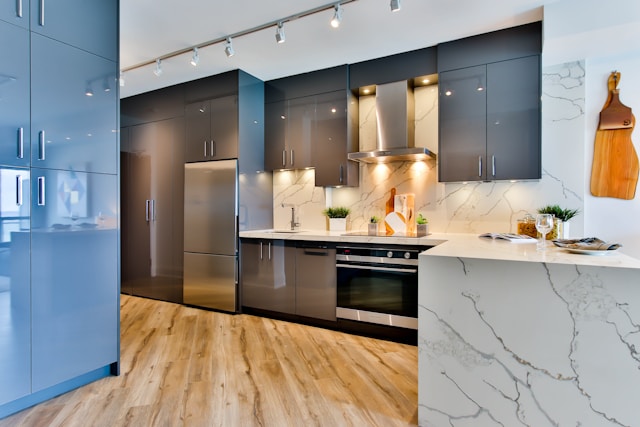
Category: Home Decor

  • Why You Need A Commercial Kitchen Exhaust

    Why You Need A Commercial Kitchen Exhaust

    Walk into any professional kitchen during dinner service, and you’ll notice something immediately: the air is surprisingly clear despite the sizzling pans, roaring ovens, and flames dancing across stovetops. That’s no accident. Behind the scenes, a commercial kitchen exhaust system is working overtime to keep the environment safe, clean, and compliant with health regulations.

    Whether you’re opening a new restaurant, upgrading an existing kitchen, or simply trying to understand why your current setup isn’t cutting it, understanding the importance of a proper exhaust system is essential. It’s not just about comfort or aesthetics—it’s about safety, legal compliance, and the long-term success of your food service operation.

    In this post, we’ll break down exactly why commercial kitchen exhaust systems are non-negotiable, what they do, and how to choose the right one for your needs.

    What Is a Commercial Kitchen Exhaust System?

    A commercial kitchen exhaust system, often called a ventilation hood or range hood, is designed to remove smoke, heat, grease, steam, and odors from the cooking area. It typically consists of several key components:

    • Hood canopy: The visible part that hangs over cooking equipment to capture airborne contaminants.
    • Exhaust fan: Pulls contaminated air out of the kitchen and expels it outside.
    • Ductwork: Channels the air from the hood to the exterior of the building.
    • Fire suppression system: Integrated safety feature that activates in case of a grease fire.
    • Grease filters: Trap grease particles before they enter the ductwork.

    Together, these components form a system that doesn’t just improve air quality—it protects your staff, your customers, and your investment.

    Health and Safety: Protecting Your Team and Customers

    Cooking at scale generates more than just delicious food. It also produces harmful byproducts like carbon monoxide, nitrogen dioxide, and volatile organic compounds (VOCs). Without proper ventilation, these pollutants accumulate quickly.

    Preventing respiratory issues

    Prolonged exposure to poor indoor air quality can lead to headaches, dizziness, respiratory irritation, and even chronic conditions. Kitchen staff who spend hours near stoves and grills are especially vulnerable. A well-functioning exhaust system continuously removes these contaminants, ensuring that your team can work safely and comfortably.

    Reducing fire hazards

    Grease is one of the most common causes of commercial kitchen fires. When grease-laden vapors aren’t properly vented, they settle on surfaces, ductwork, and equipment, creating a dangerous buildup. Over time, this residue becomes highly flammable. A quality exhaust system with effective grease filtration significantly reduces this risk by capturing grease before it can accumulate.

    Managing heat and humidity

    Commercial kitchens can get unbearably hot, especially during peak hours. Excessive heat not only makes working conditions uncomfortable but also increases the risk of heat-related illnesses like heat exhaustion or heat stroke. Commercial kitchen exhaust systems help regulate temperature by removing hot air and steam, creating a more manageable environment for your staff.

    Legal Compliance: Meeting Codes and Regulations

    Installing a commercial kitchen exhaust system isn’t optional—it’s required by law. Multiple regulatory bodies set strict standards for ventilation in food service establishments.

    Building and fire codes

    Most jurisdictions require commercial kitchens to comply with local building codes, which mandate proper ventilation to prevent fire hazards and ensure safe evacuation routes. The International Mechanical Code (IMC) and National Fire Protection Association (NFPA) standards, particularly NFPA 96, outline specific requirements for hood installation, duct construction, and fire suppression systems.

    Failing to meet these codes can result in failed inspections, fines, or even forced closure until violations are corrected.

    Health department requirements

    Health departments also enforce ventilation standards as part of food safety regulations. Inadequate ventilation can lead to contamination, poor air quality, and unsanitary conditions—all of which can result in citations or the revocation of your operating license.

    Insurance implications

    Many insurance policies require proof of a compliant exhaust system before coverage is granted. Without proper documentation, you may face higher premiums or denied claims in the event of a fire or other incident. Installing a certified system protects you financially and legally.

    Improving Kitchen Efficiency and Comfort

    Beyond safety and compliance, a commercial exhaust system plays a critical role in day-to-day operations.

    Enhanced air quality

    Clean air isn’t just healthier—it’s more productive. When kitchen staff aren’t battling smoke, steam, and overwhelming heat, they can focus on preparing food efficiently and accurately. Better air quality also reduces fatigue, which can improve morale and reduce turnover.

    Odor control

    Nobody wants the smell of last night’s fish fry lingering in the dining area the next morning. A powerful exhaust system captures cooking odors at the source, preventing them from spreading throughout your establishment. This is especially important for open-kitchen concepts where the cooking area is visible to diners.

    Equipment longevity

    Grease, moisture, and heat can take a toll on kitchen equipment over time. Excessive buildup can damage surfaces, clog ventilation systems, and reduce the lifespan of appliances. A properly maintained exhaust system minimizes wear and tear, helping you get the most out of your investment.

    Choosing the Right Exhaust System for Your Kitchen

    Not all exhaust systems are created equal. The right choice depends on several factors, including the type of cooking you do, the size of your kitchen, and your budget.

    Type I vs. Type II hoods

    Type I hoods are designed for grease-producing appliances like fryers, grills, and ranges. They include grease filters and are typically required for heavy-duty cooking operations.

    Type II hoods are used for non-grease-producing equipment such as dishwashers and steam tables. They focus on removing heat and steam rather than grease.

    Most commercial kitchens require a combination of both, depending on the equipment in use.

    Sizing and airflow

    The size and power of your exhaust system should match the volume and type of cooking you do. Undersized systems won’t effectively remove contaminants, while oversized systems can waste energy and create negative air pressure issues. Consulting with a professional ventilation engineer ensures your system is properly sized and balanced.

    Energy efficiency

    Modern exhaust systems come with energy-saving features like variable speed fans, demand-controlled ventilation, and heat recovery systems. While these options may have a higher upfront cost, they can significantly reduce utility bills over time.

    Maintenance requirements

    Regular cleaning and maintenance are essential for any exhaust system. Grease buildup in filters and ductwork not only poses a fire hazard but also reduces system efficiency. Look for systems with accessible filters and components that simplify routine maintenance.

    The Cost of Cutting Corners

    Skipping or skimping on a commercial kitchen exhaust system might seem like a way to save money upfront, but it’s a costly mistake in the long run.

    Fines and shutdowns

    Operating without a compliant exhaust system can result in hefty fines, failed inspections, and temporary or permanent closure. The cost of correcting violations after the fact often exceeds the price of proper installation from the start.

    Increased insurance premiums

    Insurance companies view non-compliant kitchens as high-risk. You may face higher premiums, limited coverage, or outright denial of claims if an incident occurs.

    Health risks and liability

    If poor ventilation leads to illness or injury among staff or customers, you could face lawsuits, workers’ compensation claims, and reputational damage. The financial and legal consequences can be devastating.

    Reduced property value

    A kitchen without proper ventilation is less attractive to potential buyers or tenants. If you ever decide to sell or lease your space, the lack of a compliant exhaust system can significantly lower its market value.

    Installation and Maintenance Best Practices

    Once you’ve chosen the right system, proper installation and ongoing maintenance are key to maximizing performance and longevity.

    Hire certified professionals

    Exhaust system installation is not a DIY project. Work with licensed contractors who specialize in commercial kitchen ventilation and are familiar with local codes and regulations. This ensures your system is installed correctly and passes inspection the first time.

    Schedule regular cleanings

    Grease buildup is inevitable, but it doesn’t have to be dangerous. Schedule professional hood and duct cleaning at least twice a year—or more frequently if you do high-volume frying or grilling. Many jurisdictions require documented proof of regular cleaning.

    Inspect fire suppression systems

    Your fire suppression system should be inspected and serviced at least twice a year by a qualified technician. This includes checking nozzles, pull stations, and control panels to ensure everything functions properly in an emergency.

    Monitor airflow and performance

    Pay attention to warning signs like excessive smoke, lingering odors, or visible grease buildup. These indicate that your system may need adjustment, cleaning, or repair. Addressing issues early prevents bigger problems down the line.

    Protecting Your Investment and Your Future

    A commercial kitchen exhaust system is more than a piece of equipment—it’s a critical component of your operation. It protects the health and safety of your staff and customers, ensures legal compliance, and supports the efficiency and profitability of your business.

    Investing in a high-quality, properly installed, and well-maintained exhaust system isn’t just smart—it’s essential. Whether you’re opening a new restaurant or upgrading an existing kitchen, make ventilation a top priority. The upfront cost is minimal compared to the risks and expenses of operating without one.

    If you’re ready to explore your options, consult with a commercial kitchen ventilation specialist to design a system tailored to your needs. Your team, your customers, and your bottom line will thank you.
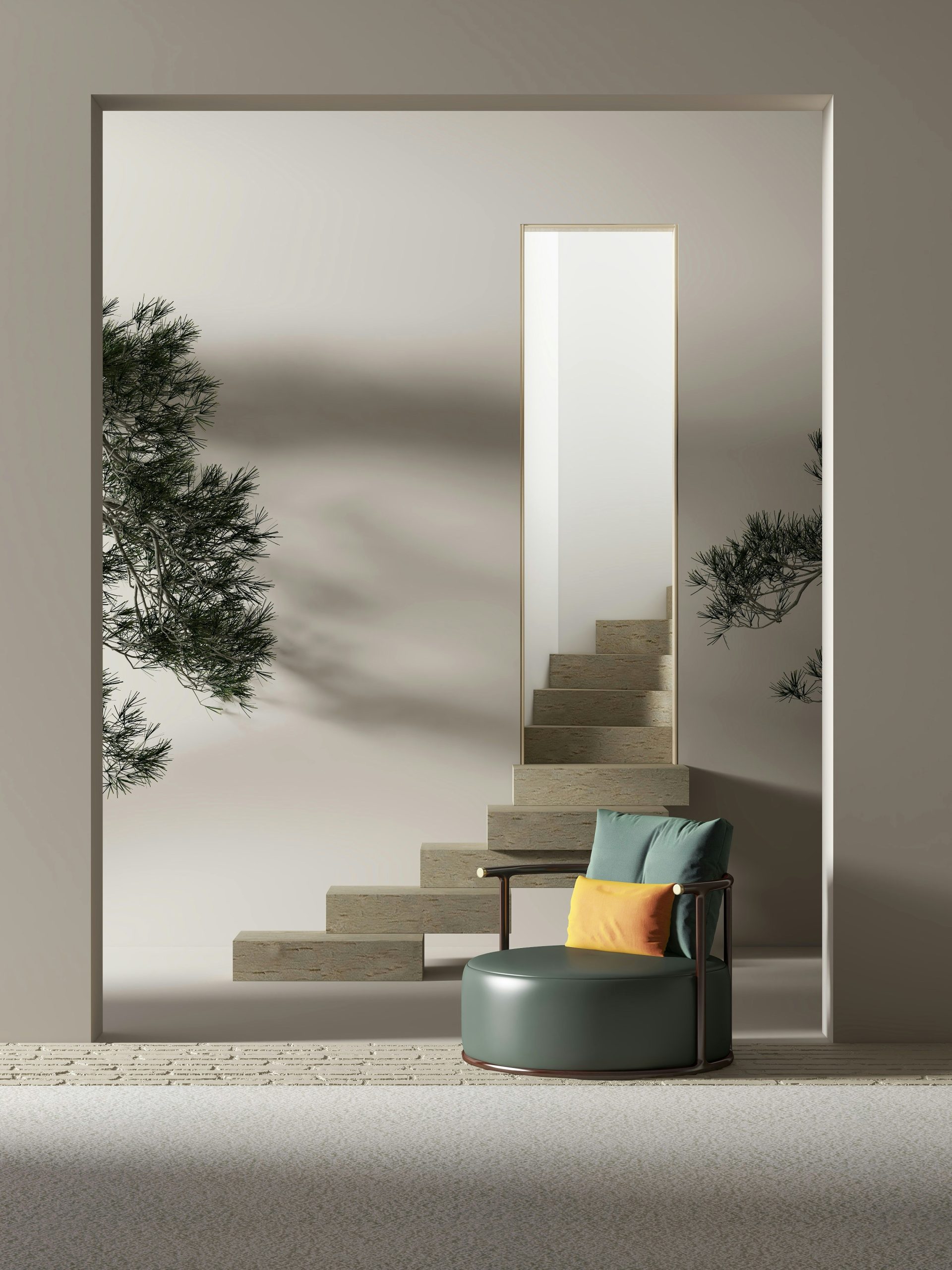
  • How to Personalize Your HDB Interior Design

    How to Personalize Your HDB Interior Design

    Housing Development Board (HDB) flats are the backbone of Singapore’s residential landscape, housing over 80% of the population. While these public housing units provide affordable and functional living spaces, many residents struggle with making their HDB flats feel uniquely theirs. The challenge lies in working within structural constraints, budget limitations, and standardized layouts while creating a space that reflects your personality and lifestyle.

    Personalizing your HDB interior design doesn’t require a complete overhaul or an unlimited budget. With thoughtful planning, creative solutions, and strategic design choices, you can transform your flat into a warm, inviting home that tells your story. This comprehensive guide will walk you through practical strategies, room-by-room tips, and budget-friendly solutions to help you create a personalized HDB interior that maximizes both style and functionality.

    Whether you’re a first-time HDB owner, planning a renovation, or simply looking to refresh your existing space, these insights will help you navigate the unique opportunities and challenges of HDB interior design while staying true to your personal aesthetic.

    Understanding HDB Layout Constraints and Opportunities

    Before diving into personalization strategies, it’s essential to understand the unique characteristics of HDB flats. Most HDB units feature open-concept living and dining areas, compact kitchens, and standardized room layouts. These constraints actually present opportunities for creative design solutions.

    The typical HDB flat’s open layout allows for flexible furniture arrangements and creative zoning. Instead of viewing walls as barriers, consider them as canvases for personal expression. The standardized dimensions mean you can find furniture specifically designed for HDB living, and the abundance of natural light in most units provides an excellent foundation for various design styles.

    Understanding your flat’s orientation is crucial for personalization. East-facing units receive morning sunlight, making them ideal for breakfast nooks and home offices. West-facing flats benefit from afternoon light, perfect for living areas where you’ll spend evening hours. North-facing units offer consistent, gentle lighting throughout the day, while south-facing flats receive the most intense sunlight.

    Choosing Your Personal Design Style

    The first step in personalizing your HDB interior design is identifying your design preferences. Your personal style should reflect how you live, work, and relax in your space. Consider your lifestyle habits: Do you entertain frequently? Do you work from home? Do you prefer minimalism or love collecting items?

    Scandinavian design remains popular in HDB flats due to its emphasis on functionality, light colors, and natural materials. This style works particularly well in smaller spaces, using white and light wood tones to create an airy, spacious feel. The clean lines and uncluttered aesthetic suit the practical nature of HDB living.

    Industrial design offers another compelling option, using raw materials like exposed brick, metal fixtures, and concrete elements. This style can add character to standardized HDB layouts, creating visual interest through texture and contrast. However, be mindful of balancing industrial elements with softer touches to maintain comfort.

    For those preferring warmer aesthetics, contemporary tropical design incorporates natural materials, earth tones, and botanical elements. This style celebrates Singapore’s tropical climate while creating a serene, resort-like atmosphere within your HDB flat.

    Modern minimalism focuses on clean lines, neutral colors, and functional furniture. This approach works exceptionally well in HDB flats by maximizing visual space and reducing clutter. The key is choosing high-quality pieces that serve multiple functions while maintaining aesthetic appeal.

    Color Psychology and Palette Selection

    Color plays a fundamental role in personalizing your HDB interior and influencing your daily mood. Understanding color psychology helps you create spaces that support your lifestyle and emotional well-being.

    Light colors reflect natural light, making HDB flats appear larger and more open. White, cream, and pale gray serve as excellent base colors, providing a neutral backdrop for personal touches. These colors also offer flexibility, allowing you to change accent colors seasonally or as your tastes evolve.

    Warm colors like soft yellows, peaches, and warm grays create cozy, inviting atmospheres. These work particularly well in living areas and bedrooms where you want to promote relaxation and comfort. However, use warm colors judiciously in west-facing rooms that already receive intense afternoon heat.

    Cool colors such as blues, greens, and lavenders promote tranquility and focus. These colors work excellently in bedrooms and study areas. Light blue can make small HDB bathrooms feel more spacious, while sage green brings a calming, natural element to any room.

    Bold accent colors inject personality without overwhelming small spaces. Consider using vibrant colors in easily changeable elements like cushions, artwork, or a single accent wall. This approach allows you to experiment with trends while maintaining a timeless base palette.

    Maximizing Natural Light and Creating Ambiance

    HDB flats typically feature generous windows that provide excellent natural light. Maximizing this asset is crucial for successful personalization. Avoid heavy window treatments that block light; instead, opt for sheer curtains, light-filtering blinds, or window films that provide privacy while maintaining brightness.

    Strategic mirror placement can amplify natural light and create the illusion of more space. Position mirrors opposite windows to reflect light deeper into your flat. Large mirrors in living areas and hallways can dramatically improve the sense of spaciousness in compact HDB layouts.

    Layered lighting creates ambiance and functionality throughout different times of day. Combine overhead lighting with task lighting and accent lighting to create a personalized atmosphere. Table lamps, floor lamps, and LED strip lighting can highlight specific areas and create intimate settings for different activities.

    Consider the direction your flat faces when planning lighting solutions. Morning-facing units might need warmer evening lighting, while afternoon-facing flats might benefit from cooler task lighting during hot afternoons.

    Personalizing Your Living Room

    The living room serves as the heart of most HDB flats, combining relaxation, entertainment, and often dining functions. Personalizing this space requires balancing multiple needs while maintaining a cohesive aesthetic.

    Start with a focal point that reflects your personality. This could be a statement wall with bold wallpaper, a gallery wall of personal photos and artwork, or a distinctive piece of furniture. The focal point should draw attention while complementing the overall design scheme.

    Furniture selection in HDB living rooms requires careful consideration of scale and function. Choose pieces that fit comfortably without overwhelming the space. Modular furniture offers flexibility, allowing you to reconfigure layouts for different occasions. Storage ottomans, nesting tables, and expandable dining tables provide functionality without sacrificing style.

    Textile choices significantly impact the personality of your living space. Mix textures through throw pillows, area rugs, and window treatments. Layer different materials like linen, cotton, and wool to create visual interest and tactile comfort. Choose patterns that reflect your style while considering the scale appropriate for your space size.

    Personal collections and meaningful objects make your living room uniquely yours. Display books, travel souvenirs, plants, or artwork in thoughtful arrangements. Use floating shelves, console tables, or built-in storage to showcase these items without creating clutter.

    Creating a Personalized Bedroom Sanctuary

    Your HDB bedroom should serve as a personal retreat that promotes rest and reflects your individual style. Since bedrooms are private spaces, you can be more adventurous with personal touches that might be too bold for common areas.

    Color selection in bedrooms significantly impacts sleep quality and mood. Calming colors like soft blues, gentle greens, or warm neutrals create a peaceful atmosphere. If you prefer darker colors, consider using them as accent walls behind the headboard rather than throughout the entire room.

    Storage solutions in HDB bedrooms require creativity due to space limitations. Under-bed storage, over-door organizers, and built-in wardrobes maximize storage without cluttering the visual space. Consider custom storage solutions that fit your specific needs and belongings.

    Personal touches in bedrooms can include meaningful artwork, family photos, or collections that bring you joy. However, maintain a balance between personality and tranquility. Too many visual elements can create restlessness rather than the peaceful atmosphere bedrooms should provide.

    Lighting in bedrooms should support both relaxation and function. Bedside reading lights, ambient ceiling fixtures, and perhaps accent lighting behind the headboard create a layered lighting scheme. Dimmer switches allow you to adjust lighting intensity based on activities and time of day.

    Kitchen Personalization Within HDB Constraints

    HDB kitchens often feature standardized layouts and limited space, but numerous opportunities exist for personalization within these constraints. Focus on elements you can control while working with existing structural features.

    Cabinet hardware offers an easy personalization opportunity. Updating handles and knobs can dramatically change your kitchen’s appearance without major renovation costs. Choose hardware that reflects your overall design style while ensuring functionality for daily use.

    Backsplash areas provide excellent opportunities for personal expression. Subway tiles, mosaic patterns, or even temporary peel-and-stick options can add color and personality to your HDB kitchen. Consider your maintenance preferences when selecting materials, especially in Singapore’s humid climate.

    Open shelving displays both functional items and decorative elements. Use attractive dishes, glassware, or small plants to add personality while maintaining easy access to frequently used items. However, be mindful of visual clutter and dust accumulation on open displays.

    Color coordination in small HDB kitchens helps create cohesive, personalized spaces. Coordinate small appliances, dish towels, and storage containers to reinforce your chosen color palette. These small details contribute significantly to the overall aesthetic impact.

    Bathroom Design and Personal Touches

    HDB bathrooms present unique challenges due to their compact size and functional requirements. However, several strategies can help you personalize these essential spaces effectively.

    Tile selection dramatically impacts bathroom aesthetics. If renovation is possible, choose tiles that reflect your personal style while considering maintenance requirements. Large format tiles can make small spaces appear larger, while mosaic tiles add texture and visual interest.

    Lighting improvements can transform HDB bathroom ambiance. Add vanity lighting, consider LED mirror options, or install ambient lighting to create a spa-like atmosphere. Proper lighting also improves functionality for daily grooming routines.

    Storage solutions in compact HDB bathrooms require creativity. Over-toilet storage, shower caddies, and medicine cabinet organizers maximize utility without overwhelming the space. Choose storage options that complement your design aesthetic while providing necessary functionality.

    Personal touches in bathrooms can include plants that thrive in humid conditions, attractive storage baskets, coordinated towels and bath accessories, or artwork suitable for bathroom environments. These elements add personality while maintaining the practical nature of the space.

    Budget-Friendly Personalization Strategies

    Personalizing your HDB interior doesn’t require extensive renovation budgets. Many impactful changes can be accomplished through strategic, affordable updates that reflect your personality.

    Paint represents one of the most cost-effective transformation tools. An accent wall, updated trim colors, or even painted furniture can dramatically change your space’s personality. Choose colors that complement existing elements while adding personal flair.

    Textile updates provide immediate impact at reasonable costs. New curtains, throw pillows, area rugs, or bedding can refresh entire rooms. Mix patterns and textures to create visual interest while staying within budget constraints.

    DIY projects allow for ultimate personalization while controlling costs. Consider creating custom artwork, refinishing furniture pieces, or building simple storage solutions. These projects add unique elements that can’t be purchased elsewhere.

    Rearranging existing furniture and accessories costs nothing but can dramatically change your space’s feel. Experiment with different layouts, create new vignettes with existing decorative objects, or repurpose items for different functions.

    Seasonal Updates and Flexibility

    One advantage of thoughtful personalization is the ability to refresh your HDB interior seasonally without major changes. This approach keeps your space feeling current while accommodating changing preferences.

    Rotate decorative accessories seasonally to maintain visual interest. Store off-season items and introduce fresh elements that reflect current seasons or holidays. This strategy prevents visual stagnation while maximizing your decorative investments.

    Flexible furniture arrangements allow you to adapt your space for different seasons or functions. Lightweight pieces can be easily moved to accommodate changing needs, entertaining requirements, or seasonal preferences.

    Plant selections can change seasonally, bringing natural elements that reflect different times of year. Choose plants appropriate for your HDB’s lighting conditions while considering seasonal availability and care requirements.

    Long-term Planning and Evolution

    Successful HDB personalization considers both immediate desires and long-term evolution. Your needs, preferences, and circumstances will change over time, so plan for adaptability.

    Investment pieces should be chosen carefully to provide lasting satisfaction and functionality. Quality furniture, classic color palettes, and timeless design elements provide stable foundations for evolving personal touches.

    Flexible systems allow your personalization to grow and change. Modular furniture, adjustable storage solutions, and neutral base colors provide frameworks that accommodate changing preferences without complete overhauls.

    Document your design journey through photos and notes. This helps you understand what works in your space and what doesn’t, informing future decisions and preventing repeated mistakes.

    Creating Your Unique HDB Haven

    Personalizing your HDB interior design is a journey of self-expression within practical constraints. Success lies in understanding your space’s unique characteristics, identifying your personal style, and implementing changes that reflect your lifestyle and preferences.

    Remember that personalization is an ongoing process rather than a destination. Start with small changes that have significant impact, then gradually build upon these foundations as your confidence and budget allow. Focus on elements that bring you daily joy and improve your quality of life within your HDB flat.

    The most successful HDB personalizations balance individual expression with practical living requirements. Your flat should function beautifully for your daily routines while reflecting your personality and creating the emotional atmosphere you desire.

    Take time to live in your space and understand how you naturally use different areas before making major changes. This understanding will guide your personalization decisions and help you create a truly functional, beautiful home that serves your unique needs while celebrating your individual style within the distinctive context of HDB living.

  • How to Plan Your Modern Choa Chu Kang HDB Interior Design

    How to Plan Your Modern Choa Chu Kang HDB Interior Design

    Choa Chu Kang has evolved from a quiet suburban town into one of Singapore’s most sought-after residential areas. With its blend of established neighborhoods and new developments, homeowners here are increasingly looking to create modern, functional living spaces that reflect contemporary lifestyle needs while maximizing every square foot of their HDB flats.

    Planning a modern interior design for your Choa Chu Kang HDB requires careful consideration of space constraints, natural lighting, and storage solutions. The key lies in understanding how to balance aesthetics with functionality, creating a home that feels both stylish and livable for years to come.

    This comprehensive guide will walk you through the essential steps to transform your HDB flat into a modern sanctuary that suits your lifestyle and budget.

    Understanding Your Choa Chu Kang HDB Layout

    Before diving into design concepts, assess your flat’s unique characteristics. Most Choa Chu Kang HDB flats feature practical layouts with distinct living, dining, and bedroom areas. Take note of natural light sources, ceiling height, and any structural elements you cannot modify.

    Measure each room carefully and identify potential problem areas such as narrow corridors or awkwardly shaped spaces. These measurements will guide your furniture selection and help you avoid costly mistakes during the renovation process.

    Consider your flat’s orientation as well. Units facing east receive abundant morning light, while west-facing flats tend to be warmer in the afternoons. This knowledge will influence your color choices and window treatment decisions.

    Choosing Your Modern Design Style

    Modern interior design encompasses several sub-styles, each offering different approaches to contemporary living. Scandinavian minimalism emphasizes clean lines, neutral colors, and natural materials. This style works particularly well in smaller HDB flats as it creates an illusion of spaciousness.

    Industrial modern combines raw materials like exposed brick and metal fixtures with sleek furniture pieces. This approach can add character to standard HDB layouts while maintaining a contemporary feel.

    Contemporary Asian style blends modern functionality with subtle cultural elements. This might include incorporating natural wood tones, clean geometric patterns, or feng shui principles into your design scheme.

    Maximizing Space Through Smart Layout Planning

    Open-concept living has become increasingly popular in modern HDB design. Consider removing non-structural walls between your living and dining areas to create a more spacious feel. However, always consult with a qualified contractor to ensure any wall modifications comply with HDB regulations.

    Create distinct zones within open spaces using furniture placement, area rugs, or subtle lighting changes. A strategically placed sofa can separate your living area from the dining space without requiring physical barriers.

    Built-in storage solutions are essential in modern HDB design. Custom wardrobes that extend to the ceiling, under-stair storage compartments, and multi-functional furniture pieces help maintain clean lines while providing necessary storage space.

    Color Schemes That Work in HDB Flats

    Light, neutral color palettes remain the foundation of modern interior design. Whites, light grays, and warm beiges reflect natural light and make spaces appear larger. These colors also provide a timeless backdrop that won’t look dated in five years.

    Add personality through accent colors used sparingly throughout your home. A feature wall in deep blue or forest green can create visual interest without overwhelming the space. Alternatively, introduce color through artwork, cushions, or decorative accessories that can be easily changed over time.

    Consider the psychological impact of colors when planning each room. Soft blues and greens promote relaxation in bedrooms, while warmer tones like terracotta or mustard yellow can make living areas feel more inviting.

    Lighting Design for Modern HDB Interiors

    Layered lighting is crucial in modern interior design. Combine ambient lighting (general room illumination), task lighting (focused light for specific activities), and accent lighting (decorative or highlighting elements) to create a well-balanced scheme.

    Replace basic ceiling fixtures with contemporary pendant lights or track lighting systems. These options provide better light distribution while serving as design elements themselves.

    Maximize natural light by choosing sheer curtains or blinds that can be fully opened during the day. Consider installing mirrors strategically to reflect light throughout your home and create the illusion of additional space.

    Furniture Selection and Placement

    Choose furniture with clean lines and multi-functional capabilities. Ottoman storage seats, extendable dining tables, and modular sofa systems adapt to different needs while maintaining a cohesive modern aesthetic.

    Scale is critical in HDB flats. Oversized furniture can make rooms feel cramped, while pieces that are too small may look lost in the space. Aim for furniture that fits comfortably with adequate walking space around each piece.

    Consider the visual weight of furniture pieces. Glass or acrylic elements appear lighter and less intrusive than solid wood or metal alternatives. This technique helps maintain an open, airy feeling throughout your home.

    Storage Solutions That Don’t Compromise Style

    Modern storage solutions should be both functional and visually appealing. Floor-to-ceiling built-ins provide maximum storage capacity while creating clean, uninterrupted lines along walls.

    Hidden storage compartments in unexpected places can help maintain your modern aesthetic. Consider storage benches in hallways, hollow coffee tables, or beds with built-in drawers underneath.

    Open shelving can display decorative items while providing storage, but requires careful curation to avoid looking cluttered. Limit the number of items displayed and group them by color or material for the most polished appearance.

    Technology Integration in Modern HDB Design

    Smart home technology fits naturally with modern interior design principles. Concealed wiring, built-in speakers, and automated lighting systems enhance functionality without disrupting clean visual lines.

    Plan for adequate electrical outlets and cable management from the beginning of your renovation. Nothing detracts from a modern aesthetic quite like visible cables and extension cords running across walls and floors.

    Consider how technology will be used in each space. Entertainment areas need different considerations than home office spaces or bedrooms where technology should be more subtle and unobtrusive.

    Working Within Your Budget

    Modern interior design doesn’t require expensive designer furniture or complete renovations. Focus your Choa Chu Kang HDB interior design budget on key impact areas such as flooring, paint, and lighting, which provide the biggest visual transformation.

    Invest in quality pieces for items you use daily, such as your mattress, dining table, or sofa. These foundational elements should be both comfortable and durable, justifying a higher initial investment.

    Save money by mixing high and low-end pieces thoughtfully. A expensive statement light fixture can elevate affordable furniture, while designer accessories can add sophistication to budget-friendly basics.

    Bringing Your Modern Choa Chu Kang HDB to Life

    Planning your modern Choa Chu Kang HDB interior design is an exciting journey that transforms your living space into a reflection of contemporary lifestyle and personal taste. Start with a clear vision of your desired outcome, then work systematically through each element from layout planning to final accessories.

    Remember that good design is a process, not a destination. Your home will evolve over time as your needs change and new design trends emerge. Focus on creating a solid foundation with quality basics that can be updated with smaller changes as desired.

    Take time to research local contractors, furniture suppliers, and design professionals who understand HDB requirements and can help bring your vision to life within your timeline and budget constraints.

  • How to Troubleshoot Your HVAC System

    How to Troubleshoot Your HVAC System

    A malfunctioning HVAC system can throw your whole day off. Whether it’s a sizzling summer day or a chilly winter evening, your heating, ventilation, and air conditioning system is crucial to keeping your home comfortable. When something goes wrong, you don’t always need to call a professional right away. Sometimes, a little troubleshooting can save the day (and your wallet).

    In this guide, you’ll learn how to identify common HVAC issues, the steps you can take to fix them, and when it’s time to call in professional help. Grab your toolbox and let’s get started!


    Why Troubleshooting Your HVAC System is Important

    Before we get into the specifics, it’s important to understand why troubleshooting is a valuable skill for homeowners.

    • Save Money: Not every problem requires a service call, and troubleshooting can help you resolve minor issues yourself.
    • Prevent Bigger Problems: Catching issues early can prevent costly repairs or system replacement down the line.
    • Maintain Comfort: A properly functioning HVAC system ensures your home remains the perfect temperature year-round.

    Now that we know why this is important, let’s look at some steps to troubleshoot your HVAC system effectively.


    Common HVAC Problems and How to Fix Them

    1. Your HVAC Isn’t Turning On

    It’s frustrating when your HVAC system won’t start. Luckily, this is often one of the easier issues to diagnose.

    Steps to troubleshoot this issue:

    • Check the Thermostat: Is your thermostat set properly? Ensure it’s on the correct mode (heating or cooling) and set to the desired temperature.
    • Replace Batteries: If your thermostat uses batteries, they might be dead. Replacing them could solve the problem.
    • Inspect the Circuit Breaker: A tripped circuit breaker might be to blame. Reset the breaker for your HVAC system and see if that fixes the issue.
    • Look at the Power Supply: Ensure your system is plugged in and receiving power.

    If none of these steps work, it might be time to call an HVAC technician.

    2. The System is Blowing Warm Air Instead of Cool

    When your air conditioning starts blowing warm air on a hot day, it’s time to investigate.

    Steps to troubleshoot this issue:

    • Check the Thermostat Settings: Make sure the thermostat is set to “cool” and hasn’t been accidentally adjusted.
    • Clean or Replace the Air Filter: A clogged filter can restrict airflow and make your AC less efficient. Replace it if it’s dirty.
    • Inspect the Outdoor Unit: The condenser unit might be obstructed by dirt, leaves, or debris. Turn off the system and clean the area around the unit.

    Warm air could also point to more serious issues, like a refrigerant leak or compressor problem, which require professional attention.

    3. Uneven Heating or Cooling in Different Rooms

    Uneven temperatures can be one of the trickiest HVAC problems to resolve.

    Steps to troubleshoot this issue:

    • Check Vent Placement: Ensure vents in each room are fully open and not obstructed by furniture.
    • Look for Air Leaks: Drafty windows or poorly insulated areas could affect temperature consistency.
    • Inspect the Ductwork: Air leaks in ductwork can cause uneven airflow. You may need to seal or repair the ducts.

    You may also need to consider zoning systems or ductless mini-splits for greater control over room-by-room temperature.

    4. The HVAC System is Making Strange Noises

    Rattling, squealing, or banging noises coming from your HVAC system are never a good sign.

    Steps to troubleshoot this issue:

    • Check for Loose Components: Screws, belts, or panels might have become loose. Tighten them if needed.
    • Inspect the Fan: Blades could be bent or debris could be caught inside the fan, leading to unusual noises.
    • Listen for Motor Issues: Grinding or squealing may indicate a motor or belt issue that requires lubrication or replacement.

    If the noise persists after these checks, consult a professional before further damage occurs.

    5. Your Energy Bills Are Suddenly Skyrocketing

    Unusually high energy bills could indicate an inefficiency in your HVAC system.

    Steps to troubleshoot this issue:

    • Change the Air Filter: Dirty filters force your system to work harder, consuming more energy.
    • Inspect the Ducts: Leaks or gaps in ductwork can waste conditioned air, increasing costs.
    • Check the Age of Your System: Older units are less efficient. If your system is over 10-15 years old, it might be time for an upgrade.

    Keeping your HVAC system properly maintained is the best way to keep energy bills in check.

    6. Unpleasant Odors Coming from the System

    Noticing a musty, burnt, or sulfur-like smell? This could indicate several underlying issues.

    Steps to troubleshoot this issue:

    • Replace the Air Filter: Musty odors could be from mold or mildew growing on an old, damp filter.
    • Inspect the Drain Pan: A clogged drain pan might also lead to unpleasant odors. Clear it out and check for mold.
    • Burning Smell: Shut off your HVAC system immediately if you smell something burning. It could be an electrical issue needing urgent repair.

    Don’t ignore odors; they can be a sign of a serious underlying problem.


    When to Call the Professionals

    While DIY troubleshooting can resolve many HVAC issues, some problems require professional expertise. Call an HVAC technician if:

    • Your system won’t turn on after completing the troubleshooting steps listed above.
    • There are refrigerant leaks or other issues with the outdoor unit.
    • The system frequently short cycles (turns on and off repeatedly).
    • You detect burning smells or electrical issues.

    Regular maintenance visits and tune-ups can also prevent most issues from occurring in the first place.


    Proactive Tips for Keeping Your HVAC in Top Shape

    To avoid future problems, be proactive about maintaining your HVAC system. Here’s how to extend its lifespan and keep it running smoothly year-round.

    • Schedule annual maintenance visits from a licensed HVAC professional.
    • Replace air filters every 1-3 months or according to the manufacturer’s recommendations.
    • Keep the outdoor unit clean and clear of debris.
    • Use a programmable or smart thermostat to optimize energy efficiency.

    These small efforts can save you from costly repairs down the road.


    Keep Your Home Comfortable and Your System Running Smoothly

    Your HVAC system is a key part of your home’s comfort and efficiency. Knowing how to troubleshoot common issues not only saves time and money but also keeps your family comfortable year-round.

    However, some repairs are best left to the pros. When in doubt, don’t hesitate to reach out to an HVAC technician at Pawleck to ensure the job is done safely and accurately.

    Maintaining your HVAC system may not be the most glamorous task, but it’s one of the most rewarding. You’ll enjoy lower energy bills, a longer-lasting system, and peace of mind knowing that your home is always at the perfect temperature.

    Happy troubleshooting!


  • How Does An Kitchen Exhaust Singapore Work?

    How Does An Kitchen Exhaust Singapore Work?

    If you’ve spent any time cooking in a busy kitchen, you know how quickly the space can heat up and fill with smoke, steam, or lingering food smells. This is where the humble kitchen exhaust system comes in. A staple in modern kitchens, particularly in Singapore’s dense urban households and bustling restaurants, these systems are essential for maintaining air quality and keeping your kitchen environment safe and comfortable. But how exactly do they work? And what makes them so critical in Singapore’s unique setting?

    This guide will break down everything you need to know about kitchen exhaust systems, from their components and functioning to the benefits they offer. Whether you’re setting up a new kitchen or simply curious about how these systems operate, you’ll leave this article with all the information you need.

    What Is a Kitchen Exhaust System?

    A kitchen exhaust system, also commonly called a range hood or ventilator, is an essential piece of equipment designed to remove airborne grease, smoke, odors, heat, and steam from your kitchen. Equipped with fans, filters, and ducting, it acts as your kitchen’s lungs, ensuring that the air remains fresh and breathable.

    Singapore’s climate adds a layer of complexity. Coupled with often compact kitchen spaces in HDBs or condominiums, the tropical humidity means cooking without proper ventilation can make things unbearably uncomfortable. The exhaust system mitigates these issues by effectively circulating and purifying the air.

    Components of a Kitchen Exhaust System

    To understand how a kitchen exhaust Singapore works, it helps to know its basic components. Here’s a closer look:

    1. Hood

    The hood is the part you see above your stovetop. It’s designed to capture smoke, heat, and airborne particles at their source, funneling them into the system before they spread across your kitchen.

    1. Filter

    The filter is crucial for trapping grease and debris before the air moves through the exhaust system. There are generally two types:

        • Grease Filters (used in commercial exhaust systems): Specialized for cooking that generates lots of grease.
        • Carbon Filters (common in ductless systems): These extract odors and are great for smaller kitchens.
    1. Fan/Blower

    The heart of the exhaust system. This motorized fan pushes polluted air out of the kitchen and draws in clean air, maintaining circulation.

    1. Ductwork (in ducted systems)

    Ducts channel contaminated air out of the building. Alternatively, ductless systems recirculate filtered air back into the kitchen.

    1. Exhaust Outlet or Vent

    The endpoint of ducted systems through which the polluted air exits into the outdoors.

    How Does a Kitchen Exhaust System Work?

    The operation of a kitchen exhaust seems straightforward, but its components are engineered to work seamlessly together. Here’s a step-by-step look at how it functions:

    1. Capturing Airborne Particles

    When you cook, smoke, steam, grease, and odors rise from the stovetop. These particles are immediately captured by the hood as they ascend, preventing them from dispersing into the room.

    1. Filtering Contaminants

    Air drawn into the system first passes through the filters. For ducted systems, grease filters trap oily particles, while ductless models use carbon filters to neutralize odors and impurities.

    1. Air Circulation

    The fan or blower swiftly moves the captured air into the ductwork (in ducted systems) or recirculates it back into the room after filtration (in ductless systems).

    1. Air Removal or Recirculation
        • For ducted systems: Polluted air is expelled outdoors through the ducting and vent.
        • For ductless systems: Cleaned air is reintroduced into the kitchen after passing through filters.
    1. Maintaining Airflow

    Throughout the cycle, the fan creates constant airflow, ensuring that your kitchen stays ventilated no matter how intense the cooking session gets.

    Why Are Kitchen Exhaust Systems Important in Singapore?

    Singapore’s kitchen environments present unique challenges that make an exhaust system especially important. Here’s why:

    1. Compact Apartments and Limited Kitchen Space

    With a large portion of the population living in HDBs and apartments, kitchen spaces are often compact. Without proper ventilation, smoke and odors can easily permeate the entire living area.

    2. Tropical Weather and Humidity

    Singapore’s humid climate can make a smoky or poorly ventilated kitchen feel unbearable. Exhaust systems help to regulate heat and prevent grease and odors from settling on surfaces.

    3. Cooking Style

    Much of Singapore’s cuisine involves stir-frying and deep-frying, both of which produce significant grease and smoke. Without a robust exhaust system, this can quickly lead to grease buildup and poor air quality.

    4. Workplace Safety in Restaurants

    For commercial kitchens, safety is paramount. Industrial kitchen exhaust systems mitigate fire risks by controlling grease and heat while ensuring compliance with Singapore’s workplace safety regulations.

    Choosing the Right Kitchen Exhaust System

    Not all exhaust systems are created equal, and choosing one depends on several factors:

    1. Ducted vs. Ductless Systems

        • Ducted Systems are ideal for larger spaces and heavy cooking. They provide better performance by expelling air outdoors.
        • Ductless Systems are a more affordable choice for smaller kitchens. They’re easier to install since they don’t require ductwork.

    2. Power and Size

    For Singapore households, ensure your exhaust system is the right size for your stovetop. A general rule of thumb is that the hood should cover the cooking area perfectly. Adequate fan power (measured in cubic feet per minute or CFM) ensures efficient air removal.

    3. Maintenance Requirements

    Singapore’s high humidity accelerates grease buildup, so it’s essential to prioritize easy-to-clean systems or regularly maintain the filters.

    4. Noise Levels

    A quieter exhaust system is particularly suitable for open-concept kitchens, so conversations or TV time in adjoining spaces aren’t disrupted.

    Tips for Maintaining Your Kitchen Exhaust System

    To keep your exhaust system functioning effectively, regular maintenance is key:

    • Clean Filters Regularly

    Wash or replace grease filters every one to three months, depending on usage. Clean carbon filters every six months.

    • Check Ductwork (for Ducted Systems)

    Ensure ductwork remains clean and unobstructed to maintain optimal airflow.

    • Remove Grease Buildup on Fans and Hoods

    Grease buildup can reduce efficiency and increase fire risk. Regularly scrub the hood and fan blades with soapy water.

    • Schedule Professional Servicing

    For heavy-use kitchens, professional servicing ensures your system continues delivering peak performance.

    Make Breathing Easy with a Well-Functioning System

    A kitchen exhaust system is much more than a luxury; it’s a necessity for both practical and health reasons, especially in Singapore. By ensuring proper ventilation, these systems maintain air quality, regulate heat, and make cooking an enjoyable experience.

    If you’re setting up a new kitchen or looking to upgrade, investing in the right kitchen exhaust can revolutionize your cooking environment while improving its safety and comfort.

    Take the First Step

    Whether you’re a home cook or a restaurant owner, choosing the right exhaust system is vital. Consult with ventilation experts at Pawleck to find the perfect solution tailored to your specific needs.

  • What You Need to Know About Your HVAC System in Singapore

    What You Need to Know About Your HVAC System in Singapore

    Maintaining optimal comfort indoors while dealing with Singapore’s hot, humid climate is no small feat. Your HVAC (Heating, Ventilation, and Air Conditioning) system plays a critical role in keeping temperatures manageable and air quality high in such a tropical environment. But how much do you really know about your HVAC system Singapore, and how can you ensure it works at its best in Singapore’s unique climate?

    This guide will break down the essentials of HVAC systems. From understanding how they work to tips on maintenance and choosing the right system for your needs, this blog provides actionable insights that every homeowner or business in Singapore should know.

    What Is an HVAC System?

    An HVAC system is a technology used to control indoor air temperature, humidity, and cleanliness. It’s comprised of three main components:

    • Heating: Primarily relevant in colder climates, heating is less applicable in Singapore. However, certain heating functions (such as dehumidifiers) may be included to reduce excess moisture in the air.
    • Ventilation: Ensures proper air circulation by exchanging stale air with fresh air, improving hygiene and comfort.
    • Air Conditioning: The most essential component for Singapore, this regulates temperature and lowers humidity to create a comfortable environment.

    Whether at home or in a commercial setting, your HVAC system works year-round to provide a clean, cool, and safe living or working space.

    The Role of HVAC Systems in Tropical Climates

    Singapore’s sweltering temperatures average around 30-34°C (86-93°F) throughout the year, accompanied by high humidity levels. This combination makes HVAC systems indispensable. Here’s why:

    • Cooling: With air conditioning being the centerpiece of HVAC systems in Singapore, it ensures buildings remain cool and livable during the hottest days.
    • Humidity Control: Excess humidity can lead to problems like mold, mildew, and respiratory issues. Properly functioning HVAC systems help maintain indoor humidity levels at about 40-60%, ensuring comfort and good health.
    • Air Purification: Given the rapid urban pace of Singapore, your HVAC system can filter out dust, allergens, and pollutants, providing cleaner air indoors.

    Common Types of HVAC Systems in Singapore

    Depending on your living or working conditions, there are several types of HVAC systems to consider. Here are the most common options you’ll find in Singapore:

    1. Split Air Conditioning Systems

    This is the most common type of air conditioning for homes. It consists of separate indoor (blower) and outdoor (compressor) units. These systems are highly efficient for cooling individual rooms while maintaining a quieter operation.

    • Who it’s for: Homeowners with smaller spaces or those looking to cool specific rooms.

    2. Multi-Split Systems

    These systems allow multiple indoor units to be connected to a single outdoor compressor. They reduce clutter, ensure consistent cooling, and are energy-efficient.

    • Who it’s for: Larger homes or small offices with multiple rooms requiring cooling.

    3. Central Air Conditioning

    A centralized system distributes cool air throughout multiple rooms from one central cooling unit. It’s often used in commercial buildings, hotels, and large residences.

    • Who it’s for: Large-scale setups where centralized cooling is ideal.

    4. Portable Air Conditioners

    These units are mobile and can be moved from room to room. While convenient, they are less powerful and energy-efficient than larger systems.

    • Who it’s for: Temporary cooling solutions or renters.

    5. VRV/VRF Systems

    Variable Refrigerant Volume/Flow (VRV/VRF) systems adjust their cooling power based on demand. They are energy-efficient and designed for flexibility in large spaces.

    • Who it’s for: Offices, retail spaces, or luxury homes.

    How to Maintain Your HVAC System in Singapore

    With constant use due to Singapore’s climate, regular maintenance of your HVAC system is crucial. Neglecting it could reduce efficiency, increase energy consumption, and even shorten the lifespan of your equipment. Here are some essential maintenance practices:

    1. Schedule Regular Servicing

    Have your HVAC system professionally serviced at least once every three months. A servicing schedule can:

    • Ensure optimal performance.
    • Identify potential problems early.
    • Extend the system’s lifespan.

    2. Clean/Replace Filters Frequently

    Dirty filters impede airflow and force your system to work harder. For Singapore’s dusty urban environment, clean reusable filters monthly or replace disposable filters every three months.

    3. Check and Clean the Condenser Coils

    Outdoor condenser coils can collect dirt and debris, reducing cooling efficiency. Ensure coils are cleaned to avoid performance issues.

    4. Monitor Refrigerant Levels

    Low refrigerant can affect cooling performance and energy efficiency. If you notice reduced cooling efficiency, it may be time to top up the refrigerant.

    5. Keep the Area Around the Outdoor Unit Clear

    Ensure the area surrounding the outdoor compressor is free of leaves, debris, and obstacles. This improves airflow and prevents overheating.

    6. Use Energy-Efficient Settings

    Singapore’s climate often leads to overuse of air conditioning. Opt for energy-saving modes and set your thermostat at a comfortable but efficient temperature (around 25°C is optimal).

    Benefits of a Well-Maintained HVAC System

    Investing in HVAC maintenance offers numerous rewards:

    • Energy Savings: Efficient systems use less energy and reduce electricity bills.
    • Improved Air Quality: Clean systems mean healthier indoor air with fewer allergens.
    • Longer Lifespan: Regular servicing can extend the life of your HVAC system by years.
    • Reduced Breakdowns: Proactive care prevents costly repairs and unexpected breakdowns.

    Professional Installation and Maintenance Services in Singapore

    The tropical climate warrants choosing the right provider for installation and servicing. When selecting an HVAC service company, look out for:

    • Experience and Expertise: Choose professionals with proven expertise in dealing with HVAC systems tailored to Singapore’s climate.
    • Transparent Pricing: Ensure there are no hidden costs in service packages.
    • Emergency Support: Reliable providers offer 24/7 emergency services to address urgent issues.
    • Eco-Friendly Options: Look for services that promote energy-efficient and sustainable solutions.

    Is Your HVAC System Running at Its Best?

    Singaporeans rely on HVAC systems to thrive comfortably in a consistently warm climate. Whether it’s for cooling a home or managing air quality in a bustling office, understanding your system and keeping it well-maintained is key to ensuring optimal performance. Regular maintenance, paired with the right system selection, can enhance comfort, lower energy costs, and improve overall health.

    For tailored advice on selecting, installing, or maintaining your HVAC system in Singapore, don’t hesitate to consult with professional service providers such as Pawleck. Your comfort and efficiency depend on it!

  • Is A Door Lock in Singapore Secure?

    Is A Door Lock in Singapore Secure?

    In a world where self-driving cars and robots are revolutionizing daily life, it’s easy to forget about the humble door lock. Yet for many Singaporeans, these locks are the very thing standing between them and significant personal loss. If you live in Singapore and have wondered about the efficacy of your door lock in keeping your home secure, you’re not alone.

    This article will take you through the ins and outs of door lock security in Singapore. We’ll explore various types of locks, their strengths and weaknesses, and what you should know to keep your home safe. Whether you’re upgrading from an old lock or setting up security in a new home, by the end of this article, you’ll have a clearer idea of what best suits your needs.

    Understanding the Importance of a Good Lock

    Locks serve a crucial role in safeguarding our homes and personal belongings. In a bustling city like Singapore, the threat of burglary is a real concern. A good lock acts as a physical barrier against unauthorized entry, providing peace of mind to homeowners. Beyond physical security, locks also act as a psychological deterrent. A robust locking system signals to potential intruders that breaking in will take considerable effort and time, which most are unwilling to risk.

    The effectiveness of a lock can sometimes be the deciding factor in whether a criminal chooses your house as a target. Studies have shown that homes with visible security measures, including high-quality locks, experience lower burglary rates. Thus, understanding the kind of lock that best fits your needs becomes paramount.

    Lastly, investing in a good lock doesn’t just offer security; it also adds to the overall value of your home. Prospective buyers and tenants are more likely to consider properties with reliable security features. Hence, the importance of selecting the right lock cannot be overstated.

    Types of Door Locks Available in Singapore

    You have a variety of door lock Singapore to choose from, each offering unique features and levels of security. Traditional deadbolts remain a popular choice. They are affordable, straightforward, and provide a basic level of security against forced entry. However, their one-dimensional locking mechanism can be a vulnerability if not paired with other security measures.

    Next, we have the digital locks, which are becoming increasingly popular. These locks offer convenience and advanced security features such as biometric access, password protection, and even smartphone connectivity. They are ideal for tech-savvy homeowners who value ease of use and want to avoid fumbling with keys.

    Finally, there’s the multi-point lock system that secures the door at multiple points. This type of lock offers superior security compared to conventional locks. It is often recommended for those who want extra peace of mind. However, the installation and cost can be more complicated.

    The Role of Technology in Modern Locks

    Technology has radically transformed the landscape of door locks, making them more secure and user-friendly. Smart locks, for example, allow homeowners to manage access remotely through smartphone apps. This feature is particularly useful for individuals who frequently travel or have guests visiting when they are away.

    Biometric locks are another innovation, offering enhanced security by using unique identifiers like fingerprints or retinal scans. While these high-tech locks are on the pricier side, they provide unparalleled protection since only authorized individuals can gain entry.

    Additionally, many modern locks now come equipped with alarms that activate when unauthorized tampering is detected. This added layer of security serves as a deterrent to potential intruders. By integrating these technologies, modern locks offer not just physical protection but a comprehensive security solution.

    Evaluating the Security Features of Your Lock

    When evaluating the security features of your lock, pay attention to several key aspects. Check if the lock is resistant to common break-in methods such as bumping, picking, and drilling. Many manufacturers now offer locks specifically designed to resist these techniques.

    You should also consider the material of the lock. Locks made from materials like hardened steel or brass offer better resistance against forced entry. Assess the complexity of the locking mechanism as well—more complex systems usually offer better security.

    Finally, look for third-party certifications that validate the lock’s security claims. Certifications from reputable organizations give you peace of mind, knowing that your lock meets established security standards.

    Common Vulnerabilities in Door Locks

    Despite their crucial role, door locks have vulnerabilities that may compromise their effectiveness. A common issue is lock bumping, a technique where a special key is used to align the pins and unlock the door. Unfortunately, traditional locks are particularly susceptible to this method.

    Another vulnerability lies in the strength of the lock materials. Low-quality locks made from inferior materials can easily be broken or snapped open. Even the design of the lock can pose a vulnerability; poorly designed locks may have gaps or weak points that intruders can exploit.

    Lastly, neglecting to change or upgrade locks after moving into a new home presents an overlooked vulnerability. Previous occupants or contractors might still have keys, making your home susceptible to unauthorized access. It’s always wise to replace locks upon moving in.

    The Impact of Location on Lock Security

    The location of your home can significantly influence the type of lock you should install. For instance, homes in densely populated urban areas may require more sophisticated locking mechanisms due to higher burglary risks. Conversely, homes in gated communities may have less need for high-security locks but should not ignore basic security needs.

    Location also affects environmental factors. Coastal areas with high humidity may cause specific lock types to corrode faster, making them less effective over time. The same goes for areas prone to severe weather conditions which can negatively impact lock mechanisms.

    Understanding these factors can help you make an informed decision about which type of lock is best suited for your home. Tailoring your lock choice to your specific location can significantly enhance your overall security strategy.

    How to Choose the Right Lock for Your Needs

    Choosing the right lock involves assessing your specific security needs and preferences. Start by evaluating your budget. While high-end locks offer advanced features, they may not be necessary for everyone. Consider the level of security you desire and weigh it against the cost of the lock.

    Think about ease of use as well. If you’re often in a hurry, digital or smart locks might offer the convenience you need. On the other hand, if you prefer traditional methods, a well-built deadbolt might suffice.

    Lastly, consider any additional features you might want, such as integration with a home security system or remote access capabilities. These added features can enhance your overall home security and offer peace of mind.

    The Cost of Door Locks in Singapore

    The cost of door locks in Singapore varies widely depending on the type and features you are looking for. Traditional deadbolts can range from SGD 20 to SGD 100, making them an affordable option for basic security needs. However, keep in mind that cheaper locks may not offer the durability and protection you require.

    Digital locks often start at SGD 200 and can go upwards of SGD 600. The cost usually reflects the complexity and features of the lock, such as biometric access or smartphone integration. While pricier, these locks offer added convenience and security features.

    High-end multi-point locking systems can cost even more, often starting around SGD 300 and reaching upwards of SGD 1,000. These systems are an investment in security and are recommended for those who prioritize maximum protection.

    Maintenance Tips for Ensuring Lock Longevity

    Proper maintenance is crucial to ensure the longevity and effectiveness of your locks. Regularly clean your locks using a soft cloth and mild detergent to remove dust and grime. Avoid using abrasive materials that could scratch or damage the lock’s surface.

    Lubricate the lock mechanism annually with a graphite-based lubricant. This helps keep the internal components working smoothly and prevents rust. Avoid using oil-based lubricants as they can attract dust and create clogs.

    Lastly, periodically check for signs of wear and tear, such as rust, loose components, or difficulty in turning the key. Address these issues promptly to prevent them from compromising the lock’s effectiveness.

    Understanding the Role of Professional Locksmiths

    While DIY solutions can be tempting, the role of a professional locksmith should not be underestimated. Locksmiths have the expertise to recommend the most suitable locks for your needs. They can also ensure proper installation, which is crucial for the lock’s effectiveness.

    Professional locksmiths can also provide valuable insights into the latest security trends and technologies. They can guide you through the selection process, helping you weigh the pros and cons of different lock types and features.

    Additionally, locksmiths offer services beyond installation, including maintenance, repair, and emergency lockout assistance. Having a trusted locksmith on your contact list can be an invaluable asset for maintaining your home security.

    Future Trends in Lock Technology

    The future of lock technology promises exciting developments that could further enhance home security. One trend is the incorporation of AI and machine learning to create smarter locks that can learn user behaviors and identify unusual patterns.

    Blockchain technology is also making its way into lock systems, offering tamper-proof digital keys. This advancement could enhance security by eliminating traditional vulnerabilities like key duplication or theft.

    Lastly, we can expect to see more locks integrated with smart home systems, enabling seamless control via voice commands or mobile apps. These future trends signal a shift towards even more secure, convenient, and user-friendly lock systems.

    Taking Action to Secure Your Home

    In conclusion, securing your home in Singapore goes beyond simply installing a lock; it involves understanding the intricacies of lock types, vulnerabilities, and technological advancements. Each home has unique security needs, influenced by factors like location, budget, and personal preferences.

    By selecting the right lock and maintaining it properly, you can significantly enhance your home’s security. Don’t hesitate to consult with professional locksmiths who can provide expert guidance tailored to your specific situation.

    For those eager to explore more about lock security, numerous online resources like Zansan and local workshops offer additional insights. Remember, the right lock is an investment in peace of mind. Make it wisely.

  • What Happens When You Don’t Do Aircon Cleaning?

    What Happens When You Don’t Do Aircon Cleaning?

    Air conditioners are a staple in many homes, providing much-needed relief from the sweltering heat of summer. However, it’s easy to forget that these lifesavers need regular care too. What happens when you don’t do aircon cleaning? This blog post will explore the potential pitfalls of overlooking this crucial task and why it’s essential for your comfort, health, and wallet.

    Why Regular Aircon Cleaning is Essential

    Maintaining Efficiency

    An air conditioner that hasn’t been cleaned can lose up to 5% of its efficiency each year. Dust and debris accumulate in the filters and coils, making it harder for the system to cool your home. This means your AC has to work overtime to achieve the same results, leading to higher energy consumption.

    Extending Lifespan

    Neglecting maintenance can drastically shorten the lifespan of your air conditioner. When components are clogged or dirty, they wear out faster. Regular aircon cleaning helps to keep everything running smoothly, extending the life of your unit and saving you from costly replacements.

    Improving Air Quality

    Dirty air conditioners can circulate dust, mold, and allergens through your home. This can aggravate allergies and respiratory issues, making it harder for everyone to breathe comfortably. Regular cleaning ensures that your air is as clean and fresh as possible.

    The Hidden Costs of a Dirty Aircon

    Higher Energy Bills

    When your air conditioner isn’t running efficiently, it consumes more electricity. This can lead to a noticeable increase in your monthly utility bills. Regular cleaning helps to maintain optimal performance, keeping your energy costs in check.

    Expensive Repairs

    Small issues can quickly escalate into major problems if they’re not addressed. Regular cleaning from Cooling Hero can help to identify potential issues before they become costly repairs. This proactive approach can save you a significant amount of money in the long run.

    Health Risks

    Mold and bacteria can thrive in a dirty air conditioning system. This can lead to a range of health issues, from minor allergies to serious respiratory problems. Regular cleaning helps to prevent the growth of harmful pathogens, ensuring a healthier environment for your family.

    What Happens Inside a Neglected Air Conditioner?

    Clogged Filters

    Filters are designed to trap dust and debris, but they can only hold so much. When they become clogged, they restrict airflow, forcing your air conditioner to work harder. This not only reduces efficiency but can also cause the system to overheat and fail.

    Dirty Coils

    The coils in your air conditioner play a crucial role in cooling the air. When they’re covered in dirt and grime, they can’t transfer heat effectively. This means your AC has to run longer to achieve the desired temperature, leading to increased wear and tear.

    Blocked Drains

    Air conditioners produce condensation, which drains away through a pipe. If this drain becomes blocked, it can cause water to back up into the unit. This can lead to water damage and mold growth, both of which are expensive to fix.

    Signs Your Aircon Needs Cleaning

    Reduced Airflow

    If you notice that the airflow from your vents is weaker than usual, it could be a sign that your air conditioner needs cleaning. A buildup of dust and debris can restrict airflow, making it harder for your system to cool your home.

    Unpleasant Odors

    A musty or stale smell coming from your air conditioner is a clear sign that it needs cleaning. This odor is often caused by mold or bacteria growing inside the unit, which can be harmful to your health.

    Increased Noise

    If your air conditioner is making more noise than usual, it could be due to dirt and debris in the system. Cleaning the unit can help to reduce noise levels and ensure that it runs more quietly.

    Simple Steps to Clean Your Aircon

    Turn Off the Power

    Before you start cleaning, make sure to turn off the power to your air conditioner. This will prevent any accidents and ensure that you can clean the unit safely.

    Clean or Replace Filters

    The filters in your air conditioner should be cleaned or replaced regularly. This is one of the easiest ways to maintain efficiency and improve air quality. Check the manufacturer’s instructions for guidance on how to clean or replace your filters.

    Clean the Coils

    The coils in your air conditioner can be cleaned with a soft brush or a vacuum cleaner. Be gentle to avoid damaging the delicate fins. For a deeper clean, you can use a coil cleaner, which is available at most hardware stores.

    When to Call a Professional

    Complex Issues

    While some cleaning tasks can be done at home, others require professional assistance. If you notice any complex issues, such as refrigerant leaks or electrical problems, it’s best to call a professional.

    Regular Maintenance

    Regular professional maintenance can help to keep your air conditioner running smoothly. A professional can perform a thorough cleaning and inspection, identifying any potential issues before they become major problems.

    Safety Concerns

    If you’re not comfortable performing any cleaning tasks yourself, it’s always best to call a professional. They have the tools and expertise to clean your air conditioner safely and effectively.

    The Role of Aircon Cleaning in Energy Efficiency

    Reducing Energy Consumption

    Cleaning your air conditioner can significantly reduce energy consumption. When your system is running efficiently, it uses less electricity to cool your home. This not only reduces your energy bills but also helps to reduce your carbon footprint.

    Improving Performance

    A clean air conditioner can perform better, providing consistent cooling without any fluctuations. This means you can enjoy a comfortable home environment without having to constantly adjust the thermostat.

    Extending Equipment Life

    Regular cleaning can help to extend the life of your air conditioning equipment. By keeping everything in good working order, you can avoid the need for costly replacements and ensure that your system lasts for many years to come.

    How Often Should You Clean Your Aircon?

    Frequency of Cleaning

    The frequency of cleaning depends on how often you use your air conditioner and the environment in which it operates. In general, it’s recommended to clean your air conditioner at least once a year. However, if you use it frequently or live in a dusty area, you may need to clean it more often.

    Seasonal Cleaning

    It’s a good idea to clean your air conditioner at the start of each cooling season. This ensures that it’s ready to perform at its best when you need it most. Regular cleaning throughout the season can also help to maintain optimal performance.

    Professional Cleaning

    In addition to regular at-home cleaning, it’s a good idea to schedule professional cleaning at least once a year. A professional can perform a thorough cleaning and inspection, ensuring that your air conditioner is in top condition.

    DIY vs. Professional Aircon Cleaning

    DIY Cleaning

    DIY cleaning is a cost-effective way to maintain your air conditioner. Basic tasks, such as cleaning or replacing filters and vacuuming the coils, can be done at home with minimal tools and experience.

    Professional Cleaning

    Professional cleaning offers a more thorough and comprehensive service. A professional has the tools and expertise to clean and inspect your air conditioner, identifying any potential issues before they become major problems.

    Finding the Right Balance

    For most homeowners, a combination of DIY and professional cleaning works best. Regular at-home cleaning can help to maintain efficiency and performance, while professional cleaning ensures that your system is in top condition.

    The Environmental Impact of a Dirty Aircon

    Increased Energy Consumption

    A dirty air conditioner uses more energy to cool your home. This increased energy consumption contributes to higher greenhouse gas emissions, which are harmful to the environment.

    Pollution

    A dirty air conditioner can circulate pollutants, such as dust and mold, through your home. This can negatively impact indoor air quality and contribute to environmental pollution.

    Reducing Your Carbon Footprint

    Regular cleaning can help to reduce your carbon footprint. By maintaining efficiency and reducing energy consumption, you can minimize your impact on the environment.

    Conclusion

    Neglecting your air conditioner can lead to a range of problems, from reduced efficiency and higher energy bills to health risks and environmental impact. Regular cleaning is essential to maintain optimal performance and ensure a comfortable, healthy home environment. By taking the time to clean your air conditioner and scheduling regular professional maintenance, you can enjoy the benefits of a well-functioning system for many years to come.

    Ready to take the first step? Book an appointment with our expert technicians today and ensure your air conditioner is in top shape. Don’t wait until the heatwave hits—act now and breathe easier.

  • The Top 10 Most Secure Door Locks in Singapore

    The Top 10 Most Secure Door Locks in Singapore

    When it comes to the safety and security of your home or business, a robust door lock is your first line of defense. In a bustling hub like Singapore, where urban living meets advanced technology, the choices for door locks are as diverse as they are sophisticated. As security concerns rise, so does the demand for locks that offer enhanced protection without sacrificing convenience.

    In this comprehensive guide, we’ll explore the top 10 most secure door locks available in Singapore, focusing on their features, benefits, and why they stand out in the market. Whether you’re upgrading your home security or selecting the best option for a new property, this list will help you make an informed decision.

    1. Yale YDM7116

    Key Features:

    • Biometric Access: Fingerprint recognition for up to 20 users.
    • Multiple Access Methods: PIN code, RFID card, mechanical key, and remote control.
    • Smart Connectivity: Compatible with mobile apps and smart home systems.
    • Tamper Alarm: Alerts you to unauthorized attempts.

    Why It Stands Out:

    The Yale YDM7116 combines cutting-edge biometric technology with multiple access methods, making it incredibly versatile. Its smart connectivity ensures you can monitor and control access remotely, providing peace of mind even when you’re away.

    2. Samsung SHP-DP609

    Key Features:

    • Wi-Fi Connectivity: Control and monitor via smartphone.
    • Fingerprint Recognition: Stores up to 100 fingerprints.
    • Push-Pull Design: Easy to use, especially for families with children.
    • Intrusion Alarm: Built-in alarm alerts you to break-in attempts.

    Why It Stands Out:

    Samsung’s SHP-DP609 is a top-tier digital lock that offers seamless integration with your smart home ecosystem. Its Wi-Fi connectivity allows for real-time monitoring, making it ideal for tech-savvy homeowners.

    3. Schlage Sense Smart Deadbolt

    Key Features:

    • Bluetooth Enabled: Use your smartphone for keyless entry.
    • Voice Control: Compatible with Apple HomeKit, Alexa, and Google Assistant.
    • Built-In Alarm: Sensors detect potential security breaches.
    • Robust Construction: Built to withstand high impact and tampering.

    Why It Stands Out:

    The Schlage Sense Smart Deadbolt is perfect for those who prioritize both security and smart home compatibility. Its voice control feature adds a layer of convenience, allowing you to lock or unlock your door hands-free.

    4. Igloohome Smart Mortise 2

    Key Features:

    • Remote Access: Generate PIN codes remotely.
    • Multiple Entry Modes: PIN code, Bluetooth key, RFID cards, and physical key.
    • Timed Access: Set duration-based PIN codes for guests or service personnel.
    • Tamper and Intrusion Alarm: Provides alerts for unauthorized access attempts.

    Why It Stands Out:

    The Igloohome Smart Mortise 2 offers flexible access options and the ability to generate PIN codes remotely, making it an excellent choice for Airbnb hosts or homeowners who frequently have visitors.

    5. Kaadas K9

    Key Features:

    • Fingerprint Authentication: Stores up to 100 fingerprints.
    • Sleek Design: Combines aesthetics with functionality.
    • User-Friendly Interface: Easy setup and operation.
    • Emergency Power Supply: External power supply option in case of battery failure.

    Why It Stands Out:

    The Kaadas K9 is known for its elegant design and user-friendly interface. Its fingerprint authentication system is fast and reliable, ensuring only authorized individuals gain entry.

    6. Danalock V3

    Key Features:

    • Z-Wave and Bluetooth Connectivity: Integrates seamlessly with smart home systems.
    • Auto-Lock Feature: Automatically locks the door after a set duration.
    • Easy Installation: Fits most standard doors and can be installed without professional help.
    • Remote Access: Control and monitor access from anywhere.

    Why It Stands Out:

    The Danalock V3 is a versatile smart lock that supports both Z-Wave and Bluetooth, making it compatible with various smart home platforms. Its auto-lock feature ensures your door is never accidentally left unlocked.

    7. August Smart Lock Pro

    Key Features:

    • DoorSense Technology: Alerts you if your door is securely closed.
    • Guest Access: Easily grant temporary access to visitors.
    • Voice Control: Works with Alexa, Google Assistant, and Apple HomeKit.
    • Activity Log: Track who enters and exits your home.

    Why It Stands Out:

    August Smart Lock Pro’s DoorSense technology is a standout feature that provides additional security by ensuring your door is fully closed and locked. The activity log is also a great tool for monitoring access.

    8. Philips EasyKey 7300

    Key Features:

    • Fingerprint and PIN Code Access: Dual access methods for added security.
    • Automatic Locking: Locks automatically after closing.
    • Anti-Peeping Feature: Prevents unauthorized viewing of your PIN code.
    • Durable Construction: Built to withstand harsh weather conditions.

    Why It Stands Out:

    Philips EasyKey 7300 offers robust security features, including automatic locking and an anti-peeping function. Its durable construction ensures longevity and reliability.

    9. Lockly Secure Pro

    Key Features:

    • 3D Fingerprint Sensor: Advanced fingerprint technology for accurate recognition.
    • Offline Access Codes: Generate access codes without an internet connection.
    • Voice Control: Compatible with Alexa and Google Assistant.
    • Real-Time Monitoring: Receive notifications of access attempts.

    Why It Stands Out:

    Lockly Secure Pro’s 3D fingerprint sensor is a unique feature that enhances security by preventing spoofing attempts. Its offline access codes ensure you can still control access even during internet outages.

    10. Mul-T-Lock ENTR

    Key Features:

    • Multiple Access Methods: Smartphone, keypad, fingerprint, and remote control.
    • Automatic Locking: Ensures your door is always locked when closed.
    • Battery-Powered: No need for wiring, making installation simple.
    • High-Security Cylinder: Provides an additional layer of security.

    Why It Stands Out:

    The Mul-T-Lock ENTR offers a variety of access methods, catering to different preferences and needs. Its high-security cylinder and automatic locking feature make it a reliable choice for enhanced security.

    Conclusion

    Choosing the right door lock Singapore is crucial for ensuring the safety and security of your home or business. The options listed above represent the best in class for secure door locks available in Singapore, each offering unique features and benefits tailored to different needs and preferences. Whether you prioritize smart connectivity, biometric access, or robust construction, there’s a lock on this list that will meet your requirements.

    Investing in a high-quality, secure door lock from Zansan is a small step that can provide significant peace of mind. As you evaluate your options, consider the specific security needs of your property and how each lock’s features align with those needs.

    For more detailed reviews and to stay updated on the latest in home security technology, be sure to follow our blog. Your safety is our priority, and we’re here to help you make the best choices for your security needs.

  • Pros and Cons of An Affordable Digital Lock in Singapore

    Pros and Cons of An Affordable Digital Lock in Singapore

    Singapore, a city of innovation, has always embraced technology at eye-watering speed. One of the latest digital innovations to pique the interest of residents is the rise of digital locks. Beyond the traditional metal-and-key lock system, digital locks powered by cutting-edge security tech offer a myriad of conveniences for homeowners. When it comes to affordability, the market in Singapore is seeing a surge in accessible options. But, before you race to install one, it’s imperative to weigh the pros and cons.

    Understanding the Digital Lock Dynamics

    In the heart of this dynamic shift is the affordability factor. Digital locks have typically been considered a luxury add-on, catering to the high-end market. However, with advancing technology and increasing competition, prices are starting to plummet, making digital security more accessible. But what are these affordable digital lock Singapore types offering, and are they too good to be true?

    The Pros of Owning an Affordable Digital Lock

    Elevated Security Measures

    One of the most immediate gains from switching to a digital lock is the security enhancement. With features such as fingerprint access, motion sensors, and tamper alerts, you can up the ante on your home’s protection. Affordability doesn’t mean skimping on the basics; these locks are equipped to deter potential intruders and provide peace of mind.

    Convenience Unlocked

    Gone are the days of fumbling with keys in your pockets or bags. Digital locks offer a range of entry methods, from pin codes to smartphone apps, making it significantly more convenient to enter your home. This is especially beneficial if you often find yourself carrying a child, groceries, or both.

    Integration with Smart Home Systems

    Digital locks often serve as the gateway to a smart-home ecosystem. They’re compatible with home security systems, smart lights, and thermostats, which allows for a seamless connection for the tech-savvy homeowner. This means you can monitor who enters your home, even when you’re not there.

    Keyless Entry for Multiple Users

    With passcodes or shared app access, you can grant entry to family members, friends, or service providers without handing over physical keys. It streamlines access control efficiently and ensures you maintain tight control of your home’s security.

    The Cons to Contemplate Before Installation

    Power Dependency

    Many digital locks require power to operate, which means you could potentially be locked out in the event of a power outage. Although this can be mitigated with battery backups, it is a point of consideration for homeowners in Singapore, where power is exceptionally reliable but not infallible.

    The Learning Curve

    For those used to the old-fashioned way, the switch to digital locks might come with a learning curve. Understanding and navigating the features and settings could take some time, and user manuals aren’t always the most intuitive guides.

    Tech Vulnerabilities

    With added tech comes added vulnerability. Like any digital system, there’s a risk of the lock being hacked or malfunctioning. Regular updates and robust security protocols are critical to keeping your digital lock, and by extension, your home, safe from digital threats.

    The Price Point

    While the cost of entry for the best digital locks Singapore types is decreasing, they are still a significant upfront investment, especially when compared to traditional locks. Homeowners need to be confident that the benefits of a digital lock, at their chosen price point, justify the cost.

    Final Thoughts on Going Digital

    Affordable digital locks are reshaping the landscape of home security in Singapore. Their increasing popularity is a testament to the benefits they bring to the table. However, understanding and navigating the potential pitfalls is crucial in making an informed decision. With the right balance of cost, convenience, and security, an affordable digital lock could be just the right upgrade for your home in the Lion City. So, before you make the switch, do your research and weigh the pros and cons to ensure you’re making a sound investment. After all, when it comes to securing your home, peace of mind is priceless.

    Continuing the Discussion on Digital Locks in Singapore

    The use of digital locks in Singapore goes beyond just residential homes. They are also being increasingly adopted in commercial spaces, such as offices and hotels. With the rise of contactless solutions due to the ongoing pandemic, digital locks provide a hygienic and convenient option for access control. They also offer a higher level of security compared to traditional locks.

    Moreover, the affordability factor has made digital locks more accessible for small businesses and startups in Singapore. With the ease of use and integration with other systems, digital locks can help streamline operations and provide a seamless experience for employees and customers.

    However, as the use of technology becomes more prevalent in our daily lives, it’s essential to ensure proper security measures are in place. This includes regularly updating software and implementing strong authentication protocols to prevent potential cyber attacks on digital locks.

    Overall, the digitization trend in Singapore is only expected to continue, and digital locks are just one example of how technology is revolutionizing our daily routines. So, whether it’s for your home or business, consider the benefits and potential risks when deciding on investing in an affordable digital lock.

    So, before you make the switch, do your research and weigh the pros and cons to ensure you’re making a sound investment. After all, when it comes to securing your home, peace of mind is priceless. Keep an eye out for new technology and advancements in the digital lock industry, as they continue to evolve and offer even more benefits for homeowners and businesses alike. With the right knowledge and understanding, affordable digital locks can provide a valuable upgrade for your security needs in Singapore.

    It’s clear that digital locks have a lot to offer, from convenience and integration with smart home systems to enhanced security. With the right considerations and precautions, they can be a valuable addition to any home or business in Singapore.

    In conclusion, the switch to an affordable digital lock is not just about keeping up with trends; it’s about making a smarter, more secure choice for your living or working space. So, take the time to understand your options and choose the best fit for your needs, budget, and lifestyle. Happy locking!

    Although we have reached the end of this document, the conversation about digital locks in Singapore is far from over. With continuous advancements and developments in technology, the future of affordable digital locks is exciting and full of potential. As more people embrace the convenience and security that digital locks offer, we can expect to see even more innovative features and integrations in the years to come. So, stay informed and keep an open mind when it comes to incorporating technology into your security measures. The possibilities are endless, and the benefits are significant. Happy locking!