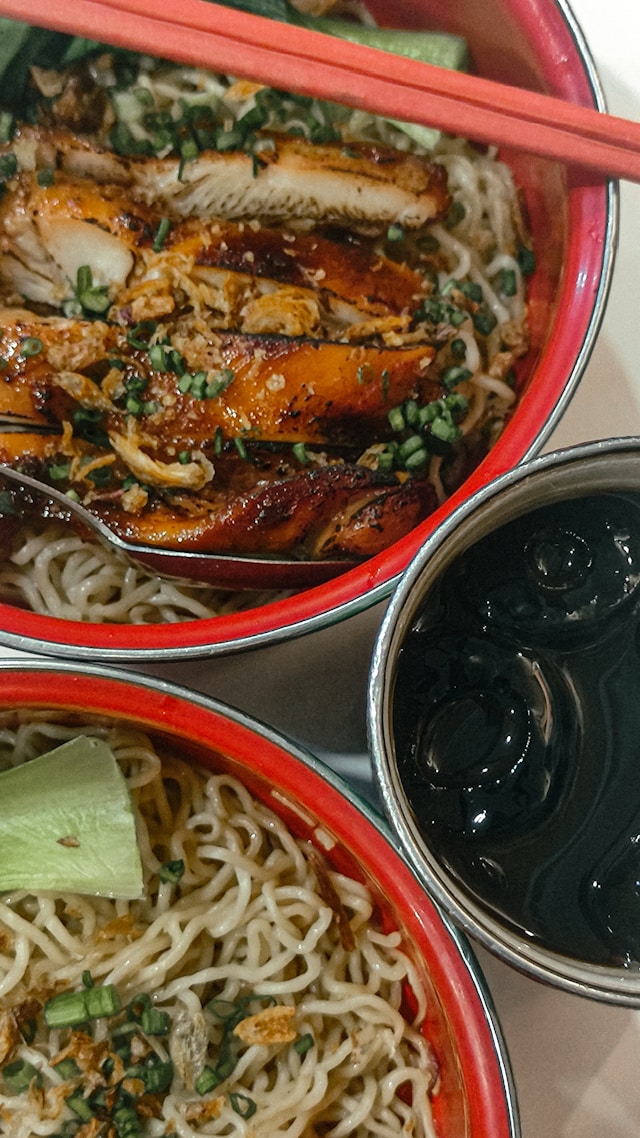
You’ve said yes, set the date, and now comes one of the biggest decisions of your wedding journey—where to hold your ROM ceremony. For many couples, a Chinese restaurant feels like a natural fit. It’s familiar, festive, and often comes with the kind of warm, communal atmosphere that makes a celebration feel complete. But is it the right choice for you?
Choosing a Chinese restaurant for ROM isn’t just about aesthetics. It’s about logistics, budget, guest experience, and how well the space reflects who you are as a couple. Chinese restaurants bring a lot to the table—literally—but they also come with trade-offs worth thinking through before you sign anything.
This post breaks down the real pros and cons of holding your ROM at a Chinese restaurant, so you can make a confident, well-informed decision.
What Is a Chinese Restaurant ROM, Exactly?
A ROM (Registration of Marriage) ceremony is the legal component of getting married in Singapore. Some couples keep it simple with a quick registration at the ROM Building, while others choose to make it an event—hosting family and friends at a venue that doubles as a celebration.
A Chinese restaurant ROM typically involves a small gathering of close family and friends at a Chinese dining establishment. The ceremony is held at the venue, often followed immediately by a meal. Think round tables, lazy Susans, steaming dishes, and a distinctly festive energy. It’s a format many Singaporean families are deeply familiar with, and that familiarity is a big part of its appeal.
The Pros of Choosing a Chinese Restaurant for Your ROM
1. Built-in Celebration Atmosphere
Few spaces feel as naturally celebratory as a well-run Chinese restaurant. The warm lighting, round tables, and family-style dining create a convivial energy that’s hard to replicate in a ballroom or rooftop bar. For couples who want their ROM to feel like a genuine gathering—rather than a formal ceremony—this kind of setting works beautifully.
The round table format, in particular, encourages conversation. Guests face each other, dishes are shared, and the whole experience becomes communal rather than performative.
2. Comprehensive Packages at a Known Price Point
Many Chinese restaurants offer dedicated ROM packages that bundle venue hire, food, décor, and sometimes even a cake or floral arrangements into a single quote. This makes budgeting far more straightforward than piecing together a venue, caterer, and decorator separately.
For couples working with a tighter budget or planning a ROM with a short lead time, this all-in-one approach saves both money and stress.
3. Food Quality Is Central, Not an Afterthought
At a Chinese restaurant ROM, the food is the main event—and that’s a good thing. You’re not paying a premium for a venue and then getting mediocre buffet trays on the side. The kitchen is the heart of the operation, and the dishes will likely be the highlight of the afternoon or evening.
Classic multi-course menus—featuring dishes like whole steamed fish, braised sea cucumber, or Peking duck—carry symbolic significance in Chinese culture, making the meal feel intentional and meaningful.
4. Easy for Multi-Generational Guests
If your guest list spans from grandparents to cousins in their twenties, a Chinese restaurant is one of the safest bets for keeping everyone comfortable. Older family members are typically at ease in this setting, and the food is familiar enough to suit most palates without being boring.
You’re unlikely to face the awkward situation of Grandma not recognizing anything on the menu—a genuine concern with more experimental venues.
5. Flexible Capacity
Chinese restaurants range from intimate family-style spaces seating 20 guests to large banquet halls that can accommodate hundreds. If your guest list shifts between the initial booking and the actual date, many restaurants are accustomed to minor adjustments. This flexibility is harder to find at boutique venues with fixed configurations.
The Cons of Choosing a Chinese Restaurant for Your ROM
1. Limited Customization
Most Chinese restaurants have a fixed aesthetic—red and gold décor, traditional artwork, standard table arrangements. If you’re envisioning a minimalist, garden-style, or heavily personalized setting, you may find the environment hard to transform without significant additional investment in florals and styling.
Some couples feel that Chinese restaurant ROMs can look similar to one another in photos, which matters if you’re planning to document the day professionally.
2. Noise and Ambience Can Be Inconsistent
Chinese restaurants are often bustling spaces. Even during a private event, ambient noise from adjacent rooms, kitchen activity, or street-facing windows can be disruptive—especially during the actual ceremony moment when you’d prefer some quiet and intimacy.
It’s worth visiting the venue at the same time of day as your planned ROM to get a realistic sense of how the space sounds and feels.
3. Ceremony Space May Be an Afterthought
The restaurant’s primary business is food service, not event hosting. This means the designated ceremony area can sometimes feel like an improvised corner of a dining room, rather than a purpose-built space. Low ceilings, limited lighting rigs, and minimal staging options can make the ceremony portion feel less polished.
Ask the venue specifically about their ceremony setup—where couples stand, how guests are seated during the registration, and whether they have a proper backdrop or arch available.
4. Less Flexibility on Timing
Many Chinese restaurants operate lunch and dinner services that run to strict schedules. Your ROM timeslot may need to fit neatly within these windows, which can add pressure to your planning. Running overtime isn’t usually an option, and guests may feel rushed through the post-ceremony meal if the kitchen needs to reset.
Be explicit about your timeline during the inquiry stage and confirm how much buffer time you have on either side.
5. Alcohol and Beverage Packages May Be Limited
If you’re picturing a flowing cocktail hour or a curated wine list for the table, a Chinese restaurant may not deliver in the way you’d hoped. Many venues operate on a corkage model or offer a limited selection of house wines, beer, and soft drinks. Couples who prioritize the drinking experience alongside the dining experience may need to look elsewhere—or negotiate custom beverage arrangements in advance.
6. Parking and Location Logistics
Popular Chinese restaurants in Singapore are often located in busy commercial areas with limited nearby parking. For guests arriving by car, this can be a sticking point—especially for elderly attendees who may have mobility constraints. Check whether the venue offers valet, nearby parking options, or is accessible via public transport before committing.
What to Look for When Choosing a Chinese Restaurant for Your ROM
If you’ve weighed the above and decided a Chinese restaurant is right for you, here’s what to focus on during your venue search:
- Private rooms or semi-private spaces: These give you more control over the atmosphere and reduce noise interference during the ceremony.
- ROM package inclusions: Look at exactly what’s bundled into the quote—décor, a wedding cake, a champagne toast, and florals can add up quickly if they’re not included.
- Menu flexibility: Can you customize the dishes, or are you locked into a fixed menu? Dietary requirements (vegetarian, halal, allergy-related) should be addressed early.
- Ceremony setup support: Ask whether the restaurant has experience hosting ROM ceremonies and whether they can provide a proper backdrop, a table for the registration documents, and adequate seating for guests during the ceremony.
- References or reviews: Look for couples who have held their ROM at the venue. Recent reviews on Google or wedding forums will tell you more than any sales pitch.
Questions to Ask Before You Book
Before you sign a contract with any restaurant, run through these questions with the events coordinator:
- How many ROM ceremonies have you hosted in the past year?
- What does the ceremony space look like when set up?
- Is the private room fully enclosed, or is it separated by a partition?
- What is the overtime policy if the ceremony runs long?
- Can we bring in an external florist, photographer, or solemnizer?
- What’s your policy on outside cakes or customized elements?
The answers will tell you a lot about how experienced the team is and how much flexibility you’ll actually have on the day.
Making the Right Call for Your ROM
A Chinese restaurant ROM offers warmth, convenience, and a reliably celebratory atmosphere—but it’s not a one-size-fits-all solution. Couples who prioritize seamless logistics, familiar food, and a setting that feels genuinely festive will likely find it an excellent choice. Those who want a highly personalized aesthetic, a quiet and intimate ceremony moment, or extended flexibility in timing may find themselves working against the venue’s natural constraints.
The best venue for your ROM is ultimately the one that matches your priorities—not the one that looks best on paper. Visit your shortlisted restaurants in person, ask the hard questions, and trust your gut about how the team makes you feel. After all, the people running your event matter just as much as the space itself.