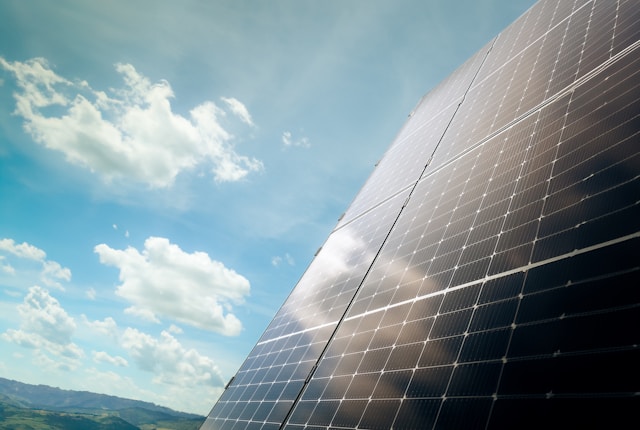
Switching to solar energy is one of the smartest financial decisions a homeowner can make. Lower electricity bills, reduced carbon footprint, and long-term property value gains—the benefits are well-documented. But here’s what most people don’t realize: the quality of your installation depends less on the panels themselves and more on the contractor who installs them.
Pick the right solar panel contractor and you’re set up for decades of clean, reliable energy. Pick the wrong one and you’re looking at faulty wiring, voided warranties, roof damage, and a system that underperforms from day one. The difference between a great solar investment and a costly mistake often comes down to the decisions you make before a single panel is mounted.
This guide walks you through the essential do’s and don’ts of working with a solar panel contractor—from vetting installers to avoiding the red flags that signal trouble ahead.
Why Your Choice of Solar Contractor Matters So Much
Solar panel systems are long-term investments. Most residential systems are designed to last 25 to 30 years, and the upfront cost typically ranges from $15,000 to $30,000 before incentives. That’s not a purchase you want to get wrong.
A qualified solar contractor does more than mount panels on your roof. They assess your home’s energy needs, design a system that maximizes efficiency, handle permitting, coordinate utility interconnection, and ensure everything meets local electrical codes. A less experienced or unscrupulous installer may cut corners on any one of these steps—and the consequences can range from a poorly performing system to a serious safety hazard.
The solar industry has grown rapidly, which is a good thing overall. But rapid growth also attracts opportunistic contractors who lack the experience or credentials to back up their promises. Knowing what to look for—and what to avoid—puts you in control.
The Do’s: What to Look For in a Solar Panel Contractor
Do Verify Licenses and Certifications
Every legitimate solar contractor should hold the appropriate state or local licenses to perform electrical and roofing work. Requirements vary by state, so check with your state’s contractor licensing board to confirm what’s needed in your area.
Beyond basic licensing, look for contractors certified by the North American Board of Certified Energy Practitioners (NABCEP). NABCEP certification is widely regarded as the gold standard in the solar industry. It signals that the installer has completed rigorous training and demonstrated real-world competence.
Don’t just take their word for it—verify credentials directly through the relevant licensing board or NABCEP’s online directory.
Do Get Multiple Quotes
Solar pricing varies significantly between contractors, and so does system design. Getting at least three quotes allows you to compare not just cost, but panel brands, system size, warranty terms, and projected energy output.
Be cautious of quotes that seem dramatically lower than the others. That gap usually exists for a reason—cheaper equipment, fewer panels, or corners cut on installation quality. The goal isn’t to find the cheapest quote; it’s to find the best value.
When reviewing quotes, pay close attention to the projected energy production figures. A well-designed system should offset the majority of your electricity usage. If one quote promises significantly higher output than the others using the same roof space, ask for a detailed explanation.
Do Check Reviews and References
Online reviews on Google, Yelp, and the Better Business Bureau are a useful starting point. Look for patterns rather than individual comments—consistent praise for communication and professionalism is a good sign, while recurring complaints about delays or poor workmanship are serious red flags.
Ask the contractor directly for references from previous customers, ideally from installations completed in the last one to two years. Speaking with real homeowners gives you insights that no website can provide. Ask them how the installation process went, whether the system has performed as promised, and how the company handled any post-installation issues.
Do Understand the Warranty Structure
A solar installation comes with multiple overlapping warranties, and it’s important to understand each one:
- Equipment warranties: Most solar panels come with a 25-year performance warranty and a 10 to 12-year product warranty. Inverters typically carry a 5 to 10-year warranty.
- Workmanship warranty: This covers the quality of the installation itself. Reputable contractors offer at least 5 to 10 years. Some offer more.
- Roof penetration warranty: Any time your roof is penetrated for mounting, there’s a risk of leaks. Ask specifically how this is covered.
A contractor who is vague or evasive about warranty terms is one to avoid.
Do Confirm They Handle Permits and Utility Interconnection
Solar installations require permits from local building authorities, and the system must be approved for interconnection by your utility company before it can operate. This process can take weeks and involves paperwork, inspections, and coordination with multiple parties.
A professional contractor handles all of this on your behalf. If a contractor expects you to manage permits yourself or seems unfamiliar with the interconnection process, that’s a red flag worth taking seriously.
Do Ask About Monitoring
Most modern solar systems include monitoring software that lets you track energy production in real time. This data is invaluable—it helps you spot performance issues early and verify that your system is delivering the output promised.
Ask your contractor what monitoring solution is included, whether you can access it via a smartphone app, and whether they offer proactive monitoring as part of their service.
The Don’ts: Mistakes to Avoid When Hiring a Solar Contractor
Don’t Rush the Decision
Door-to-door solar salespeople often use high-pressure tactics, urging homeowners to sign contracts quickly before a “limited-time offer” expires. These tactics are a hallmark of less reputable operations.
Legitimate solar companies don’t need to pressure you. They understand that a purchase of this size requires time, research, and careful consideration. If someone is pushing you to commit on the spot, walk away.
Don’t Ignore the Fine Print
Solar contracts can be complex, particularly if financing is involved. Whether you’re buying outright, taking out a solar loan, signing a lease, or entering a Power Purchase Agreement (PPA), read every clause carefully.
Pay particular attention to:
- Escalator clauses in PPAs or leases, which allow the provider to increase your payments annually
- Transferability terms, which affect your ability to sell your home
- System removal clauses, which outline who is responsible if the system needs to come down for roof repairs
If anything is unclear, consult a lawyer before signing. The cost of an hour’s legal advice is negligible compared to the cost of a poorly understood contract.
Don’t Assume Bigger Is Always Better
More panels doesn’t always mean a better system. An oversized system produces more energy than your home can use or your utility will credit, meaning you’re essentially overpaying for capacity that goes to waste.
A qualified contractor conducts a thorough energy audit before recommending a system size. This involves reviewing your historical electricity bills, assessing your roof’s orientation and shading, and factoring in any planned changes to your energy usage—like adding an electric vehicle.
If a contractor skips this step and immediately recommends the largest system they can fit on your roof, treat it as a warning sign.
Don’t Neglect Your Roof’s Condition
Before any solar installation, your roof should be in good shape. Solar panels are built to last 25 to 30 years, and removing and reinstalling them to replace an aging roof midway through that lifespan can cost thousands of dollars.
A reputable contractor will assess your roof before installation and flag any concerns. If your roof is more than 10 to 15 years old or showing signs of wear, it may make sense to replace it first.
Don’t Overlook Local Experience
Solar installation requirements vary by region. Local contractors understand local building codes, utility interconnection processes, climate conditions, and available rebates or incentives. A national company with no local presence may not.
Hiring a contractor with established roots in your area reduces the risk of permitting delays and ensures someone is available for service calls after installation.
Don’t Forget to Ask About After-Sales Support
The relationship with your solar contractor doesn’t end when the system is switched on. Ask specifically what support is available if your system underperforms, if a component fails, or if you have questions down the track.
A company that is responsive and easy to reach after the sale is worth paying a little more for upfront.
Questions to Ask Before Signing Any Contract
To put everything above into practice, here’s a shortlist of questions to bring to every contractor meeting:
- Are you licensed and NABCEP certified?
- How many installations have you completed in this area?
- Can you provide references from recent customers?
- Who handles permitting and utility interconnection?
- What equipment brands do you use, and why?
- What warranty do you offer on workmanship?
- How will you size the system for my specific energy needs?
- What monitoring solution is included?
- How do I contact you if something goes wrong after installation?
The answers—and the contractor’s willingness to answer clearly—will tell you a great deal.
Making the Right Call on Solar
Solar energy delivers genuine long-term value, but only when the installation is done right. The panels themselves are rarely the issue. It’s the quality of the contractor, the integrity of the installation, and the support you receive afterward that determine whether your solar investment lives up to its promise.
Take your time. Do the research. Verify credentials, read contracts carefully, and don’t let pressure tactics rush you into a decision. The right solar panel contractor will welcome your questions—and answer every one of them with confidence.