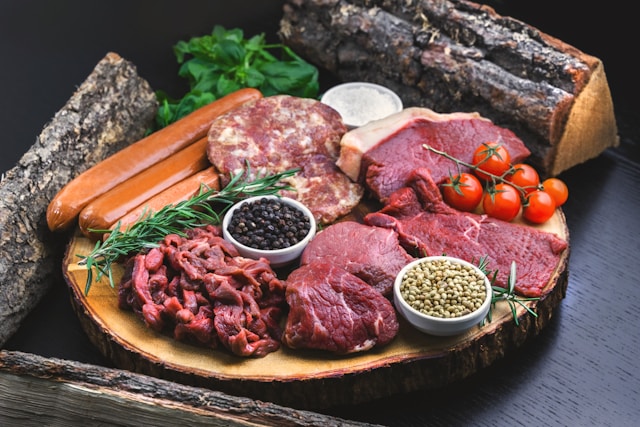
Standing in front of the supermarket meat counter can feel like preparing for a difficult exam. Stacks of plastic-wrapped steaks, chops, and poultry stretch out before you, all covered in brightly colored stickers boasting various claims. You want to cook a delicious, safe meal for your family, but the sheer volume of choices is overwhelming.
Picking high-quality protein requires more than just grabbing the first package within reach. You need to evaluate the physical appearance of the cuts, understand complex government grading systems, and decode marketing jargon that often obscures the truth about how the animals were raised. The right choice affects the flavor of your dinner, your grocery budget, and your overall health.
Fortunately, navigating the meat aisle becomes much easier once you know exactly what to look for. By learning a few basic visual cues and understanding the terminology used on packaging, you can shop with confidence. This guide covers everything you need to know to select the freshest, tastiest, and safest meat for your next home-cooked meal.
Rely on Your Senses: Color and Smell
Your eyes and nose are the most powerful tools you have when evaluating freshness. While supermarket lighting can sometimes play tricks on you, paying close attention to the color and texture of the meat will quickly point you in the right direction.
Visual Cues for Freshness
Fresh beef should display a deep, purplish-red hue. This vibrant color indicates that the meat has not had prolonged exposure to oxygen. If you spot slightly brownish beef, it is not necessarily spoiled, but it has likely been sitting in the case a bit longer. Pork should have a light pink color, while game meats generally lean toward a dark brown appearance.
For poultry like chicken or turkey, examine the physical structure of the cuts. Look for smooth, well-defined edges. Irregularities or jagged, torn pieces often point toward poor quality or improper, rough handling during processing. You should also check the packaging itself. Avoid trays with excessive liquid pooling at the bottom or wrapping that shows signs of dents and tears.
The Smell Test
Smell is your most crucial indicator of quality. Fresh meat carries an earthy, almost neutral scent. It should barely smell like anything at all. If you detect a pungent, sour, or generally off-putting odor, put the package down immediately. Spoiled meat will quickly reveal itself through a bad smell, even if the color still looks acceptable.
Decoding USDA Beef Grades
The United States Department of Agriculture (USDA) oversees a voluntary grading system that assesses the value of beef. Graders examine a cross-section of the ribeye to determine the meat’s quality based on criteria like tenderness, age, and marbling. Marbling refers to the white flecks of intramuscular fat distributed throughout the muscle tissue. This fat melts during cooking, providing juiciness and rich flavor.
Prime Beef
Prime is the highest grade of beef available, accounting for just under four percent of all graded beef in the United States. It features “slightly abundant” to “abundant” marbling. The fat is milky white, and the flesh is a healthy pinkish-red, indicating younger, healthier cattle. Because of its superior fat distribution, Prime beef delivers an incredibly tender, flavorful experience. You will mostly find these premium cuts in high-end steakhouses and artisan butcher shops, though some well-stocked supermarkets carry them.
Choice Beef
Making up roughly 66 percent of USDA graded beef, Choice is the category most shoppers encounter. It contains “small” to “moderate” marbling. Quality within this grade varies widely. A “High Choice” steak might closely rival a Prime cut in terms of fat distribution, while lower-tier Choice cuts might be quite lean. When shopping for Choice steaks, look closely at the white flecks of fat and choose the pieces with the most even marbling.
Select Beef
Select beef encompasses slightly less than 30 percent of graded beef. It comes from young cattle but features only a “slight” degree of marbling. The fat tends to sit in thick chunks around the edges rather than running through the muscle. While Select cuts can be tender, they often lack the rich flavor of higher grades. These cuts are best reserved for slow-cooking methods like stews and braises, where the long cooking process helps break down the muscle structure.
Making Sense of Meat Labels
Beyond physical grades, the packaging is usually plastered with marketing terms and official certifications for best meat delivery. Understanding the difference between a verified claim and an empty marketing slogan is essential for making informed choices.
USDA Organic
The USDA Organic label is strictly regulated. For beef to qualify, the animal must be fed a 100 percent organic, vegetarian diet free of pesticides and chemical fertilizers. The cattle must have year-round access to the outdoors, and producers are prohibited from treating the animals with antibiotics or growth hormones. This label offers a high level of assurance regarding the animal’s diet and living conditions.
The Truth About Grass-Fed
Grass-fed beef is known for its lean profile and distinct, slightly gamey flavor. According to USDA standards set in 2007, grass and forage must be the sole feed source consumed for the lifetime of the animal after weaning. However, the rule only mandates continuous access to pasture during the growing season. This means some cattle might spend considerable time eating hay indoors during winter months and still qualify. To ensure the highest pasture standards, look for the independent American Grassfed seal.
Naturally Raised vs. Natural
You should completely ignore the word “natural” on meat packaging. The USDA simply defines natural meat as containing no artificial ingredients or added color, which applies to almost all fresh meat sold in stores.
“Naturally raised,” however, is a verified claim. It means the animal was raised entirely without growth promotants or antibiotics, and was never fed animal by-products. All organic beef is naturally raised, but not all naturally raised beef is organic.
Antibiotic Policies
Large-scale industrial farms often use antibiotics to prevent disease in crowded conditions and to promote faster growth. Overuse of these drugs contributes to antibiotic-resistant superbugs. Look for the phrase “No Antibiotics Added” accompanied by a USDA Process Verified shield. This guarantees the animal never received antibiotics. Vague phrases like “antibiotic-free” lack strict government enforcement.
Selecting the Right Ground Meat
Ground beef is a staple for quick weeknight dinners, from burgers to tacos. The key to buying the right ground beef is understanding the lean-to-fat ratio printed on the label.
A standard 80/20 blend is widely considered the best all-rounder. The 20 percent fat content provides enough moisture to keep burgers and meatballs juicy without causing excessive shrinkage during cooking. If you are making a rich meatloaf or heavily seasoned sliders, a 70/30 blend offers maximum flavor and moisture. For dishes where you plan to drain the meat anyway, such as chili or heavy pasta sauces, a leaner 85/15 or 90/10 blend works perfectly and reduces the total calories.
Keep Your Kitchen Safe
Buying high-quality protein is only half the battle. You must handle and cook it properly to avoid foodborne illnesses like salmonella and E. coli. Meat and poultry contribute to more foodborne illnesses than any other food category.
Never rely on the color of the cooked meat to determine safety. Always use a digital meat thermometer. Ground beef and pork must reach an internal temperature of 160 degrees Fahrenheit. Poultry, including ground chicken and turkey, needs to hit 165 degrees Fahrenheit. Whole beef roasts, steaks, and pork chops are safe at 145 degrees Fahrenheit, provided you let them rest for a few minutes before slicing.
Frequently Asked Questions (FAQ)
What is the difference between a “sell-by” and a “use-by” date?
The sell-by date is a guide for the retailer to ensure optimum freshness. Meat is generally safe to cook for a day or two past this date if stored properly in your refrigerator. The use-by date is a strict safety deadline. Always consume or freeze the product before the use-by date passes.
Should I worry about hormones in poultry and pork?
No. The FDA strictly prohibits the use of added hormones in all poultry and pork production in the United States. If you see a label on a package of chicken boasting “No Added Hormones,” it is simply a marketing tactic highlighting a basic legal requirement. Hormones are, however, permitted in certain beef production, making organic or naturally raised labels more relevant for cattle.
Does a grass-fed label mean the meat is safer?
Grass-fed beef tends to be leaner and contains higher levels of healthy omega-3 fatty acids compared to grain-finished beef. However, standard safe handling and cooking practices still apply. Bacteria like E. coli can exist on grass-fed beef just as easily as conventional beef, so proper cooking temperatures are mandatory.
Shop Smarter at the Meat Counter
Armed with the right knowledge, the supermarket meat department transforms from a confusing obstacle course into a manageable shopping experience. You now know to prioritize the visual color and earthy smell of fresh cuts over tricky lighting. You can identify the difference between heavily marbled Prime steaks and leaner Select options. You also know how to see past empty marketing claims to find legitimately organic, antibiotic-free proteins for your family.
Next time you grab your shopping cart, take a moment to closely inspect the labels and the liquid in the trays. Don’t hesitate to strike up a conversation with the butcher behind the counter if you need a specific cut or want to verify where a product came from. Cooking an incredible meal starts long before you turn on the stove. It starts with making the smartest, safest choices at the store.