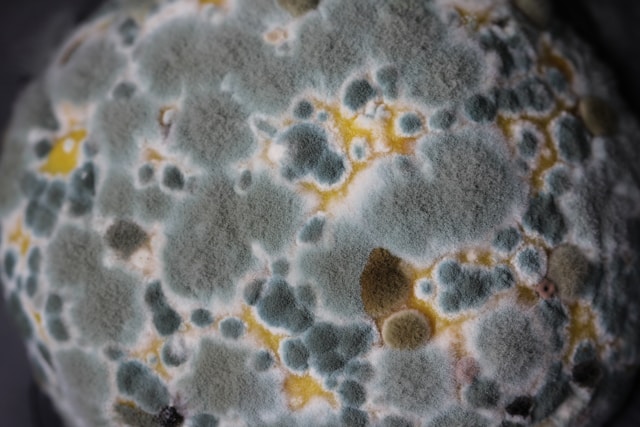
Quick answer: Mold spreads fast—often within 24 to 48 hours of moisture exposure. Acting early limits structural damage, protects your health, and keeps repair costs low. A small patch you tackle this week could become a costly remediation project next month. Early detection and quick removal are your best defenses against both property damage and health risks.
That musty smell in the basement. The dark speckles creeping along the bathroom ceiling. The patch of discoloration behind the washing machine. These small warning signs are easy to ignore—until they aren’t.
Mold is one of the most common (and most underestimated) problems homeowners face. It thrives quietly behind walls and under floors, feeding on moisture and organic material. By the time you notice it, the colony has often been growing for weeks.
This post breaks down why early action matters so much, how mold damages both your home and your health, and what you can do to stop it before it spreads. Whether you’ve spotted a small patch or you’re worried about hidden growth, you’ll walk away knowing exactly what steps to take next.
What is mold, and why does it grow so quickly?
Mold is a type of fungus that reproduces through tiny airborne spores. These spores are everywhere—indoors and outdoors—and they’re completely harmless until they land on a damp surface. Once they find moisture, they begin to grow within 24 to 48 hours, according to the U.S. Environmental Protection Agency (EPA).
That speed is exactly why mold is so dangerous to ignore. A leaky pipe, a flooded basement, or even high humidity can trigger growth almost overnight. And mold isn’t picky about where it settles. It will colonize drywall, wood, carpet, insulation, ceiling tiles, and fabric.
The key ingredient is always moisture. Remove the water source, and you remove mold’s ability to spread. This is why mold removal and moisture control go hand in hand—you can scrub away every visible spot, but if the dampness remains, the mold will return.
Why does acting early matter so much?
The difference between a minor cleanup and a major renovation often comes down to timing. Here’s what early action protects.
Your home’s structure
Mold feeds on the organic materials that hold your house together. Wood framing, drywall, and subflooring are all on the menu. Left unchecked, mold can weaken these materials over time, leading to rot and structural instability.
A small surface patch is usually easy to clean. But once mold penetrates deep into porous materials like drywall or wood, those materials often need to be cut out and replaced entirely. The longer you wait, the more you’ll likely need to tear out and rebuild.
Your health
Mold exposure can cause a range of health problems, especially for sensitive groups. According to the Centers for Disease Control and Prevention (CDC), exposure to mold can trigger symptoms such as stuffy nose, wheezing, red or itchy eyes, and skin irritation. People with asthma or mold allergies may experience more severe reactions.
Children, older adults, and people with weakened immune systems or chronic respiratory conditions are at higher risk. For these groups, what starts as a minor irritant can become a serious health concern. Acting early reduces the amount of time anyone in your home spends breathing in spores.
Your wallet
Cost is where early action pays off most clearly. A small, contained mold problem you address quickly might cost very little—often just the price of cleaning supplies and an afternoon of work.
Allow that same problem to spread, and you could be facing professional remediation, material replacement, and repairs that climb into the thousands. Catching mold early is almost always the cheaper path.
What are the warning signs of a mold problem?
Mold doesn’t always announce itself with obvious black spots. Knowing the subtler signals helps you catch it before it spreads.
- A musty, earthy odor. Often the first sign, especially in basements, bathrooms, and closets. If a room smells damp even when it looks clean, mold may be hiding out of sight.
- Visible spots or discoloration. Mold comes in many colors—black, green, white, gray, and even orange or pink. Look for fuzzy or slimy patches on walls, ceilings, and around windows.
- Water stains or past leaks. Any area that has flooded or leaked is a prime candidate for hidden growth. Pay attention to discoloration on ceilings and walls.
- Worsening allergy symptoms. If you or your family feel better when you leave the house and worse when you return, indoor mold could be the cause.
- Peeling or bubbling paint and wallpaper. Trapped moisture behind surfaces often signals a problem brewing underneath.
How do you remove mold safely?
For small areas—generally less than about 10 square feet—the EPA says most homeowners can handle mold removal themselves. Here’s how to approach it safely.
Step 1: Protect yourself
Before you touch anything, put on protective gear. Wear an N-95 respirator, rubber gloves, and goggles without ventilation holes. This keeps spores out of your lungs, off your skin, and away from your eyes.
Step 2: Find and fix the moisture source
This step is non-negotiable. If you don’t stop the water, the mold will come back no matter how well you clean. Look for leaks, condensation, or poor ventilation, and fix the underlying issue first.
Step 3: Contain the area
Close doors and seal off the space if possible to keep spores from drifting into other rooms. Open a window for ventilation while you work.
Step 4: Clean hard surfaces
Scrub mold off hard surfaces—tile, glass, metal, and sealed wood—with detergent and water, then dry the area completely. The EPA notes that for routine cleanups, soap and water are often enough; bleach isn’t always necessary.
Step 5: Discard porous materials
Some materials can’t be saved. Carpet, ceiling tiles, and drywall that have soaked up mold usually need to be thrown out, since the growth penetrates too deeply to clean.
Step 6: Dry everything thoroughly
Once the area is clean, make sure it’s completely dry. Use fans, a dehumidifier, or open windows. Lingering moisture is an open invitation for mold to return.
When should you call a professional?
Some mold situations are beyond a DIY fix. Call a professional remediation service if:
- The affected area is larger than about 10 square feet.
- Mold has spread through your HVAC system, which can distribute spores throughout the home.
- The growth followed sewage or contaminated water damage.
- Someone in your household has a serious respiratory condition or weakened immune system.
- You’ve cleaned the mold but it keeps coming back, which usually points to a hidden moisture source.
Choose professional remediation if the problem is large, recurring, or tied to contaminated water—the cost is well worth avoiding the health and structural risks of an incomplete cleanup. Handle it yourself if the patch is small, contained, and on a hard, non-porous surface.
How do you prevent mold from coming back?
Removal solves today’s problem. Prevention keeps it from returning. Since mold needs moisture to grow, controlling humidity is your most powerful tool.
- Keep indoor humidity below 60%. The EPA recommends keeping it between 30% and 50% if possible. A simple humidity monitor can help you track it.
- Fix leaks fast. Repair leaky roofs, pipes, and windows as soon as you spot them. Quick fixes prevent slow, hidden buildup.
- Ventilate moisture-prone rooms. Run exhaust fans in bathrooms and kitchens, and vent appliances like dryers to the outside.
- Dry wet areas within 24 hours. After a spill, leak, or flood, dry everything quickly to stay inside mold’s growth window.
- Use a dehumidifier in damp spaces. Basements and crawl spaces often need extra help staying dry.
- Improve air circulation. Move furniture slightly away from walls and open closet doors occasionally so air can flow.
The takeaway: small steps now, big savings later
Mold is one of those problems where a little attention goes a long way. The few minutes you spend wiping down a damp bathroom corner, fixing a slow leak, or running a dehumidifier can save you from a costly remediation project down the road.
The pattern is consistent: the earlier you act, the less it costs—in money, in repairs, and in health risks. So if you’ve noticed a musty smell or a suspicious spot, don’t put it off. Inspect the area, find the moisture source, and deal with it now while the problem is still small.
Your walls, your wallet, and your lungs will thank you.
Frequently asked questions
How quickly does mold spread after water damage?
Mold can begin growing within 24 to 48 hours of moisture exposure, according to the EPA. This short window is why drying out wet areas quickly after a leak or flood is so important—it can stop mold before it ever takes hold.
Is it safe to remove mold myself?
For small areas under about 10 square feet, most people can safely remove mold themselves using protective gear (an N-95 respirator, gloves, and goggles), detergent, and water. For larger areas, HVAC contamination, or mold caused by sewage, hire a professional.
Can mold come back after it’s been removed?
Yes. Mold will return if the underlying moisture source isn’t fixed. Cleaning removes the visible growth, but unless you address the leak, condensation, or humidity feeding it, new spores will colonize the same spot again.
What are the health risks of mold exposure?
The CDC reports that mold exposure can cause stuffy nose, wheezing, itchy eyes, and skin irritation. People with asthma, mold allergies, weakened immune systems, or chronic lung conditions may have stronger reactions and should limit their exposure.
Does bleach kill mold?
Bleach isn’t always necessary. The EPA notes that for most routine cleanups on hard surfaces, scrubbing with soap and water works well. The most important step is removing the mold and then drying the area completely so it can’t return.