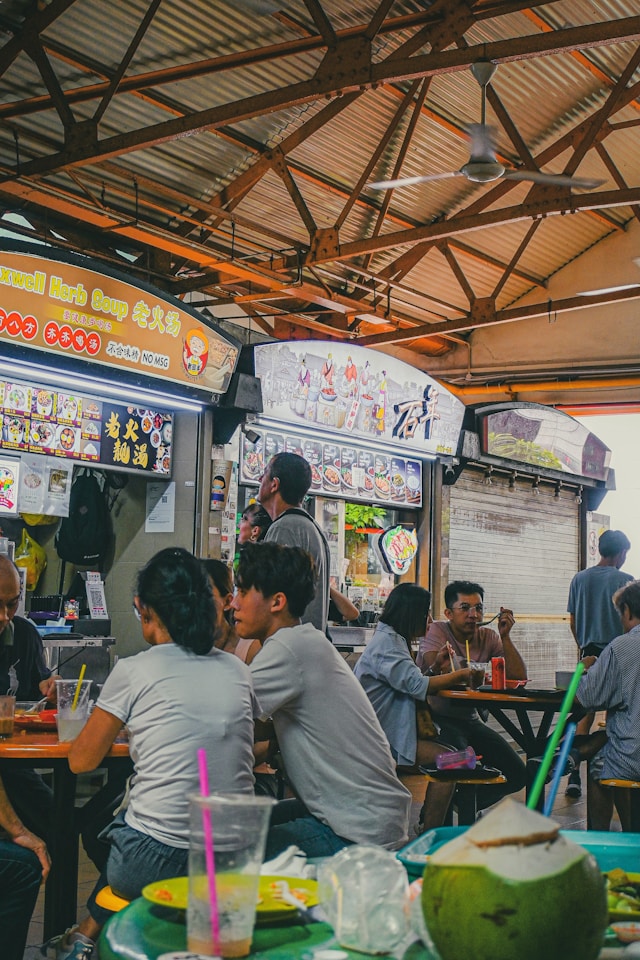
TL;DR: Food lovers return to great Tze Char restaurants because of the combination of bold, wok hei-driven flavors, generous portions, affordable prices, and a sense of cultural familiarity that fine dining rarely replicates. The best Tze Char spots earn loyalty through consistency, skilled chefs, and dishes that taste like they were cooked specifically for you.
There’s a moment every Tze Char regular knows well. You sit down, scan the laminated menu out of habit rather than necessity, and order the same three dishes you always do—because nothing on Earth has convinced you to do otherwise. The white pepper crab. The cereal prawns. The sambal kangkong. And when the food arrives, still sizzling from the wok, you remember exactly why you keep coming back.
Tze Char—literally translated from Hokkien as “cook and fry”—is a style of Chinese cooking deeply embedded in the food cultures of Singapore, Malaysia, and parts of Southern China. These are typically casual, open-air or coffee shop-style restaurants that serve a wide repertoire of stir-fried, steamed, braised, and deep-fried dishes, cooked to order and designed for sharing. But describing Tze Char as simply “casual Chinese cooking” is like calling jazz “background music.” It misses everything that makes it extraordinary.
So what is it, exactly, that keeps food lovers returning again and again to a great Tze Char restaurant? The answer involves fire, technique, memory, and a kind of unpretentious generosity that is increasingly rare in modern dining.
What Is Tze Char, and Why Does It Have Such a Loyal Following?
Tze Char restaurants occupy a unique space in the culinary landscape. They sit comfortably between hawker stalls and full-service restaurants—more variety than the former, less formality than the latter. A single menu might span 60 to 100 dishes, covering everything from claypot tofu and butter milk pork ribs to moonlight hor fun and chili crab.
This breadth is part of the appeal. Tze Char restaurants like HK Street Restaurant cater to groups with different tastes, which makes them a natural gathering point for families, friends, and colleagues. You don’t need to agree on a cuisine—the menu does the compromising for you.
But variety alone doesn’t explain loyalty. Plenty of restaurants offer long menus and fail to build a repeat customer base. What sets a great Tze Char apart is a combination of things that are surprisingly hard to replicate: high heat cooking, fresh ingredients, an experienced hand at the wok, and a price-to-satisfaction ratio that consistently punches above its weight.
Why Wok Hei Is the Secret Ingredient Every Food Lover Chases
Ask any Tze Char enthusiast what they’re really chasing, and most will eventually land on the same answer: wok hei.
Wok hei—literally “wok breath” in Cantonese—refers to the smoky, slightly charred, deeply savory quality that comes from cooking food over extremely high heat in a well-seasoned carbon steel wok. It is a flavor that is nearly impossible to achieve on a standard home stove, where burner output typically maxes out at around 15,000 BTU. Commercial Tze Char wok burners regularly operate at 150,000 BTU or more—ten times the power.
That heat is transformative. It caramelizes proteins, evaporates moisture almost instantly, and creates the Maillard reaction at a speed that locks in flavor rather than steaming it out. The result is fried rice with individual grains that are slightly crisp and fragrant. Stir-fried vegetables that are vibrant and just-tender rather than soggy. Prawns with a snappy, slightly blistered exterior that no home cook can fake.
Wok hei is also deeply ephemeral—it fades within minutes of leaving the kitchen. Which means the only way to experience it is to eat at the restaurant, while the food is hot. That urgency is part of what makes the Tze Char dining experience so specific and irreplaceable.
How a Great Tze Char Chef Builds Dishes That People Remember
Behind every great Tze Char restaurant is a chef—often the owner—who has spent decades at the wok. Many Tze Char cooks learn their craft through apprenticeship, starting young and spending years mastering the fundamentals before developing their own signature dishes.
This long training creates a kind of muscle memory that shows up in every plate. The timing of when to add aromatics. The exact moment to deglaze the wok. The instinct to adjust heat mid-cook based on how the ingredients sound and smell. These are skills that cannot be rushed, and their presence—or absence—is immediately detectable in the food.
Signature dishes are also a significant driver of repeat visits. A restaurant that has developed a genuinely distinctive version of a classic dish—whether that’s a particularly smoky version of black pepper beef, or a char kway teow with an unusually generous ratio of lup cheong to noodles—gives diners a reason to come back that no other restaurant can offer. You can’t get that specific dish anywhere else.
What Role Does Value Play in Tze Char Loyalty?
Tze Char restaurants have historically represented exceptional value. A table of four can typically eat well—ordering three to four dishes plus rice—for a fraction of what a comparable meal at a mid-range Western restaurant would cost. This accessibility is not incidental to the cuisine; it is foundational to it.
Tze Char grew out of a working-class dining tradition, designed to feed families and laborers with hearty, satisfying food at an honest price. That DNA is still visible in the generous portion sizes, the lack of corkage fees, the absence of a bread basket that costs $16, and the general sense that the restaurant is not trying to extract maximum revenue from every possible touchpoint of your visit.
For food lovers who have grown fatigued by the theater and pricing of fine dining, this straightforwardness is genuinely refreshing. You pay for the food. The food is good. You come back.
Why the Social Atmosphere of Tze Char Restaurants Matters
Tze Char is, by nature, a communal dining experience. Dishes arrive in the center of the table. Everyone shares. Conversations happen across the clamor of a busy kitchen and the scrape of serving spoons on ceramic bowls.
This format creates a particular kind of warmth that is hard to manufacture. The noise, the proximity to other tables, the visibility of the kitchen, the informality of plastic stools and fluorescent lighting—all of it combines to lower the social stakes of the meal. Nobody is performing. Everyone is just eating.
For regular customers, this atmosphere becomes part of the ritual. The familiarity of the space—the same uncle at the front of house, the same handwritten specials on the wall—functions almost like a second home. Regulars are often greeted by name, their usual orders remembered, their preferences accommodated without needing to be stated. That kind of recognition builds a loyalty that goes well beyond the food itself.
How Seasonal Specials and “Off-Menu” Dishes Reward Loyal Customers
One of the most reliable ways a Tze Char restaurant deepens its relationship with regulars is through dishes that never make it onto the printed menu.
These might be seasonal preparations—mud crabs only available for a few weeks a year, for instance, or a particular style of fish that depends on what came in fresh that morning. They might be dishes the chef makes only for customers who ask, or who have been coming long enough to know the question is worth asking.
This hidden layer of the menu creates an experience of earned access. Returning customers unlock a version of the restaurant that first-timers never see. The effect is not exclusivity for its own sake—it is simply the natural result of a relationship built over time, between a chef who cooks and a diner who pays attention.
What Separates a Good Tze Char Restaurant from a Great One?
The gap between a competent Tze Char restaurant and a genuinely great one is narrower in some respects and wider in others than most diners expect.
On the technical side, the difference often comes down to sourcing. The best Tze Char restaurants are selective about their ingredients—using fresher seafood, better-quality soy and oyster sauces, and produce that has been chosen carefully rather than ordered from the cheapest supplier. These choices compound across every dish on the menu.
On the human side, the difference is consistency. A great Tze Char restaurant tastes the same on a Tuesday night as it does on a Saturday. The chef’s standards don’t fluctuate based on how busy the kitchen is. Regulars trust that what they ordered last time will be what they get this time—and that trust, once established, is extraordinarily difficult to break.
Ownership continuity also matters. Many beloved Tze Char institutions face an existential challenge when the founding chef retires and a successor takes over. The restaurants that navigate this transition successfully are those where knowledge has been deliberately transferred—where the recipes, ratios, and techniques have been codified and taught rather than carried away when the original chef hangs up their wok.
The Lasting Appeal of a Meal That Doesn’t Try to Impress You
Fine dining asks you to be impressed. Tze Char asks you to be hungry.
That distinction sounds simple, but it captures something important about why food lovers return to great Tze Char restaurants across decades of their lives. There is no concept to decode, no sourcing story to absorb, no tasting menu to negotiate. There is a wok, a fire, a chef who has been doing this for thirty years, and a table full of people you want to eat with.
The food tastes like itself—direct, confident, and utterly without apology. That quality is rarer than it sounds. And when you find a restaurant that has it, you protect it with the kind of loyalty that doesn’t need to be explained to anyone who has ever eaten there.
Frequently Asked Questions About Tze Char Restaurants
What makes Tze Char different from other types of Chinese cuisine?
Tze Char refers specifically to the cook-to-order, stir-fry-focused style of Chinese restaurant cooking common in Singapore and Malaysia. Unlike dim sum, which centers on small steamed or fried portions, or Cantonese fine dining, Tze Char is defined by its broad menu, communal serving style, high-heat wok cooking, and emphasis on value and portion size.
What are the most popular dishes to order at a Tze Char restaurant?
Popular Tze Char dishes include chili crab, black pepper crab, cereal prawns, sambal kangkong, claypot tofu, hor fun, har cheong gai (prawn paste chicken), and butter milk pork ribs. Signature dishes vary by restaurant, and regulars often develop strong preferences for a specific establishment’s version of a classic.
Why does Tze Char food taste better at the restaurant than when reheated at home?
Tze Char dishes are built around wok hei—the smoky, high-heat flavor produced by commercial wok burners that home stoves cannot replicate. This quality fades rapidly after cooking, which means reheated Tze Char loses the defining characteristic of the dish. The food is designed to be eaten immediately, straight from the wok.
How do Tze Char restaurants keep prices so affordable?
Tze Char restaurants typically operate with a lean format—minimal décor, efficient kitchen layouts, and a focus on volume over margin. The cuisine’s roots in working-class Chinese immigrant communities also created a cultural expectation of honest pricing, which most operators continue to honor. High staff-to-table ratios common in fine dining are not part of the model.
What should first-time visitors to a Tze Char restaurant order?
First-time visitors should order two or three dishes for sharing, plus steamed jasmine rice. A good starting point is one seafood dish (such as butter garlic prawns), one vegetable dish (such as stir-fried kangkong with sambal), and one meat or tofu dish (such as claypot tofu or honey pork ribs). Ask the staff for the restaurant’s specialty—most Tze Char regulars swear by whatever the house does best.