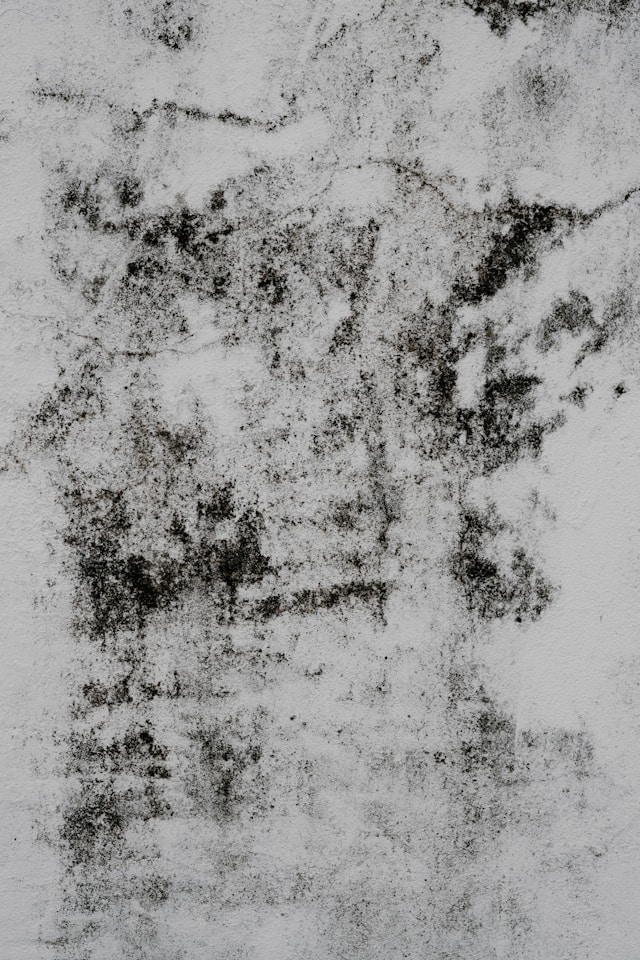
TL;DR: Mold grows wherever moisture meets a surface—walls, ceilings, grout, even furniture. Effective mold removal combines targeted cleaning solutions, proper ventilation, and moisture control. Catching mold early and addressing the root cause prevents it from coming back season after season.
Mold doesn’t announce itself. It creeps in quietly—behind bathroom tiles, under kitchen sinks, along windowsills—and by the time you notice it, it’s already been there for a while. For most homeowners, the first instinct is to scrub it away and move on. But mold removal without treating the underlying cause is like mopping a floor while the tap is still running.
The good news? You don’t need to hire a professional for every mold situation. Many household mold problems are manageable with the right tools, techniques, and a clear plan. This guide walks you through everything you need to know—from identifying the type of mold you’re dealing with, to cleaning it effectively, to keeping it from coming back throughout every season of the year.
Whether you’re tackling a small patch of bathroom mold or dealing with a more persistent problem throughout your home, the tips below will help you handle it safely and thoroughly.
What Causes Mold to Grow in Homes?
Mold is a fungus, and like all fungi, it thrives in damp, dark, poorly ventilated spaces. It reproduces through microscopic spores that float through the air and settle on surfaces. When those spores land somewhere with sufficient moisture, organic material (like wood, drywall, or fabric), and warmth, they begin to grow.
Common causes of household mold include:
- High indoor humidity — particularly in bathrooms, kitchens, and laundry rooms
- Leaking pipes or roofs — even small, slow leaks create persistently damp conditions
- Poor ventilation — rooms without adequate airflow trap moisture
- Condensation — common on windows and cold walls during winter
- Flooding or water damage — mold can begin growing within 24 to 48 hours of water exposure
Understanding what’s feeding the mold in your home is the first step. Remove the moisture source, and you remove mold’s reason for being there.
How to Identify What Type of Mold You’re Dealing With
Not all mold looks the same, and different types require different approaches. Here’s a quick overview of the most common household molds:
Black mold (Stachybotrys chartarum)
This is the one most homeowners dread. Black mold typically appears as dark green or black patches with a slimy texture. It grows in areas with chronic moisture problems—think flooded basements or bathrooms with persistent leaks. Black mold exposure can cause respiratory issues and other health problems, especially for people with allergies or compromised immune systems. Large infestations (anything covering more than 10 square feet) should be handled by a licensed mold remediation professional.
White mold
Often found on wood, soil, and concrete, white mold can be mistaken for mildew or even efflorescence (a harmless mineral deposit). Unlike efflorescence, white mold will streak or smear when touched. It’s less toxic than black mold but still needs prompt removal.
Green mold (Aspergillus or Cladosporium)
Green mold is among the most common types found in homes. It frequently appears on food, walls, and damp fabrics. It spreads quickly and can trigger allergic reactions in sensitive individuals.
Pink or orange mold
Technically bacteria rather than fungi, pink or orange growth (common in shower areas) is often Serratia marcescens. It thrives in damp, soapy environments and requires the same treatment as mold.
If you’re unsure what you’re dealing with—or if someone in your household has respiratory symptoms—consider purchasing a home mold testing kit or contacting a professional for an assessment.
What Supplies Do You Need for Safe Mold Removal?
Before you start scrubbing, gather the right protective gear and cleaning materials. Disturbing mold without protection releases spores into the air, which can make things worse.
Protective gear:
- N-95 respirator mask
- Safety goggles (non-vented)
- Rubber or nitrile gloves
- Old clothing you can wash immediately afterward
Cleaning supplies:
- White vinegar (undiluted)
- Baking soda
- Hydrogen peroxide (3% concentration)
- Commercial mold remover (for stubborn cases)
- Scrub brush with stiff bristles
- Spray bottle
- Trash bags for disposing of contaminated materials
Avoid mixing bleach with ammonia or vinegar—the combination produces toxic fumes. Bleach is effective on non-porous surfaces like tiles, but it doesn’t penetrate porous materials like drywall or wood, meaning mold roots can survive beneath the surface even after the visible growth is gone.
Step-by-Step Mold Removal Guide for Common Areas of the Home
How do you remove mold from bathroom tiles and grout?
Bathroom mold is the most common type homeowners encounter. Grout is especially vulnerable because it’s porous and constantly exposed to moisture.
- Spray undiluted white vinegar directly onto the affected tiles and grout lines.
- Let it sit for at least one hour without rinsing.
- Scrub with a stiff-bristled brush, working the solution into the grout.
- Rinse with warm water and dry thoroughly.
- For stubborn stains, apply a paste of baking soda and water, scrub, then follow with vinegar.
To prevent recurrence, re-seal grout lines once a year and run the exhaust fan during and after every shower for at least 15 minutes.
How do you remove mold from walls and ceilings?
Painted drywall with surface mold (no deeper than the paint layer) can often be cleaned at home.
- Mix one cup of bleach with one gallon of water.
- Apply to the affected area using a sponge or spray bottle.
- Let it sit for 10–15 minutes before scrubbing gently.
- Rinse with clean water and allow the area to dry completely before repainting.
If the mold has penetrated the drywall—visible through soft spots, bubbling paint, or a persistent musty smell after cleaning—the affected section of drywall will need to be cut out and replaced. This is when calling a professional becomes worthwhile.
How do you remove mold from wood surfaces?
Wood is tricky because it’s porous. Surface mold on solid wood furniture or structural beams can often be cleaned, but mold that has deeply penetrated the wood may require sanding or replacement.
- Vacuum the surface with a HEPA-filter vacuum to collect loose spores.
- Apply a solution of dish soap and warm water, scrubbing gently with a soft brush.
- Wipe away residue with a damp cloth and dry immediately.
- For more stubborn mold, apply undiluted white vinegar and let it sit for an hour before scrubbing and drying.
- Once dry, apply a mold-resistant wood sealant.
How do you remove mold from fabric and upholstery?
Clothes, towels, and upholstered furniture can harbor mold after water damage or prolonged humidity.
- Washable fabrics: Add one cup of white vinegar to your washing machine cycle. For severe cases, pre-soak in a solution of warm water and borax for 30 minutes before washing.
- Upholstery: Brush off loose mold outdoors, then apply a mixture of rubbing alcohol and water (1:1 ratio) with a cloth. Allow to air dry completely in sunlight if possible—UV rays are a natural mold inhibitor.
Items that are heavily contaminated or have a persistent smell after cleaning may need to be discarded.
Seasonal Mold Prevention Tips to Keep Your Home Healthy Year-Round
Removing mold is only half the battle. Keeping it from returning means adjusting your habits across all four seasons.
Spring and Summer
- Open windows on dry days to promote airflow, but keep them closed on humid days.
- Clean and inspect window seals and frames for condensation damage.
- Check gutters and downspouts to ensure water is draining away from the foundation.
- Use a dehumidifier in basements and crawl spaces, aiming to keep indoor humidity between 30–50%.
Fall
- Inspect the roof and attic for leaks before the wet season begins.
- Rake and remove wet leaves near the home’s foundation—decaying leaves hold moisture.
- Check the seals around doors and windows and replace caulking if necessary.
Winter
- Increase ventilation in the kitchen and bathroom by running exhaust fans consistently.
- Wipe down windows that collect condensation each morning.
- Keep the thermostat consistent—dramatic temperature swings encourage condensation on walls.
- Avoid drying laundry indoors without opening a window, as this significantly raises humidity levels.
Long-Term Strategies for a Mold-Resistant Home
A few structural and behavioral changes can dramatically reduce your home’s vulnerability to mold over time.
Install or upgrade ventilation: Exhaust fans in bathrooms, kitchens, and laundry rooms are non-negotiable. If your current fans are old or underpowered, upgrading to a higher CFM (cubic feet per minute) model makes a measurable difference.
Fix leaks immediately: A slow drip under a sink might seem minor, but within weeks it creates the persistently damp environment mold needs. Address leaks as soon as they appear.
Use mold-resistant products: When remodeling, choose mold-resistant drywall (often called green board or purple board), mold-resistant paint, and moisture-resistant insulation in areas prone to dampness.
Monitor indoor humidity: A digital hygrometer—available for under $20—gives you real-time readings of indoor humidity. Keeping levels below 50% is one of the most effective mold prevention strategies available.
Inspect your HVAC system annually: Mold in air ducts can spread spores throughout the entire home every time the system runs. Schedule annual HVAC inspections and replace filters regularly.
When Should You Call a Professional for Mold Removal?
DIY mold removal is appropriate for small, isolated patches on non-porous surfaces. Call a licensed mold remediation professional when:
- The affected area covers more than 10 square feet
- Mold is growing inside walls, in the HVAC system, or in the attic
- Anyone in the household experiences worsening respiratory symptoms
- Mold keeps returning despite repeated cleaning and moisture control
- You suspect black mold (Stachybotrys chartarum)
Professional remediation typically includes containment, HEPA air filtration, deep removal, and treatment of affected surfaces—a level of thoroughness that DIY methods can’t always match.
Take Back Your Home From Mold
Mold is persistent, but it’s not invincible. With the right approach—identifying the source, using effective cleaning solutions, and building prevention into your seasonal routine—you can keep your home healthy throughout the year.
Start with the area that concerns you most. Clean it thoroughly, fix whatever moisture problem is feeding it, and put at least one prevention measure in place this week. Progress beats perfection every time, and even small changes in ventilation and humidity control can make a significant long-term difference.
Frequently Asked Questions About Mold Removal
What kills mold permanently?
No cleaning solution kills mold “permanently” unless the moisture source is eliminated. White vinegar, hydrogen peroxide, and commercial mold removers kill active mold effectively. However, if humidity or leaks aren’t addressed, mold will return. Permanent removal requires both cleaning and moisture control.
Is it safe to stay in a home during mold removal?
For small areas being treated with basic cleaning products, yes—provided you ventilate the space well and wear protective gear. For larger infestations or professional remediation involving containment and chemical treatments, temporarily relocating is advisable, particularly for children, elderly individuals, or anyone with respiratory conditions.
How quickly does mold grow after water damage?
Mold can begin to grow within 24 to 48 hours of a water damage event, according to the U.S. Environmental Protection Agency (EPA). Acting quickly to dry out affected areas is critical to preventing mold growth after flooding or leaks.
Does bleach kill mold on all surfaces?
Bleach is effective on non-porous surfaces like tile, glass, and sealed countertops. On porous materials like drywall, wood, and grout, bleach kills surface mold but cannot penetrate deeply enough to eliminate mold roots. White vinegar or hydrogen peroxide is more effective on porous surfaces.
How can you tell if mold is behind a wall?
Signs of mold inside walls include a persistent musty smell, bubbling or discolored paint, soft spots in the drywall, and unexplained respiratory symptoms in household members. A professional mold inspector can use moisture meters or thermal imaging to detect hidden mold without opening walls unnecessarily.
What indoor humidity level prevents mold growth?
The EPA recommends keeping indoor humidity between 30% and 50% to inhibit mold growth. A digital hygrometer can help you monitor levels accurately, and a dehumidifier can bring humidity down in persistently damp areas.