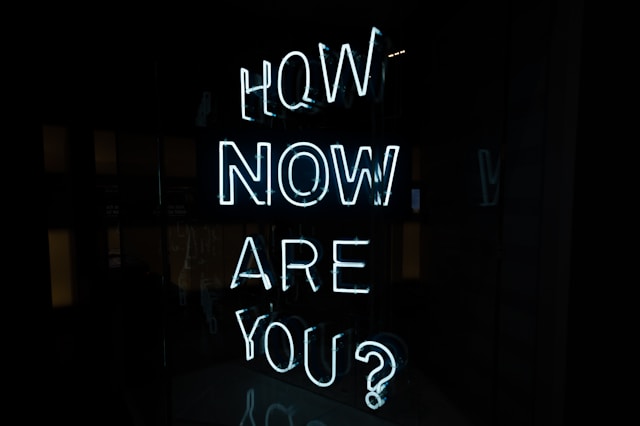
Quick answer: LED 3D signage combines dimensional lettering with programmable LED lighting to grab attention day and night. It boosts visibility through depth, brightness, and motion—helping businesses attract foot traffic, strengthen brand recall, and outshine flat competitors. The result is a storefront that people notice, remember, and walk toward.
Foot traffic doesn’t just happen. People walk toward the businesses they can see—and the ones they can’t see, they walk right past. That’s the challenge every brick-and-mortar business faces on a crowded street: how do you cut through the visual noise of signs, windows, and passing cars?
LED 3D signage answers that question with a mix of physical depth and dynamic light. Instead of a flat panel bolted to a wall, you get raised letters, glowing edges, and lighting effects that shift throughout the day. It’s the difference between a sign people scan over and one that actually stops them.
This post breaks down seven specific ways three-dimensional LED signage makes a business more noticeable. Whether you run a café, a retail store, or a service business, you’ll walk away knowing exactly how dimensional signage earns its place on your storefront—and why it often pays for itself in new customers.
What is LED 3D signage?
LED 3D signage refers to raised, dimensional letters or logos that are illuminated using LED lighting. Unlike flat printed signs, these signs project outward from their mounting surface, creating physical depth. The LEDs can be built into the face of the letters (front-lit), behind them to create a soft glow (halo-lit or backlit), or both.
The two most common styles are channel letters and halo-lit letters. Channel letters have illuminated faces that glow directly toward the viewer. Halo-lit letters push light backward against the wall, creating a striking outline effect around each letter. Both use energy-efficient LEDs, which last far longer and draw less power than older neon or fluorescent options.
The depth is what sets these signs apart. A flat sign reads as a single plane. A 3D sign from led3dsignage.sg casts shadows, catches light at different angles, and looks different as a person moves past it. That movement is exactly what the human eye is wired to notice.
1. Depth catches the eye faster than flat signs
The human brain processes three-dimensional objects differently from flat images. We’re built to detect depth, shadow, and contour—skills that once helped us spot movement in a landscape. A dimensional sign taps into that instinct.
When light hits a raised letter, it creates highlights on one edge and shadow on another. That contrast makes the letters pop from their background, so a passerby registers the sign in a split second rather than skimming past it. Flat signage, by comparison, blends more easily into a busy wall of storefronts.
For a business on a competitive strip, that fraction of a second matters. It can be the difference between a customer noticing your name and forgetting you exist.
2. LED lighting keeps you visible around the clock
A painted sign disappears the moment the sun goes down. LED 3D signage doesn’t. Because the lettering is illuminated, your business stays visible through dusk, night, and early morning—prime hours for restaurants, bars, convenience stores, and any business open late.
LEDs are especially well-suited to this job. They produce bright, consistent light, they don’t flicker or dim over time like neon, and they hold up in cold and hot weather. A well-lit 3D sign essentially advertises for you 24 hours a day, whether your doors are open or not. Even after closing, a glowing sign reinforces your location in the minds of people driving by.
Nighttime visibility also improves safety perception. A brightly lit storefront feels more welcoming and secure, which encourages people to approach.
3. Motion and lighting effects create movement that draws attention
Static things fade into the background. Movement doesn’t. Many LED 3D signs can be programmed with subtle lighting effects—gentle color transitions, a soft pulse, or sequenced lighting that draws the eye across your business name.
You don’t need a flashing carnival display to benefit. Even a slow color shift or a warm glow that “breathes” is enough to trigger the eye’s natural pull toward motion. This makes your sign feel alive compared to the frozen storefronts around it.
Used with restraint, these effects add personality without cheapening the look. A boutique might choose a slow, elegant fade, while a game arcade might opt for something bolder. The key is matching the effect to the brand.
4. Dimensional signage strengthens brand recall
People remember what stands out. A sign with physical depth and custom lighting creates a stronger visual memory than a flat logo on a board.
Think about how a shopper describes finding a store to a friend: “the one with the big glowing blue letters.” That description sticks because the sign was distinctive. LED 3D signage gives your brand a physical signature that’s easy to picture and easy to repeat.
Consistency helps here. When your 3D sign matches your logo colors, font, and overall style, every person who walks by absorbs a small piece of your brand identity. Over time, repeated exposure builds familiarity—and familiar businesses feel more trustworthy.
5. A premium look elevates how customers perceive your business
Signage is often the first thing a customer sees, and first impressions form fast. A cheap, faded flat sign can quietly signal that a business cuts corners. A crisp, well-lit dimensional sign signals the opposite: care, quality, and permanence.
This perception carries real weight. Customers frequently judge the quality of what’s inside a store based on how the outside looks. A polished 3D sign suggests you take pride in your business, which sets expectations for the products or service they’ll find within.
For businesses in competitive categories—salons, restaurants, boutiques, and professional offices—that premium impression can justify higher prices and attract a customer base that values quality.
6. Custom shapes and logos make you instantly recognizable
Flat signs limit you to a printed design on a rectangular surface. LED 3D signage opens the door to custom shapes, sculpted logos, and creative layouts that reflect exactly what your business is about.
A coffee shop can render its cup logo in glowing dimensional form. A barbershop can spell its name in a bold, retro-inspired typeface with halo lighting. The freedom to build a sign around your specific brand—rather than squeezing your brand into a standard template—makes your storefront one of a kind.
That distinctiveness pays off on busy streets and in strip malls, where many businesses blur together. A uniquely shaped, illuminated sign becomes a landmark that customers use to find you and describe you to others.
7. Better visibility can lower your customer acquisition costs
Every new customer costs money to acquire—through ads, promotions, or online marketing. A highly visible sign works differently. Once installed, it markets your business continuously without a per-click or per-impression fee.
LED 3D signage is a one-time investment that keeps drawing attention for years. Because LEDs are energy-efficient and long-lasting, ongoing costs stay low. Compared with the recurring spend of digital advertising, a sign that captures walk-in traffic can deliver a strong return over its lifespan.
For local businesses that depend on foot and vehicle traffic, this makes dimensional signage one of the most cost-effective marketing tools available—it’s always on, always visible, and always working.
How to choose the right LED 3D sign for your business
Start with where the sign will live. A sign viewed mostly from across a wide road needs to be larger and brighter than one on a pedestrian-heavy sidewalk. Measure your typical viewing distance before deciding on size.
Next, consider lighting style. Front-lit channel letters read well from a distance and suit high-traffic roads. Halo-lit letters create a softer, upscale look that works beautifully for boutiques and offices. Some businesses combine both for maximum impact.
Finally, match the sign to your brand and check local regulations. Many cities have rules on sign size, brightness, and placement, so confirm the requirements before you order. Working with an experienced sign maker helps you balance visibility, style, and compliance from the start.
Make your storefront impossible to miss
A great location only helps if people can find you—and a flat, forgettable sign quietly undercuts even the best spot. LED 3D signage fixes that by combining depth, light, and design into a storefront presence that works day and night.
The seven benefits above all point to the same outcome: more people notice your business, remember it, and choose it over the competition. If foot traffic matters to your bottom line, upgrading your signage is one of the highest-impact changes you can make.
The next step is simple. Assess your current sign, note where it falls short in visibility, and talk to a reputable local sign maker about a dimensional LED option that fits your brand and your budget.
Frequently asked questions
How much does LED 3D signage cost?
Costs vary widely based on size, lighting style, materials, and installation. Small dimensional signs may start in the low hundreds, while large custom channel-letter signs can run into the thousands. Because a sign is a one-time investment that works for years, it’s best evaluated on long-term value rather than upfront price alone.
How long does LED 3D signage last?
Quality LED signage is built to last. LED components commonly run for 50,000 hours or more, which can translate to many years of nightly use. The dimensional letters and housing, when made from durable materials, can last even longer with minimal maintenance.
Is LED signage energy-efficient?
Yes. LEDs use significantly less power than traditional neon or fluorescent lighting and generate less heat. This keeps operating costs low even when the sign runs every night, making it an economical choice for continuous visibility.
Which is better, front-lit or halo-lit signage?
It depends on your goal. Front-lit channel letters are brighter and more readable from a distance, making them ideal for busy roads. Halo-lit letters offer a softer, more upscale glow suited to boutiques and professional offices. Choose front-lit if maximum readability matters most, and halo-lit if a premium aesthetic is your priority.
Do I need a permit for outdoor LED signage?
In most areas, yes. Many cities regulate sign size, brightness, and placement, and some restrict illuminated signage in certain zones. Check with your local government or work with a sign company that handles permitting to ensure your sign meets all requirements.