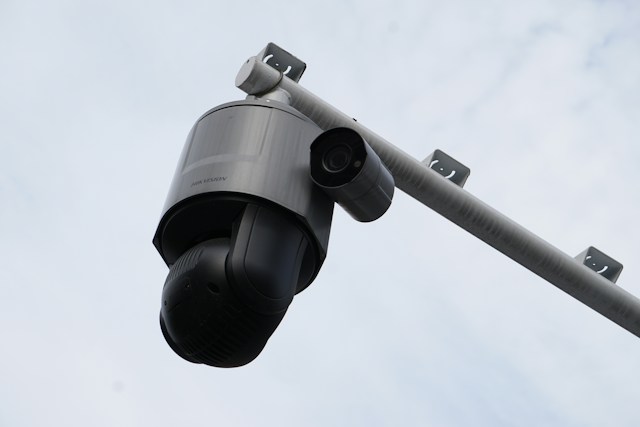
Quick answer: Effective retail CCTV in Singapore depends less on the number of cameras installed and more on where they’re placed. Strategic camera placement at entrances, checkout counters, high-value displays, blind spots, and stockrooms helps retailers deter theft, resolve disputes, and monitor staff performance. Combined with proper lighting, resolution, and storage planning, smart placement turns a basic CCTV system into a genuine security asset.
Singapore retailers lose inventory to theft, employee fraud, and operational errors every year. Some of that loss is preventable, but only if store owners understand how their surveillance systems actually work. A CCTV camera bolted to the ceiling doesn’t automatically protect a store. Its position, angle, and coverage area determine whether it captures anything useful when an incident occurs.
Many retail businesses install cameras reactively, adding units after a theft or dispute rather than planning coverage from the start. This often results in blind spots near high-value merchandise, poor footage angles at checkout counters, or cameras aimed at walls instead of aisles. Getting placement right the first time saves money on reinstallation and closes the gaps that opportunistic shoplifters look for.
This guide breaks down where retail CCTV cameras deliver the most value, what factors affect camera performance, and how Singapore retailers can build a surveillance strategy that actually reduces loss.
Why does camera placement matter more than camera count?
Adding more cameras doesn’t guarantee better security. A store with fifteen poorly positioned cameras can have worse coverage than one with six cameras placed strategically. Camera placement determines three critical things: what footage captures, how usable that footage is as evidence, and whether the system deters bad behavior in the first place.
Retailers that overspend on camera quantity but underspend on placement planning often discover the gaps only after an incident, when it’s too late to recover the footage they need. A single wide-angle camera positioned correctly at a store entrance can outperform three cameras crammed into a stockroom corner.
Where should retail stores in Singapore place CCTV cameras?
Entrances and exits
Every retail CCTV system should start at the door. Cameras at entrances and exits capture the face of every person entering or leaving the store, which is essential for identifying repeat shoplifters or suspects in a police report. Position these cameras at eye level, angled slightly downward, to get a clear frontal view rather than a shot of the top of someone’s head.
Checkout counters and cash registers
Checkout areas see the highest concentration of cash and card transactions, making them a priority for both theft prevention and staff accountability. Cameras here should cover the register, the surrounding counter space, and the customer-facing side of the transaction. This footage helps resolve disputes over pricing, refunds, and till discrepancies, and it discourages internal theft by cashiers.
High-value or high-theft merchandise displays
Electronics, cosmetics, alcohol, and designer goods are common targets for shoplifting in Singapore retail environments. These areas deserve dedicated camera coverage with commercialcctvsecurity.sg rather than relying on a single wide shot of the store floor. A camera angled directly at a display shelf captures far more detail than one positioned across the room.
Blind spots and low-traffic aisles
Shoplifters gravitate toward areas without staff visibility or foot traffic, such as corners, dead-end aisles, and fitting rooms (excluding the fitting room interior itself, which should never be filmed for privacy reasons). Walk through your store and identify areas where a staff member wouldn’t naturally see a customer’s hands. Those spots need coverage.
Stockrooms and storage areas
Inventory shrinkage doesn’t only happen on the sales floor. Stockrooms, loading docks, and storage areas are common sites for internal theft, since employees often assume these spaces go unmonitored. Cameras here also help track deliveries and confirm stock counts against supplier invoices.
Parking areas and external premises
For standalone stores or those with dedicated parking, external cameras covering entry points, parking areas, and delivery zones add a layer of protection against break-ins outside operating hours and help identify vehicles involved in theft or vandalism.
What factors affect how well a CCTV camera performs?
Camera height and angle
Cameras mounted too high often capture the tops of heads rather than usable facial images. A height of roughly 2.1 to 2.4 meters, angled to capture faces at a natural walking pace, tends to produce clearer identification footage than cameras mounted at ceiling height and angled straight down.
Lighting conditions
Poor lighting is one of the most common reasons retail CCTV footage becomes unusable. Cameras positioned near windows or bright light sources can suffer from glare or backlighting that silhouettes a person’s face. Choose cameras with wide dynamic range (WDR) for areas with inconsistent lighting, and avoid pointing cameras directly at light sources or reflective surfaces.
Resolution and field of view
Higher resolution cameras (1080p or above) capture finer detail, which matters most at checkout counters and entrances where facial identification is critical. Wide-angle cameras suit open floor areas where general activity monitoring matters more than fine detail, while narrower lenses work better for focused coverage of a specific display or register.
Storage and retention period
Camera placement decisions should also account for how long footage needs to be retained. Singapore retailers should choose storage systems that retain footage long enough to investigate delayed theft reports or chargeback disputes, which can surface days or weeks after the transaction occurred.
Should retailers choose visible cameras or covert monitoring?
Both approaches have a place in a retail security strategy, and the right choice depends on the goal.
Choose visible cameras if deterrence matters more than catching a specific offender. A clearly mounted camera near an entrance signals to potential shoplifters that the store is monitored, which can prevent opportunistic theft before it happens.
Choose covert or discreetly placed cameras if investigating a suspected internal theft ring or a pattern of loss that hasn’t been traced to a specific individual. Covert cameras avoid tipping off the person responsible and can capture more natural behavior than one under obvious surveillance.
Most Singapore retailers benefit from a combination: visible cameras at entrances and checkout counters to deter casual theft, paired with additional coverage in blind spots and stockrooms to catch more calculated attempts.
How does CCTV placement help beyond theft prevention?
Retail CCTV isn’t only a theft deterrent. Well-placed cameras also support:
- Staff performance monitoring: Footage at checkout counters and the sales floor helps managers review customer service quality and adherence to store procedures.
- Dispute resolution: Clear footage of transactions and interactions resolves customer complaints about pricing, refunds, or alleged mistreatment.
- Operational insights: Camera footage covering the sales floor can reveal foot traffic patterns, helping retailers optimize product placement and store layout.
- Health and safety compliance: Cameras near entrances, stockrooms, and high-traffic zones can document safety incidents such as slips or falls, which matters for insurance claims and liability protection.
What should retailers do after installing CCTV cameras?
Installing cameras in the right locations is only the first step. Retailers should also:
- Test camera angles regularly. Store layouts change as shelving and displays are rearranged. What was a clear line of sight last quarter might now be blocked by a new display unit.
- Maintain footage quality. Dust, smudges, or dislodged brackets can quietly degrade footage quality over time. Schedule periodic checks to confirm every camera still captures a clear image.
- Train staff on the system’s purpose. Employees should understand that CCTV protects them too, whether by documenting false customer complaints or providing evidence in the event of a robbery.
- Review footage proactively, not just reactively. Spot-checking footage periodically, rather than only reviewing it after an incident, helps identify emerging theft patterns or procedural issues before they escalate.
Building a smarter retail security strategy
Camera placement is the foundation of an effective retail CCTV system, but it works best as part of a broader security strategy that includes staff training, clear store policies, and regular system maintenance. Retailers who treat surveillance as a one-time installation rather than an ongoing process tend to see diminishing returns as store layouts evolve and new blind spots emerge.
Before your next CCTV installation or system upgrade, walk through your store from a shoplifter’s perspective. Identify where you’d feel unwatched, then make sure a camera closes that gap. That single exercise often reveals more about your store’s vulnerabilities than any equipment upgrade.
Frequently asked questions
How many CCTV cameras does a retail store in Singapore need?
There’s no fixed number. The right count depends on store size, layout complexity, and the number of high-risk areas like checkout counters and high-value displays. A small boutique might need four to six cameras, while a larger store with multiple aisles and a stockroom could require twelve or more.
Is it legal to install CCTV cameras in a retail store in Singapore?
Yes, retail CCTV is legal in Singapore and commonly used for security purposes. Retailers should avoid placing cameras in areas where customers or staff have a reasonable expectation of privacy, such as fitting room interiors or restrooms.
How long should retail CCTV footage be stored?
Retention periods vary by business needs, but many Singapore retailers keep footage for at least 30 days to allow time for investigating delayed theft reports, chargeback disputes, or customer complaints.
Can CCTV footage be used as evidence in Singapore?
Yes, CCTV footage is commonly used as evidence in police reports and legal disputes in Singapore, provided the footage is clear enough to identify individuals or actions relevant to the case.
What’s the difference between a visible and a hidden CCTV camera for retail use?
Visible cameras deter opportunistic theft by signaling active monitoring, while hidden or discreet cameras are better suited for investigating ongoing internal theft without alerting the suspect. Many retailers use both types together for comprehensive coverage.