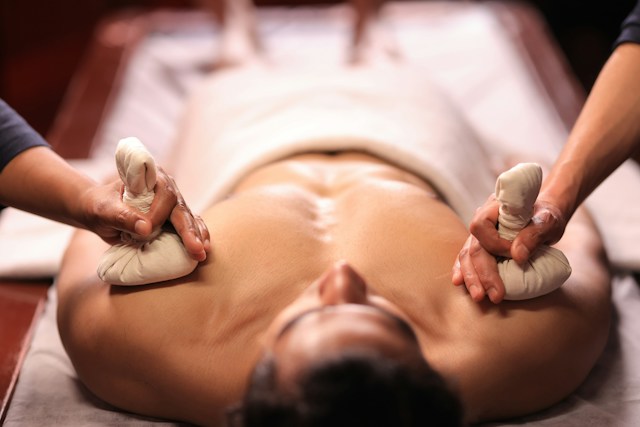
Quick answer: A full body massage works nearly every major muscle group—including the back, neck, shoulders, legs, arms, and feet—to relieve tension, improve circulation, and reduce stress throughout the entire body. Unlike targeted massages that focus on one problem area, a full body session addresses how muscle tension in one region often affects another, creating more balanced, lasting relief.
Most people book a massage because one specific area hurts. Maybe it’s a stiff neck from hunching over a laptop, or lower back pain from sitting all day. Targeting that one spot feels like the obvious solution.
But the body doesn’t work in isolation. Tight hip flexors can throw off your posture and strain your lower back. A tense jaw can trigger tension headaches that radiate through your neck and shoulders. When one muscle group compensates for another, pain and stiffness tend to spread rather than stay put.
That’s where a full body massage comes in. Rather than isolating a single trouble spot, this approach treats the body as a connected system, releasing tension in areas you might not even realize are contributing to your discomfort. This post breaks down how a complete massage session benefits each major area of the body, what techniques therapists typically use, and how to decide whether a full body massage is the right choice for your needs.
What Does a Full Body Massage Actually Cover?
A full body massage typically includes the back, neck, shoulders, arms, hands, legs, feet, and sometimes the scalp and face, depending on the therapist and modality. Sessions usually run 60 to 90 minutes, giving the therapist enough time to work through each region without rushing.
Common techniques include Swedish massage (long, gliding strokes for relaxation), deep tissue massage (targeted pressure for chronic tension), and myofascial release (stretching the connective tissue around muscles). Many therapists blend these approaches within a single session, adjusting pressure and technique as they move from one area to the next.
How Does Massage Benefit the Neck and Shoulders?
The neck and shoulders carry an outsized share of daily stress. Hours spent at a desk, staring at a phone, or driving all encourage the head to creep forward and the shoulders to round inward. Over time, this posture shortens the muscles at the base of the skull and across the upper trapezius, leading to stiffness, tension headaches, and reduced range of motion.
Massage therapy loosens these tight muscle fibers and increases blood flow to the area, which helps flush out metabolic waste that builds up in overworked tissue. Many people notice an immediate reduction in headache frequency after consistent neck and shoulder work, since tension in this region is a common headache trigger.
Why Include the Back in a Full Body Session?
The back is the largest muscle group treated in most massages, and for good reason. The muscles running along the spine—the erector spinae, latissimus dorsi, and rhomboids—work constantly to keep the body upright, even when you’re sitting still.
Chronic lower back pain is one of the most common reasons people seek massage therapy, and it’s frequently linked to tightness in surrounding areas like the hips and hamstrings, not just the back itself. A full body massage accounts for this by addressing the back alongside connected muscle groups, rather than isolating the spine and ignoring what’s pulling on it from below.
What Happens When You Massage the Arms and Hands?
Arms and hands rarely get attention outside of a full body session, but they’re just as prone to tension as any other muscle group. Repetitive movements like typing, texting, or gripping tools can lead to tightness in the forearms and reduced flexibility in the wrists and fingers.
Massaging this area with Kelly Oriental improves circulation to the extremities and can ease symptoms associated with repetitive strain, such as stiffness or mild discomfort during fine motor tasks. For anyone who spends long hours at a keyboard, this part of the session often delivers noticeably more relief than expected.
How Do Legs and Feet Factor Into a Full Body Massage?
The legs bear the body’s weight all day, and the feet absorb impact with every step. Tight hamstrings and calves can restrict movement and contribute to lower back strain, while tension in the feet—especially the plantar fascia—can cause discomfort that radiates up through the ankles and shins.
Massage techniques for the legs typically include long strokes to improve circulation, along with deeper pressure on areas like the calves and IT band, where tension commonly accumulates. Foot massage, meanwhile, stimulates nerve endings and can promote a sense of full-body relaxation that extends well beyond the feet themselves.
Does a Full Body Massage Help With Stress and Mental Health?
Beyond the physical benefits, full body massage has a measurable effect on stress levels. Massage therapy has been shown to lower cortisol (the body’s primary stress hormone) while increasing serotonin and dopamine, neurotransmitters associated with mood regulation, according to a widely cited study published in the International Journal of Neuroscience (Field et al., 2005).
Because a full body session engages multiple muscle groups over an extended period, it tends to produce a deeper state of relaxation than a shorter, localized massage. Many people report improved sleep quality and reduced anxiety in the days following a full body treatment, not just immediate relief during the session itself.
Who Should Choose a Full Body Massage Over a Targeted One?
Choose a full body massage if you’re dealing with generalized tension, stress, or fatigue that doesn’t seem to be confined to one specific area. This approach is also worth choosing if you’ve noticed that pain in one part of your body seems to shift or spread over time, since that pattern often signals compensatory tension elsewhere.
A targeted massage makes more sense if you have an acute, localized issue—like a pulled muscle or a specific knot—and limited time. In that case, spending the full session on one area allows the therapist to work more thoroughly on the problem spot rather than dividing attention across the whole body.
How Often Should You Get a Full Body Massage?
Frequency depends on your goals. For general stress relief and maintenance, once a month is a reasonable starting point for most people. Those managing chronic pain, high stress levels, or recovering from an injury may benefit from more frequent sessions, such as every one to two weeks, at least initially. It’s worth discussing a personalized schedule with a licensed massage therapist, since they can adjust recommendations based on your specific muscle tension patterns and health history.
Making the Most of Your Next Session
A full body massage isn’t just a luxury reserved for special occasions. It’s a practical way to address the interconnected nature of muscle tension, treating the body as the connected system it actually is rather than a collection of isolated parts.
If you’ve been managing pain or stiffness by focusing on just one area, consider giving a full body session a try instead. You may find that the tension you thought was confined to your neck or lower back was actually tied to something happening elsewhere in your body. Talk to a licensed massage therapist about your specific concerns before your next appointment, so they can tailor the session to your needs from the start.
Frequently Asked Questions
How long does a full body massage take?
Most full body massage sessions last 60 to 90 minutes. This gives the therapist enough time to address the back, neck, shoulders, arms, legs, and feet without rushing through any single area.
Is a full body massage more expensive than a targeted massage?
Full body massages are typically priced based on session length rather than the areas covered, so a 60-minute full body massage usually costs the same as a 60-minute targeted massage. Longer sessions (75-90 minutes) will cost more due to the additional time.
Are there any risks to getting a full body massage?
Full body massage is generally safe for most people, but those with certain conditions—such as blood clots, severe osteoporosis, or recent surgeries—should consult a doctor before booking a session. Always inform your therapist of any injuries or health conditions beforehand.
What should I wear during a full body massage?
Most people undress to their comfort level and are covered with a sheet or towel throughout the session, except for the area being worked on. Communicate your comfort preferences with your therapist before the massage begins.
Can a full body massage help with chronic pain conditions?
Full body massage can help manage symptoms of chronic pain conditions like fibromyalgia or chronic lower back pain by reducing muscle tension and improving circulation, though it’s typically most effective as part of a broader treatment plan rather than a standalone solution.