Quick answer: Spas requiring daily fresh linen typically rely on a structured towel cycle: used towels are collected and sorted, washed with high-temperature or sanitizing detergents, dried and folded, then restocked before the next shift. Many spas outsource this process to commercial linen services, while others manage it in-house with dedicated laundry equipment and staff.
Running a spa means juggling appointments, treatments, and client experience — but behind every relaxing massage or facial is a logistical operation that rarely gets discussed: towel management. Spas go through an enormous volume of linen each day, from hand towels and face cloths to body wraps and robes. Keeping a steady, hygienic supply isn’t just a nice-to-have. It’s a requirement for passing health inspections, maintaining client trust, and keeping operations running without interruption.
For spa owners and managers, the question of how to handle daily linen needs often comes down to a few key decisions: Should towels be laundered on-site or sent to an outside service? How many towels does the business actually need to own? What hygiene standards must be met, and how can costs be kept under control without compromising quality?
This post breaks down exactly how spa towels move through a typical daily cycle, compares in-house laundering against outsourced linen services, and offers practical guidance for keeping your linen program efficient and compliant.
Why Daily Towel Turnover Matters for Spas
Spas use towels for nearly every service — wrapping clients during treatments, wiping away oils and masks, lining massage tables, and offering post-treatment comfort. Because towels come into direct contact with skin, oils, and sometimes bodily fluids, they can’t simply be reused between clients. Each treatment typically requires fresh linen, which means a mid-sized spa offering a dozen or more appointments per day can easily go through hundreds of towels in a week.
Beyond hygiene, towel quality also shapes the client experience. A plush, clean, perfectly folded towel reinforces a sense of luxury and care. A thin, stained, or rough one can undercut even the best massage or facial. That’s why towel handling isn’t just a back-of-house logistics issue — it directly affects how clients perceive the spa’s quality and professionalism.
What Does a Typical Spa Towel Workflow Look Like?
Most spas follow a similar sequence to keep linen moving from treatment rooms to storage and back again. While the exact steps vary depending on whether laundering happens on-site or off-site, the core workflow generally includes four stages.
Collection and Sorting
After each treatment, used towels are gathered into designated hampers or bins, usually separated by type — bath towels, hand towels, robes, and massage table linens often get sorted differently because they require different wash cycles or drying times. Some spas also separate heavily soiled items (like those with oil or wax residue) from lightly used ones to prevent cross-contamination and ensure proper stain treatment.
Washing and Sanitizing
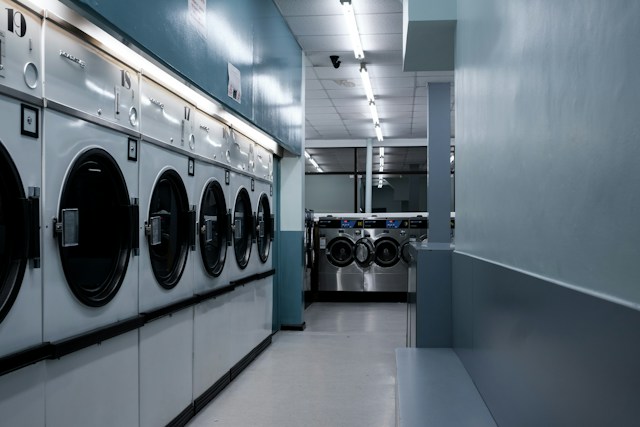
This stage is where hygiene standards really come into play. Commercial-grade washing machines use higher temperatures than typical residential machines, often combined with sanitizing detergents or additives designed to kill bacteria and remove oils. Spas that handle laundering in-house need equipment capable of withstanding frequent, heavy-duty cycles, while those using an outside linen service rely on the provider’s industrial equipment and protocols.
Drying, Folding, and Storage
Once washed, towels are dried — typically using high-heat commercial dryers to eliminate moisture completely, which also helps prevent mildew and odor. After drying, staff fold towels to the spa’s preferred presentation style and store them in a clean, enclosed space until needed. Many spas keep a rotating stock on hand so that laundered towels have time to fully cool and air out before use.
Delivery and Restocking
For spas using a linen rental or laundering service, fresh towels are usually delivered on a set schedule — often daily or every other day — while soiled towels are picked up at the same time. In-house operations instead rely on staff to manage the wash-dry-fold cycle internally, timing it so enough clean inventory is always available for the next day’s appointments.
Should Spas Launder Towels In-House or Outsource to a Linen Service?
This is one of the biggest operational decisions a spa owner faces, and the right answer depends on the size of the business, available space, and labor costs.
In-house laundering gives spas full control over scheduling, quality, and turnaround time. It can be more cost-effective for smaller spas with lower towel volume, since there’s no recurring service fee. However, it requires investing in commercial washers and dryers, dedicating staff time to laundry duties, and managing water and energy costs — all of which can add up quickly as appointment volume grows.
Outsourced linen services take the laundering burden off spa staff entirely. A provider like laundryservices.sg delivers fresh, sanitized towels on a set schedule and picks up used ones, which frees up staff to focus on client care rather than laundry logistics. This option tends to make more sense for larger spas or those with limited on-site space for laundry equipment. The tradeoff is less control over exact turnaround times and a recurring operational cost that scales with linen volume.
Choose in-house laundering if the spa has the space, staff capacity, and lower daily towel volume to make it cost-efficient. Choose an outsourced linen service if the spa prioritizes consistency, wants to minimize labor overhead, or operates at a scale where managing laundry internally would strain staff resources.
What Hygiene Standards Apply to Spa Linen?
Because spas are considered personal care businesses, they’re often subject to local health department regulations regarding linen sanitation. While specific requirements vary by state and municipality, common standards include washing towels at high temperatures, using EPA-registered disinfectants or sanitizing detergents, and storing clean linen separately from soiled linen to prevent cross-contamination.
Spa owners should check with their local health department or licensing board to understand the exact requirements in their area, since failing to meet linen hygiene standards can result in fines or, in severe cases, closure during an inspection. Many professional linen services are well-versed in these regulations and build their sanitizing processes around them, which can simplify compliance for spa owners who outsource.
What Are Common Challenges in Managing Spa Towel Inventory?
Even with a solid workflow in place, spas often run into a few recurring issues:
- Running out of clean towels during peak hours — This typically happens when inventory estimates don’t account for busy days or last-minute bookings.
- Towel wear and tear — Frequent washing at high temperatures breaks down fibers over time, meaning towels need regular replacement to maintain a soft, presentable feel.
- Storage space limitations — Spas with small back-of-house areas may struggle to store enough clean linen to cover a full day’s appointments.
- Staff time spent on laundry — For in-house operations, laundry duties can eat into time that could otherwise go toward client-facing tasks.
Addressing these challenges usually comes down to accurate inventory planning — having enough towels in rotation to cover busy days, plus a buffer, while retiring worn linens before they affect the client experience.
How Can Spas Reduce Linen Costs Without Sacrificing Quality?
Controlling linen costs doesn’t have to mean cutting corners. A few practical strategies include:
- Right-sizing inventory — Owning or renting enough towels to cover two to three days’ worth of appointments, rather than overstocking, reduces storage strain and waste.
- Choosing durable, mid-weight towels — Extremely plush towels may feel luxurious but often wear out faster under frequent industrial washing.
- Tracking usage patterns — Monitoring which treatments use the most linen can help forecast more accurate daily needs.
- Comparing service contracts — For spas using outsourced linen services, periodically reviewing contract terms and pricing can reveal opportunities to renegotiate or switch providers for better rates.
Keeping Your Spa’s Linen Program Running Smoothly
Fresh towels might seem like a small detail in the broader spa experience, but the system behind them is anything but simple. From collection and sanitizing to folding and restocking, every step matters — both for hygiene compliance and for the impression clients walk away with. Whether a spa chooses to manage laundering in-house or partner with a commercial linen service, the goal remains the same: a steady, reliable supply of clean, high-quality towels ready for every appointment.
If your spa is currently weighing these options, start by calculating your actual daily towel volume and comparing the true cost of in-house laundering — including equipment, labor, and utilities — against quotes from local linen services. That comparison will make the right path forward much clearer.
Frequently Asked Questions
How many towels does a spa typically need per day?
This depends on appointment volume and service types, but most spas keep a rotating stock equal to two to three days’ worth of use to account for laundering turnaround and unexpected busy periods.
Is it cheaper to launder towels in-house or use a linen service?
It depends on scale. Smaller spas with lower towel volume often save money laundering in-house, while larger spas may find outsourcing more cost-effective once labor, equipment, and utility costs are factored in.
What temperature should spa towels be washed at?
Commercial laundering typically uses high-heat cycles, often above what residential machines offer, combined with sanitizing detergents to meet hygiene standards.
Can spas reuse towels between clients?
No. Towels that contact skin, oils, or treatment products should be laundered after each use to meet hygiene expectations and health regulations.
What happens if a spa runs out of clean towels?
This usually signals an inventory planning issue. Spas can address it by increasing their towel stock, adjusting laundering schedules, or negotiating more frequent deliveries with their linen service.