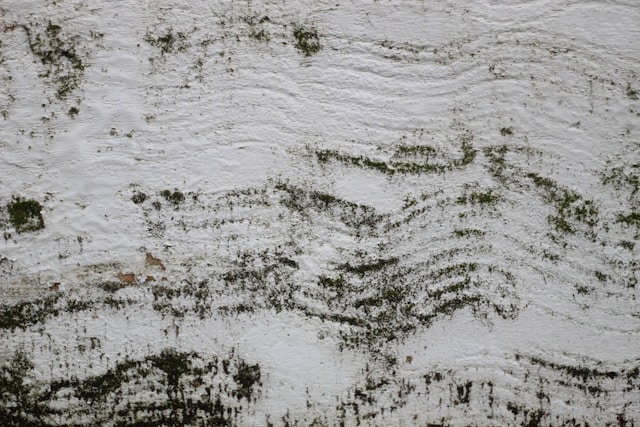
TL;DR: Mold returns when the root cause—moisture—goes unaddressed. The most common mold removal mistakes include painting over mold, using bleach on porous surfaces, skipping protective gear, and neglecting ventilation. Fixing these errors and targeting the moisture source are the keys to permanent mold removal.
You scrub it. You spray it. You think it’s gone. Then, a few weeks later, those familiar dark patches creep back across the same wall, the same ceiling, the same grout lines.
Recurring mold is one of the most frustrating home maintenance problems precisely because the fix seems so straightforward—until it isn’t. The truth is, most people don’t have a mold problem. They have a moisture problem that keeps expressing itself as mold. And the way most people approach mold removal, often with good intentions and a bottle of bleach, can actually make the situation worse.
Mold spores are everywhere. They float through the air constantly, looking for the right conditions to settle and grow. Give them a damp surface, a little warmth, and minimal airflow, and they’ll thrive. Remove the mold without removing those conditions, and you’re not solving anything—you’re just resetting the clock.
This guide breaks down the most damaging mold removal mistakes homeowners make, explains why each one backfires, and offers practical guidance on what to do instead. Whether you’re dealing with a small bathroom patch or a more persistent problem throughout your home, understanding these errors is the first step toward actually getting rid of mold for good.
Why Does Mold Keep Coming Back After Cleaning?
Before getting into the specific mistakes, it helps to understand why mold recurs in the first place.
Mold is not a stain. It’s a living organism—a fungus that sends roots (called hyphae) into porous materials like drywall, grout, and wood. Cleaning the visible surface removes the surface growth, but if those roots remain embedded in the material, or if moisture continues feeding new spore activity, mold will return. Often faster than before.
Recurring mold signals one of three things: the moisture source was never fixed, the cleaning method didn’t fully eliminate the colony, or the affected material was never properly replaced. Most cases involve all three.
Mistake #1: Using Bleach on Porous Surfaces
Bleach is the go-to mold remover for most households, and on non-porous surfaces like glass or tile, it works reasonably well. The problem starts when people apply bleach to porous materials—drywall, wood, caulk, grout, and ceiling tiles.
Bleach is water-based. When you apply it to a porous surface, the water component absorbs into the material while the active ingredient (sodium hypochlorite) largely stays on top. The visible mold appears to vanish, but the fungal roots embedded deeper in the material remain alive and well—now with extra moisture to feed on.
What to do instead: For porous surfaces, use products specifically formulated to penetrate and kill mold at the root level, such as those containing hydrogen peroxide or quaternary ammonium compounds. For severe growth on drywall or wood, replacement is often more effective than any cleaning product.
Mistake #2: Painting Over Mold
This one is surprisingly common, particularly before selling a home or after a cosmetic renovation. Mold-resistant paint does have its place, but applying it over existing mold growth is like putting a bandage over an infected wound. The mold continues to grow underneath, and eventually, it bleeds through—often with more surface area than before.
Some homeowners use “mold-blocking” primers under the assumption that these products kill the mold. They don’t. They inhibit future growth on the painted surface, but they have no effect on existing colonies.
What to do instead: Always fully remediate mold before applying any paint or primer. Remove the affected material if necessary, allow the area to dry completely, treat with an appropriate antimicrobial product, and only then apply mold-resistant primer and paint as a preventive measure.
Mistake #3: Ignoring the Moisture Source
This is the single biggest reason mold keeps coming back. Every mold problem has a moisture source—a leaking pipe, condensation from poor insulation, inadequate ventilation, rising damp, or a roof leak. Remove the mold without addressing the moisture, and new spores will colonize the same area within days to weeks.
Many homeowners focus entirely on the visible mold and never ask: why is this surface wet? A bathroom ceiling with recurring mold almost always points to inadequate ventilation. Mold appearing repeatedly on an exterior wall often signals a thermal bridge—cold surfaces where warm interior air condenses. Basement mold frequently traces back to groundwater infiltration.
What to do instead: Before cleaning anything, identify and fix the moisture source. This may require a plumber, a roofing inspection, improved ventilation, or a dehumidifier. No mold treatment is permanent if the underlying moisture problem remains.
Mistake #4: Not Using Proper Protective Equipment
Skipping protective gear during mold removal isn’t just a safety oversight—it can spread the problem. Disturbing a mold colony releases spores into the air. Without proper containment and protective equipment, those spores travel through your home’s air currents and settle in new locations, creating secondary mold growth in rooms that previously had none.
Beyond spreading the mold, unprotected exposure poses real health risks. Mold spores can trigger respiratory issues, allergic reactions, and in the case of certain species like Stachybotrys chartarum (black mold), more serious health effects in vulnerable individuals.
What to do instead: At minimum, wear an N-95 respirator (not a basic dust mask), nitrile gloves, and safety goggles when handling mold. For larger infestations, seal off the affected area with plastic sheeting before beginning work to prevent spore dispersal.
Mistake #5: Cleaning Without Drying the Area Thoroughly
Many people clean mold and consider the job done—but if the cleaned surface isn’t dried completely afterward, moisture lingers and the cycle begins again almost immediately. This is especially common in bathrooms, basements, and kitchens where ambient humidity is already high.
Water used during the cleaning process, combined with any residual moisture from the original source, creates exactly the conditions mold needs to reestablish itself.
What to do instead: After cleaning, use fans, dehumidifiers, or open windows to dry the area as thoroughly as possible. Aim for indoor humidity levels below 50%, which is the threshold above which mold growth becomes significantly more likely. A cheap hygrometer can help you monitor humidity levels in problem areas.
Mistake #6: Underestimating the Size of the Problem
Visible mold is rarely the full extent of the problem. Mold often grows inside wall cavities, beneath flooring, behind baseboards, and inside HVAC ducts—areas where it’s not immediately visible but actively spreading. Treating only the surface mold while a larger colony grows unseen means the problem will resurface repeatedly, often in new locations.
A small patch on a bathroom ceiling might indicate a much larger area of growth in the ceiling cavity above. Mold near a window might extend behind the wall into insulation that’s been damp for months.
What to do instead: If mold recurs in the same spot despite treatment, consider calling a professional mold inspector to assess what’s happening behind surfaces. Thermal imaging and moisture meters can reveal hidden moisture and mold growth without requiring destructive investigation.
Mistake #7: Using a Fan to Dry Out the Area Before Cleaning
Running a fan directly on a mold-affected area before cleaning—with the intention of drying it out—is counterproductive. Fans disperse mold spores throughout the room and into adjacent spaces before you’ve had the chance to contain or treat them.
What to do instead: Contain the area first. Only run fans for drying purposes after the mold has been fully treated and removed, and ideally direct the airflow toward an open window or exhaust point rather than recirculating it through your living space.
Mistake #8: Assuming DIY Is Always Sufficient
Small mold patches (less than 10 square feet, as a general guideline used by the U.S. Environmental Protection Agency) are typically manageable for a capable DIYer. Anything beyond that, or any growth inside HVAC systems, insulation, or structural materials, generally requires professional remediation.
Professional mold remediators use containment barriers, negative air pressure systems, and commercial-grade antimicrobials to ensure the problem is fully addressed. Attempting large-scale remediation without this equipment often spreads contamination rather than eliminating it.
What to do instead: Honestly assess the scope of the problem. If mold covers a large area, has penetrated structural materials, or keeps returning despite repeated treatment, consult a certified mold remediation specialist.
How to Prevent Mold From Returning Long-Term
Successful mold prevention comes down to consistent moisture management. Practical steps include:
- Ventilate high-humidity areas like bathrooms and kitchens with exhaust fans vented to the outside (not just to the attic)
- Fix leaks promptly—even small drips behind walls can sustain mold growth indefinitely
- Use a dehumidifier in basements and other areas prone to dampness, targeting humidity below 50%
- Improve insulation on cold exterior walls to reduce condensation
- Inspect gutters and drainage around the home’s foundation regularly to prevent water infiltration
- Clean and inspect HVAC filters regularly, as mold in ductwork can spread spores throughout an entire building
Stop Cleaning Mold—Start Eliminating It
The difference between cleaning mold and eliminating it comes down to one thing: addressing the system, not just the symptom. Mold is persistent because it’s opportunistic—any overlooked moisture source, any missed spore colony, any temporary fix becomes an invitation for it to return.
Avoid the mistakes outlined here, track down the moisture driving the growth, and treat affected materials thoroughly rather than cosmetically. For problems that keep recurring despite your best efforts, bring in a certified professional before the damage extends into your home’s structure.
A mold-free home isn’t about cleaning harder. It’s about understanding why mold grows and removing the conditions that let it.
Frequently Asked Questions
Why does mold keep coming back in the same spot?
Recurring mold in the same location almost always points to an unresolved moisture source—a slow leak, condensation from poor insulation, or inadequate ventilation. Cleaning the visible mold without fixing the moisture source provides only temporary results.
Is bleach effective for killing mold?
Bleach is effective on non-porous surfaces like glass and glazed tile. On porous materials such as drywall, wood, or grout, bleach does not penetrate deeply enough to kill mold at the root level and may worsen the problem by introducing additional moisture.
How do I know if mold has spread inside my walls?
Signs of hidden mold include a persistent musty odor, mold that returns quickly after cleaning, visible water staining, or peeling paint. A professional mold inspector can use moisture meters and thermal imaging to identify hidden mold growth without opening walls.
What humidity level prevents mold growth?
The U.S. Environmental Protection Agency recommends keeping indoor humidity between 30% and 50% to inhibit mold growth. Levels above 60% create conditions that strongly favor mold colonization.
When should I call a professional for mold removal?
The EPA recommends professional remediation for mold covering more than 10 square feet, any mold inside HVAC systems, mold resulting from sewage or contaminated water, or any situation where mold keeps returning despite repeated treatment.
Can mold-resistant paint prevent mold from growing?
Mold-resistant paint can inhibit future surface mold growth on clean, properly prepared surfaces. It does not kill existing mold and should never be applied over an active mold colony.