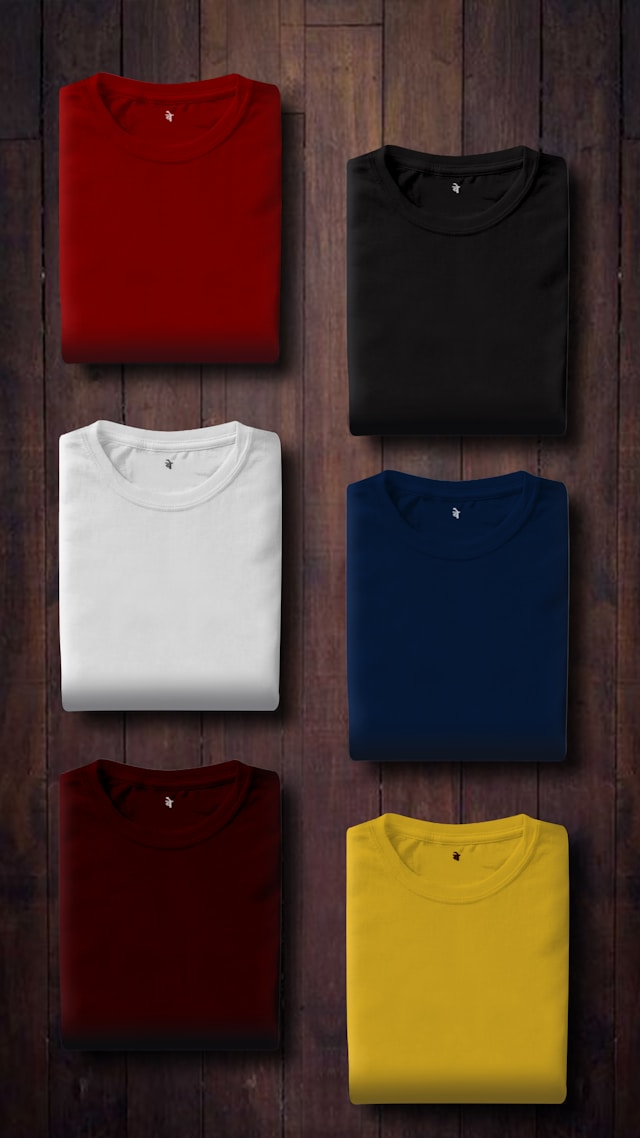
Quick answer: Great custom shirts in Singapore start with three decisions—the right printing method (screen printing, DTG, heat transfer, or embroidery), the right fabric for our humid climate, and a design that people genuinely want to wear. Match your method to your quantity and budget, choose breathable materials like cotton or moisture-wicking blends, and keep designs clean and purposeful.
Most custom shirts end up buried at the bottom of a drawer. You know the type—the stiff event tee with a logo slapped across the chest, or the company polo that feels like cardboard after one wash. They cost real money to produce, yet nobody reaches for them.
It doesn’t have to be this way. Whether you’re organizing a corporate event, launching a small clothing brand, kitting out a sports team, or planning class shirts for orientation, the difference between apparel people love and apparel people ignore usually comes down to a handful of decisions made before you ever place an order.
This guide walks through everything you need to know about shirt printing in Singapore: the main printing methods and when to use each, how to pick fabrics that survive our tropical weather, design principles that actually work, and practical tips for getting the best value from local suppliers. By the end, you’ll know how to brief a printer with confidence and avoid the mistakes that turn custom apparel into wardrobe clutter.
What are the main shirt printing methods in Singapore?
Singapore printers typically offer four core methods. Each has strengths, and picking the wrong one is the fastest way to blow your budget or end up with shirts that crack, fade, or feel wrong.
Screen printing: best for large quantities
Screen printing pushes ink through a mesh stencil, one color at a time. It remains the go-to choice for bulk orders because the cost per shirt drops sharply as quantities rise. The prints are durable, the colors are vibrant, and the ink sits solidly on the fabric.
The catch is setup. Each color needs its own screen, so a five-color design gets expensive fast—especially for small runs. Choose screen printing if you’re ordering 50 shirts or more with a simple, one- to three-color design. Think event tees, uniforms, and merchandise runs.
Direct-to-garment (DTG): best for detailed, colorful designs
DTG works like an inkjet printer for fabric. It sprays ink directly onto the shirt, which means it handles photographic detail, gradients, and unlimited colors with ease. There’s no setup cost per color, so it’s ideal for small batches and one-off pieces.
DTG prints feel soft because the ink soaks into the fabric rather than sitting on top. The trade-offs: it works best on 100% cotton, the per-shirt cost stays relatively flat regardless of quantity, and colors can look slightly less punchy on dark garments. Choose DTG for detailed artwork, small orders, or designs with many colors.
Heat transfer and vinyl: best for names and numbers
Heat transfer presses a design onto fabric using heat and pressure. Vinyl cutting, a popular subtype, is perfect for bold text, names, and numbers—which is why sports jerseys almost always use it. It’s affordable for small quantities and allows easy personalization within a single order.
The downside is durability. Lower-quality transfers can peel or crack over time, and large solid areas can feel heavy or plasticky. Choose heat transfer for jerseys, personalized gifts, and small orders that need individual names or numbers.
Embroidery: best for a premium, corporate look
Embroidery stitches your design directly into the fabric with thread. It signals quality and lasts for years, making it the standard for polos, caps, and corporate uniforms. Nothing beats embroidery for a professional finish.
It’s not suited to detailed or highly colorful artwork, and it costs more than printing—especially for large or intricate designs. Choose embroidery for logos on polos, jackets, and caps where a refined, lasting look matters more than color complexity.
Which printing method should you choose?
Here’s a quick way to decide based on what matters most to you:
- Ordering in bulk (50+) with a simple design? Go with screen printing for the best cost per shirt.
- Need detailed or colorful artwork in small quantities? DTG is your friend.
- Adding individual names or numbers to jerseys? Heat transfer or vinyl fits the job.
- Want a polished corporate look on polos or caps? Embroidery delivers.
Many Singapore printers offer all four, so don’t hesitate to ask for recommendations based on your artwork, quantity, and budget. A good supplier will steer you toward the method that suits your project rather than the one that’s most convenient for them.
What fabric works best for Singapore’s climate?
Fabric matters more here than almost anywhere else. Our year-round heat and humidity mean a shirt that feels great in a showroom can turn into a sweaty regret by lunchtime. The most comfortable custom apparel starts with the right material.
Cotton is breathable, soft, and takes print well—especially for DTG. It’s a safe, comfortable choice for casual tees. The downside is that cotton absorbs sweat and can feel damp, so it’s less ideal for sports or high-activity wear.
Polyester and dri-fit blends wick moisture away from the skin and dry quickly, making them the top pick for sports teams and outdoor events. They pair well with heat transfer and sublimation printing. Pure polyester can feel less soft, so many people prefer a blend.
Cotton-polyester blends (often 60/40 or 65/35) give you the best of both worlds: the comfort of cotton with the durability and quick-drying properties of polyester. For most everyday custom apparel in Singapore, a blend is the sensible default.
Bamboo and eco-friendly fabrics are gaining popularity for their softness and sustainability. They’re breathable and naturally moisture-wicking, though they usually cost more. Consider them if sustainability is part of your brand story.
If you’re unsure, ask your printer for fabric samples before committing. Feeling the material in person tells you far more than any product description.
How do you design a shirt people actually want to wear?
The best fabric and shirt printing Singapore method still won’t save a design nobody likes. Wearability is where most custom apparel projects quietly fail. A few principles make the difference.
Keep it simple. The shirts people reach for again and again tend to have clean, considered designs—not everything crammed onto one canvas. A small, well-placed logo often beats a giant graphic. Give your design room to breathe.
Rethink placement. A logo doesn’t have to dominate the chest. A small left-chest print, a subtle sleeve detail, or a minimal back design can look far more like something people would buy in a store. Ask yourself: would I wear this if it weren’t free?
Choose colors thoughtfully. Neutral shirt colors—black, white, navy, gray—get worn more than loud ones. If you want a pop of color, put it in the design rather than the garment. And always check that your print colors contrast well against the fabric.
Mind the details. Legible fonts, high-resolution artwork, and correct sizing all matter. Blurry logos and pixelated images are the fastest way to make a shirt look cheap. Supply your printer with vector files (like AI or EPS) or high-resolution images whenever possible.
Think about the wearer, not just the message. A shirt that shouts your brand from across the room might satisfy a marketing brief, but subtlety often earns more wear. The goal is apparel that becomes part of someone’s rotation—not a walking billboard they avoid.
How much does shirt printing cost in Singapore?
Prices vary widely based on method, quantity, fabric, and design complexity, so treat these as rough guides rather than fixed quotes.
Screen printing becomes very economical at higher volumes, which is why it dominates bulk orders. DTG keeps a fairly consistent per-shirt price no matter the quantity, making it better for small runs than large ones. Embroidery generally costs more per piece because of the stitching involved, and heat transfer sits at the affordable end for small, personalized orders.
To get the best value:
- Order in larger batches where possible to lower the per-shirt cost, particularly for screen printing.
- Simplify multi-color designs if you’re screen printing, since each color adds to setup fees.
- Request a sample before a large run to check quality, fit, and print accuracy.
- Compare quotes from a few suppliers, but weigh quality and service alongside price.
- Plan ahead. Rush orders often carry a premium, so give your printer reasonable lead time.
How do you choose a shirt printing supplier in Singapore?
Singapore has no shortage of printers, from large established shops to nimble online services. A few things separate a reliable partner from a frustrating one.
Look for clear communication and responsiveness—a printer who asks smart questions about your artwork and quantity is one who cares about the result. Check reviews and past work to gauge consistency. Confirm they offer the printing method and fabrics you need. And ask about turnaround times, minimum order quantities, and their process for approving a design proof before production.
The best suppliers act like advisors. They’ll flag if your artwork won’t print well, suggest a better fabric for your use case, or recommend a more cost-effective method. That guidance is worth as much as the printing itself.
Making custom apparel people will actually wear
Custom shirts don’t have to end up forgotten in a drawer. The formula is straightforward: match your printing method to your quantity and design, pick a fabric suited to Singapore’s climate, and treat the design as something people would genuinely choose to wear. Get those three right, and your apparel earns a place in the rotation instead of the recycling pile.
Start by clarifying your goals—quantity, budget, purpose, and the vibe you’re after. Then bring those details to a reputable local printer and lean on their expertise. Ask for samples, approve a proof, and don’t rush the process. A little care upfront pays off every time someone actually puts your shirt on.
Frequently asked questions
What is the cheapest shirt printing method in Singapore?
For large quantities, screen printing offers the lowest cost per shirt because the setup cost spreads across many units. For small quantities with simple text, heat transfer or vinyl tends to be the most affordable. DTG is cost-effective for small, detailed orders but doesn’t get cheaper in bulk the way screen printing does.
How long does custom shirt printing take in Singapore?
Turnaround typically ranges from a few days to two weeks, depending on the method, order size, and how busy the printer is. Embroidery and large screen-printing runs often take longer, while small DTG orders can be quicker. Rush services are usually available for an extra fee, so confirm lead times before ordering.
What’s the best printing method for a small clothing brand?
DTG is often the best fit for small clothing brands because it handles detailed, colorful artwork with no per-color setup cost and works well for small batches. As your order volumes grow and your designs simplify, screen printing can become more economical. Many brands use a mix depending on the specific product.
What fabric is best for custom shirts in Singapore’s weather?
Cotton-polyester blends are the most versatile choice for Singapore’s heat and humidity, combining comfort with quick-drying performance. For sports and outdoor use, polyester or dri-fit blends wick moisture best. For soft, casual everyday tees, cotton works well—just expect it to hold sweat more than a blend.
Can I order just one custom shirt?
Yes. DTG and heat transfer both support single-shirt or very small orders without high setup costs, making them ideal for one-off pieces or personalized gifts. Screen printing and embroidery, by contrast, are better suited to larger quantities because of their setup requirements.