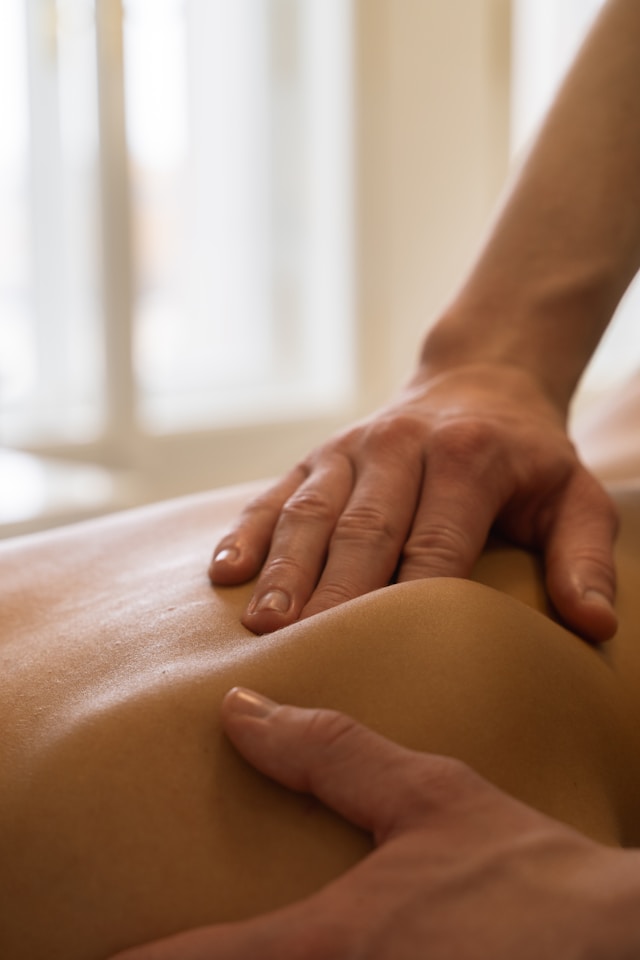
You might be familiar with acupuncture and herbal remedies, but another pillar of Traditional Chinese Medicine (TCM) is quietly gaining recognition. Tuina, pronounced “twee-nah,” is a therapeutic form of massage that has been practiced in China for over two thousand years. It relies on rhythmic compression along the body’s energy channels to establish harmony and physical balance.
Many people turn to holistic treatments to manage chronic stress, joint pain, and fatigue. Tuina offers a highly targeted approach to these common physical ailments. Practitioners use their hands, fingers, and elbows to stimulate specific acupressure points. This process removes blockages in your energy pathways and encourages your body to heal itself.
Understanding how this ancient practice translates to contemporary health needs can open up new avenues for your personal care. Tuina provides a unique combination of physical manipulation and energetic balancing. Reading further will show you exactly how this traditional therapy works, what benefits you can expect, and how to prepare for your very first session.
The ancient roots of Tuina massage
Traditional Chinese Medicine views the human body as a complex network of interconnected systems. Health relies on the smooth, uninterrupted flow of vital energy throughout this network.
A brief history of Chinese bodywork
Medical texts dating back to the Shang Dynasty mention early forms of therapeutic touch. Tuina officially emerged as a distinct medical discipline during the Ming Dynasty. Doctors in ancient China used these hands-on techniques to treat pediatric diseases, digestive issues, and orthopedic injuries. The practice eventually spread across Asia, influencing other popular styles of bodywork like Shiatsu.
Core philosophies: Qi and meridians
To understand TCM Tuina, you must understand Qi (pronounced “chee”). Qi is the vital life force that circulates through your body along specific pathways called meridians. When your Qi flows freely, you experience good health. When trauma, poor diet, or emotional stress disrupt this flow, you develop pain and illness. Tuina practitioners memorize these meridian lines. They apply varying degrees of pressure to specific points to clear blockages and restore the natural movement of Qi.
How Tuina differs from Western massage
If you regularly book Swedish or deep tissue massages, you will notice significant differences during a Tuina treatment. The goals and the physical techniques differ vastly from standard spa therapies.
Focus on energy flow
Western massage generally targets the muscular and circulatory systems. A massage therapist kneads your muscles to release lactic acid and physical tension. A Tuina practitioner focuses on your energetic system. While they certainly manipulate your muscles and joints, their primary goal is opening up your meridians. The physical relaxation you feel is simply a pleasant side effect of your Qi flowing smoothly again.
Dynamic techniques and hand movements
“Tui” translates to push, and “Na” translates to grasp. These two motions form the foundation of the therapy. Practitioners use a wide variety of dynamic hand movements, including rolling, pressing, kneading, and rubbing. They might vigorously roll the back of their hand along your spine or use deep, sustained pressure on a single acupoint on your foot. The pace changes frequently throughout the session, moving from slow and deeply relaxing to fast and highly stimulating.
Key health benefits of TCM Tuina
People seek out this therapy for a wide range of specific medical complaints. Clinical studies and centuries of anecdotal evidence highlight several major health benefits.
Easing chronic pain and muscle tension
Tuina is highly effective for musculoskeletal conditions. It relieves neck stiffness, lower back pain, and frozen shoulder. By applying pressure to specific acupoints, the practitioner increases local blood circulation and reduces inflammation in the affected joints. Many patients experience an immediate improvement in their range of motion.
Reducing stress and anxiety
Physical touch naturally lowers cortisol levels. Tuina goes a step further by balancing the nervous system through targeted energy work. Gentle, rhythmic pressing along the head, neck, and arms calms an overactive mind. Regular sessions can significantly reduce symptoms of anxiety and help you process emotional stress more effectively.
Improving sleep quality
Insomnia often stems from an imbalance of energy, specifically an excess of “heat” or upward-flowing Qi in the upper body. Tuina helps draw this energy downward. Practitioners focus on grounding points on the legs and feet to calm the mind before bed. Patients frequently report deeper, more restorative sleep after just a few treatments.
Boosting digestion and immune function
Your digestive system relies on a steady supply of energy to process food and absorb nutrients. Abdominal Tuina stimulates the stomach and spleen meridians. This gentle manipulation relieves bloating, constipation, and irritable bowel symptoms. Furthermore, keeping your meridians clear strengthens your body’s natural defense mechanisms, making you less susceptible to seasonal colds.
What to expect during your first Tuina session
Stepping into a TCM clinic looks quite different from visiting a traditional day spa. Knowing what to expect will help you relax and get the most out of your treatment.
The initial consultation and pulse diagnosis
Your practitioner will start by asking detailed questions about your medical history, sleep habits, digestion, and emotional state. They will likely check your pulse on both wrists and look at the color and coating of your tongue. These diagnostic tools help them identify exactly where your Qi is blocked or depleted.
The treatment process
You remain fully clothed during a Tuina session. You should wear loose, comfortable clothing like yoga pants and a soft t-shirt. The practitioner will ask you to lie down on a massage table or sit in a chair. They may place a cotton sheet over you to reduce friction as they apply rolling and pressing techniques. The pressure can range from light and soothing to deep and intense, depending on your specific diagnosis. You might feel a dull ache or tingling sensation when they hit a blocked acupoint.
Post-treatment care and side effects
You will probably feel deeply relaxed and slightly lightheaded immediately after the session. Drink plenty of room-temperature water to help flush out toxins released during the treatment. Some mild soreness the next day is completely normal, similar to how you feel after a good workout. Avoid heavy meals and intense exercise for at least 24 hours to let your body integrate the healing work.
Integrating Tuina into a wellness routine
Consistency yields the best results when it comes to Traditional Chinese Medicine. A single session provides relief, but regular maintenance creates lasting health changes.
Pairing with acupuncture and cupping
Practitioners often combine Tuina with other TCM modalities. They might use Tuina to warm up your muscles and open your meridians before inserting acupuncture needles. They might also apply glass suction cups to your back to draw out deep-seated stagnation. These therapies work synergistically to accelerate your healing process.
Frequency of sessions for optimal results
If you have an acute injury or severe pain, your practitioner might recommend coming in twice a week for a short period. Once your symptoms improve, you can transition to a maintenance schedule. Getting a Tuina massage once a month is an excellent way to keep your energy flowing, manage daily stress, and prevent future illness.
Frequently Asked Questions
Does Tuina massage hurt?
The treatment should not cause sharp or unbearable pain. However, releasing blocked energy can cause a deep, aching sensation. Communicate with your practitioner throughout the session. They can easily adjust their pressure to ensure you remain completely comfortable.
Who should avoid this type of therapy?
Tuina is generally safe for most people. However, you should avoid it if you have severe osteoporosis, open wounds, active infections, or a history of blood clots. Pregnant women should also consult with a specialist, as certain acupressure points can induce labor.
How long does a standard session last?
Most sessions last between 30 and 60 minutes. Shorter sessions usually focus on a specific localized problem, like a stiff neck. Longer sessions allow for a full-body energetic balancing.
Your next step toward balanced health
Taking control of your physical and energetic health requires finding therapies that truly resonate with your body. Tuina offers a time-tested, holistic path to relieving pain and managing stress. By addressing the root cause of your symptoms rather than just masking them, you can build a stronger foundation for your overall well-being.
Search for a licensed and board-certified TCM practitioner in your local area. Call their clinic, ask about their experience with your specific health concerns, and schedule an initial consultation. Experiencing the restorative power of Tuina firsthand is the best way to understand its value.