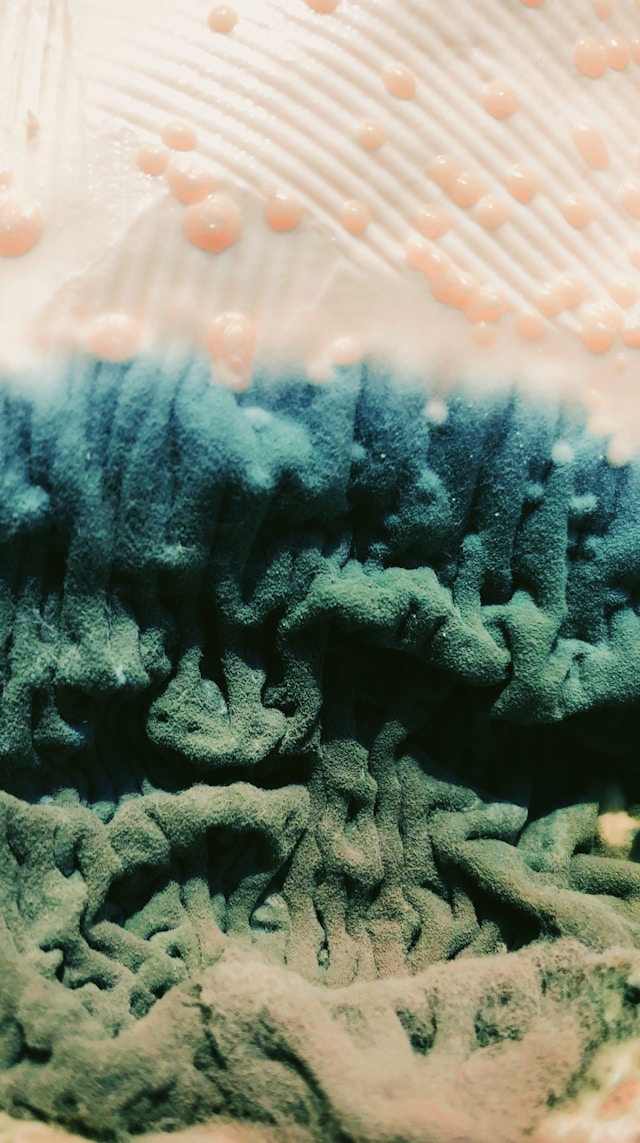
Mold is one of those household problems that’s easy to ignore—at least at first. You notice a dark patch behind the bathroom cabinet or a musty smell in the basement, and you tell yourself you’ll deal with it later. But “later” has a price tag. And that price tag grows every single week you wait.
This post breaks down the true cost of delaying professional mold removal—not just to your wallet, but to your health, your home’s structure, and its resale value. By the end, you’ll have a clear picture of why acting fast is almost always the cheaper option.
Why Mold Spreads Faster Than Most Homeowners Expect
Mold doesn’t wait around. Under the right conditions—moisture, warmth, and an organic surface to feed on—mold colonies can begin forming within 24 to 48 hours of water exposure. Within a week, a small patch can spread across walls, behind drywall, under flooring, and into HVAC systems.
The frustrating part? Most mold growth happens in places you can’t easily see. By the time you spot visible mold on a surface, there’s a good chance the infestation has already spread far beyond that single patch. This is precisely why early professional assessment matters so much. A remediation expert can identify the full extent of the problem using moisture meters and thermal imaging—tools that the average homeowner simply doesn’t have access to.
Delaying action doesn’t pause the growth. It accelerates it.
What Are the Direct Financial Costs of Waiting to Address Mold?
The most obvious consequence of delay is cost escalation. Mold remediation for a small, contained area—say, a section of bathroom tile—can run anywhere from $500 to $1,500. Let that same mold spread into wall cavities, subflooring, or ceiling joists, and you’re looking at $3,000 to $10,000 or more. In severe cases involving structural materials or HVAC contamination, remediation costs can climb past $30,000.
Here’s the breakdown of how costs compound over time:
- Early-stage mold (surface level): Relatively inexpensive to treat. Minimal demolition required.
- Mid-stage mold (behind walls, under flooring): Requires drywall removal, subfloor replacement, and professional-grade air filtration.
- Late-stage mold (structural damage): May involve replacing framing, insulation, and HVAC components—plus potential code compliance issues.
Each stage requires exponentially more labor, materials, and time than the last. Waiting even a few extra weeks can push your situation from the first category into the second.
How Does Mold Damage Affect Your Home’s Structural Integrity?
Mold feeds on organic materials—wood, drywall, insulation, carpet. Over time, this feeding process breaks down the material itself. Wood framing weakened by mold loses its load-bearing capacity. Drywall becomes soft and crumbles. Insulation loses its thermal efficiency.
In older homes with plaster walls or original hardwood floors, the damage can be especially severe—and irreversible. Replacing original materials is costly, and in some cases, historic character is simply lost.
Beyond the physical degradation, mold can also compromise the moisture barriers and vapor membranes that protect your home’s envelope. Once those systems fail, moisture infiltration becomes a recurring cycle rather than a one-time event. You end up treating the symptom—mold—while the underlying structural vulnerability remains.
Professional mold removal addresses the source, not just the surface. That distinction is what separates a permanent fix from a temporary cleanup.
What Health Risks Come With Prolonged Mold Exposure?
The financial costs are significant. The health costs can be far worse.
Mold releases microscopic spores into the air, which are inhaled by anyone living or working in the affected space. For most healthy adults, short-term exposure causes mild symptoms—sneezing, runny nose, and irritated eyes. But prolonged exposure is a different matter entirely.
According to the Centers for Disease Control and Prevention (CDC), mold exposure has been linked to:
- Respiratory infections and worsening of asthma symptoms
- Hypersensitivity pneumonitis, an inflammatory lung condition
- Chronic sinus infections and bronchitis
- Neurological symptoms, including brain fog and headaches, particularly with toxic black mold (Stachybotrys chartarum)
Children, elderly individuals, and those with compromised immune systems are at significantly higher risk. For these groups, a mold problem that goes unaddressed for months can result in serious, lasting health consequences.
Medical bills, missed workdays, and reduced quality of life are real costs—they just don’t show up on your remediation invoice.
Does Mold Affect Your Home’s Resale Value?
Absolutely, and more than most homeowners realize.
Real estate disclosure laws in most U.S. states require sellers to disclose known mold issues to prospective buyers. Failure to do so can result in legal liability after the sale. But even if you disclose and remediate, a history of mold can still affect buyer perception and negotiation leverage.
Homes with documented mold problems—even remediated ones—frequently sell for 3% to 25% less than comparable properties without that history, depending on the severity and location of the infestation. In competitive markets, buyers may simply walk away rather than take on the perceived risk.
For investment property owners, the stakes are even higher. Mold discovered during a tenant’s occupancy can trigger habitability claims, rent withholding, or legal action under local housing codes. The financial fallout from a tenant lawsuit can dwarf the cost of early remediation.
Acting before a sale—or better yet, before a problem escalates—protects both your property value and your legal standing.
Will Homeowner’s Insurance Cover Mold Removal If You Wait?
This is where many homeowners get caught off guard.
Most standard homeowner’s insurance policies cover mold remediation only when it results directly from a covered peril—a burst pipe, for example—and only when the damage is reported promptly. If your insurer determines that the mold resulted from a long-term leak you failed to address, or that you delayed reporting the damage, they may deny your claim entirely.
Insurance adjusters are trained to look for evidence of pre-existing conditions and neglect. A mold colony that has spread across multiple wall cavities tells a story—and that story suggests the problem was present long before you reported it.
Prompt action, documented thoroughly with photos and professional assessments, is your best defense when filing a mold-related insurance claim. Waiting undermines both your coverage and your credibility with the insurer.
DIY vs. Professional Mold Removal: When Is Each Appropriate?
There’s a reasonable argument for handling very small, surface-level mold patches yourself—provided you use appropriate protective gear, the right antifungal cleaning solution, and can confirm the moisture source has been eliminated. The EPA generally recommends professional remediation for any mold covering more than 10 square feet.
Beyond that threshold, DIY approaches carry real risks:
- Incomplete mold removal leaves spores behind, allowing regrowth within weeks
- Improper containment spreads spores to unaffected areas during cleanup
- Misidentification means you may be treating the wrong type of mold with the wrong method
- No moisture source resolution guarantees the mold returns
Professional remediators follow established protocols—including containment barriers, negative air pressure systems, HEPA filtration, and post-remediation testing—that simply aren’t replicable with consumer-grade tools. The goal isn’t just to clean visible mold. It’s to verify, through air quality testing, that spore levels have returned to safe levels.
That verification step alone is worth the cost of professional service.
What Should You Do If You Suspect Mold in Your Home?
Speed and specificity matter here. If you notice visible mold, a persistent musty odor, or recent water damage, take the following steps:
- Identify and stop the moisture source. Mold cannot be permanently removed without eliminating what’s feeding it.
- Avoid disturbing the affected area. Scrubbing or blowing air across mold spreads spores throughout your home.
- Contact a licensed mold remediation professional for an assessment. Many companies offer free or low-cost inspections.
- Document everything. Photograph the affected areas and keep records of any water damage events for insurance purposes.
- Improve ventilation in high-moisture areas—bathrooms, kitchens, and basements—as an immediate preventive measure.
The sooner you bring in a professional, the more contained the problem is likely to be—and the lower your total remediation cost.
The Bottom Line: Delay Costs More Than You Think
Mold doesn’t respect hesitation. Every week without action is a week of additional growth, additional structural damage, additional health exposure, and additional remediation cost. The math is straightforward: early intervention is almost always cheaper, faster, and less disruptive than late-stage remediation.
The hidden costs of delay—medical bills, contractor fees, lost property value, denied insurance claims—add up quickly and quietly. Addressing mold promptly, with professional help, is one of the most financially sound decisions a homeowner can make.
Frequently Asked Questions
How quickly does mold spread in a home?
Mold can begin forming within 24 to 48 hours of water exposure and spread significantly within one to two weeks. The rate of spread depends on moisture levels, temperature, and the types of materials present.
How much does professional mold removal typically cost?
Costs range widely based on severity. Small, contained infestations may cost $500 to $1,500 to remediate. Larger infestations involving wall cavities, subfloors, or HVAC systems can cost $3,000 to $30,000 or more.
Is mold covered by homeowner’s insurance?
Coverage depends on your policy and the cause of the mold. Most policies cover mold resulting from a sudden, covered event—like a burst pipe—but exclude mold caused by long-term leaks or homeowner neglect. Prompt reporting is essential.
Can mold come back after professional remediation?
Yes, if the underlying moisture source is not resolved. Professional remediation removes existing mold, but preventing recurrence requires fixing leaks, improving ventilation, and maintaining indoor humidity below 60%.
When should I call a professional instead of handling mold myself?
The EPA recommends professional remediation for any mold covering more than 10 square feet. You should also call a professional if the mold is in your HVAC system, if anyone in the household has respiratory conditions, or if you cannot identify the moisture source.