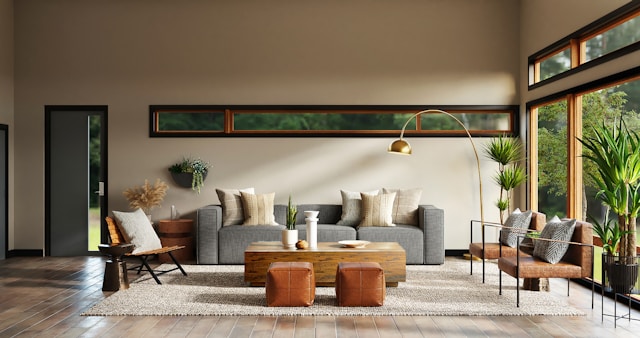
Designing an HDB flat requires a careful balance between aesthetic appeal and practical functionality. Singapore’s public housing offers excellent community living, but the limited square footage demands thoughtful planning to create a comfortable home. Homeowners often face the challenge of fitting all their essential belongings, furniture, and lifestyle needs into a compact floor plan without making the space feel cramped or cluttered.
A well-executed HDB interior design strategy transforms a standard HDB unit into a highly personalized sanctuary. Every square inch matters. By applying smart design principles, you can optimize your layout, enhance natural lighting, and incorporate clever storage solutions that keep everyday clutter out of sight. The goal is to build an environment that supports your daily routines while providing a relaxing atmosphere to unwind after a long day.
Achieving this balance means making intentional choices about layout, furniture, materials, and color schemes. It requires understanding the specific constraints of HDB living, such as structural pillars and renovation guidelines, and using them to your advantage. This comprehensive guide explores proven strategies for creating a highly functional and beautiful HDB home tailored to modern living.
Understanding the HDB Space Constraints
HDB flats come in various configurations, from cozy two-room flexi flats to spacious executive apartments. Regardless of the exact size, the primary objective remains the same: maximizing usable space. Older flats might offer larger floor areas but often feature awkward corners or structural walls that cannot be altered. Newer Build-To-Order (BTO) flats generally have more predictable, standardized layouts but tend to be smaller in overall square footage.
Before purchasing furniture or finalizing a design theme, you must thoroughly evaluate your floor plan. Identify the load-bearing walls, which HDB strict regulations prohibit you from hacking. Locate the existing plumbing and electrical points, as relocating these can significantly increase renovation costs. Understanding these physical boundaries helps you develop a realistic and efficient design blueprint that works with the space rather than against it.
Core Principles of Functional HDB Design
Creating a home that looks good and works well requires a solid foundation in interior design principles specifically adapted for compact living.
Smart Space Planning
Effective space planning is the most critical step in your renovation journey. This involves dividing your flat into distinct zones based on function, such as entertaining, cooking, resting, and working. Open-concept layouts remain highly popular for HDB flats because removing non-structural walls between the kitchen and living area instantly creates an illusion of a much larger space.
If you prefer some separation, consider using visual dividers instead of solid walls. Glass partitions, open shelving units, or even a change in floor tiles can define different zones while maintaining a seamless, airy flow throughout the home.
Maximizing Natural Light
A bright room naturally feels more spacious and inviting. Make the most of your existing windows by keeping window treatments minimal. Opt for sheer curtains or light-filtering blinds that offer privacy without blocking out the sun. Position large mirrors opposite your windows to bounce light deeper into the room. This simple optical illusion visually doubles your space and significantly brightens darker corners of the flat.
Strategic Lighting Solutions
Relying solely on overhead ceiling lights often creates harsh shadows and a clinical atmosphere. Functional HDB interior design incorporates a layered lighting approach. Combine ambient lighting (general room illumination) with task lighting (focused light for reading or cooking) and accent lighting (highlighting artwork or architectural features).
Use warm white LED strips under kitchen cabinets to illuminate your workspace. Install adjustable wall sconces in the bedroom for late-night reading. Dimmable lighting systems are particularly valuable in a small flat, allowing you to instantly alter the mood of a multi-purpose room from a bright home office during the day to a cozy entertainment area at night.
Furniture Selection for Small Spaces
The furniture you choose dictates how easily you can move around your home. Bulky, heavy pieces quickly overwhelm a compact HDB flat.
Multi-Functional Pieces
When space is at a premium, every piece of furniture should earn its keep. Look for items that serve more than one purpose. An extendable dining table accommodates daily meals for two and easily expands to host weekend dinner parties. A sofa bed in the guest room provides comfortable seating during the day and transforms into a sleeping area when family visits. Storage ottomans offer a place to rest your feet, extra seating for guests, and a hidden compartment for blankets or magazines.
Built-in Storage Solutions
Freestanding wardrobes and cabinets often leave awkward gaps that collect dust and waste valuable space. Built-in carpentry maximizes vertical space by extending all the way to the ceiling. Custom floor-to-ceiling wardrobes in the bedroom provide vast storage for clothing, luggage, and seasonal items.
In the living room, a custom television console can integrate hidden cable management, display shelving, and closed cabinets for electronics. Platform beds with drawers underneath are another excellent way to utilize otherwise wasted space, providing the perfect hideaway for bed linens and out-of-season clothing.
Room-by-Room Design Strategies
Each room in your HDB flat serves a specific purpose. Tailoring your design approach to these distinct functions ensures your entire home operates smoothly.
The Living Room
The living room acts as the central hub of the home. Keep the main walkways clear to ensure smooth traffic flow. Choose a sofa with exposed legs rather than one that sits directly on the floor; seeing the floor underneath the furniture creates a sense of openness. Wall-mounting your television eliminates the need for a deep media console. Use rugs to anchor the seating area and add texture without consuming physical space.
The Kitchen
HDB kitchens, particularly in newer BTO flats, require highly efficient layouts. The classic “work triangle” connecting the sink, stove, and refrigerator remains the gold standard for kitchen functionality. Maximize your storage by installing upper cabinets that reach the ceiling. Use internal organizers, pull-out pantry drawers, and corner carousel units to ensure items hidden at the back of cabinets remain easily accessible. If space permits, a narrow kitchen island provides additional prep space and doubles as a casual breakfast counter.
The Bedrooms
Bedrooms should be designed primarily for rest. Keep distractions to a minimum by adopting a minimalist approach to decor. Position the bed as the focal point, ensuring there is enough room to walk around at least two sides. If you need to incorporate a workspace into your bedroom, choose a slim, wall-mounted desk that can fold away when not in use. Soft lighting, blackout curtains, and a calming color palette are essential elements for creating a restful environment.
The Bathrooms
HDB bathrooms are notoriously small. Use large-format tiles on the walls and floors to minimize grout lines, which makes the space look less cluttered and much easier to clean. A floating vanity cabinet frees up floor space and gives the illusion of a larger room. Install a mirrored cabinet above the sink to combine grooming functionality with essential storage for toiletries. Glass shower screens are preferable to opaque shower curtains, as they allow the eye to travel the full length of the bathroom.
Materials and Color Palettes
The colors and textures you introduce into your HDB flat significantly impact its perceived size and atmosphere. Light, neutral tones like soft whites, warm beiges, and pale grays reflect light and make walls recede, creating an expansive feel. You can introduce personality and depth through accent colors in your soft furnishings, artwork, and decorative accessories.
When selecting materials, prioritize durability and maintenance. Vinyl flooring has become incredibly popular for HDB renovations because it is water-resistant, durable, and available in highly realistic wood and stone finishes. Quartz countertops in the kitchen offer the luxurious look of natural stone but are non-porous and highly resistant to stains and scratches. Choosing easy-to-clean, hard-wearing materials ensures your home remains highly functional and looking fresh for years to come.
Navigating HDB Renovation Guidelines
Renovating an HDB flat involves strict adherence to guidelines set by the Housing & Development Board. Failure to comply can result in hefty fines and the mandatory reinstatement of unauthorized alterations.
Always engage a contractor or interior design firm listed in the HDB Directory of Renovation Contractors (DRC). These professionals understand the specific rules governing public housing renovations. You must obtain official HDB approval before commencing any demolition work, including the hacking of non-load-bearing walls. There are also specific restrictions regarding the replacement of windows, the relocation of bathrooms, and the load limits on floor slabs. Planning your functional design within these legal parameters ensures a smooth, stress-free renovation process.
Frequently Asked Questions (FAQ)
How much does an HDB renovation cost?
The cost of an HDB renovation varies widely based on the size of the flat, the extent of the work, and the materials chosen. A standard renovation for a new 4-room BTO flat typically ranges from $30,000 to $50,000. Renovating an older resale flat often costs more, sometimes exceeding $70,000, due to the need for extensive hacking, rewiring, and plumbing replacements.
Can I hack walls in my HDB flat?
You can hack certain non-structural walls to create open-concept spaces, but only with prior written approval from HDB. Load-bearing walls and structural pillars can never be tampered with, as they support the integrity of the entire building block. Your HDB-approved contractor will submit the necessary floor plans for evaluation before any demolition begins.
How long does an HDB renovation take?
A standard BTO flat renovation generally takes between 6 to 8 weeks to complete. Resale flat renovations usually take longer, averaging 8 to 12 weeks, as they require the demolition of existing structures and finishes before new work can begin. Factors such as the complexity of custom carpentry and availability of materials can also impact the timeline.
Start Building Your Dream Home Today
Transforming a standard HDB flat into a highly functional, beautifully designed home is an incredibly rewarding process. By prioritizing smart space planning, investing in multi-functional furniture, and selecting durable materials, you establish an environment that perfectly supports your daily lifestyle.
Take the time to assess your daily routines and identify your specific storage needs before rushing into aesthetic decisions. A successful interior design project blends visual appeal with absolute practicality. Gather inspiration, consult with HDB-approved professionals, and begin drafting a floor plan that maximizes every inch of your space. With careful planning and strategic choices, your compact HDB flat will soon become a spacious, welcoming haven you love returning to each day.