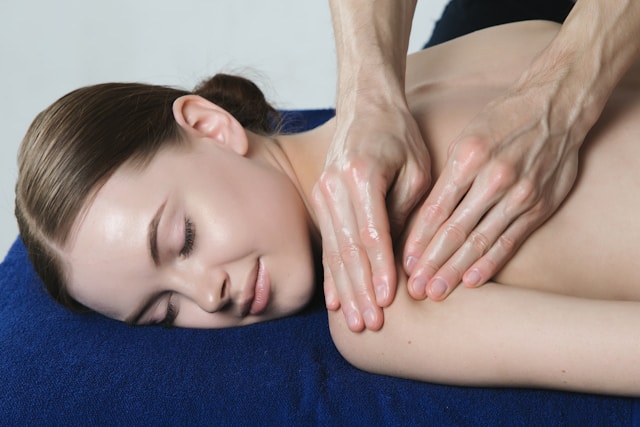
Stress and muscle tension easily build up over time. Long hours at a desk, intense workout routines, and daily responsibilities take a toll on our physical and mental health. A full body massage offers a highly effective way to address these issues.
People often view massage therapy as a luxury reserved for spa days or special occasions. However, consistent bodywork serves as a fundamental component of a healthy lifestyle. It helps reset the nervous system, release tight muscles, and promote deep rest.
This guide explores exactly how a full body massage supports both relaxation and physical recovery. You will learn about the physiological changes that occur during a session, the long-term benefits of regular treatments, and what to expect when you book an appointment.
The Science of Massage Therapy
Massage therapy directly impacts your body’s nervous system. When a trained therapist applies pressure to your muscles and tissues, your brain receives signals to shift from a state of high alert into a state of rest.
Lowering Cortisol Levels
Cortisol is the hormone responsible for your natural stress response. High levels of cortisol lead to elevated heart rates, poor digestion, and chronic anxiety. Physical touch and targeted pressure reduce the production of this stress hormone. As your cortisol levels drop, your breathing slows down, and your body enters a natural state of relaxation.
Boosting Mood-Enhancing Hormones
While cortisol decreases, the production of other beneficial hormones increases. Massage therapy stimulates the release of serotonin and dopamine. These neurotransmitters play a vital role in stabilizing your mood and promoting feelings of happiness. Increased serotonin also aids in the production of melatonin, which directly improves your sleep cycle.
Key Benefits for Physical Recovery
Athletes and active individuals frequently use massage therapy to heal their bodies. You do not need to be a professional sports player to experience these physical benefits. Everyday activities create wear and tear that bodywork can effectively repair.
Easing Muscle Tension
Repetitive movements and poor posture cause muscle fibers to contract and tighten. These tight areas, often called trigger points or knots, restrict movement and cause pain. A massage therapist uses various techniques to physically break down these adhesions. This targeted friction forces the muscle fibers to loosen, providing immediate relief from chronic pain and stiffness.
Improving Blood and Lymphatic Circulation
Healthy circulation is crucial for physical recovery. The physical manipulation of soft tissue increases blood flow to damaged or fatigued muscles. This fresh blood delivers oxygen and essential nutrients required for cellular repair. Additionally, massage stimulates the lymphatic system. This system acts as the body’s natural waste removal network, flushing out metabolic waste products like lactic acid that accumulate after exercise.
Enhancing Joint Flexibility
Stiff muscles naturally pull on your joints, limiting your overall range of motion. By relaxing the surrounding muscle tissue, a full body massage relieves this joint pressure. Therapists often incorporate gentle stretching into their routines to further improve flexibility. Better joint mobility reduces your risk of future injuries and makes daily movements feel much easier.
Mental Health and Relaxation Perks
The benefits of a full body massage extend far beyond physical muscle repair. The quiet environment and focused care provide significant mental health advantages.
Achieving Better Sleep Quality
Quality sleep is the foundation of total body recovery. Without adequate rest, your body cannot repair damaged tissues or regulate stress. Because massage therapy boosts serotonin and lowers cortisol, clients frequently report sleeping much more deeply after a session. Restorative sleep gives your brain the time it needs to process emotions and prepare for the day ahead.
Reducing Anxiety and Mental Fatigue
Constant digital connectivity and demanding schedules cause mental fatigue. A massage session forces you to disconnect from external distractions. The sensory input of physical touch anchors your mind to the present moment. This mindfulness practice quiets racing thoughts and significantly lowers generalized anxiety.
What to Expect During Your Session
If you have never received a full body massage, you might feel unsure about the process. Knowing what to expect helps you relax and enjoy the treatment.
The Initial Consultation
Your appointment begins with a brief conversation. The therapist will ask about your medical history, current pain points, and overall goals for the session. Be honest about your comfort levels and any specific areas you want them to avoid.
The Massage Process
You will be left alone in the room to undress to your comfort level and lie down on the padded table under a sheet or blanket. The therapist will use a high-quality oil or lotion to reduce skin friction. They typically start back, shoulders, and neck, eventually moving to your legs, arms, and feet. You can always ask the therapist to adjust their pressure if it feels too light or too intense.
Frequently Asked Questions About Full Body Massage
How often should I get a full body massage?
The ideal frequency depends on your lifestyle and health goals. For general relaxation and stress maintenance, scheduling a session once a month works well. If you are recovering from a specific injury or training for an athletic event, you might benefit from weekly or bi-weekly visits.
Does a deep tissue massage hurt?
Deep tissue techniques involve firm pressure aimed at the deeper layers of muscle. While you might feel some temporary discomfort as knots release, the experience should never be excruciatingly painful. Always communicate with your therapist so they can adjust their technique.
What should I do after my appointment?
Hydration is extremely important after bodywork. Drinking plenty of water helps your kidneys process and eliminate the metabolic waste released during the massage. Avoid strenuous exercise for the rest of the day. Take a warm bath or simply rest on the couch to prolong the relaxing effects of your treatment.
Book Your Next Recovery Session
Prioritizing your physical and mental health requires consistent action. A full body massage provides a highly effective method for managing stress, healing overworked muscles, and improving your overall quality of life. Listen to your body’s signals. When you feel tight, exhausted, or mentally drained, schedule some dedicated time for recovery. Reach out to a licensed massage therapist in your area and take the first step toward feeling completely refreshed.