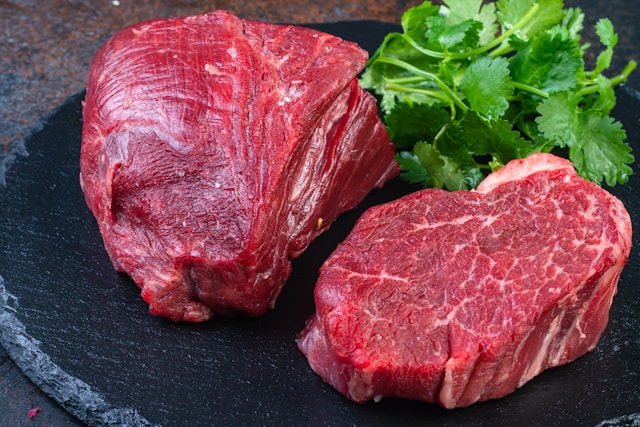
Quick answer: The right beef cut for Singapore home-cooked dishes depends on your cooking method. Use tough, collagen-rich cuts like brisket or shin for long braises and stews, tender cuts like sirloin or ribeye for quick stir-fries, and well-marbled short ribs for rich curries. Buying beef online makes it easy to find the exact cut you need.
Singaporean home cooking is serious business. From a bubbling pot of beef rendang slow-cooked over hours to a quick weeknight stir-fry, the dishes that come out of local kitchens are as diverse as the culture itself. And while a good recipe is essential, the cut of beef you choose can make or break the dish entirely.
The problem? Beef cuts can be confusing. Walk into a supermarket or browse an online butcher, and you’re confronted with names like chuck, flank, tenderloin, and brisket—each behaving completely differently in the pan. Use the wrong cut for the wrong dish, and even a flawless technique can result in chewy, dry, or flavorless meat.
The good news is that once you understand the logic behind beef cuts, choosing the right one becomes second nature. This guide breaks down the most popular cuts, how each one performs with common Singapore home-cooked dishes, and what to look for when you buy beef online so you get the best quality delivered straight to your door.
Why Does Beef Cut Selection Matter So Much?
Different parts of a cow do different amounts of work. Muscles that work hard—like the shoulder, leg, and chest—develop dense connective tissue and collagen. These cuts are tougher, but they reward long, slow cooking by breaking down into fork-tender, deeply flavorful meat. Muscles that do less work—like the loin—are naturally tender, making them ideal for quick, high-heat cooking.
Cooking a tender loin cut low and slow will dry it out completely. Throwing a tough brisket into a hot wok for two minutes will give you something resembling rubber bands. Matching cut to cooking method is the single most important factor in getting the result you’re after.
The Best Beef Cuts for Popular Singapore Home-Cooked Dishes
Which Beef Cut Is Best for Beef Rendang?
Rendang is a dish built on time. The meat braises for hours in coconut milk and spices until the liquid reduces and the beef absorbs deep layers of flavor. For this, you want beef chuck or beef brisket.
Beef chuck (also called chuck roll or beef shoulder) comes from the front shoulder of the cow. It carries a good amount of fat and connective tissue, both of which dissolve during the long cooking process and contribute to a rich, unctuous final texture. Beef brisket is another excellent choice—its tight grain and collagen content hold up well to extended braising, and it soaks up aromatics like lemongrass, galangal, and dried chilies beautifully.
Avoid lean cuts like topside or eye round for rendang. Without the fat and collagen to sustain hours of heat, they dry out quickly and lose their structural integrity before the sauce has time to reduce properly.
What Is the Best Cut for Beef Stir-Fry Dishes Like Black Pepper Beef?
Speed is the defining characteristic of a stir-fry. The wok is screaming hot, and the beef spends no more than two to three minutes in contact with the heat. That demands a naturally tender cut—and beef sirloin or flank steak are both excellent options.
Sirloin offers a clean, mild flavor and slices easily against the grain into thin strips that cook evenly. Flank steak from reddotmarket.sg has a more pronounced beefy flavor and a slightly firmer texture, but when sliced correctly, it delivers great results in dishes like black pepper beef, ginger beef, or teriyaki beef.
The key technique here is slicing against the grain. The muscle fibers in flank run lengthwise, and cutting across them shortens those fibers—giving you tender, easy-to-chew pieces rather than stringy mouthfuls.
For home cooks doing a quick weekday stir-fry, beef tenderloin is also an option. It’s the most tender cut available, and while it’s pricier, the texture is unmatched. A thin slice of loin cooked in a hot wok with oyster sauce and Chinese broccoli is hard to argue with.
Which Cut Works Best for Braised Beef Noodle Soup?
A good bowl of beef noodle soup takes patience. The broth needs to develop depth, and the beef needs time to soften into meltingly tender chunks. Beef shin (also called beef shank) is the gold standard for this dish.
Beef shin is a cross-section cut from the lower leg, and it contains a central bone surrounded by dense muscle and a significant amount of connective tissue. As it braises, the collagen converts to gelatin, which thickens the broth and gives it that glossy, sticky quality that makes a bowl of beef noodle soup so satisfying. The meat itself becomes spoonable-tender while still holding its shape.
Oxtail is another underrated choice for beef noodle soups and braises. It’s gelatinous, rich, and creates an extraordinary broth. It’s also increasingly available through online butchers who specialize in less common cuts.
What Beef Cut Should You Use for Beef Curry?
Singaporean beef curry—whether a dry Malay-style version or a saucier Indian-influenced preparation—calls for meat that won’t disintegrate under an hour or more of simmering. Beef short ribs strike the ideal balance here.
Short ribs carry significant marbling, which means fat is distributed throughout the muscle rather than just around the edges. This fat bastes the meat from the inside as it cooks, keeping it moist and flavorful even after extended time in a spiced gravy. The result is beef that’s tender but still has structure—it holds together in the bowl rather than falling apart the moment you touch it.
Chuck works well in curry, too. It’s more economical than short ribs and delivers solid results when cut into large cubes and given enough time to braise.
Is Beef Ribeye Good for Grilling or Pan-Searing at Home?
Yes—ribeye is one of the best cuts for high-heat home cooking, full stop. Cut from the rib section, ribeye carries exceptional intramuscular fat (marbling), which melts during cooking and continuously bastes the meat. The result is a richly flavored, juicy steak with a deeply caramelized crust.
For pan-searing, let the ribeye come to room temperature first, then use a cast iron skillet or heavy-bottomed pan at high heat. Season generously with salt and pepper, and don’t move the steak once it hits the pan—let it develop a crust before flipping.
Ribeye also works well thinly sliced for shabu-shabu or Korean-inspired grilling nights at home, where the marbling keeps each slice flavorful even at high heat.
How to Buy Beef Online in Singapore: What to Look For
Buying beef online has practical advantages: you can access a wider range of cuts, compare quality grades, and often receive butcher-prepared portions that save prep time in the kitchen. Here’s what to look for when ordering.
How Do You Assess Beef Quality When Shopping Online?
Marbling is the first indicator of quality. Look at the product photos and check whether fat is distributed throughout the muscle (good marbling) or concentrated only at the edges (minimal marbling). Well-marbled beef is more flavorful and forgiving to cook.
Color matters too. Fresh beef should appear a bright, deep red. Some online butchers vacuum-pack their beef, which can cause the meat to appear darker—this is normal and the color returns to red when exposed to air. Avoid beef that appears brown or grey, which indicates oxidation or age.
Cut specification is where online purchasing has a real edge. A good online butcher will specify exactly which muscle the cut comes from, the approximate weight, and sometimes even the preferred cooking method. This information is rarely available in a supermarket, where cuts are often labeled generically.
What Beef Grade Should You Choose for Home Cooking?
Wagyu and grain-fed beef are premium options that deliver superior marbling and flavor. They’re worth the investment for quick-cook methods like pan-searing or grilling, where the quality of the meat is the main event.
For long braises—rendang, curry, beef noodle soup—the extended cooking process does much of the flavor work. Grass-fed or standard grain-fed chuck, brisket, or shin will produce excellent results without the premium cost of wagyu.
A Quick Reference: Cut-to-Dish Guide for Singapore Home Cooking
|
Dish |
Recommended Cut |
Why It Works |
|---|---|---|
|
Beef Rendang |
Chuck or Brisket |
Fat and collagen dissolve into rich, tender meat |
|
Black Pepper Beef (Stir-fry) |
Sirloin or Flank Steak |
Naturally tender, slices well, cooks fast |
|
Beef Noodle Soup |
Shin or Oxtail |
Collagen creates deep, gelatinous broth |
|
Beef Curry |
Short Ribs or Chuck |
Marbling keeps meat moist through long simmer |
|
Pan-seared Steak |
Ribeye |
Heavy marbling, caramelizes beautifully at high heat |
Start Cooking With the Right Cut
The difference between a great home-cooked beef dish and a disappointing one often comes down to this single decision. Match the cut to the cooking method, and the rest of the recipe has room to shine.
Buying beef online gives you access to specific cuts that supermarkets rarely stock in the right portions—shin for your noodle soup, properly trimmed short ribs for curry, well-marbled ribeye for a weekend steak. Look for an online butcher that provides clear cut descriptions, specifies the source and grade, and offers vacuum-sealed delivery to maintain freshness.
Get that right, and your kitchen already has a head start.
Frequently Asked Questions
What is the most versatile beef cut for Singapore home cooking?
Beef chuck is the most versatile option for Singapore home cooking. Chuck performs well in braised dishes like rendang and curry, holds up in soups, and is available at most butchers and online beef retailers at an accessible price point.
Can I use frozen beef for dishes like rendang or braised beef noodle soup?
Yes. For long-cooked dishes like rendang, curry, and braised soups, frozen beef works well because the extended cooking process restores moisture and develops flavor. Thaw the beef in the refrigerator overnight before cooking and pat it dry before adding it to the pot.
Why does my stir-fry beef always turn out tough?
Tough stir-fry beef is usually caused by one of two issues: the wrong cut or incorrect slicing. Use a tender cut like sirloin or flank steak, and always slice against the grain into thin strips. Marinating briefly in a mix of soy sauce, cornstarch, and a small amount of oil also helps tenderize the meat before it hits the wok.
How much beef should I buy per person for home-cooked dishes?
For braised dishes where beef is one component among several, allow around 150–200g of raw beef per person. For beef-centric dishes like steak or beef noodle soup, plan for 200–250g per person. Buy slightly more than you think you need—trimming and cooking reduce the final weight.
Is grain-fed or grass-fed beef better for Singapore-style dishes?
Both work well depending on the dish. Grain-fed beef tends to be more heavily marbled and delivers a richer flavor, making it a strong choice for rendang, curry, and pan-seared steaks. Grass-fed beef is leaner with a more pronounced beefy flavor, which suits dishes where the spice profile is the dominant element.