Category: Featured

Featured posts

  • TCM Tuina: How This Traditional Therapy Supports Modern Wellness

    TCM Tuina: How This Traditional Therapy Supports Modern Wellness

    You might be familiar with acupuncture and herbal remedies, but another pillar of Traditional Chinese Medicine (TCM) is quietly gaining recognition. Tuina, pronounced “twee-nah,” is a therapeutic form of massage that has been practiced in China for over two thousand years. It relies on rhythmic compression along the body’s energy channels to establish harmony and physical balance.

    Many people turn to holistic treatments to manage chronic stress, joint pain, and fatigue. Tuina offers a highly targeted approach to these common physical ailments. Practitioners use their hands, fingers, and elbows to stimulate specific acupressure points. This process removes blockages in your energy pathways and encourages your body to heal itself.

    Understanding how this ancient practice translates to contemporary health needs can open up new avenues for your personal care. Tuina provides a unique combination of physical manipulation and energetic balancing. Reading further will show you exactly how this traditional therapy works, what benefits you can expect, and how to prepare for your very first session.

    The ancient roots of Tuina massage

    Traditional Chinese Medicine views the human body as a complex network of interconnected systems. Health relies on the smooth, uninterrupted flow of vital energy throughout this network.

    A brief history of Chinese bodywork

    Medical texts dating back to the Shang Dynasty mention early forms of therapeutic touch. Tuina officially emerged as a distinct medical discipline during the Ming Dynasty. Doctors in ancient China used these hands-on techniques to treat pediatric diseases, digestive issues, and orthopedic injuries. The practice eventually spread across Asia, influencing other popular styles of bodywork like Shiatsu.

    Core philosophies: Qi and meridians

    To understand TCM Tuina, you must understand Qi (pronounced “chee”). Qi is the vital life force that circulates through your body along specific pathways called meridians. When your Qi flows freely, you experience good health. When trauma, poor diet, or emotional stress disrupt this flow, you develop pain and illness. Tuina practitioners memorize these meridian lines. They apply varying degrees of pressure to specific points to clear blockages and restore the natural movement of Qi.

    How Tuina differs from Western massage

    If you regularly book Swedish or deep tissue massages, you will notice significant differences during a Tuina treatment. The goals and the physical techniques differ vastly from standard spa therapies.

    Focus on energy flow

    Western massage generally targets the muscular and circulatory systems. A massage therapist kneads your muscles to release lactic acid and physical tension. A Tuina practitioner focuses on your energetic system. While they certainly manipulate your muscles and joints, their primary goal is opening up your meridians. The physical relaxation you feel is simply a pleasant side effect of your Qi flowing smoothly again.

    Dynamic techniques and hand movements

    “Tui” translates to push, and “Na” translates to grasp. These two motions form the foundation of the therapy. Practitioners use a wide variety of dynamic hand movements, including rolling, pressing, kneading, and rubbing. They might vigorously roll the back of their hand along your spine or use deep, sustained pressure on a single acupoint on your foot. The pace changes frequently throughout the session, moving from slow and deeply relaxing to fast and highly stimulating.

    Key health benefits of TCM Tuina

    People seek out this therapy for a wide range of specific medical complaints. Clinical studies and centuries of anecdotal evidence highlight several major health benefits.

    Easing chronic pain and muscle tension

    Tuina is highly effective for musculoskeletal conditions. It relieves neck stiffness, lower back pain, and frozen shoulder. By applying pressure to specific acupoints, the practitioner increases local blood circulation and reduces inflammation in the affected joints. Many patients experience an immediate improvement in their range of motion.

    Reducing stress and anxiety

    Physical touch naturally lowers cortisol levels. Tuina goes a step further by balancing the nervous system through targeted energy work. Gentle, rhythmic pressing along the head, neck, and arms calms an overactive mind. Regular sessions can significantly reduce symptoms of anxiety and help you process emotional stress more effectively.

    Improving sleep quality

    Insomnia often stems from an imbalance of energy, specifically an excess of “heat” or upward-flowing Qi in the upper body. Tuina helps draw this energy downward. Practitioners focus on grounding points on the legs and feet to calm the mind before bed. Patients frequently report deeper, more restorative sleep after just a few treatments.

    Boosting digestion and immune function

    Your digestive system relies on a steady supply of energy to process food and absorb nutrients. Abdominal Tuina stimulates the stomach and spleen meridians. This gentle manipulation relieves bloating, constipation, and irritable bowel symptoms. Furthermore, keeping your meridians clear strengthens your body’s natural defense mechanisms, making you less susceptible to seasonal colds.

    What to expect during your first Tuina session

    Stepping into a TCM clinic looks quite different from visiting a traditional day spa. Knowing what to expect will help you relax and get the most out of your treatment.

    The initial consultation and pulse diagnosis

    Your practitioner will start by asking detailed questions about your medical history, sleep habits, digestion, and emotional state. They will likely check your pulse on both wrists and look at the color and coating of your tongue. These diagnostic tools help them identify exactly where your Qi is blocked or depleted.

    The treatment process

    You remain fully clothed during a Tuina session. You should wear loose, comfortable clothing like yoga pants and a soft t-shirt. The practitioner will ask you to lie down on a massage table or sit in a chair. They may place a cotton sheet over you to reduce friction as they apply rolling and pressing techniques. The pressure can range from light and soothing to deep and intense, depending on your specific diagnosis. You might feel a dull ache or tingling sensation when they hit a blocked acupoint.

    Post-treatment care and side effects

    You will probably feel deeply relaxed and slightly lightheaded immediately after the session. Drink plenty of room-temperature water to help flush out toxins released during the treatment. Some mild soreness the next day is completely normal, similar to how you feel after a good workout. Avoid heavy meals and intense exercise for at least 24 hours to let your body integrate the healing work.

    Integrating Tuina into a wellness routine

    Consistency yields the best results when it comes to Traditional Chinese Medicine. A single session provides relief, but regular maintenance creates lasting health changes.

    Pairing with acupuncture and cupping

    Practitioners often combine Tuina with other TCM modalities. They might use Tuina to warm up your muscles and open your meridians before inserting acupuncture needles. They might also apply glass suction cups to your back to draw out deep-seated stagnation. These therapies work synergistically to accelerate your healing process.

    Frequency of sessions for optimal results

    If you have an acute injury or severe pain, your practitioner might recommend coming in twice a week for a short period. Once your symptoms improve, you can transition to a maintenance schedule. Getting a Tuina massage once a month is an excellent way to keep your energy flowing, manage daily stress, and prevent future illness.

    Frequently Asked Questions

    Does Tuina massage hurt?

    The treatment should not cause sharp or unbearable pain. However, releasing blocked energy can cause a deep, aching sensation. Communicate with your practitioner throughout the session. They can easily adjust their pressure to ensure you remain completely comfortable.

    Who should avoid this type of therapy?

    Tuina is generally safe for most people. However, you should avoid it if you have severe osteoporosis, open wounds, active infections, or a history of blood clots. Pregnant women should also consult with a specialist, as certain acupressure points can induce labor.

    How long does a standard session last?

    Most sessions last between 30 and 60 minutes. Shorter sessions usually focus on a specific localized problem, like a stiff neck. Longer sessions allow for a full-body energetic balancing.

    Your next step toward balanced health

    Taking control of your physical and energetic health requires finding therapies that truly resonate with your body. Tuina offers a time-tested, holistic path to relieving pain and managing stress. By addressing the root cause of your symptoms rather than just masking them, you can build a stronger foundation for your overall well-being.

    Search for a licensed and board-certified TCM practitioner in your local area. Call their clinic, ask about their experience with your specific health concerns, and schedule an initial consultation. Experiencing the restorative power of Tuina firsthand is the best way to understand its value.

  • Working with a Solar Panel Contractor: What to Expect from Start to Finish

    Working with a Solar Panel Contractor: What to Expect from Start to Finish

    Switching to solar energy is a major decision that brings significant financial and environmental benefits. When you decide to power your home with renewable energy, you are taking a massive step toward energy independence and lower monthly utility bills. However, the process of getting those sleek panels onto your roof involves much more than simply buying equipment.

    Navigating the transition to solar power requires the expertise of a professional solar panel contractor. These professionals handle the technical, legal, and physical aspects of the installation. For many homeowners, the timeline and specific steps involved can feel overwhelming. Knowing exactly what happens at each stage of the project will help you feel confident and prepared.

    This guide walks you through the entire journey of working with a solar panel contractor. From the very first phone call to the exciting moment you flip the switch on your new system, you will learn what to expect, what questions to ask, and how to ensure a smooth, successful installation.

    The Initial Consultation and Site Assessment

    The journey begins with an initial consultation. During this phase, the solar panel contractor wants to understand your energy needs and determine if your home is a good candidate for solar panels.

    Reviewing Your Energy Usage

    Your contractor will ask for a copy of your recent utility bills. This helps them understand your historical energy consumption. By analyzing how much electricity you use throughout the year, the contractor can size a solar system that meets your specific requirements. If you plan to purchase an electric vehicle or install a hot tub in the near future, you should mention this during the consultation so the contractor can factor in the future energy demand.

    The Physical Roof Inspection

    After reviewing your bills, the contractor will schedule a site visit. A technician will inspect your roof to evaluate its condition, angle, and orientation toward the sun. They will look for potential shading issues from nearby trees, chimneys, or neighboring buildings. If your roof is old or damaged, the contractor might recommend replacing it before installing the panels, as removing and reinstalling a solar array later can be costly.

    Upgrading the Electrical Panel

    The technician will also inspect your home’s electrical panel. Older homes often have outdated panels that cannot handle the electrical load of a modern solar energy system. If your panel requires an upgrade, the contractor will include this in their initial proposal.

    Designing Your Custom Solar System

    Once the site assessment is complete, the contractor’s engineering team will get to work. They use the data collected during the site visit to design a custom solar array for your home.

    Selecting the Right Equipment

    The contractor will present you with different options for solar panels and inverters. Some homeowners prefer high-efficiency panels to maximize energy production on a smaller roof, while others choose standard panels to keep initial costs down. You will also need to decide between string inverters, microinverters, or power optimizers. Your contractor will explain the pros and cons of each option based on your budget and shading conditions.

    Reviewing the Proposal

    You will receive a detailed proposal outlining the system design, the estimated energy production, and the total cost. This document will show your projected return on investment and how long it will take for the system to pay for itself through energy savings. Take your time reviewing this proposal. A reputable contractor will gladly answer any questions and make adjustments to the design before you sign the final contract.

    Permitting and Paperwork

    After you sign the contract, the project moves into the administrative phase. You will not see any construction on your property during this time, but your contractor will be working diligently behind the scenes.

    Local Government Permits

    Every municipality has specific building and electrical codes regarding solar installations. Your contractor will submit the system designs to your local government to obtain the necessary building permits. The timeline for approval varies wildly depending on where you live. Some cities approve solar permits in a few days, while others take several weeks.

    Homeowner Association (HOA) Approvals

    If you live in a neighborhood governed by a Homeowner Association, you will likely need their approval before installation begins. Many states have laws preventing HOAs from banning solar panels, but they can often dictate the aesthetics or placement of the array. Your contractor can help you prepare the necessary paperwork and design renderings to submit to your HOA board.

    Applying for Solar Incentives

    There are numerous federal, state, and local incentives available for solar energy systems. Your contractor will typically handle the applications for state rebates and Solar Renewable Energy Certificates (SRECs). They will also provide the necessary documentation you need to claim the federal solar tax credit when you file your annual tax return.

    The Installation Process

    Once all permits are approved and the equipment arrives, the actual installation can finally begin. This is the fastest and most exciting part of the process.

    Preparing the Roof

    The installation crew will arrive and set up safety equipment around your home. They will begin by locating the rafters in your roof and installing the mounting hardware. The team applies heavy-duty sealant around all roof penetrations to prevent any future water leaks.

    Wiring and Panel Placement

    With the racking system securely in place, the electricians will run the necessary wiring from the roof down to your electrical panel. Next, the crew hoists the solar panels onto the roof and securely attaches them to the mounting rails. They connect the panels to the inverters and ensure all wiring is neatly organized and protected from the elements.

    Depending on the size of your system, the entire physical installation usually takes between one to three days. Your power will need to be briefly shut off while the electricians connect the solar system to your main electrical panel.

    Inspections and Interconnection

    Even though the panels are on your roof, you cannot turn the system on just yet. The installation must pass a series of inspections to ensure it meets all safety and building codes.

    The City Inspection

    A local government inspector will visit your property to review the contractor’s work. They will check the electrical wiring, the roof mounts, and the overall system design to ensure everything matches the approved permits. If the inspector finds an issue, your contractor must fix it and schedule a second inspection. If everything looks good, the inspector signs off on the project.

    Utility Interconnection

    After the city approves the installation, your contractor submits the final paperwork to your local utility company. The utility company needs to grant “Permission to Operate” (PTO) before you can connect your system to the electrical grid. A representative from the utility company may visit your home to install a new bi-directional meter. This special meter tracks both the electricity you pull from the grid and the excess solar energy your panels send back to the grid.

    Activation and Post-Installation Support

    The day you receive PTO from your utility company is the day you finally get to generate your own clean energy.

    Turning on the System

    Your contractor will give you the green light to flip the switch and power up your system. They will walk you through the process of turning on the inverters and the main solar disconnect switch.

    Setting Up System Monitoring

    Modern solar systems come with robust monitoring software. Your contractor will help you download the accompanying smartphone app and connect your inverters to your home Wi-Fi network. This app allows you to track your system’s energy production in real-time. You can see how much electricity your panels generate each day, month, and year.

    Warranties and Maintenance

    A quality solar installation requires very little maintenance, but issues can occasionally arise. Your contractor will provide you with all the warranty documentation for your panels, inverters, and the workmanship. Most solar panels come with a 25-year performance warranty, while inverters typically have a 10- to 25-year warranty. A good contractor will also include a workmanship warranty that covers any roof leaks or installation errors for at least a decade.

    Frequently Asked Questions

    How long does the entire process take?

    From the initial consultation to receiving Permission to Operate, the entire process generally takes between two and four months. The physical installation only takes a few days, but securing local permits and utility approvals accounts for the majority of the timeline.

    Do I need to be home during the installation?

    You will need to be home on the first day of installation to give the electricians access to your main electrical panel and the interior of your home. You do not necessarily need to be present for the entire multi-day process, but it is always helpful to be available in case the crew has questions.

    Will solar panels damage my roof?

    When installed by a qualified professional, solar panels will not damage your roof. In fact, they can actually protect the portion of the roof they cover from harsh weather and UV degradation. Contractors use specialized flashing and heavy-duty sealants to ensure your roof remains completely waterproof.

    Ready to Power Up Your Home?

    Transitioning to solar energy is a highly rewarding process when you have a skilled professional guiding you. By understanding the steps involved—from the initial energy audit to the final utility interconnection—you can navigate the timeline with realistic expectations.

    Take the time to research local contractors, read customer reviews, and ask for multiple quotes. Choosing a transparent, communicative solar panel contractor will ensure your installation is safe, efficient, and built to generate clean energy for decades to come.

  • Home Mold Removal: The Hidden Health Risks You Might Be Overlooking

    Home Mold Removal: The Hidden Health Risks You Might Be Overlooking

    A small dark spot on the bathroom ceiling often seems like a minor annoyance. You might scrub it away with some surface cleaner and forget about it for a few weeks. But microscopic fungal spores operate out of sight. They travel through your air ducts, settle into your drywall, and multiply behind your baseboards.

    Living with mold is like sharing your house with an invisible tenant that slowly drains your well-being. Many homeowners experience persistent coughing, unexplained headaches, or chronic fatigue without ever suspecting their environment. They visit doctors and take allergy medications, completely unaware that the root cause is growing inside their own walls.

    Understanding the true impact of indoor fungal growth is the first step toward reclaiming your living space. This guide explores the stealthy nature of indoor spores, the serious physical symptoms they trigger, and why proper home mold removal requires much more than a bottle of bleach.

    The Stealthy Nature of Indoor Mold

    Fungal spores exist naturally in the environment. They drift through open windows, attach to your shoes, and hitch rides on your pets. When these spores land on dry surfaces, they remain harmless. Give them a little moisture, however, and they immediately begin to colonize.

    How Moisture Fuels the Problem

    Water is the primary catalyst for an infestation. Leaky pipes, high humidity, and poor ventilation create the perfect breeding ground. Bathrooms without exhaust fans trap steam after every shower, feeding the spores on the ceiling. Basements with poor foundation drainage absorb moisture from the surrounding soil. Even condensation on poorly insulated windows provides enough water for a colony to establish itself.

    Common Hiding Spots

    You will easily spot growth on a shower curtain or a damp windowsill. The most dangerous colonies usually grow where you cannot see them. Check behind large pieces of furniture pushed tightly against exterior walls. Inspect the insulation in your attic. Look under carpets that have recently suffered water damage. By the time you actually smell that distinct musty odor, the infestation has likely spread far beyond the surface.

    Physical Symptoms You Should Never Ignore

    Exposure affects everyone differently. Some people live in heavily contaminated environments and only experience mild sneezes. Others suffer severe physical reactions to even the smallest amount of spores in the air.

    Respiratory Distress and Allergies

    Your lungs are the first line of defense against airborne particles. When you breathe in microscopic spores, your immune system reacts. This leads to classic allergy symptoms like a runny nose, watery eyes, and an itchy throat. For individuals with pre-existing asthma, the situation becomes much worse. Exposure can trigger frequent and severe asthma attacks, leading to shortness of breath and chest tightness.

    Chronic Fatigue and Brain Fog

    Toxins produced by certain types of fungi, known as mycotoxins, can systematically impact your body. Homeowners often report feeling constantly exhausted, regardless of how much sleep they get. This physical drain frequently pairs with cognitive difficulties. You might struggle to concentrate on simple tasks, experience memory lapses, or feel a general sense of mental cloudiness.

    Skin Irritation and Rashes

    Direct physical contact with contaminated surfaces can cause immediate skin reactions. Airborne spores settling on your skin can also lead to redness, scaling, and intense itching. These rashes often mimic eczema or contact dermatitis, leading to misdiagnoses if the doctor is unaware of your living conditions.

    The Pitfalls of DIY Eradication

    When faced with a musty corner, the immediate reaction is usually to grab household cleaning supplies. Unfortunately, standard cleaning methods often make the situation significantly worse.

    Surface Cleaning Leaves the Roots Intact

    Porous materials like drywall, wood, and ceiling tiles absorb moisture deep into their structure. Fungi send root-like structures called hyphae down into these materials. Spraying a surface cleaner or bleach only removes the visible top layer. The roots remain completely intact. Within a few days or weeks, the colony will regrow in the exact same spot.

    The Threat of Cross-Contamination

    Scrubbing a dry or semi-dry colony is incredibly risky. The friction releases millions of microscopic spores into the air. If your HVAC system is running, it will suck up these airborne particles and distribute them into every other room in your house. A localized issue in a tiny guest bathroom can quickly transform into a whole-house contamination event.

    Professional Home Mold Removal: What to Expect

    When health risks are involved, calling certified remediation experts is the safest choice. Professionals follow a strict, science-based process to ensure the fungi are eradicated safely and permanently.

    Comprehensive Inspection and Testing

    The process begins with a thorough assessment. Inspectors use moisture meters and thermal imaging cameras to locate hidden water sources behind walls. They may also take air samples to determine the exact concentration and species of the spores present. This data dictates the scope of the remediation plan.

    Strict Containment Protocols

    Before any physical removal begins, the team isolates the contaminated area. They set up heavy-duty plastic sheeting and negative air pressure machines. These machines pull the air from the room through HEPA filters, ensuring that any agitated spores cannot escape into the rest of your house.

    Safe Removal and Preventative Treatments

    Professionals physically remove and discard porous materials that are too damaged to save, such as heavily infested drywall or carpet. For structural wood that cannot be removed, they use specialized antimicrobial treatments and abrasive cleaning methods like dry ice blasting to destroy the root systems. Finally, they address the underlying moisture issue to guarantee the infestation does not return.

    Frequently Asked Questions About Indoor Fungi

    How much mold is considered dangerous?

    There is no universally safe level of indoor fungi. Even small amounts can trigger allergic reactions in sensitive individuals. The danger depends entirely on the specific species present and the health status of the people living in the home. Any visible growth should be treated as a potential health hazard.

    Can I sleep in a house with a known infestation?

    If the growth is isolated to a specific room that can be sealed off, sleeping in the house might be temporarily acceptable. However, if the contamination is widespread or located in your HVAC system, you should strongly consider finding alternative lodging until professionals complete the remediation.

    Does bleach actually kill the roots?

    Bleach is highly ineffective on porous surfaces. Its chemical structure prevents it from penetrating materials like wood and drywall. The water in the bleach solution will soak into the material, potentially feeding the remaining roots and causing the colony to return stronger than before.

    Take Action to Protect Your Living Space

    Ignoring a musty smell or a water stain is a gamble with your health. The microscopic spores circulating through your home will continue to multiply as long as they have a water source. By understanding how these organisms operate and the physical symptoms they cause, you can make informed decisions about your environment.

    Inspect your home regularly for leaks, maintain proper humidity levels, and ensure adequate ventilation in your bathrooms and kitchen. If you discover a significant infestation, skip the household cleaners. Contact a certified remediation specialist to test your air quality, safely remove the contamination, and restore your home to a healthy state.

  • What Makes Great Tze Char? A Guide to Singapore’s Favorite Comfort Food

    What Makes Great Tze Char? A Guide to Singapore’s Favorite Comfort Food

    Walking through the vibrant neighborhoods of Singapore at dinnertime, you will quickly notice the unmistakable sound of metal spatulas clashing against hot iron woks. Plumes of fragrant smoke rise into the humid evening air. Families and friends gather around round plastic tables, sharing plates of steaming, deeply flavorful dishes. This is the authentic experience of enjoying Tze Char, a cornerstone of Singaporean food culture.

    For locals, Tze Char represents the ultimate comfort food. It offers a unique dining experience that bridges the gap between affordable hawker center street food and formal restaurant dining. The term translates loosely to “cook and fry” in the Hokkien dialect, perfectly describing the fast, high-heat cooking techniques used to prepare these expansive menus.

    Understanding what makes this culinary tradition so special requires looking closely at the techniques, the signature dishes, and the communal atmosphere that defines it. If you want to know how to identify a truly excellent stall or simply want to learn how to order like a seasoned local, this guide will provide everything you need to know about Singapore’s beloved food scene.

    The Heart and Soul of Tze Char

    At its core, this style of cooking relies on a few fundamental elements. A chef must master heat control, flavor balancing, and timing to execute a menu that often spans dozens of different items.

    Wok Hei: The Breath of the Wok

    You cannot talk about this cuisine without discussing “wok hei.” Translated literally as the “breath of the wok,” wok hei is the complex, smoky flavor imparted to food cooked in a seasoned wok over extreme heat. Achieving this requires immense skill. The chef must toss the ingredients continuously, allowing the oil to catch fire momentarily.

    This brief combustion creates a slightly charred, deeply savory profile that cannot be replicated on a standard home stove. A plate of fried rice or noodles without wok hei falls flat, making this technique the ultimate litmus test for any serious chef.

    Fresh Ingredients and Bold Flavors

    Great stalls pride themselves on sourcing fresh seafood, meats, and vegetables daily. Because the cooking process is so fast, the natural textures and flavors of the ingredients must stand on their own. Chefs utilize an arsenal of bold seasonings, including fermented shrimp paste, oyster sauce, dark soy sauce, and fiery chili sambal. The result is a menu that aggressively targets every taste receptor, offering dishes that are simultaneously sweet, salty, spicy, and umami-rich.

    Iconic Tze Char Dishes You Must Try

    Every stall has its own specialties, but a few classic dishes anchor almost every menu across the island. Ordering a combination of these items from HK Street Restaurant ensures a well-rounded and satisfying meal.

    Har Cheong Gai (Shrimp Paste Fried Chicken)

    This is a mandatory order for many families. Chicken wings are marinated overnight in a pungent fermented shrimp paste batter before being deep-fried to a golden crisp. The intense aroma of the raw paste mellows out during the frying process, leaving behind a rich, savory flavor that penetrates the juicy meat.

    Chilli Crab and Black Pepper Crab

    Often considered the national dish of Singapore, mud crabs are stir-fried in massive woks and smothered in rich sauces. The chili version features a sweet, spicy, and tangy tomato-based gravy thickened with ribbons of egg. Diners eagerly sop up the leftover sauce with fried mantou (steamed buns). The black pepper variant offers a sharper, more aromatic heat that coats the crab shells in a sticky, buttery glaze.

    Moonlight Hor Fun

    A masterful display of wok hei, this dish consists of wide, flat rice noodles stir-fried with dark soy sauce, Chinese sausage, prawns, and squid. What sets it apart is the raw egg cracked directly into the center of the piping hot noodles just before serving. Diners quickly mix the egg into the dish, creating a silky, rich coating that elevates the entire plate.

    Hotplate Egg Tofu

    For a milder, deeply comforting option, hotplate tofu is a universal favorite. Cylinders of egg tofu are lightly fried until golden, then served on a sizzling cast-iron platter. A thick gravy made of minced pork, mushrooms, and sometimes prawns is poured over the top. A beaten egg forms a custardy base at the bottom of the hotplate, cooking slowly as the dish is served.

    The Atmosphere of a Classic Tze Char Stall

    The environment is just as important as the food itself. These establishments are usually located in open-air coffee shops (kopitiams) tucked beneath public housing estates. There is no air conditioning, no fancy tableware, and absolutely no dress code.

    Diners sit on plastic stools, drinking ice-cold beer or barley water to combat the tropical heat. The atmosphere is loud, chaotic, and wonderfully communal. Food is always served family-style, placed in the center of the table for everyone to share. This style of eating encourages conversation and connection, making it the preferred choice for family gatherings, birthday celebrations, and casual weekend dinners.

    How to Order Like a Local

    Navigating a massive menu can feel overwhelming for beginners. The secret to a great meal lies in balancing your order across different cooking methods and flavor profiles.

    Start by choosing a main seafood or meat dish to serve as the centerpiece, such as a steamed fish or a serving of pork ribs. Next, add a deep-fried item like Har Cheong Gai for a crunchy texture. Balance the richness with a vegetable dish, like stir-fried sambal kangkong (water spinach) or garlic baby kailan. Finally, decide if you want to pair your meal with steamed white rice or a shared portion of fried noodles.

    Don’t hesitate to ask the staff for their daily recommendations. Many stalls have off-menu specials based on the fresh seafood they bought at the market that morning.

    Frequently Asked Questions About Tze Char

    What does Tze Char mean?

    The term originates from the Hokkien dialect and translates to “cook and fry.” It refers to a specific type of Singaporean food stall that serves a wide variety of affordable, restaurant-style Chinese dishes in a casual setting.

    Is Tze Char expensive?

    It is highly affordable compared to eating at a traditional restaurant. A meal for a group of four usually costs between $40 to $80 SGD, depending on whether you order premium seafood items like crab or whole fish.

    What is the best time to eat Tze Char?

    These stalls typically operate in the evenings, opening around 5:00 PM and closing late at night. They are heavily favored for dinner and late-night supper. Arriving around 6:00 PM helps you avoid the massive dinner crowds that usually peak between 7:00 PM and 8:00 PM.

    Gather Your Friends for a Feast

    Understanding this vibrant food culture provides a fascinating window into the daily lives of Singaporeans. It is a cuisine built on the principles of sharing, immense culinary skill, and the simple joy of a hearty meal. The next time you find yourself in Singapore, skip the reservations at the upscale restaurants. Instead, find a busy neighborhood coffee shop, grab a plastic stool, and prepare to enjoy some of the best comfort food the city has to offer.

  • Retail CCTV in Singapore: How Smart Surveillance Is Reducing Shop Losses

    Retail CCTV in Singapore: How Smart Surveillance Is Reducing Shop Losses

    Running a retail business in Singapore comes with a unique set of challenges and opportunities. The city-state boasts a vibrant shopping culture, with sprawling malls lining Orchard Road and boutique stores nestled in heritage districts. Shoppers expect a seamless, safe, and enjoyable experience. Store owners work tirelessly to deliver on these expectations while managing rent, inventory, and staffing costs. However, one persistent issue continues to threaten the bottom line of many retail businesses: inventory shrinkage.

    Shrinkage refers to the loss of inventory due to shoplifting, employee theft, or administrative errors. For years, retailers relied on traditional security guards and basic video cameras to keep an eye on their merchandise. These older camera systems simply recorded footage, hoping to capture a blurry image of a thief after a crime had already occurred. Store managers would spend hours scrubbing through grainy video tapes, often with little success.

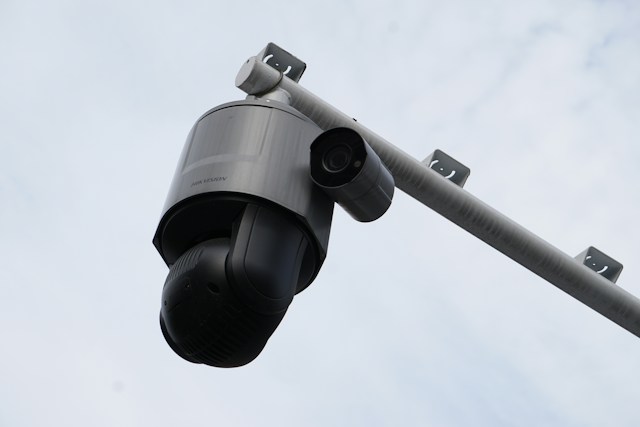
    Technology has radically changed how retailers protect their assets. Smart surveillance systems powered by artificial intelligence (AI) have transformed the humble security camera into a proactive loss prevention tool. These modern CCTV setups do much more than just record video. They analyze behavior, detect anomalies, and alert staff to potential issues in real time.

    By upgrading to smart retail CCTV Singapore, business owners in the country are significantly reducing their shop losses. This article explains how these intelligent surveillance systems work, the key features that make them so effective, and what you need to know about privacy laws before installing them in your store.

    The Hidden Cost of Retail Shrinkage

    Before looking at the solutions, you need to understand the scale of the problem. Retail shrinkage directly impacts profitability. When a product is stolen or goes missing, the business loses the cost of the item and the potential profit from its sale. To recover the financial loss of a single stolen high-value item, a store might have to sell dozens of other products just to break even.

    The Rise of Organized Retail Crime

    Shoplifting is no longer limited to opportunistic individuals slipping small items into their pockets. Organized retail crime groups often target high-value goods like electronics, cosmetics, and designer clothing. These groups employ sophisticated tactics to distract staff and bypass traditional security tags. A standard recording camera offers little deterrence to these coordinated efforts.

    Internal Theft and Operational Errors

    Customers are not the only source of inventory loss. Unfortunately, employee theft accounts for a significant portion of retail shrinkage globally. This can range from taking merchandise from the stockroom to “sweethearting,” a practice where cashiers intentionally fail to scan items for friends or family members. Additionally, simple administrative errors, such as misplacing inventory or incorrectly processing returns, contribute to the missing stock. A robust surveillance system helps monitor both the shop floor and the back office.

    How Smart Surveillance Changes the Game

    Basic CCTV systems are passive. They sit quietly in the corner, recording hours of uneventful footage. Smart CCTV systems are active participants in your store’s security strategy. They use machine learning algorithms to process visual data instantly, turning raw video feeds into actionable intelligence.

    Moving from Reactive to Proactive Security

    With a traditional system, you only review the footage after you notice an item is missing. By that time, the perpetrator is long gone. Smart cameras analyze video in real time. If the system detects someone lingering near a high-value display for an unusual amount of time, it can automatically send an alert to a store manager’s smartphone. Staff can then approach the customer, offering assistance. This simple act of customer service often deters a potential thief without causing a scene.

    Advanced Video Analytics

    Smart cameras are equipped with powerful processors that understand what they are seeing. They can differentiate between a person, a shopping cart, and a display stand. This level of video analytics allows the system to establish a baseline of normal store activity. When an event deviates from this baseline—such as someone entering a restricted stockroom area during business hours—the system instantly flags the event.

    Key Features Driving Loss Prevention

    If you are considering upgrading your retail security, you need to know which features provide the best return on investment. Smart CCTV systems offer a variety of tools designed specifically for the retail environment.

    Suspicious Behavior Detection

    Machine learning algorithms can be trained to recognize the physical movements commonly associated with shoplifting. This includes rapid hand movements near pockets, looking around nervously, or repeatedly picking up and putting down high-value merchandise. When the camera identifies these behaviors, it triggers a silent alarm for the security team.

    Point of Sale (POS) Integration

    One of the most effective ways to combat internal theft is to integrate your CCTV system directly with your Point of Sale software. This setup overlays the receipt data onto the video feed of the cash register. If a cashier scans three items but hands the customer four, the discrepancy is visually documented. The system can also be programmed to flag specific POS events, such as voided transactions, high-value returns, or manual price overrides, allowing managers to review these high-risk activities quickly.

    Heat Mapping and Crowd Management

    While primarily used for marketing and store layout optimization, heat mapping also plays a role in security. Smart cameras track the flow of foot traffic, highlighting the busiest areas of the store (hot zones) and the least visited areas (cold zones). Thieves often target cold zones where they feel unobserved. By identifying these blind spots, retailers can adjust their store layout, improve lighting, or reposition staff to eliminate easy targets.

    Facial Recognition and Known Offenders

    Some advanced systems utilize facial recognition technology to identify known shoplifters. If an individual with a history of theft at your store or a partnered retail network enters the premises, the system immediately alerts security personnel. This allows staff to monitor the individual closely from the moment they walk through the doors.

    Navigating Privacy Laws in Singapore

    Implementing smart surveillance technology comes with legal responsibilities. In Singapore, the collection and use of personal data—which includes video footage of identifiable individuals—is governed by the Personal Data Protection Act (PDPA).

    Compliance with the PDPA

    Retailers must ensure their CCTV operations comply with PDPA guidelines. This generally requires putting up clear and prominent signage indicating that CCTV cameras are in operation. Shoppers must be aware they are being recorded before they enter the surveillance zone. Furthermore, the data collected must be used strictly for the stated purpose, which in this case is security and loss prevention.

    Secure Data Storage and Access

    You are responsible for keeping the recorded footage secure. This means implementing strong passwords, restricting access to authorized personnel only, and ensuring that any cloud-based storage solutions comply with Singapore’s data protection standards. Footage should only be retained for as long as necessary to fulfill its security purpose, after which it must be securely deleted.

    Frequently Asked Questions

    How much does a smart CCTV system cost in Singapore?

    The cost varies widely depending on the size of your store, the number of cameras required, and the specific AI features you choose to activate. Small boutiques might spend a few thousand dollars on a basic smart setup, while large department stores will invest significantly more for comprehensive coverage and advanced POS integration. Many providers offer scalable solutions, allowing you to start small and expand as your budget allows.

    Do I need a permit to install CCTV in my retail store?

    Generally, you do not need a specific permit to install CCTV cameras inside your private commercial premises in Singapore. However, you must comply with the PDPA regarding data collection and ensure your cameras do not point towards public spaces or neighboring properties in a way that infringes on privacy.

    Can AI cameras completely stop shoplifting?

    No security system can guarantee a complete end to shoplifting. However, smart CCTV significantly reduces the opportunity for theft by increasing the likelihood of detection. The combination of real-time alerts, proactive staff intervention, and clear video evidence acts as a powerful deterrent.

    Will smart surveillance slow down my store’s Wi-Fi?

    Modern smart cameras often process video data directly on the device (known as edge computing) rather than sending constant heavy video streams to a central server. This minimizes bandwidth usage. It is always best to consult with your IT provider to ensure your network can handle the new hardware seamlessly.

    Securing Your Retail Business

    Protecting your merchandise is vital to maintaining a healthy and profitable retail business. The transition from reactive recording to proactive, AI-driven surveillance provides store owners with unprecedented visibility into their operations. By detecting suspicious behavior early, integrating with sales data, and optimizing store layouts, smart CCTV tackles inventory shrinkage from multiple angles.

    If you are tired of discovering missing stock at the end of the month, it is time to evaluate your current security measures. Reach out to a certified security vendor in Singapore to request a site audit. They can help you design a smart surveillance system tailored to your specific store layout and budget, ensuring your business remains safe, secure, and profitable for years to come.

  • How Does DPO As A Service Protect Your Data?

    How Does DPO As A Service Protect Your Data?

    Keeping customer data safe is a massive legal and financial responsibility. Governments around the world continue to pass strict privacy laws, from the General Data Protection Regulation (GDPR) in Europe to the California Consumer Privacy Act (CCPA) in the United States. Failing to follow these regulations can result in crippling fines, damaged brand reputation, and lost consumer trust.

    Many organizations struggle to keep up with these evolving rules while simultaneously running their daily operations. Managing complex privacy requirements demands specialized knowledge that most internal teams simply do not possess. Hiring a full-time, dedicated expert can be prohibitively expensive for growing companies, leaving a dangerous gap in their security posture.

    This is exactly where Data Protection Officer as a Service (DPOaaS) provides a lifeline. By outsourcing compliance duties to external privacy experts, businesses can secure their data, meet legal requirements, and focus on their core goals. You gain access to a team of professionals who monitor your systems, educate your staff, and handle any privacy issues that arise, all without the overhead of a full-time executive salary.

    What is a Data Protection Officer?

    A Data Protection Officer (DPO) is an independent expert responsible for ensuring that a company complies with data privacy laws. This role became widely recognized following the implementation of the GDPR, which legally requires certain organizations to appoint a DPO.

    The primary duty of DPO as a Service is to oversee how an organization collects, uses, protects, and shares personal data. They act as the bridge between the company, the public, and regulatory authorities. A DPO monitors internal compliance, advises executives on privacy obligations, and serves as the main point of contact for anyone whose data is being processed.

    The shift to outsourced privacy management

    Historically, companies hired internal executives to fill this role. However, maintaining an in-house expert is costly and can sometimes create internal conflicts of interest. Operations and marketing teams often want to utilize data freely to drive revenue, while the compliance officer must restrict data usage to follow the law.

    DPO as a Service offers a modern alternative. Instead of hiring a single employee, a business partners with an external agency that provides DPO functions on a subscription or contract basis. This service delivers the exact same regulatory oversight, but with the added benefit of tapping into a wider pool of industry knowledge. Outsourced experts stay entirely objective, ensuring that your privacy policies remain legally sound and free from internal corporate pressure.

    Core Ways DPO as a Service Protects Your Data

    An outsourced DPO does much more than simply read legal documents. They actively implement safeguards to prevent unauthorized access and data loss. Here is exactly how DPO as a Service protects your sensitive information.

    Conducting Data Protection Impact Assessments (DPIAs)

    Whenever your business implements a new software tool or changes how it processes information, you introduce new risks. A DPO conducts Data Protection Impact Assessments (DPIAs) to evaluate these risks before they become active threats.

    During a DPIA, the outsourced expert maps out exactly where the data flows, who has access to it, and how it is stored. They identify weak points in your digital infrastructure. If a new marketing tool requires access to customer email addresses, the DPO will ensure the tool has adequate encryption and access controls. By spotting these vulnerabilities early, the DPO helps you fix them before a hacker exploits them.

    Formulating a rapid incident response plan

    Even companies with top-tier security systems experience cyberattacks. When a breach occurs, the response time is critical. Privacy laws like the GDPR mandate that businesses report certain types of data breaches to supervisory authorities within 72 hours.

    Your outsourced DPO takes charge during these high-stress situations. They establish a clear incident response plan long before an attack happens. If unauthorized access occurs, the DPO immediately steps in to assess the damage, notify the proper authorities, and communicate with the affected customers. Having an expert handle the breach limits your legal liability and helps preserve your public reputation.

    Training your employees on privacy protocols

    Human error is one of the leading causes of data breaches. Employees often reuse weak passwords, fall for phishing scams, or accidentally send sensitive files to the wrong email addresses. You can have the best firewalls in the world, but a single untrained staff member can bypass them all by clicking a malicious link.

    A major responsibility of a DPOaaS provider is employee education. Your external DPO will develop customized training programs tailored to your specific industry. They teach your staff how to recognize phishing attempts, how to handle customer information safely, and how to report suspicious activity. By elevating the security awareness of your entire workforce, the DPO drastically reduces the likelihood of accidental data leaks.

    Managing data subject access requests (DSARs)

    Under modern privacy laws, consumers have the right to know exactly what data you hold about them. They can submit Data Subject Access Requests (DSARs) asking for a copy of their information, or requesting that you delete their data entirely from your systems.

    Responding to these requests is incredibly time-consuming. It requires locating the individual’s data across multiple databases, compiling it securely, and delivering it within a strict legal timeframe. DPO as a Service handles this entire workflow. Your outsourced team manages the intake, verification, and fulfillment of these requests, ensuring that you meet all legal deadlines without pulling your internal staff away from their actual jobs.

    Outsourced DPO vs. In-House Compliance Teams

    Choosing between an internal employee and an external service requires careful consideration of your business goals. For many organizations, the outsourced model offers distinct advantages that directly improve data security.

    Cost savings and scalable resources

    Hiring an in-house DPO requires a competitive executive salary, benefits, continuous training, and specialized software tools. For small to medium-sized enterprises, this financial burden is extremely heavy.

    DPO as a Service provides a highly cost-effective solution. You pay a predictable monthly or annual fee for the exact level of support you need. If your business grows and your data processing becomes more complex, you can easily scale your service package up. You gain access to an entire team of professionals for a fraction of the cost of a single full-time hire.

    Specialized expertise on demand

    Privacy laws change constantly. A single in-house DPO must spend countless hours reading legal updates to stay current, which takes time away from actual security monitoring.

    When you partner with a DPOaaS provider, you tap into a collective brain trust. These agencies employ multiple privacy lawyers, cybersecurity experts, and IT professionals who share knowledge across their network. If your business expands into a new country with different privacy laws, your service provider already has the expertise to guide you through that specific jurisdiction.

    Eliminating internal conflicts of interest

    The GDPR explicitly states that a DPO must not have any conflicts of interest. An internal employee might feel pressured by senior management to approve a risky data project to boost quarterly profits.

    An outsourced DPO operates independently. They do not rely on your company for internal promotions or bonuses, allowing them to provide objective, unbiased advice. This independence ensures that your data protection strategies are based purely on legal requirements and security best practices, rather than internal corporate politics.

    Does Your Organization Need a Data Protection Officer?

    Not every single business is legally required to appoint a DPO, but having one is widely considered a best practice for risk management. The GDPR mandates a DPO if your organization fits into specific categories.

    First, public authorities and government bodies must appoint a DPO. Second, you need a DPO if your core activities involve regular and systematic monitoring of individuals on a large scale. This includes companies that track online user behavior for targeted advertising or location tracking. Third, a DPO is required if you process large scales of “special categories” of data. This includes highly sensitive information like medical records, genetic data, racial or ethnic origins, and criminal convictions.

    Even if you do not meet these exact criteria, implementing DPO as a Service is a highly strategic move. It demonstrates to your customers and partners that you take their privacy seriously. It also provides a massive competitive advantage when securing contracts with larger enterprises that require strict compliance standards from their vendors.

    Frequently Asked Questions About DPOaaS

    What does DPO stand for?

    DPO stands for Data Protection Officer. This is the designated expert responsible for monitoring an organization’s compliance with data privacy laws, advising staff on their obligations, and acting as the official point of contact for regulatory authorities.

    Can small businesses benefit from an outsourced DPO?

    Yes. Small businesses are frequent targets for cyberattacks because hackers assume they have weaker security defenses. DPO as a Service allows small businesses to achieve enterprise-level compliance and security without the massive financial overhead of hiring a full-time executive.

    How much does DPO as a service cost?

    The cost varies based on the size of your organization, the complexity of your data processing, and the level of service you require. Basic packages might cover annual audits and policy reviews, while comprehensive packages include daily monitoring, employee training, and full incident response management. It is consistently more affordable than funding an internal department.

    Will an outsourced DPO help with regulations outside of the GDPR?

    Absolutely. While the DPO role was popularized by the GDPR in Europe, an outsourced privacy team understands global regulations. They will help you navigate the CCPA in California, the SHIELD Act in New York, and other emerging privacy frameworks across the world.

    Take the Next Step Toward Bulletproof Data Security

    Protecting your customer data is a complex operational challenge that requires constant vigilance. Relying on outdated policies or assigning privacy duties to an already overworked IT manager leaves your organization vulnerable to severe financial and legal consequences.

    Partnering with a DPO as a Service provider ensures that your compliance strategy is proactive, legally sound, and continuously updated. You gain the peace of mind that comes from knowing independent experts are actively monitoring your systems, training your team, and preparing for worst-case scenarios. Evaluate your current data protection framework today, and consider reaching out to a certified DPOaaS provider to secure the future of your business.

  • Picking The Best Meat While Doing Your Grocery Shopping

    Picking The Best Meat While Doing Your Grocery Shopping

    Standing in front of the supermarket meat counter can feel like preparing for a difficult exam. Stacks of plastic-wrapped steaks, chops, and poultry stretch out before you, all covered in brightly colored stickers boasting various claims. You want to cook a delicious, safe meal for your family, but the sheer volume of choices is overwhelming.

    Picking high-quality protein requires more than just grabbing the first package within reach. You need to evaluate the physical appearance of the cuts, understand complex government grading systems, and decode marketing jargon that often obscures the truth about how the animals were raised. The right choice affects the flavor of your dinner, your grocery budget, and your overall health.

    Fortunately, navigating the meat aisle becomes much easier once you know exactly what to look for. By learning a few basic visual cues and understanding the terminology used on packaging, you can shop with confidence. This guide covers everything you need to know to select the freshest, tastiest, and safest meat for your next home-cooked meal.

    Rely on Your Senses: Color and Smell

    Your eyes and nose are the most powerful tools you have when evaluating freshness. While supermarket lighting can sometimes play tricks on you, paying close attention to the color and texture of the meat will quickly point you in the right direction.

    Visual Cues for Freshness

    Fresh beef should display a deep, purplish-red hue. This vibrant color indicates that the meat has not had prolonged exposure to oxygen. If you spot slightly brownish beef, it is not necessarily spoiled, but it has likely been sitting in the case a bit longer. Pork should have a light pink color, while game meats generally lean toward a dark brown appearance.

    For poultry like chicken or turkey, examine the physical structure of the cuts. Look for smooth, well-defined edges. Irregularities or jagged, torn pieces often point toward poor quality or improper, rough handling during processing. You should also check the packaging itself. Avoid trays with excessive liquid pooling at the bottom or wrapping that shows signs of dents and tears.

    The Smell Test

    Smell is your most crucial indicator of quality. Fresh meat carries an earthy, almost neutral scent. It should barely smell like anything at all. If you detect a pungent, sour, or generally off-putting odor, put the package down immediately. Spoiled meat will quickly reveal itself through a bad smell, even if the color still looks acceptable.

    Decoding USDA Beef Grades

    The United States Department of Agriculture (USDA) oversees a voluntary grading system that assesses the value of beef. Graders examine a cross-section of the ribeye to determine the meat’s quality based on criteria like tenderness, age, and marbling. Marbling refers to the white flecks of intramuscular fat distributed throughout the muscle tissue. This fat melts during cooking, providing juiciness and rich flavor.

    Prime Beef

    Prime is the highest grade of beef available, accounting for just under four percent of all graded beef in the United States. It features “slightly abundant” to “abundant” marbling. The fat is milky white, and the flesh is a healthy pinkish-red, indicating younger, healthier cattle. Because of its superior fat distribution, Prime beef delivers an incredibly tender, flavorful experience. You will mostly find these premium cuts in high-end steakhouses and artisan butcher shops, though some well-stocked supermarkets carry them.

    Choice Beef

    Making up roughly 66 percent of USDA graded beef, Choice is the category most shoppers encounter. It contains “small” to “moderate” marbling. Quality within this grade varies widely. A “High Choice” steak might closely rival a Prime cut in terms of fat distribution, while lower-tier Choice cuts might be quite lean. When shopping for Choice steaks, look closely at the white flecks of fat and choose the pieces with the most even marbling.

    Select Beef

    Select beef encompasses slightly less than 30 percent of graded beef. It comes from young cattle but features only a “slight” degree of marbling. The fat tends to sit in thick chunks around the edges rather than running through the muscle. While Select cuts can be tender, they often lack the rich flavor of higher grades. These cuts are best reserved for slow-cooking methods like stews and braises, where the long cooking process helps break down the muscle structure.

    Making Sense of Meat Labels

    Beyond physical grades, the packaging is usually plastered with marketing terms and official certifications for best meat delivery. Understanding the difference between a verified claim and an empty marketing slogan is essential for making informed choices.

    USDA Organic

    The USDA Organic label is strictly regulated. For beef to qualify, the animal must be fed a 100 percent organic, vegetarian diet free of pesticides and chemical fertilizers. The cattle must have year-round access to the outdoors, and producers are prohibited from treating the animals with antibiotics or growth hormones. This label offers a high level of assurance regarding the animal’s diet and living conditions.

    The Truth About Grass-Fed

    Grass-fed beef is known for its lean profile and distinct, slightly gamey flavor. According to USDA standards set in 2007, grass and forage must be the sole feed source consumed for the lifetime of the animal after weaning. However, the rule only mandates continuous access to pasture during the growing season. This means some cattle might spend considerable time eating hay indoors during winter months and still qualify. To ensure the highest pasture standards, look for the independent American Grassfed seal.

    Naturally Raised vs. Natural

    You should completely ignore the word “natural” on meat packaging. The USDA simply defines natural meat as containing no artificial ingredients or added color, which applies to almost all fresh meat sold in stores.

    “Naturally raised,” however, is a verified claim. It means the animal was raised entirely without growth promotants or antibiotics, and was never fed animal by-products. All organic beef is naturally raised, but not all naturally raised beef is organic.

    Antibiotic Policies

    Large-scale industrial farms often use antibiotics to prevent disease in crowded conditions and to promote faster growth. Overuse of these drugs contributes to antibiotic-resistant superbugs. Look for the phrase “No Antibiotics Added” accompanied by a USDA Process Verified shield. This guarantees the animal never received antibiotics. Vague phrases like “antibiotic-free” lack strict government enforcement.

    Selecting the Right Ground Meat

    Ground beef is a staple for quick weeknight dinners, from burgers to tacos. The key to buying the right ground beef is understanding the lean-to-fat ratio printed on the label.

    A standard 80/20 blend is widely considered the best all-rounder. The 20 percent fat content provides enough moisture to keep burgers and meatballs juicy without causing excessive shrinkage during cooking. If you are making a rich meatloaf or heavily seasoned sliders, a 70/30 blend offers maximum flavor and moisture. For dishes where you plan to drain the meat anyway, such as chili or heavy pasta sauces, a leaner 85/15 or 90/10 blend works perfectly and reduces the total calories.

    Keep Your Kitchen Safe

    Buying high-quality protein is only half the battle. You must handle and cook it properly to avoid foodborne illnesses like salmonella and E. coli. Meat and poultry contribute to more foodborne illnesses than any other food category.

    Never rely on the color of the cooked meat to determine safety. Always use a digital meat thermometer. Ground beef and pork must reach an internal temperature of 160 degrees Fahrenheit. Poultry, including ground chicken and turkey, needs to hit 165 degrees Fahrenheit. Whole beef roasts, steaks, and pork chops are safe at 145 degrees Fahrenheit, provided you let them rest for a few minutes before slicing.

    Frequently Asked Questions (FAQ)

    What is the difference between a “sell-by” and a “use-by” date?

    The sell-by date is a guide for the retailer to ensure optimum freshness. Meat is generally safe to cook for a day or two past this date if stored properly in your refrigerator. The use-by date is a strict safety deadline. Always consume or freeze the product before the use-by date passes.

    Should I worry about hormones in poultry and pork?

    No. The FDA strictly prohibits the use of added hormones in all poultry and pork production in the United States. If you see a label on a package of chicken boasting “No Added Hormones,” it is simply a marketing tactic highlighting a basic legal requirement. Hormones are, however, permitted in certain beef production, making organic or naturally raised labels more relevant for cattle.

    Does a grass-fed label mean the meat is safer?

    Grass-fed beef tends to be leaner and contains higher levels of healthy omega-3 fatty acids compared to grain-finished beef. However, standard safe handling and cooking practices still apply. Bacteria like E. coli can exist on grass-fed beef just as easily as conventional beef, so proper cooking temperatures are mandatory.

    Shop Smarter at the Meat Counter

    Armed with the right knowledge, the supermarket meat department transforms from a confusing obstacle course into a manageable shopping experience. You now know to prioritize the visual color and earthy smell of fresh cuts over tricky lighting. You can identify the difference between heavily marbled Prime steaks and leaner Select options. You also know how to see past empty marketing claims to find legitimately organic, antibiotic-free proteins for your family.

    Next time you grab your shopping cart, take a moment to closely inspect the labels and the liquid in the trays. Don’t hesitate to strike up a conversation with the butcher behind the counter if you need a specific cut or want to verify where a product came from. Cooking an incredible meal starts long before you turn on the stove. It starts with making the smartest, safest choices at the store.

  • Bulk Cap Printing Tips to Make Your Life Easier

    Bulk Cap Printing Tips to Make Your Life Easier

    Custom hats have become a staple for promotional events, corporate uniforms, and streetwear brands. While a simple t-shirt offers a massive, flat canvas, headwear presents a unique set of challenges. The curved surface, prominent center seams, and heavy fabrics require specialized knowledge and techniques to decorate effectively.

    When you scale this process up to handle hundreds or thousands of units, those minor challenges can quickly snowball into massive production bottlenecks. A slight misalignment or an overly complex design might go unnoticed on a single sample, but it will completely derail your production timeline during a large run. Mastering efficiency in bulk apparel printing requires a strategic approach that starts long before the first drop of ink or stitch of thread hits the fabric.

    By understanding the nuances of different hat styles, optimizing your artwork specifically for headwear, and choosing the correct application method, you can eliminate wasted materials and keep your presses moving. This guide provides actionable bulk cap printing tips to help you streamline your workflow, avoid costly errors, and deliver exceptional products to your clients on time.

    Choose the Right Hat Style for the Job

    The foundation of a successful bulk run begins with selecting the appropriate headwear. Different cap styles dictate which printing techniques will work best and how you should format your artwork.

    Baseball Caps and Dad Hats

    Baseball caps are universally recognized and highly favored for corporate apparel and outdoor events. They typically feature a structured or unstructured crown and a curved bill. When printing or embroidering on these caps, the center seam can present a hurdle. Six-panel caps have a prominent seam running directly down the middle of the front, which can distort fine text or intricate screen prints. If you plan to use detailed graphics, consider steering your clients toward a five-panel cap, which features a seamless front panel that acts as a much smoother canvas.

    Trucker Hats

    Trucker hats utilize a foam front and a mesh back, making them a highly popular, budget-friendly option for giveaways and casual wear. The foam front is exceptionally receptive to screen printing and heat transfers. Because the material is relatively flat and forgiving, trucker hats are often the easiest styles to process in large quantities. However, the mesh backing means you cannot print on the rear of the cap, limiting your decoration space strictly to the front crown.

    Bucket Hats

    While bucket hats lack a traditional protruding visor, their 360-degree brim provides excellent sun protection. These hats are typically made from softer cotton or synthetic blends. Because they lack a structured crown, registering a clean screen print can be difficult. Embroidery or direct-to-film heat transfers tend to yield the most consistent results on this style, though they require specific platens to hold the floppy material securely in place during production.

    Optimize Your Cap Design for Curved Surfaces

    Creating impactful cap designs requires an entirely different approach than designing for flat garments. A full-front graphic that looks incredible on a hoodie will likely fail when reduced to fit on a hat.

    Keep Fonts Simple and Legible

    Visibility is the primary goal of any promotional headwear. A good cap design remains readable from several feet away. When converting a large corporate logo into cap art, the text often shrinks to an illegible size. You will routinely need to create simplified versions of logos for your clients. Opt for bold, sans-serif fonts whenever possible. If you must use serif fonts, ensure the letters are thick enough to hold their shape. A 1/8-inch serif font will simply disappear or turn into a messy blur when embroidered.

    Avoid Complex Effects and Gradients

    Text effects such as drop shadows, multilayer outlines, and color gradients look great on a monitor but translate poorly to curved fabrics. When your design area is limited to a few square inches, these effects muddy the artwork and make it incredibly difficult to read. They also cause massive sewing issues on unstructured caps due to the dense thread counts required. Stick to flat, solid colors and basic geometric shapes like circles, polygons, and triangles.

    Balance Your Aspect Ratio

    The physical limitations of a hat mean that the dominant dimension for your design will almost always be the width. Tall, thin designs simply do not work well on headwear because they hit the bill or wrap too far over the top curve of the crown. Wider designs offer much more flexibility regarding placement and remain perfectly centered on the wearer’s forehead. Always format your client’s artwork so it spreads horizontally rather than vertically.

    Select the Best Cap Printing Method

    Matching the decoration technique to the fabric and design is a crucial step in preventing bulk production disasters. Each method has distinct advantages and specific limitations.

    Embroidery: The Gold Standard

    Embroidery provides a classic, high-quality finish with a durable 3D texture. It is the most common technique used for premium headwear. Because the thick canvas of a baseball cap holds stitches beautifully, embroidery lasts for years without fading or peeling. The main drawback is production speed. Embroidery machines operate much slower than a manual or automatic screen printing press. Additionally, the design must go through a digitizing process, translating the vector graphic into specific stitch paths. You cannot easily replicate subtle gradients or extreme photographic details with thread.

    3D Puff Embroidery

    For clients wanting a premium, modern aesthetic, 3D puff embroidery is an excellent upsell. This technique involves placing a layer of foam under the stitching to create a raised effect. You must design specifically for this process by using thicker lines and simple block text while avoiding any fine details that the foam could distort. While it requires a slower machine speed, the high perceived value allows you to charge a premium per unit.

    Screen Printing and Heat Transfer

    If your client has a strict budget and needs a massive volume of hats produced quickly, screen printing or heat transfers are highly cost-effective solutions. Screen printing is best suited for foam-front trucker hats or seamless five-panel caps. The process allows for vibrant colors and intricate details that embroidery simply cannot achieve. However, screen printing ink sits directly on top of the fabric. Over time, heavy exposure to sunlight and repeated folding can cause the print to crack or fade. Heat transfers offer similar benefits and allow you to print complex, multi-colored designs onto a carrier sheet before quickly pressing them onto the hats, significantly speeding up shop floor turnaround times.

    Avoid Common Bulk Cap Printing Mistakes

    Even experienced shops can fall victim to operational errors when rushing through high-volume orders. Protect your profit margins by avoiding these frequent pitfalls.

    Supplying Low-Quality Artwork

    Poor quality artwork is the leading cause of production delays. Low-resolution images cause blurry edges and distorted colors. When you enlarge a low-quality file, it pixelates, ruining the uniformity of the print. Always demand high-resolution vector files (such as Adobe Illustrator or CorelDRAW formats) from your clients. Vector graphics give you total flexibility to adjust the artwork for the specific requirements of the coater and pallet without losing any sharpness.

    Overlooking Fabric and Ink Compatibility

    Different fabrics react uniquely to different cap printing inks. Applying the wrong ink to a specific material will lead to peeling, cracking, or dye migration.

    • Cotton: Absorbs ink beautifully and handles standard plastisol or water-based inks perfectly.
    • Polyester: Prone to dye migration, where the dye from the hat bleeds into the printed ink when exposed to heat. You must use low-cure, bleed-resistant inks to keep your white prints from turning pink or gray.
    • Nylon: Often used for lightweight athletic caps, nylon requires specific catalytic additives mixed into the ink to ensure proper adhesion.

    Ignoring Minimum Order Quantities (MOQs)

    Setting clear MOQs protects your business from losing money on labor-intensive setups. Small runs incur higher per-unit costs because the time spent burning screens, mixing ink, and calibrating the press remains the same whether you print ten hats or a thousand. Enforce strict minimums for specific techniques. For example, setting a higher MOQ for custom screen printing ensures the setup time is properly amortized across the entire order.

    Streamline Your Shop Floor Production

    Efficiency on the shop floor directly impacts your bottom line. Taking the time to organize your workspace and upgrade your equipment pays massive dividends during a large run.

    Invest in Specialized Cap Platens

    Using standard shirt platens to print hats is a recipe for crooked designs and smudged ink. Invest in specialized, curved cap platens designed to hold the specific shape of the hat tightly against the printing screen. Products like the Captain Platen allow you to screen print directly onto hats using your existing press and standard inks. Securing the hat firmly prevents any shifting during the squeegee stroke, eliminating misprints and wasted garments.

    Perfect Your Proofing Process

    Never start a bulk production run without a rigorous proofing process. Generate a digital mockup that accurately displays the artwork’s size, placement, and color on the chosen hat style. Send this to the client for written approval. Once approved, run a single physical sample to test your ink viscosity, machine tension, and fabric compatibility. Catching a spelling error or a misaligned graphic on a single sample costs a few dollars; catching it halfway through a run of five hundred hats costs your entire profit margin.

    Frequently Asked Questions About Bulk Cap Printing

    What is the most durable method for customizing hats?

    Embroidery is widely considered the most durable customization method for headwear. The heavy threads withstand intense sunlight, heavy rain, and repeated washings far better than surface-level inks. While the initial setup and digitizing take longer, the final product easily outlasts the lifespan of the hat itself.

    Can I screen print over the center seam of a six-panel cap?

    While it is technically possible, screen printing over a bulky center seam is highly discouraged. The seam creates an uneven surface that prevents the squeegee from applying consistent pressure, resulting in ink build-up, missing details, and a generally sloppy appearance. If your client insists on screen printing, guide them toward a seamless five-panel cap or a foam trucker hat.

    How do I prevent dye migration on polyester hats?

    Dye migration occurs when the heat required to cure the ink causes the dye within the polyester fabric to release and stain the printed graphic. To prevent this, use specialized low-cure plastisol inks that set at lower temperatures. Additionally, printing a layer of grey or black blocker underbase beneath your top colors acts as a physical barrier against the migrating dyes.

    Why do some small text designs fail in embroidery?

    Embroidery machines use physical needles and thread, which have absolute size limitations. If text is too small (typically under a quarter of an inch in height), the needle cannot physically maneuver tightly enough to form legible letters. The threads will bunch together into an unreadable knot. Always simplify logos and enlarge critical text to ensure a crisp, professional finish.

    Master High-Volume Hat Production

    Scaling your shop to handle bulk headwear orders requires patience, precise equipment, and a deep understanding of your materials. By taking the time to educate your clients on proper design specifications and matching those designs with the correct application techniques, you establish your business as a trusted industry authority.

    Start by auditing your current workflow. Are you using the correct platens? Is your artwork preparation slowing down the presses? Identify your most frequent bottlenecks and systematically apply the hat printing techniques outlined above to eliminate them. With a streamlined process, bulk cap printing transforms from a logistical headache into one of the most profitable services your print shop can offer.

  • How to Design Your Custom LED Installation Singapore

    How to Design Your Custom LED Installation Singapore

    Upgrading your home or office lighting is one of the most effective ways to completely transform a space. When you swap out outdated fixtures for modern alternatives, the atmosphere of a room shifts entirely. Good lighting improves productivity, enhances mood, and significantly reduces monthly electricity bills.

    As Singapore pushes toward a greener and more sustainable future, the government has actively phased out energy-inefficient lights like halogen bulbs and fluorescent lamps. This nationwide initiative is projected to save around $3.5 million in energy costs annually across the island. Taking part in this movement helps the environment while keeping your own utility costs manageable.

    Planning a custom LED installation in Singapore requires a bit of strategy. You need to consider everything from room layout and smart home integration to local safety regulations. By following the right steps, you can create a beautifully illuminated space that perfectly suits your daily needs. This guide will walk you through the essential stages of designing a custom LED setup, ensuring you get the most out of your lighting investment.

    Understanding the Shift to LED Lighting

    Replacing older lighting technology with LEDs is a practical choice for several reasons. LED lights use semi-conductive materials to convert electric currents directly into visible light. This process generates very little excess heat, making the bulbs much safer and highly efficient.

    In contrast, traditional incandescent bulbs waste a massive amount of energy. Less than five percent of the electricity applied to an incandescent filament actually becomes light, while the rest escapes as heat. Switching to LED options can make your lighting 25 to 80 percent more energy-efficient.

    Additionally, LED bulbs have a significantly longer lifespan. You will replace them less frequently, which cuts down on maintenance costs over time. They also do not contain hazardous materials like the mercury or phosphor found in fluorescent tubes, making disposal much safer for the environment.

    Key Steps to Plan Your Custom LED Installation

    Designing a functional and visually appealing lighting layout takes careful planning. You need to assess your space, decide on the mood you want to create, and select the right fixtures.

    Assess Your Current Lighting Setup

    Before buying new fixtures, take a thorough inventory of your existing lights. Check the mounting bases and sockets. If you plan to keep your current fixtures, you must ensure the new replacement LED units have the exact same lamp holder, such as GU10, E27, or E14.

    For downlights, measure the cut-out diameter of the hole in your ceiling. Most standard household downlights in Singapore HDB flats require a 4.5-inch or 6-inch panel. If you are replacing fluorescent panels, you will need to completely remove the ballast, starter, and metal clips to make way for the new magnetic LED panels.

    Determine the Right Color Temperature

    Color temperature dictates the mood of a room. Measured in Kelvin (K), this metric tells you how warm or cool the light will appear.

    Warm white (around 2700K to 3000K) produces a cozy, yellowish glow ideal for bedrooms and living rooms. Cool white (around 4000K) offers a bright, neutral light that works perfectly in kitchens and bathrooms. Daylight (5000K to 6500K) mimics natural sunlight and is the best choice for home offices, study areas, and task-heavy workspaces.

    Map Out a Layered Lighting Strategy

    Relying on a single overhead light usually leaves a room feeling flat. The best custom LED installation Singapore uses layered lighting to build depth.

    Start with ambient lighting to provide overall illumination. Next, add task lighting, such as under-cabinet LED strips in the kitchen or a dedicated reading lamp. Finally, use accent lighting to highlight architectural features, artwork, or display cabinets. Combining these three layers gives you complete control over the visual dynamics of your space.

    Navigating Singapore Electrical Safety Standards

    Electrical safety is a critical component of any renovation project. Singapore has strict regulations to protect consumers from hazardous products and faulty wiring.

    Look for the Safety Mark

    When purchasing lighting components, always check for the Singapore Safety Mark. The Consumer Product Safety Office requires specific items, like decorative lighting chains and LED drivers, to undergo rigorous testing before they hit the market. The Safety Mark indicates that the product model meets strict safety standards.

    Buying certified products prevents short circuits, electrical fires, and early fixture failures. While uncertified lights might cost slightly less upfront, they pose severe risks to your property and personal safety.

    Hire Professional Installers

    Some basic bulb replacements are easy to do yourself. However, installing custom LED cove lighting, rewiring rooms, or fitting new track lights requires professional expertise. Licensed electricians understand the local EMA regulations for residential lighting. They know how to properly handle power supplies and ensure all connections are secure, giving you total peace of mind.

    Top Home Lighting Trends in Singapore for 2025

    The lighting industry evolves rapidly. If you are planning a renovation soon, incorporating modern trends will keep your home looking fresh and updated for years to come.

    Smart Lighting Integration

    Smart homes are quickly becoming the standard across Singapore. Homeowners want the ability to adjust their lighting via mobile apps or voice commands. Smart LED systems allow you to change brightness levels, alter color temperatures, and set automated schedules. You can program your lights to gently wake you up in the morning or automatically dim when you start a movie.

    Biophilic and Sustainable Designs

    Biophilic design involves bringing natural elements into interior spaces. In 2025, lighting will heavily support this movement. Many homeowners are choosing daylight-mimicking LEDs to help regulate circadian rhythms and promote well-being. Furthermore, fixture materials are shifting toward sustainability. Expect to see an increase in light housings made from bamboo, recycled metals, and organic rattan.

    Modular and Adjustable Systems

    Flexibility is a major priority for modern living spaces. Modular lighting systems, such as magnetic track lighting, are gaining massive popularity. These tracks allow you to slide, add, or reposition light fixtures whenever you need to alter the layout. This adaptability proves especially useful in open-concept HDB flats and multi-functional rooms.

    Hidden and Recessed Lighting

    Minimalism remains a dominant interior design trend. Hidden and recessed lighting solutions help achieve a clean, uncluttered aesthetic. You will see more integrated LED strips built directly into shelving, headboards, staircases, and ceiling coves. This provides a sophisticated touch while keeping the light source completely invisible.

    Protecting Your LED Strips in a Humid Climate

    Singapore experiences high humidity year-round. Moisture can quickly damage exposed LED strips, leading to flickering, discoloration, or complete failure.

    To protect your investment, you should always house LED strips inside aluminum profiles covered with polycarbonate diffusers. The aluminum acts as a heat sink to prevent the diodes from overheating, while the polycarbonate cover blocks moisture and dust from reaching the electronics. For extremely wet areas, like bathrooms or outdoor balconies, make sure you purchase LED strips with a high IP rating, such as IP65 or IP67, which designates them as water-resistant.

    Frequently Asked Questions

    What is the difference between a custom LED installation and buying standard fixtures?

    A custom LED installation involves designing a lighting layout specifically tailored to your room’s dimensions and your lifestyle. Instead of just hanging a single pendant light, a custom setup might include integrated cove lighting, smart track systems, and perfectly measured under-cabinet strips. This tailored approach maximizes both aesthetics and functionality.

    Can I upgrade my existing fluorescent lights to LED without changing the whole fixture?

    Yes. You can often retrofit existing fixtures to accommodate LED panels or tubes. For instance, if you have old fluorescent ceiling panels, you can remove the ballast and starter, then connect a new magnetic LED panel directly to the lighting point. However, it is highly recommended to have an electrician handle the rewiring to ensure safety.

    Do LED lights really save that much money on electricity?

    Absolutely. LEDs consume up to 80 percent less energy than traditional incandescent bulbs and significantly less than fluorescent tubes. Because they also emit less heat, your air conditioning system does not have to work as hard to cool the room, which leads to even more energy savings.

    How do I choose a reliable LED supplier in Singapore?

    Look for suppliers with a strong track record, excellent customer reviews, and transparent pricing. Trusted companies like Tech United and Light Makers provide high-quality products backed by solid warranties. A good supplier will also offer professional advice on color temperatures, layout planning, and smart home integration.

    Are smart LED lights difficult to set up?

    Most modern smart lights are designed for easy setup. They typically connect directly to your home’s Wi-Fi network or use a dedicated hub. Once connected, you can easily sync them with platforms like Google Home, Apple HomeKit, or Amazon Alexa.

    What is the lifespan of an average LED light?

    High-quality LED lights typically last between 25,000 to 50,000 hours. If you use the light for about six hours a day, it could easily last over ten years. Proper installation and adequate heat dissipation help ensure the bulbs reach their maximum lifespan.

    Ready to Brighten Your Space?

    Designing a custom LED installation in Singapore allows you to take total control over your environment. By understanding color temperatures, layering your lighting, and following local safety regulations, you can create a space that feels welcoming and modern. Evaluate your current fixtures, explore the latest smart technology, and consult with a reputable supplier to outline your project. Upgrading to LED is a smart, sustainable choice that will elevate your home and reward you with years of beautiful, efficient illumination.

  • The Current Prices for Event Fringe Activities (2026)

    The Current Prices for Event Fringe Activities (2026)

    Planning a corporate gala, a community festival, or a large-scale wedding requires careful attention to detail and a solid understanding of current market rates. Event organizers constantly seek fresh ways to engage attendees. This often involves incorporating interactive elements that run alongside the main programming. These side attractions keep energy levels high and provide memorable experiences for guests.

    Budgeting for these attractions can be notoriously difficult. Vendor rates fluctuate based on demand, inflation, and changing trends. Knowing the baseline costs for these services helps you allocate funds effectively and avoid unexpected expenses.

    This comprehensive guide breaks down the current prices for event fringe activities in 2026. We will explore the typical costs associated with photo booths, live food stations, hands-on workshops, and roving entertainment. Using these industry benchmarks, you can build an accurate budget and design an event that delights your audience without breaking the bank.

    Understanding Event Fringe Activities

    Before analyzing the costs, it is helpful to define exactly what these services entail. Event fringe activities are supplementary entertainment options, booths, or interactive stations that operate concurrently with your primary event. Instead of commanding the full attention of the entire room like a keynote speaker or a headline band, these activities allow guests to participate at their own pace.

    Attendees can grab a quick snack, snap a funny picture, or learn a new craft while mingling with others. These activations are highly versatile. They work exceptionally well for corporate family days, annual dinner and dance parties, brand product launches, and large private celebrations. Because they are modular, you can mix and match different activities to suit your specific demographic and theme.

    Instant Print Photo Booths and Photography

    Capturing memories remains a top priority for event attendees. Photo booths have evolved significantly, offering high-quality instant prints, digital sharing capabilities, and customized branding. They provide guests with a physical keepsake while simultaneously promoting your event hashtag or company logo.

    Classic and Modern Photo Booths

    Standard instant print photo booths are a staple at almost every major gathering. These setups typically include a camera console, a backdrop, a basket of fun props, and an onsite technician to assist guests.

    For 2026, the baseline cost for a classic or modern instant print photo booth starts around $600 for the first two hours of service. This introductory package usually covers unlimited printing during the operational window. If your event runs longer, vendors generally charge between $150 and $200 for every subsequent hour. Premium options featuring green screens, AI-generated backgrounds, or 360-degree video capabilities will push these starting rates higher.

    Roving Photography with Instant Prints

    Some venues lack the floor space required for a stationary photo booth. Alternatively, you might want a more dynamic approach where the photographer actively mingles with the crowd. Roving photography with instant printing solves both problems.

    A professional photographer walks through the venue capturing candid moments and posed group shots. They wirelessly transmit these images to a central printing station where guests can collect their photos moments later. This service currently averages $680 for a two-hour block. Similar to stationary booths, additional hours usually cost around $200 each.

    Live Food and Snack Stations

    Food acts as a natural magnet for crowds. Live food stations offer a multi-sensory experience, filling the venue with enticing aromas and providing attendees with freshly prepared treats. From nostalgic carnival snacks to gourmet tasting plates, culinary fringe activities are always a crowd favorite.

    Traditional Carnival Snacks

    For a fun, nostalgic atmosphere, traditional carnival snacks are highly cost-effective. These include crowd-pleasers like freshly popped popcorn, spun candy floss, and steamed cup corn.

    The standard pricing model for a live food station with an operator starts at $240 for the first two hours. Subsequent hours are quite affordable, typically ringing in at $60 per hour. If you prefer to skip the live preparation and simply distribute pre-packaged carnival snacks, rates can be as low as $1 to $2 per person. This makes traditional snacks an excellent option for events with massive guest lists and tight budgets.

    Premium and Themed Food Stations

    When hosting a more upscale corporate function or a specialized brand activation, you might want to elevate the culinary offerings. Premium stations serving freshly fried churros, traditional ice cream from a cart, raclette cheese scraped over potatoes, or custom pani puri require specialized equipment and ingredients.

    Pricing for these premium stations varies widely based on the food type and the expected guest count. You should expect to pay a higher premium compared to standard popcorn carts. Budgeting between $350 and $500 for a two-hour premium food station is a safe estimate, though highly customized menus or luxury ingredients will increase the final bill.

    Engaging Arts and Crafts Workshops

    Interactive workshops have surged in popularity for corporate team-building days and wellness-focused events. These sessions allow attendees to disengage from their screens, work with their hands, and learn a new skill. Participants also get to take home a personalized craft, adding long-term value to the experience.

    Art Jamming and Canvas Painting

    Art jamming provides a relaxed environment where participants can express their creativity on canvas. Vendors supply the easels, paints, brushes, and aprons, while facilitators guide the session or simply let guests paint freely.

    For group events, art jamming remains highly affordable. Prices generally range from $25 to $30 per participant. This rate usually covers a two-hour session and all necessary materials. It is a highly scalable activity, working just as well for an intimate team of ten as it does for a department of fifty.

    Candle Making and Leather Crafting

    For a more structured crafting experience, candle making and leather crafting are excellent choices. Candle making workshops teach participants about different waxes, essential oils, and pouring techniques. Leather crafting sessions might involve stamping, dyeing, and assembling items like cardholders or keychains.

    These specialized workshops require costlier raw materials and more intensive instruction. Expect pricing for soy candle making to start around $38 per person. Leather crafting and terrarium building workshops typically fall into the $40 to $50 per person range.

    Quick Crafts for High Traffic

    If you expect hundreds of guests to pass through your event space, hour-long workshops are impractical. Instead, you need high-turnover craft stations that take only a few minutes to complete.

    Activities like shrink art, window art, and sand art are perfect for family days with children. Vendors often price these stations based on hourly output rather than a per-head cost. A station capable of accommodating 50 pieces of shrink art per hour, complete with all materials and a facilitator, provides excellent value and keeps lines moving quickly.

    Roving Entertainment and Live Performances

    Live performers inject energy, humor, and a sense of wonder into any gathering. Roving entertainers move directly through the crowd, interacting with small groups of guests and breaking the ice. This type of entertainment requires no stage or dedicated seating area, making it highly flexible.

    Face Painting and Balloon Sculpting

    For family-oriented events, kids’ parties, and community festivals, face painters and balloon sculptors are essential. They transform attendees into colorful characters and create intricate animal sculptures on demand.

    Professional face painting and balloon sculpting services typically cost between $90 and $110 per hour. If you require highly specialized designs or neon face paints, the rate may jump slightly to $150 for the first hour. Glitter tattoo artists operate within a very similar price bracket, offering a fast, mess-free alternative to traditional face paint.

    Magicians and Specialty Acts

    Close-up magicians offer a sophisticated form of entertainment suitable for adult corporate events, gala dinners, and networking sessions. A skilled magician will move from table to table, performing sleight-of-hand tricks that leave guests amazed and talking.

    Hiring a professional roving magician will cost between $200 and $400 or more per hour, depending on their experience level and reputation. Other specialty performers command different rates based on their unique skills. A roaming juggler might start at $450 per event, while highly specialized musical talents, such as a roving harpist, can cost upwards of $800 per hour.

    Factors Influencing Event Fringe Activity Costs

    While the prices outlined above provide a reliable baseline for 2026, several external factors can influence the final quotes you receive from vendors.

    First, event duration plays a massive role. Most vendors offer their best value in two-hour blocks. Extending an activity for a full eight-hour conference will increase the total cost, though many vendors offer discounted rates for subsequent hours to make full-day bookings more appealing.

    Second, the size of your audience dictates the required materials and manpower. A terrarium workshop for twenty people requires one facilitator. A craft station expecting five hundred guests over four hours requires multiple staff members, significantly increasing the overhead.

    Finally, customization heavily impacts pricing. Requesting a photo booth backdrop printed with your company logo, ordering custom-colored candy floss to match your brand guidelines, or asking a leather artisan to pre-stamp items with event dates will incur supplementary design and production fees.

    Frequently Asked Questions

    How far in advance should I book fringe activities for my event?

    You should aim to secure your vendors at least two to three months prior to your event date. Popular services like high-quality photo booths and skilled magicians book up quickly, especially during peak event seasons like the end-of-year holidays.

    Are there extra charges for setup and teardown?

    Most reputable vendors include basic setup and teardown time in their standard quoted packages. You should always clarify this explicitly in your contract. If your venue has difficult loading access or requires setup outside of normal business hours, vendors may apply additional logistical fees.

    Can I negotiate rates if I book multiple activities from the same vendor?

    Yes, many event entertainment companies offer bundled packages. If you hire a balloon sculptor, a popcorn station, and a photo booth from a single agency, you can often secure a 10 to 15 percent discount on the total bill compared to sourcing them individually.

    Do live food stations require special venue permits?

    This depends entirely on your specific venue. Many hotels and convention centers strictly regulate outside food vendors. You must check with your venue manager regarding their policies on live cooking equipment, heat sources, and external food handling certifications before signing a vendor contract.

    Plan Your Next Unforgettable Event

    Understanding the financial landscape of event planning empowers you to make smarter, more creative choices. By leveraging these 2026 pricing benchmarks for photo booths, food stations, workshops, and entertainers, you can confidently draft a budget that maximizes attendee engagement.

    Take the time to assess your audience demographic, define your event goals, and reach out to local vendors for customized quotes. With careful planning and a strategic mix of interactive elements, you can host a seamless event that leaves a lasting positive impression on every guest.