Category: Travel

  • 12 China Food Delicacies You Should Try

    12 China Food Delicacies You Should Try

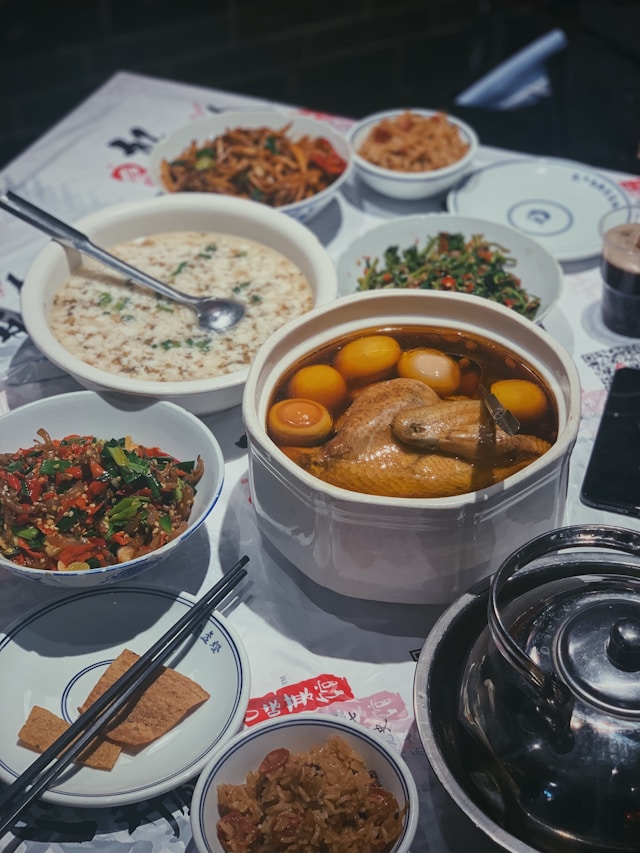
    Chinese cuisine extends far beyond the familiar dishes found in neighborhood takeout restaurants. With a culinary history spanning over 4,000 years, China offers an extraordinary array of regional specialties that showcase the country’s diverse geography, climate, and cultural traditions. From street food vendors in bustling markets to high-end restaurants in major cities, authentic Chinese delicacies present flavors, textures, and cooking techniques that might surprise even the most adventurous food lovers.

    Each region of China has developed its own distinct culinary identity. The spicy, numbing flavors of Sichuan province differ dramatically from the delicate, sweet preparations of Jiangnan cuisine. Northern China’s wheat-based dishes contrast sharply with the rice-centric meals of the south. Understanding these regional differences opens up a world of culinary exploration that goes well beyond what most people consider “Chinese food.”

    This guide introduces twelve remarkable Chinese delicacies that represent the breadth and depth of authentic Chinese cuisine. Some may be familiar, while others might challenge your preconceptions about Chinese cooking. Each dish tells a story about local ingredients, cooking methods, and cultural significance that has been passed down through generations.

    Peking Duck (Beijing Roast Duck)

    No exploration of Chinese delicacies begins without mentioning Beijing’s most famous contribution to world cuisine. Peking duck represents the pinnacle of Chinese roasting techniques, with origins dating back to the Yuan Dynasty (1271-1368). The preparation process is both an art and a science, requiring specific duck breeds, precise temperature control, and masterful knife skills.

    The traditional method involves inflating the duck with air to separate the skin from the meat, then coating it with maltose syrup before roasting in a closed oven. This creates the characteristic crispy, lacquered skin that shatters at the touch of a knife. The duck is carved tableside with theatrical precision, with the skin served separately from the meat to preserve its crispiness.

    Authentic Peking duck is served with thin pancakes, julienned scallions, cucumber strips, and sweet bean sauce. The proper technique involves spreading sauce on the pancake, adding vegetables, placing duck skin and meat on top, then rolling it into a neat bundle. The contrast between the crispy skin, tender meat, fresh vegetables, and sweet sauce creates a harmony of flavors and textures that exemplifies Chinese culinary philosophy.

    Xiaolongbao (Soup Dumplings)

    These delicate steamed dumplings represent one of China’s most technically challenging dim sum preparations. Originating in Shanghai during the 19th century, xiaolongbao requires exceptional skill to create the thin, pleated wrapper that can hold both pork filling and hot broth without bursting during steaming.

    The magic of xiaolongbao lies in the aspic—a gelatinized broth made from pork bones and skin that becomes liquid when heated. This aspic is mixed with seasoned ground pork, then wrapped in specially prepared dough that’s rolled thin but remains strong enough to contain the filling. During steaming, the aspic melts, creating the signature soup inside each dumpling.

    Eating xiaolongbao requires technique and caution. The traditional method involves lifting the dumpling with chopsticks, placing it on a soup spoon, making a small hole to release steam, sipping the broth, then eating the wrapper and filling. This ritual prevents burns while ensuring you experience all components of this remarkable dish.

    Mapo Tofu

    Sichuan province’s most internationally recognized dish demonstrates how humble ingredients can create extraordinary flavors. Mapo tofu combines silky soft tofu with a fiery sauce made from doubanjiang (fermented bean paste), ground pork, and the distinctive numbing sensation of Sichuan peppercorns.

    The dish was allegedly created in the 1860s by an elderly woman with a pockmarked face (ma po translates to “pockmarked grandmother”) who ran a small restaurant in Chengdu. Her recipe combined the regional preferences for bold flavors with accessible ingredients, making it popular among workers and students.

    The key to authentic mapo tofu lies in balancing the “ma la” flavor profile—the numbing sensation from Sichuan peppercorns (ma) and the heat from chili peppers (la). The sauce should coat the tofu without overwhelming its delicate texture, while the ground pork provides richness and substance. When prepared correctly, each bite delivers waves of complex flavors that evolve on your palate.

    Hot Pot (Huoguo)

    More than a dish, hot pot represents a social dining experience that brings people together around a simmering pot of broth. While hot pot exists in many forms across China, each region has developed distinct styles, broths, and accompanying ingredients that reflect local preferences and available produce.

    Sichuan hot pot features an intensely spicy, oil-rich broth loaded with dried chilies, Sichuan peppercorns, and aromatic spices. Beijing-style hot pot uses a milder, often divided pot with spicy and non-spicy sections. Guangdong hot pot emphasizes fresh seafood and vegetables in clear, delicate broths.

    The communal aspect of hot pot dining is as important as the food itself. Diners cook raw ingredients in the shared pot, creating conversations and connections over the extended meal. Popular ingredients include thinly sliced meats, fresh vegetables, mushrooms, tofu varieties, and handmade noodles. Each diner creates personalized dipping sauces from ingredients like sesame oil, garlic, cilantro, and fermented tofu.

    Dan Dan Noodles

    This Sichuan street food classic showcases how simple ingredients can create complex, satisfying flavors. Dan dan noodles originated from street vendors who carried their cooking equipment and ingredients in baskets suspended from poles across their shoulders—the “dan dan” refers to these carrying poles.

    Traditional dan dan noodles feature fresh wheat noodles topped with a sauce made from preserved vegetables (ya cai), chili oil, Sichuan peppercorns, sesame paste, and minced pork. The dish is typically served without broth, allowing the sauce to cling to the noodles and deliver concentrated flavors with each bite.

    The balance of flavors in dan dan noodles represents Sichuan cuisine at its finest. The nutty sesame paste provides richness, while the fermented vegetables add umami depth. Chili oil contributes heat, Sichuan peppercorns provide the characteristic numbing sensation, and the minced pork adds savory substance. When properly prepared, the dish should be aromatic enough that you can smell the spices before taking your first bite.

    Century Eggs (Pidan)

    Perhaps no Chinese delicacy generates more curiosity and apprehension among newcomers than century eggs. Despite their dramatic appearance and strong aroma, these preserved eggs represent centuries of Chinese food preservation techniques and offer unique flavors that complement many dishes.

    Century eggs are created by preserving chicken, duck, or quail eggs in a mixture of clay, ash, salt, quicklime, and rice hulls for weeks or months. This process transforms the eggs completely—the whites become dark brown and jelly-like, while the yolks turn green or black with a creamy, cheese-like texture.

    The flavor of century eggs is intense and complex, with notes that range from ammonia-like pungency to rich, cheese-like creaminess. They’re often served as appetizers, sliced and garnished with pickled ginger, or incorporated into congee (rice porridge). Some compare the taste to strong cheese, while others detect flavors reminiscent of aged wine or fermented fish.

    Kung Pao Chicken

    While many Western versions of kung pao chicken bear little resemblance to the original, authentic kung pao chicken from Sichuan province represents a masterclass in balancing sweet, sour, spicy, and savory flavors. The dish is named after Ding Baozhen, a Qing Dynasty official whose title was “Kung Pao” (palace guardian).

    Traditional kung pao chicken uses diced chicken thigh meat stir-fried with peanuts, vegetables, and dried chilies in a sauce made from soy sauce, vinegar, sugar, and Shaoxing wine. The key technique involves “velveting” the chicken—marinating it in egg white and cornstarch, then briefly blanching in oil to create incredibly tender meat.

    The authentic version balances multiple flavor elements: the chicken provides protein and mild flavor, peanuts add crunch and richness, dried chilies contribute heat without overwhelming spice, and the sauce ties everything together with its sweet-sour profile. Unlike many Americanized versions, traditional kung pao chicken is not heavily sauced and maintains distinct textures and flavors in each component.

    Wontons in Chili Oil (Hong You Chao Shou)

    Sichuan’s version of wontons demonstrates how regional preferences can transform a common dish into something entirely unique. Hong you chao shou features delicate pork and shrimp wontons served in a sauce made primarily from chili oil, creating a dish that’s simultaneously comforting and intensely flavorful.

    The wontons themselves are wrapped in thin dough and filled with seasoned ground pork, often mixed with small amounts of shrimp for added texture and flavor. They’re boiled until they float, indicating they’re cooked through, then served in bowls with the signature chili oil sauce.

    The chili oil used in this dish is an art form itself, made by heating oil and pouring it over dried chilies, Sichuan peppercorns, and other aromatics. The resulting oil is fragrant, spicy, and deeply red, providing both heat and complex flavors that complement the mild wontons perfectly. Additional seasonings like black vinegar, soy sauce, and garlic often accompany the dish.

    Sweet and Sour Pork (Tang Cu Li Ji)

    Authentic sweet and sour pork from Jiangsu province bears little resemblance to the neon-red, heavily battered versions common in Western Chinese restaurants. Traditional tang cu li ji features perfectly cooked pork with a delicate balance of sweet and tangy flavors that doesn’t mask the meat’s natural taste.

    The dish requires precise knife work and cooking technique. Pork tenderloin is cut into uniform pieces, lightly battered, and fried until golden. The sauce combines rice vinegar, sugar, and tomato sauce (a relatively modern addition) to create a glossy coating that clings to the meat without overwhelming it.

    The key to excellent sweet and sour pork lies in achieving the proper texture contrast—the exterior should be crispy while the interior remains tender and juicy. The sauce should provide a bright, clean flavor that enhances rather than masks the pork. When prepared correctly, each piece should have a satisfying crunch followed by tender, flavorful meat.

    Ma Po Eggplant

    Building on the famous ma po tofu concept, ma po eggplant showcases how Sichuan cooking techniques can transform humble vegetables into extraordinary dishes. Chinese eggplant, which is longer and thinner than Western varieties, absorbs the complex ma po sauce while maintaining its unique texture and mild flavor.

    The preparation involves cutting the eggplant into uniform pieces, then either stir-frying or braising with the same doubanjiang-based sauce used in ma po tofu. Ground pork is often included to add richness and substance, while Sichuan peppercorns provide the characteristic numbing sensation.

    The success of ma po eggplant depends on proper eggplant preparation and sauce balance. The eggplant should be cooked until tender but not mushy, allowing it to absorb flavors while maintaining structure. The sauce should cling to the eggplant pieces, delivering the full ma la flavor profile with each bite.

    Zongzi (Sticky Rice Dumplings)

    These pyramid-shaped packages represent one of China’s most significant festival foods, traditionally eaten during the Dragon Boat Festival. Zongzi combines glutinous rice with various fillings, wrapped in bamboo leaves and steamed or boiled until the rice becomes tender and aromatic.

    Regional variations of zongzi reflect local ingredients and preferences. Northern Chinese versions often feature sweet fillings like red bean paste or dates, while southern versions typically include savory ingredients such as salted egg yolks, Chinese sausage, or seasoned pork. The bamboo leaf wrapper imparts a subtle herbal fragrance to the rice.

    The preparation of zongzi requires skill in wrapping the bamboo leaves to create a tight package that won’t unravel during cooking. The glutinous rice must be soaked properly and seasoned appropriately to complement the chosen fillings. When unwrapped after cooking, properly made zongzi should hold together while revealing distinct layers of rice and filling.

    Tea-Smoked Duck

    This sophisticated preparation method demonstrates Chinese mastery of smoking techniques using aromatic tea leaves and spices. Tea-smoked duck combines the richness of duck meat with the subtle, complex flavors imparted by smoking over jasmine tea, rice, and sugar.

    The process begins with marinating the duck in a mixture of soy sauce, rice wine, and spices for several hours or overnight. The duck is then steamed until partially cooked, followed by smoking in a wok lined with aluminum foil and filled with the tea smoking mixture. Finally, the duck is briefly deep-fried to achieve crispy skin.

    The resulting dish features tender, flavorful meat with a distinctive smoky aroma that comes from the tea rather than wood smoke. The skin should be crispy and deeply colored, while the meat remains juicy and infused with the complex flavors from the marinade and smoking process. This technique requires careful temperature control and timing to avoid over-smoking or drying out the meat.

    Experience Authentic Chinese Cuisine

    Exploring authentic Chinese delicacies at Chong Qing Grilled Fish offers insights into a culinary tradition that values balance, seasonality, and the harmony of flavors and textures. Each dish represents not just ingredients and cooking techniques, but cultural values, regional identity, and centuries of refinement.

    These twelve delicacies provide starting points for deeper exploration of Chinese cuisine. Consider seeking out authentic Chinese restaurants that specialize in regional cuisines, or better yet, plan a culinary journey to China to experience these dishes in their original context. Many cooking schools now offer classes in Chinese techniques, allowing you to recreate these flavors at home.

    The diversity within Chinese cuisine means there’s always something new to discover, whether you prefer mild, comforting flavors or bold, spicy preparations. Each region offers unique specialties that reflect local ingredients, climate, and cultural influences, ensuring that your exploration of Chinese delicacies can continue for a lifetime.
  • Novena Food: Why It’s Among The Best in Singapore

    Novena Food: Why It’s Among The Best in Singapore

    Singapore is a global food paradise, a place where culinary traditions from across Asia and beyond meet and mingle. While areas like Chinatown, Little India, and the Marina Bay Sands often steal the spotlight, a quieter neighborhood has steadily built a reputation as one of the island’s most exciting food destinations. That neighborhood is Novena.

    For those in the know, Novena offers a remarkable concentration of culinary gems. It’s a district where you can find Michelin-recognized street food, sophisticated international restaurants, and cozy, hidden cafes, often just a short walk from each other. Novena is more than just a convenient stop on the MRT; it’s a vibrant ecosystem of flavor that reflects Singapore’s diverse heritage and modern palate.

    This guide explores what makes Novena’s food scene so special. We’ll take a journey through its famous food centers, highlight some of the must-try dishes, and showcase the variety that makes this neighborhood a true contender for the best foodie hub in Singapore. Get ready to discover the delicious secrets that make Novena a must-visit for any serious food lover.

    The Heart of the Action: Novena’s Malls

    Unlike other foodie hotspots that are centered around shophouses or specific streets, much of Novena’s culinary identity is shaped by its interconnected shopping malls: Velocity@Novena Square, United Square, and Square 2. This unique setup makes it an incredibly convenient and comfortable place to explore, regardless of the weather. You can seamlessly move from one culinary experience to another in air-conditioned comfort.

    Square 2: A Taste of Asia Under One Roof

    Square 2 is arguably the epicenter of Novena’s affordable and diverse food offerings. The basement level, in particular, is a bustling haven for foodies. It’s famous for its “Korean street,” a collection of eateries serving authentic and modern Korean cuisine. From sizzling bibimbap and savory stews to crispy fried chicken and trendy cheese-pull snacks, it’s a little slice of Seoul in the heart of Singapore.

    But the delights of Square 2 don’t stop at Korean food. The mall is packed with a wide array of options:

    • Japanese Cuisine: You’ll find everything from quick and satisfying ramen bowls to fresh sushi and donburi. Restaurants like Kogane Yama are popular for their tendon (tempura on rice) bowls, offering crispy, perfectly fried ingredients over a bed of fluffy rice.
    • Thai Flavors: For those craving the bold, aromatic tastes of Thailand, places like Thai Tantric deliver authentic dishes that pack a punch. Their green curry and tom yum soup are local favorites.
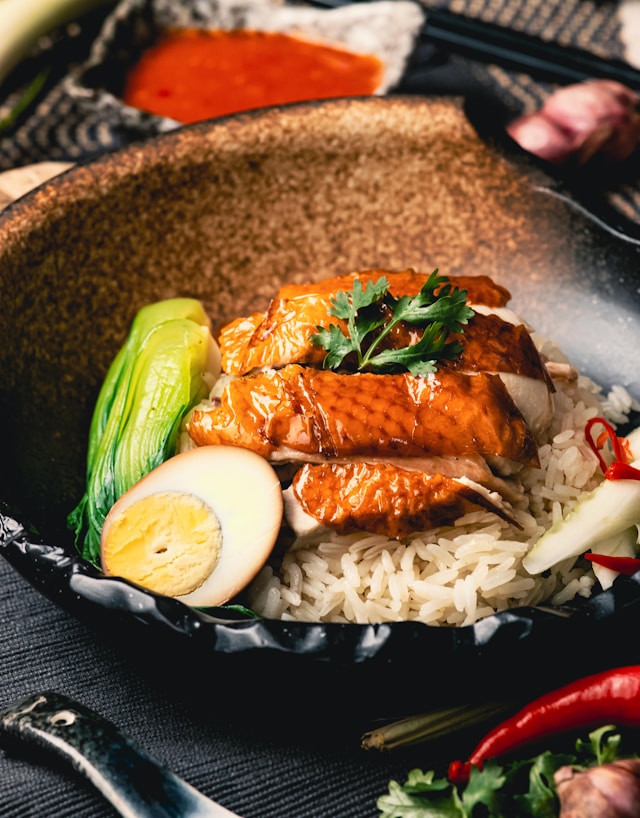
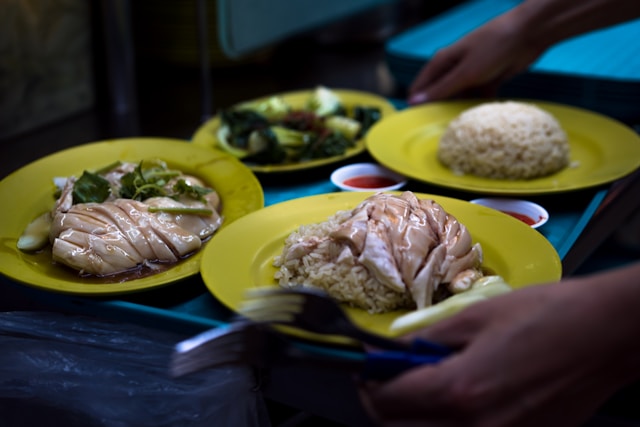
    • Local Delights: Even within the modern mall setting, you can find traditional Singaporean fare. Look for stalls selling classic chicken rice, fragrant laksa, and comforting bowls of fish soup.

    Velocity@Novena Square: Fueling the Active Lifestyle

    Connected directly to Square 2, Velocity bills itself as a sports-themed mall. This theme extends to its food offerings, with many cafes and restaurants providing healthier options alongside indulgent treats. It’s a place where you can grab a post-workout smoothie or settle in for a substantial meal.

    Some highlights include:

    • International Chains: Popular global brands like Nando’s and MOS Burger have a strong presence, offering familiar comfort food.
    • Western & Fusion: You’ll find a good mix of Western-style cafes and restaurants. The Marmalade Pantry is a chic spot known for its elegant brunch menu, pasta dishes, and beautiful cupcakes. It’s a perfect place for a leisurely weekend meal or a sophisticated afternoon tea.
    • Healthy Choices: Reflecting its sports theme, Velocity has several eateries focusing on fresh, healthy ingredients. Think salad bars, juice kiosks, and restaurants that highlight lean proteins and whole grains.

    United Square: A Family-Friendly Food Paradise

    Just across the road, United Square caters primarily to families. Its food and beverage outlets reflect this, with a mix of kid-friendly restaurants and casual dining spots that appeal to all ages. It’s a reliable choice for a family meal where everyone can find something they enjoy.

    Popular options include:

    • Family Favorites: Chains like Pizza Hut and Ichiban Boshi are mainstays, offering crowd-pleasing menus that are perfect for a family outing.
    • Cafes and Bakeries: You’ll find numerous spots to grab a coffee and a pastry, like Starbucks Reserve, which offers a more premium coffee experience.
    • Hidden Gems: Tucked away in United Square are smaller eateries offering quality food without the long queues you might find elsewhere. It’s worth exploring the different floors to uncover these spots.

    Beyond the Malls: Goldhill Plaza and Pek Kio Market

    While the malls form the modern core of Novena’s food scene, the surrounding area holds some of its most cherished culinary treasures.

    The Famous Beef Kway Teow at Goldhill Plaza

    A short walk from the main mall cluster is Goldhill Plaza, home to a legendary eatery that draws crowds from all over the island: Hock Lam Street Beef Kway Teow. With a history stretching back over a century, this establishment is a Singaporean institution. They have even earned a Michelin Plate recognition for their dedication to quality.

    What makes their beef noodles so special?

    • The Broth: The soup is the star of the show. It’s a rich, complex broth that has been simmered for hours with beef bones and a secret blend of herbs and spices. It’s both savory and slightly sweet, with a deep, comforting flavor.
    • The Beef: The beef is incredibly tender, whether you opt for the thinly sliced meat, the melt-in-your-mouth tendon, or the bouncy beef balls.
    • The Chili Sauce: Their homemade chili sauce is the perfect accompaniment, adding a bright, tangy kick that cuts through the richness of the broth.

    A visit to Hock Lam is more than just a meal; it’s an experience of Singapore’s rich hawker heritage. Be prepared to queue, especially during peak lunch hours, but the reward is a bowl of noodles you won’t soon forget.

    Pek Kio Market & Food Centre: Authentic Hawker Flavors

    For a truly local experience, a trip to Pek Kio Market & Food Centre is essential. Located on the edge of the Novena district, this bustling market offers a glimpse into the daily life of Singaporeans and serves up some of the best and most affordable hawker food in the area.

    Pek Kio is renowned for several stalls that have been perfecting their craft for decades:

    • Wah Kee Big Prawn Noodles: This is one of the most famous prawn noodle stalls in Singapore. The broth is a flavor bomb—rich, briny, and bursting with the sweet essence of prawn heads. The prawns themselves are large, fresh, and succulent. It’s an indulgent dish that’s worth every cent.
    • Good Spice Carrot Cake: Don’t be fooled by the name; this isn’t a sweet dessert. “Carrot cake” or chai tow kway is a savory dish made from steamed radish cake stir-fried with eggs, preserved radish, and either a sweet dark sauce (black version) or just with egg (white version). The version here is known for being perfectly crispy on the outside and soft on the inside.
    • Pin Wei Hong Kong Style Chee Cheong Fun: This stall elevates the humble rice noodle roll. Their chee cheong fun is silky smooth and served with a variety of fillings, from prawns to char siu (barbecued pork), all drenched in a light, savory soy sauce.

    Exploring Pek Kio Market offers a more rustic, authentic counterpoint to the polished eateries in the malls. It’s where you can enjoy Michelin-worthy food while sitting on a plastic stool, surrounded by the sights and sounds of a traditional Singaporean market.

    Why Novena Deserves the Title of “Best Foodie Hub”

    So, what elevates Novena from just another neighborhood with good food to one of the best in Singapore?

    1. Unmatched Variety: The sheer diversity of food available in such a compact area is staggering. You can have authentic Korean street food for lunch, a classic Singaporean beef noodle soup for a mid-afternoon snack, and a refined Italian dinner, all without leaving the neighborhood.
    2. A Spectrum of Price Points: Novena caters to every budget. You can enjoy a world-class, Michelin-recognized meal for under $10 at a hawker center or indulge in a multi-course tasting menu at a high-end restaurant. This accessibility makes it a dining destination for everyone, from students to discerning gourmands.
    3. Convenience and Comfort: The interconnected malls make Novena an incredibly easy place to navigate. This “under-one-roof” convenience means you can go on a food crawl without breaking a sweat, a significant advantage in Singapore’s tropical climate.
    4. A Blend of Old and New: Novena perfectly encapsulates Singapore’s culinary identity. It respects and preserves its heritage through institutions like Hock Lam and the stalls at Pek Kio Market, while also embracing modern trends and international cuisines in its sleek mall restaurants.

    Your Next Culinary Adventure Awaits

    Novena’s food scene is a dynamic and delicious reflection of Singapore itself. It’s a neighborhood that rewards the curious and satisfies every craving. Whether you are a tourist looking for an authentic taste of the city or a local in search of a new favorite spot, Novena offers a culinary journey unlike any other.

    The next time you’re planning a meal out at places like HK Street Restaurant, look beyond the usual hotspots. Take the MRT to Novena and spend a day exploring its diverse offerings. Start with a hearty bowl of beef noodles, wander through the bustling basement of Square 2, and finish with a coffee at a chic cafe. You’ll quickly discover why this unassuming neighborhood is truly one of Singapore’s best-kept foodie secrets.

  • 12 Must-Try Novena Food in Singapore

    12 Must-Try Novena Food in Singapore

    Novena might not be the first neighborhood that comes to mind when you think about Singapore’s food scene, but this medical district has been quietly building a reputation as one of the island’s most exciting culinary destinations. While most tourists flock to Newton or Lau Pa Sat, savvy locals know that Novena offers an incredible mix of traditional hawker fare, trendy cafes, and hidden gems that serve some of the best food in Singapore.

    This guide will take you through 12 exceptional food spots in Novena that deserve a place on every food lover’s bucket list. From authentic local dishes that have been perfected over decades to innovative fusion concepts that are redefining Singapore cuisine, these establishments represent the diverse and dynamic food culture that makes this neighborhood special.

    Whether you’re a longtime resident looking to explore your own backyard or a visitor seeking authentic flavors beyond the typical tourist spots, these Novena food destinations will give you a true taste of what makes Singapore’s culinary scene so remarkable.

    Traditional Hawker Favorites That Define Novena

    1. Ah Chiang’s Porridge (United Square Food Court)

    Hidden within United Square’s bustling food court, Ah Chiang’s Porridge has been serving comforting bowls of congee for over two decades. The secret lies in their slow-cooked rice base, which simmers for hours until it reaches the perfect creamy consistency.

    Their signature fish porridge features fresh slices of pomfret in a savory broth that’s been enhanced with ginger and white pepper. The century egg and lean pork porridge is another standout, offering a perfect balance of textures and flavors that locals have been craving since the 1990s.

    What sets Ah Chiang’s apart is their attention to detail. Each bowl is garnished with fresh spring onions and a drizzle of sesame oil, while the accompaniments—pickled vegetables and salted peanuts—provide the perfect contrast to the smooth porridge.

    2. Swee Choon Tim Sum Restaurant

    While technically spanning multiple locations, the Novena branch of Swee Choon deserves special recognition for maintaining the authentic Hong Kong dim sum experience that made the original so famous. Operating 24 hours, this restaurant serves fresh dim sum around the clock, making it a favorite among shift workers and late-night diners.

    Their har gow (shrimp dumplings) showcase translucent wrappers that hold plump, sweet prawns seasoned with just the right amount of seasoning. The siu mai (pork dumplings) are equally impressive, featuring a perfect ratio of pork and shrimp topped with a bright orange crab roe.

    Don’t miss their signature mee sua, a comforting bowl of thin wheat noodles in a rich, cloudy broth. It’s the kind of soul-warming dish that explains why Swee Choon has maintained such a devoted following across generations of Singapore diners.

    Modern Cafes Redefining Novena’s Food Scene

    3. Nylon Coffee Roasters

    Nylon Coffee Roasters brought specialty coffee culture to Novena long before it became trendy elsewhere in Singapore. Their industrial-chic space serves some of the city’s best single-origin coffees, roasted in-house with meticulous attention to flavor profiles and brewing methods.

    The cafe’s signature flat white showcases their house blend—a carefully balanced combination of Brazilian and Ethiopian beans that produces notes of chocolate and citrus. For those preferring alternative brewing methods, their pour-over selection rotates regularly, featuring beans from small farms across Southeast Asia and beyond.

    Beyond coffee, Nylon offers a thoughtfully curated food menu. Their sourdough toast topped with avocado, cherry tomatoes, and a perfectly poached egg has become an Instagram favorite, while their croissants—buttery, flaky, and made fresh daily—pair beautifully with their espresso-based drinks.

    4. The Providore

    Located in the heart of Novena’s shopping district, The Providore combines gourmet market and restaurant concepts under one roof. Their commitment to using premium ingredients and supporting local suppliers has made them a favorite among discerning diners seeking elevated comfort food.

    Their truffle mac and cheese represents indulgence at its finest—creamy bechamel sauce mixed with aged cheddar and parmesan, finished with aromatic truffle oil and crispy bacon bits. The portion is generous enough to share, though you might not want to.

    The weekend brunch menu features their famous big breakfast, which includes free-range eggs, artisanal sausages, grilled tomatoes, sautéed mushrooms, and thick-cut bacon. Everything is prepared with attention to quality that justifies the premium pricing, making it perfect for special occasions or treating yourself after a long week.

    Authentic International Cuisines

    5. Tanjong Rhu Wanton Noodle

    This humble stall proves that some of Singapore’s best food comes from the most unassuming locations. Operating from a simple setup in Novena Square, Tanjong Rhu Wanton Noodle has perfected the art of this classic Cantonese dish over more than three decades.

    Their wantons are hand-wrapped daily, each dumpling containing a mixture of fresh prawns and pork that’s been seasoned with white pepper and sesame oil. The noodles—thin egg noodles that provide the perfect texture—are tossed in a light soy sauce mixture that doesn’t overpower the delicate flavors.

    The char siu (barbecued pork) deserves special mention. Each slice is tender and flavorful, with a beautiful caramelized exterior that speaks to traditional roasting techniques. Combined with fresh vegetables and served in a clear, aromatic broth, this dish represents comfort food at its finest.

    6. Udon Thai (Velocity @ Novena Square)

    Udon Thai brings authentic Thai flavors to Novena with a focus on fresh ingredients and traditional cooking methods. Their tom yum soup stands out as particularly exceptional—a perfect balance of sour, spicy, and aromatic elements that transport you straight to Bangkok’s street food stalls.

    The green curry with chicken showcases the restaurant’s commitment to authenticity. Made with fresh green chilies, Thai basil, and coconut milk, the curry achieves that perfect balance of heat and creaminess that defines great Thai cuisine. Served with jasmine rice, it’s a complete meal that satisfies both flavor and comfort cravings.

    Their pad thai deserves recognition for avoiding the overly sweet preparations common in many local Thai restaurants. Instead, it achieves the proper balance of tamarind, fish sauce, and palm sugar that makes this dish a Thai classic.

    Hidden Gems and Local Secrets

    7. Ji Xiang Confectionery

    Tucked away in a residential area near Novena MRT, Ji Xiang Confectionery represents old-school Singapore baking at its finest. This traditional bakery has been serving the neighborhood for over 40 years, maintaining recipes and techniques that have largely disappeared from modern Singapore.

    Their curry puffs are legendary among locals—crispy, flaky pastry filled with spiced potatoes, chicken, and hard-boiled egg. Each one is hand-crimped and deep-fried to order, resulting in a golden exterior that shatters at first bite.

    The traditional Swiss roll deserves equal attention. Made with a light sponge cake and filled with fresh cream, it represents the kind of simple perfection that has kept customers returning for decades. These items sell out quickly, so arrive early to avoid disappointment.

    8. Rong Cheng Bak Kut Teh

    This family-run restaurant has been serving some of Singapore’s best bak kut teh for over three generations. Their Teochew-style preparation focuses on the natural sweetness of pork ribs, enhanced with a light pepper broth that allows the meat’s flavor to shine through.

    The secret lies in their soup base, which simmers for hours using a blend of white peppercorns, garlic, and proprietary spices. The result is a clear, aromatic broth that warms you from the inside out while perfectly complementing the tender pork ribs.

    Don’t leave without trying their braised pig’s trotters and tau kwa (firm tofu). Both dishes showcase the kitchen’s skill with traditional Teochew flavors and cooking techniques that have been passed down through generations.

    Contemporary Asian Fusion

    9. PS.Cafe (Novena Square)

    PS.Cafe brought their signature blend of comfort food and Instagram-worthy presentation to Novena, creating a space that appeals to both food enthusiasts and social media lovers. Their truffle shoestring fries have achieved cult status among Singapore diners, and for good reason.

    The restaurant’s signature green goddess salad combines mixed greens, avocado, edamame, and pumpkin seeds with a creamy herb dressing that’s both indulgent and surprisingly healthy. It’s the kind of dish that makes eating vegetables feel like a treat rather than a chore.

    Their weekend brunch menu features creative takes on classic dishes. The eggs Benedict comes with a choice of premium toppings, while their French toast—thick brioche soaked in vanilla custard and grilled to perfection—represents comfort food at its most refined.

    10. Pasta Fresca Da Salvatore

    This authentic Italian restaurant brings genuine Italian flavors to Novena through traditional recipes and imported ingredients. Their handmade pasta showcases techniques that owner Salvatore learned growing up in Italy, resulting in dishes that transport diners straight to the Italian countryside.

    The aglio olio represents simplicity at its finest—perfectly al dente spaghetti tossed with golden olive oil, garlic, and chili flakes. Fresh parsley and parmesan cheese complete this classic dish that proves great Italian food doesn’t need to be complicated.

    Their tiramisu deserves special recognition as one of Singapore’s best versions of this classic dessert. Made with authentic mascarpone, espresso-soaked ladyfingers, and a dusting of cocoa powder, it provides the perfect ending to any meal.

    Sweet Endings and Dessert Destinations

    11. Twelve Cupcakes (United Square)

    While Twelve Cupcakes has multiple locations across Singapore, their Novena outlet holds special significance as one of their original shops. The brand’s commitment to using premium ingredients and creative flavor combinations has made them a favorite for celebrations and everyday treats.

    Their signature red velvet cupcake remains their most popular item, featuring moist cake with a subtle cocoa flavor topped with rich cream cheese frosting. The chocolate mudslide offers pure indulgence, while seasonal flavors keep the menu exciting for regular customers.

    The shop also offers custom decoration services, making them popular for birthdays and special occasions. Their cupcake decorating classes have become particularly popular among families looking for fun weekend activities.

    12. Kki Sweets

    This Korean-inspired dessert cafe brings Seoul’s trendy dessert culture to Novena through Instagram-worthy creations and authentic Korean sweets. Their bingsu (shaved ice dessert) represents Korean comfort food at its finest, particularly during Singapore’s hot afternoons.

    The mango bingsu features fluffy shaved ice topped with fresh mango chunks, condensed milk, and a scoop of vanilla ice cream. The textures and temperatures create a refreshing treat that’s both visually stunning and incredibly satisfying.

    Their Korean-style macarons deserve recognition for their unique flavors like black sesame and green tea. These delicate cookies showcase French technique with Korean flavor profiles, creating something uniquely appealing to both local and international palates.

    Planning Your Novena Food Adventure

    Exploring Novena’s food scene at places such as HK Street Restaurant requires some strategic planning to make the most of your culinary journey. The neighborhood’s compact size makes it possible to visit multiple venues in a single day, though you’ll want to pace yourself to fully appreciate each experience.

    Start your day early at Ji Xiang Confectionery, where the best items sell out quickly. Follow this with coffee at Nylon Coffee Roasters, then work your way through the hawker options during lunch hours when they’re at their freshest.

    Evening dining works well at the more upscale establishments like PS.Cafe or The Providore, while late-night options include Swee Choon for those craving dim sum after midnight.

    Most venues are within walking distance of Novena MRT station, making the neighborhood highly accessible by public transportation. Parking can be challenging during peak hours, so public transport is often the most convenient option.

    Savoring Novena’s Culinary Future

    Novena’s food scene represents something special in Singapore’s culinary landscape—a perfect blend of traditional flavors and modern innovation that reflects the city-state’s evolving food culture. These 12 establishments showcase the diversity and quality that make this neighborhood a destination worth exploring beyond its medical facilities and shopping centers.

    From century-old recipes preserved by dedicated hawkers to innovative dishes created by passionate chefs, Novena offers authentic experiences that satisfy both curiosity and appetite. The neighborhood’s continued development promises even more exciting additions to its already impressive food scene.

    Take time to explore these culinary gems at your own pace. Each venue offers its own unique story and flavors that contribute to Novena’s growing reputation as one of Singapore’s most exciting food neighborhoods. Your taste buds will thank you for the adventure.

  • 12 Travel Instances When Laundry Services are A Must

    12 Travel Instances When Laundry Services are A Must

    Traveling light sounds appealing until you’re halfway through your trip wearing the same shirt for the third day straight. While packing efficiently is an art form, there are specific travel situations where professional laundry services become essential rather than optional. Understanding when to seek these services can transform your travel experience from stressful to seamless.

    Smart travelers know that laundry services aren’t just about convenience—they’re about maintaining comfort, hygiene, and confidence throughout your journey. Whether you’re dealing with unexpected spills, extended stays, or specialized clothing requirements, knowing when to call in professional help can save your trip and your wardrobe.

    This comprehensive guide explores twelve critical travel scenarios where laundry services become indispensable, helping you identify when it’s time to skip the hotel sink and invest in proper care for your clothing.

    Extended Business Travel

    Multi-Week Assignments

    Business travelers on extended assignments face unique challenges that make laundry services essential. Packing enough clothes for weeks away from home creates logistical nightmares and oversized luggage fees. Professional laundry services solve this problem by allowing you to pack strategically for shorter periods while maintaining a professional appearance throughout your entire stay.

    Corporate travelers often require specific clothing standards that hotel laundry facilities simply can’t meet. Pressed dress shirts, properly creased trousers, and wrinkle-free blazers demand professional attention. Attempting to maintain these standards with hotel irons and small sinks typically results in subpar appearance that can impact business relationships and professional credibility.

    Important Meetings and Presentations

    Critical business meetings require impeccable presentation, making laundry services non-negotiable. The night before a major presentation isn’t the time to discover that your go-to outfit has wrinkles that won’t come out with hotel equipment. Professional pressing and cleaning ensure you look polished and confident when stakes are highest.

    Time constraints during business travel make DIY laundry impractical. Between meetings, client dinners, and preparation time, finding hours to properly wash, dry, and press clothing becomes impossible. Laundry services free up valuable time for business activities while ensuring your wardrobe remains meeting-ready.

    Adventure and Outdoor Travel

    Hiking and Camping Expeditions

    Extended outdoor adventures generate clothing challenges that surpass normal washing capabilities. Mud, sweat, and outdoor cooking odors penetrate fabric in ways that require professional treatment. Technical fabrics used in outdoor gear often need specialized care to maintain their performance properties like moisture-wicking and water resistance.

    Multi-day hiking trips create hygiene concerns that impact both comfort and health. Carrying enough clean clothes for extended wilderness periods isn’t practical, making strategic laundry stops essential. Professional cleaning removes bacteria and odors that simple rinsing cannot address, preventing skin irritation and maintaining group harmony.

    Beach and Water Activities

    Beach vacations expose clothing to sand, salt water, and sunscreen—a combination that requires professional attention. Salt water leaves residue that stiffens fabric and can cause colors to fade if not properly removed. Sand particles embed in fabric fibers, creating abrasion that damages clothing during normal wear.

    Water sports generate unique cleaning challenges that hotel facilities can’t handle. Chlorine from pools, algae from lakes, and salt from ocean activities need specialized treatment to prevent permanent damage. Professional laundry services understand these challenges and use appropriate techniques to restore clothing to its original condition.

    Climate-Related Challenges

    Tropical Humidity and Heat

    Tropical destinations create rapid clothing saturation that makes frequent changes necessary. High humidity prevents proper drying, while intense heat generates perspiration that requires thorough cleaning. Attempting to manage these conditions with limited hotel facilities often results in damp, musty-smelling clothes that never fully dry.

    Tropical climates accelerate bacteria growth in clothing, creating health and comfort concerns. Professional laundry services use high-temperature washing and proper drying techniques that eliminate bacteria and prevent odor buildup. This becomes particularly important during longer stays in humid environments where clothing struggles to dry naturally.

    Cold Weather Destinations

    Winter travel involves specialized clothing that requires professional care. Down jackets, wool sweaters, and thermal layers need specific cleaning methods to maintain their insulating properties. Home washing can damage these expensive items, while professional services understand how to clean them without compromising performance.

    Cold weather destinations often lack adequate indoor drying facilities, making professional services essential. Wet clothing in cold climates doesn’t dry naturally, creating potential health hazards and comfort issues. Professional services ensure clothing is properly dried and ready for continued use in challenging conditions.

    Cultural and Social Events

    Formal Dinners and Ceremonies

    Special occasions during travel require pristine formal wear that demands professional attention. Wedding receptions, business galas, and cultural ceremonies call for clothing that looks freshly pressed and immaculate. Hotel ironing boards rarely produce the crisp results needed for formal events.

    Formal wear often requires specialized care that prevents damage to delicate fabrics and embellishments. Silk dresses, wool suits, and beaded garments need expert handling to maintain their appearance and longevity. Professional services understand these requirements and provide appropriate care for special occasion clothing.

    Cultural Dining Experiences

    Immersive dining experiences can challenge even the most careful travelers. Consider the Japanese BBQ experience where interactive cooking over tabletop grills creates aromatic smoke that permeates clothing. While these authentic dining adventures create unforgettable memories, they often leave clothes smelling strongly of grilled meat and smoke.

    Traditional yakiniku restaurants use charcoal hibachi grills that produce more intense aromas than typical dining experiences. The combination of searing meat, sesame oils, and traditional seasonings creates persistent odors that require professional cleaning to fully remove. Hotel washing facilities simply cannot eliminate these deep-set cooking smells effectively.

    Medical and Health Considerations

    Illness During Travel

    Unexpected illness during travel creates immediate laundry needs that require professional attention. Fever, stomach issues, and other travel-related ailments can quickly contaminate multiple clothing items. Professional services provide the thorough cleaning and sanitization needed to prevent reinfection and maintain hygiene standards.

    Medical emergencies often generate clothing damage that requires specialized treatment. Blood, medications, and other medical substances need immediate professional attention to prevent permanent staining. Quick action by professional services can often save clothing that would otherwise be discarded.

    Allergy Management

    Travelers with severe allergies require clothing that’s free from environmental allergens that accumulate during travel. Pollen, dust, and pet dander can trigger reactions even when clothing appears clean. Professional laundry services use high-temperature washing and specialized detergents that remove allergens more effectively than standard washing.

    Sensitive skin conditions require clothing that’s thoroughly cleaned and rinsed to remove all detergent residues. Professional services understand these requirements and can provide hypoallergenic cleaning that prevents skin irritation and maintains comfort throughout travel.

    Luggage and Transportation Issues

    Lost or Delayed Luggage

    Flight delays and lost luggage create immediate clothing shortages that require quick solutions. Professional laundry services can clean and return limited clothing items quickly, allowing travelers to maintain hygiene and comfort while awaiting luggage resolution. This service becomes particularly valuable during extended delays or lost luggage situations.

    Emergency clothing purchases during luggage delays often require immediate cleaning to remove sizing chemicals and achieve proper fit. Professional services can quickly process new clothing items, making them comfortable and wearable immediately rather than waiting for hotel facilities or hand washing.

    Transportation Accidents

    Travel accidents involving spills, stains, or damage require immediate professional attention to prevent permanent clothing loss. Vehicle breakdowns, restaurant spills, and other transportation mishaps can quickly ruin clothing that might be salvageable with prompt professional treatment.

    Public transportation in busy cities exposes clothing to various contaminants that require thorough cleaning. Subway systems, busy airports, and crowded buses create conditions where clothing picks up odors and stains that need professional attention to fully remove.

    Special Fabric and Garment Care

    Delicate and Expensive Items

    Luxury clothing and delicate fabrics require specialized care that hotel facilities cannot provide. Silk, cashmere, and designer garments need expert handling to prevent damage and maintain their appearance. Professional services understand the specific requirements for these materials and provide appropriate care.

    Structured garments like suits and formal dresses require professional pressing and steaming to maintain their shape and appearance. Hotel irons and steamers cannot achieve the professional results needed for these items, making commercial laundry services essential for maintaining a polished appearance.

    Performance and Technical Fabrics

    Athletic wear and technical fabrics used in outdoor gear require specialized cleaning to maintain their performance properties. Moisture-wicking materials, UV protection, and antimicrobial treatments can be damaged by improper washing. Professional services understand these fabrics and use appropriate cleaning methods.

    Workout clothing used during travel accumulates bacteria and odors that require thorough cleaning to prevent health issues. Professional services use high-temperature washing and specialized detergents that eliminate bacteria and odors more effectively than standard hotel washing facilities.

    Time-Sensitive Situations

    Same-Day Cleaning Needs

    Last-minute meeting changes or unexpected invitations create urgent clothing needs that require professional services. Hotel washing facilities cannot provide the speed and quality needed for time-sensitive situations. Professional services offer express cleaning that can restore clothing to pristine condition within hours.

    Travel itinerary changes often compress schedules and eliminate time for clothing care. Professional services can handle cleaning needs while travelers focus on other priorities, ensuring clothing remains travel-ready without disrupting busy schedules.

    Multiple Outfit Changes

    Some travel situations require frequent outfit changes that exceed normal washing capabilities. Fashion weeks, multiple social events, and business conferences with various dress codes create laundry volumes that overwhelm hotel facilities. Professional services can handle these demands efficiently.

    Event-heavy travel schedules create situations where clothing needs exceed packing capacity. Professional services allow travelers to pack strategically while ensuring fresh clothing remains available for each event. This approach reduces luggage weight while maintaining appropriate attire for all occasions.

    Making Smart Laundry Decisions While Traveling

    Understanding when to use professional laundry services can significantly improve your travel experience. These twelve scenarios represent situations where the investment in professional cleaning pays dividends in comfort, appearance, and peace of mind.

    Smart travelers recognize that laundry services aren’t an unnecessary expense—they’re strategic tools that enable better travel experiences. By identifying these critical situations before you travel, you can plan accordingly and ensure your wardrobe supports rather than hinders your journey.

    The key lies in recognizing that certain travel situations exceed the capabilities of standard hotel facilities and personal care methods. Professional laundry services provide specialized expertise, equipment, and efficiency that can transform challenging clothing situations into manageable solutions, allowing you to focus on enjoying your travels rather than worrying about your wardrobe.

  • The Top 12 Different Cuisines | Restaurants Near Me

    The Top 12 Different Cuisines | Restaurants Near Me

    Food isn’t just nourishment; it’s an experience that takes your taste buds on a globe-trotting adventure. Exploring different cuisines not only allows you to savor unique flavors but also gives you a glimpse into diverse cultures and traditions. Whether you’re a die-hard foodie or someone looking to break away from your usual meals, this blog introduces 12 iconic cuisines you absolutely need to try. And we’re making it even easier for you by highlighting how to find restaurants near you that serve them.

    Why Exploring Different Cuisines is Worth Your Time

    Trying new cuisines goes beyond the joy of eating. It’s about celebrating cultures, expanding your palate, and discovering flavors you never knew you loved. Plus, sharing these experiences with friends or family at a local restaurant can create lasting memories.

    How We Picked These Cuisines

    The cuisines on this list are celebrated worldwide, cherished for their distinctive dishes, and popularly enjoyed in restaurants near you. Simply type “restaurants near me” into your favorite search engine, and you just might stumble upon your next favorite dish.

    Now, let’s begin the culinary adventure!

    1. Italian Cuisine

    Famous For:

    Pasta, pizza, risotto, gelato

    Signature Dishes to Try:

    • Spaghetti Carbonara: Creamy pasta with pancetta and Pecorino Romano.
    • Margherita Pizza: The OG pizza with tomato, mozzarella, and fresh basil.

    Must-Try Tip:

    Look for Italian restaurants with wood-fired ovens for the most authentic pizza experience.

    2. Japanese Cuisine

    Famous For:

    Umami-rich flavors, precision, and sushi artistry

    Signature Dishes to Try:

    • Sushi (try nigiri or sashimi for a true traditional experience)
    • Ramen (opt for tonkotsu broth if you enjoy creamy, savory soups)

    Must-Try Tip:

    Head to restaurants known for sourcing fresh fish to savor the best sushi near you.

    3. Mexican Cuisine

    Famous For:

    Vibrant spices, hearty ingredients, and street food culture

    Signature Dishes to Try:

    • Tacos Al Pastor: Marinated pork, pineapple, and fresh cilantro in a tortilla.
    • Guacamole & Chips for a fresh, flavor-packed appetizer.

    Must-Try Tip:

    Search for authentic Mexican taquerias that hand-make their tortillas.

    4. Chinese Cuisine

    Famous For:

    Regional diversity and bold flavors

    Signature Dishes to Try:

    • Dim Sum for a variety of small, flavorful bites.
    • Kung Pao Chicken for a spicy, nutty twist.

    Must-Try Tip:

    Look for restaurants specializing in specific Chinese regions (Cantonese, Sichuan, etc.).

    5. Indian Cuisine

    Famous For:

    Spices, vibrant curries, and vegetarian options

    Signature Dishes to Try:

    • Butter Chicken with fluffy naan bread to scoop up every last drop.
    • Chana Masala for a hearty chickpea curry packed with flavor.

    Must-Try Tip:

    Check out restaurants with tandoor ovens for authentic naan and kebabs.

    6. Thai Cuisine

    Famous For:

    A balance of sweet, spicy, sour, and salty flavors

    Signature Dishes to Try:

    • Pad Thai for a flavorful yet simple noodle dish.
    • Green Curry for a creamy, aromatic experience.

    Must-Try Tip:

    Seek out restaurants using fresh Thai basil and lime leaves.

    7. French Cuisine

    Famous For:

    Sophistication, butter-rich pastries, and fine dining

    Signature Dishes to Try:

    • Croissants for the quintessential breakfast pastry.
    • Coq au Vin for a slow-cooked, wine-infused masterpiece.

    Must-Try Tip:

    Indulge at a French bistro for an intimate, cozy dining setting.

    8. Greek Cuisine

    Famous For:

    Mediterranean herbs, fresh ingredients, and olive oil galore

    Signature Dishes to Try:

    • Moussaka for a rich, lasagna-like dish with eggplant.
    • Souvlaki skewers with tzatziki sauce for dipping.

    Must-Try Tip:

    Opt for a family-run Greek restaurant for truly homemade flavors.

    9. Korean Cuisine

    Famous For:

    Fermented flavors, spice, and interactive dining experiences

    Signature Dishes to Try:

    • Bibimbap for a colorful rice bowl topped with veggies, meat, and fried egg.
    • Korean BBQ for a hands-on grilling experience.

    Must-Try Tip:

    Search for BBQ restaurants with table grills for an authentic feast.

    10. Vietnamese Cuisine

    Famous For:

    Fresh herbs, light broths, and balance in every dish

    Signature Dishes to Try:

    • Pho for a hearty noodle soup with fragrant broth.
    • Banh Mi sandwiches featuring fresh baguettes and tangy pickles.

    Must-Try Tip:

    Find spots that make broth in-house, as pho’s flavor lies in its base.

    11. Spanish Cuisine

    Famous For:

    Shared plates and bold flavors

    Signature Dishes to Try:

    • Paella for a saffron-scented rice dish with seafood or chicken.
    • Patatas Bravas with spicy aioli for the perfect small bite.

    Must-Try Tip:

    Experience tapas to engage in true Spanish dining culture.

    12. Lebanese Cuisine

    Famous For:

    Healthy, flavorful mezze dishes

    Signature Dishes to Try:

    • Hummus & Pita for a creamy and satisfying starter.
    • Shawarma for flavorful, roasted meat wrapped in soft bread.

    Must-Try Tip:

    Look for Lebanese spots using fresh herbs like parsley and mint in their cooking.

    How to Find These Cuisines Near You

    Are you ready to step into a culinary adventure? Here’s how to locate restaurants serving these amazing cuisines in your area:

    1. Search Online using terms like “Italian restaurant near me” or “best sushi in [city].”
    2. Use Restaurant Apps like Yelp, OpenTable, or Google Maps to find top-rated spots.
    3. Ask for Recommendations. Friends, coworkers, or local foodie groups offer great insights.

    Expand Your Palate and Enjoy the Journey

    There’s no better way to learn about the world than through its food. With so many unique cuisines to try, you never need to stick with the same old meals again. Whether you’re indulging in a rich French dish or savoring fresh Vietnamese pho, eating is an adventure that’s always worth exploring.

    Now, it’s your turn to take that first step. Find a restaurant near you such as HK Street Restaurant, gather some friends, and enjoy a meal that transports you to a different corner of the world. Bon appétit!

  • The Most Popular China Food Foreigners Should Try

    The Most Popular China Food Foreigners Should Try

    Authentic Chinese cuisine is celebrated worldwide for its incredible diversity, vibrant flavors, and rich history. While many people think of fried rice and sweet-and-sour pork as staples, China’s culinary depth spans regional specialties and traditional recipes that date back centuries. If you’re ready to go beyond your comfort zone and experience the true taste of Chinese food, this guide will introduce you to the dishes foreigners simply must try.

    Whether you’re planning a trip to China, visiting a local Chinese restaurant, or cooking at home, this list will expand your palate and give you a true appreciation for Chinese gastronomy.

    A Flavorful Introduction to Chinese Cuisine

    China food is far more than just sustenance. It’s about balance, tradition, and an artful mixing of textures, colors, and flavors. From fiery Sichuan dishes to dim sum, there’s a dish for everyone, no matter your taste preferences. Here’s a curated list of the most popular Chinese foods for adventurous eaters to explore.

    Must-Try Chinese Dishes by Region

    China’s regional cuisines are incredibly diverse. Here’s a look at some of the most iconic dishes categorized by their culinary heritage.

    1. Sichuan Cuisine (Spicy and Flavorful)

    Sichuan cuisine is synonymous with bold, spicy flavors. It’s famous for its use of Sichuan peppercorns that provide a tingling, numbing sensation known as “mala.”

    • Kung Pao Chicken (宫保鸡丁): A classic dish featuring diced chicken stir-fried with peanuts, vegetables, and chili peppers. It delivers the perfect blend of sweet, savory, and spicy flavors.
    • Mapo Tofu (麻婆豆腐): Silken tofu and minced pork cooked in a spicy, oily sauce with fermented bean paste and Sichuan peppercorns. It’s a fiery delight.
    • Sichuan Hotpot (四川火锅): A communal dining experience where diners cook meats, vegetables, and tofu in a bubbling pot of spicy broth.

    Want fiery flavor? Sichuan cuisine will leave your taste buds tingling (in the best way).

    2. Cantonese Cuisine (Subtle and Balanced)

    Cantonese cuisine showcases delicate seasonings and focuses on fresh ingredients being the star.

    • Dim Sum (点心): These bite-sized dishes include dumplings, buns, and rolls, often served with tea. Popular dim sum creations include shrimp dumplings (har gow) and pork buns (char siu bao).
    • Char Siu (叉烧): Sweet and savory barbecued pork with a caramelized glaze. Perfect when paired with rice or noodles.
    • Steamed Fish (清蒸鱼): Lightly seasoned with soy sauce, ginger, and scallions, this dish highlights the natural flavor of the fish.

    For a subtle, comforting culinary experience with complex layers of flavor, Cantonese cuisine will not disappoint.

    3. Shandong Cuisine (Crisp and Savory)

    Known for its crispy textures and seafood dishes, Shandong cuisine offers some incredible treats.

    • Sweet and Sour Carp (糖醋鲤鱼): A visually stunning dish where deep-fried carp is coated in a tangy sweet-and-sour sauce.
    • Braised Sea Cucumber (红烧海参): A luxurious dish, often served during banquets, made with slow-cooked sea cucumber in a rich brown sauce.
    • Jianbing (煎饼): Often considered the Chinese breakfast of champions, this savory crepe is made with egg, green onions, crispy wontons, and hoisin sauce.

    For foodies who love light and crispy textures, Shandong cuisine can be a revelation.

    4. Zhejiang Cuisine (Fresh and Mild)

    Zhejiang emphasizes fresh ingredients and subtle flavors that are often refreshing and light.

    • Dongpo Pork (东坡肉): A dish made from slow-braised pork belly in a sweet and savory sauce, named after the poet Su Dongpo.
    • Beggar’s Chicken (叫化鸡): Chicken stuffed with spices and wrapped in lotus leaves before being baked in clay, giving it an earthy aroma.
    • West Lake Fish in Vinegar Sauce (西湖醋鱼): A delicate freshwater fish dish served in a sweet-and-sour vinegar sauce.

    If you enjoy mild and fresh flavors, this cuisine provides dishes that feel comforting yet refined.

    Legendary Street Foods You Can’t Miss

    Beyond the traditional dishes served in restaurants, China’s street food scene is a vibrant, irresistible experience no foodie should miss.

    Jianbing (煎饼)

    Known as China’s most popular breakfast, this savory crepe is made fresh on a griddle, filled with egg, green onions, crispy wontons, and optional chili sauce for an extra kick.

    Xiaolongbao (小笼包)

    These famous soup dumplings are steamed buns filled with a flavorful broth and tender meat or seafood. A bite-sized burst of flavor awaits.

    Stinky Tofu (臭豆腐)

    Despite its intense aroma, stinky tofu is a cult favorite, offering a crispy exterior and tender, flavorful interior. Adventurous eaters will love giving this polarizing street food a try.

    Zha Jiang Mian (炸酱面)

    This “fried sauce noodles” dish consists of wheat noodles topped with a rich, salty-sweet soybean paste, often paired with cucumber shreds.

    Why Chinese Cuisine Must Be Experienced Fully

    Chinese food isn’t just about eating; it’s about culture, history, and connection. Sharing dishes served family-style, experimenting with new flavors, and experiencing regional specialties helps you gain a greater appreciation for China’s culinary traditions.

    If you’re new to Chinese food, start small, exploring dim sum or Sichuan dishes at Chong Qing Grilled Fish before moving on to bold flavors like Zhejiang’s braised pork. Each bite is a step toward culinary discovery.

    How to Get Started on Your Culinary Adventure

    When trying authentic Chinese food, here are some tips:

    1. Start Local: Visit local restaurants that offer authentic options. Don’t be afraid to ask for recommendations or explanations.
    2. Experiment Boldly: Try something new each time, whether it’s a new sauce, protein, or preparation style.
    3. Cook at Home: Purchase ingredients like rice wine, soy sauce, and Sichuan peppercorns to re-create traditional flavors.

    For those traveling to China, a guided food tour is an excellent way to explore regional cuisines along with local insights.

  • The Physical Health Benefits of Tuina Singapore

    The Physical Health Benefits of Tuina Singapore

    When it comes to holistic health practices, few therapies have withstood the test of time like Tuina. Rooted in Traditional Chinese Medicine (TCM) and practiced for over 2,000 years, Tuina is steadily gaining traction in Singapore as an integral solution for physical wellness and relief. Whether you’re seeking to alleviate chronic pain, improve mobility, or simply de-stress, Tuina offers a therapeutic option that engages your body’s natural healing abilities.

    This blog explores the myriad physical health benefits of Tuina and how it fits seamlessly into the wellness culture in Singapore. By the time you finish reading, you’ll know exactly why this ancient therapy is here to stay—and how it could drastically improve your quality of life.

    What Is Tuina and Why Is It Unique?

    Tuina (pronounced “twee-nah”) is a TCM-focused therapeutic massage technique. Unlike conventional massages focusing solely on relaxation, Tuina integrates acupressure techniques, massages, and more intensive manipulations to target energy blockages in the body’s meridians (channels through which life energy, or “Qi,” flows).

    This therapy is more than skin deep—Tuina aims to restore balance to your body by addressing root causes of physical discomfort, not merely masking symptoms.

    What sets it apart?

    • Meridian Focus: Unlike Western massages, Tuina Singapore works intentionally on meridians and acupressure points.
    • Therapeutic Customization: Techniques range from gentle, soothing strokes to more vigorous manipulations depending on your specific health concerns—be it chronic back pain, stiff joints, or stress-induced headaches.

    Practitioners in Singapore are trained to adapt Tuina for modern-day health issues while preserving its traditional efficacy, making it an increasingly valuable resource for physical health improvement.

    Physical Health Benefits of Tuina

    Now that you grasp what Tuina is, let’s explore the key physical health benefits that make this therapy so popular in Singapore.

    1. Pain Relief You Can Feel

    Chronic pain doesn’t just wear you down physically—it dampens your overall quality of life. Whether it’s tension headaches, lower back pain, or muscle stiffness after a long workday, Tuina therapy provides targeted relief.

    Why It Works

    • Tuina enhances blood circulation by using rhythmic pressure and kneading motions along meridians.
    • It reduces muscle tightness and promotes oxygen delivery to affected areas, speeding up recovery.

    Examples

    Tuina has been widely used in Singapore to manage conditions such as neck stiffness (a common office worker issue) and frozen shoulder. Studies have even linked Tuina to providing effective short-term relief for sciatica pain.

    2. Improved Joint Mobility

    Singaporeans living active lifestyles can greatly benefit from Tuina for joint health. This therapy addresses stiffness, mobility loss, and swelling in joints.

    Why It Works

    By releasing blockages in meridians, Tuina allows energy to flow smoothly through the joints, reducing inflammation. Specific techniques help stretch, manipulate, and align sore or stiff joints.

    Who Benefits Most

    While anyone can enjoy these benefits, Tuina is especially effective for athletes or those managing aging-related mobility concerns like arthritis.

    3. Reduced Stress and Better Sleep

    Living in a bustling city like Singapore can be demanding. Add to it work pressure and household responsibilities, and burnout sneaks in. Thankfully, Tuina offers stress relief that transcends standard relaxation.

    Why It Works

    • Harmonizing Qi balances the autonomic nervous system, helping calm both body and mind.
    • Enhanced blood flow contributes to better sleep patterns, as it releases serotonin and reduces tension.

    This makes it a go-to therapy for those who struggle with insomnia or stress-induced fatigue.

    4. Boosted Immunity and Organ Function

    Surprising as it may seem, a few sessions of Tuina could bolster your immune system. By aligning meridians connected to internal organs, the therapy optimizes organ functionality and removes toxins.

    Why It Works

    Traditional Chinese Medicine views organ health as deeply intertwined with Qi balance. Tuina’s targeted pressure points strengthen this balance, boosting your body’s natural defenses.

    For example, Singaporeans often use Tuina to address digestive issues by stimulating the stomach meridian and improving organ health.

    5. Quicker Recovery After Injuries

    Singaporeans recovering from sports injuries or surgeries often choose Tuina for its rehabilitative functions.

    Why It Works

    • Gently manipulating connective tissue and muscles ensures no scar tissue forms.
    • Improved blood circulation accelerates healing.

    Whether it’s a sprained ankle or post-surgery stiffness, Tuina’s restorative powers can complement Western approaches to recovery.

    Who Should Consider Tuina?

    Wondering if Tuina is the right solution for you? Here’s who can benefit most from the therapy:

    • Office Workers dealing with posture-related pain and stress.
    • Athletes or Active Individuals looking to improve recovery time and joint health.
    • Older Adults managing age-related stiffness or chronic conditions.
    • Anyone Seeking Natural Health Support who wants to avoid invasive treatments like surgery or rely less on painkillers.

    What to Expect in a Tuina Session in Singapore

    Before booking your first session, it’s helpful to know what to expect. Most Tuina therapy providers in Singapore offer consultations to assess your condition before beginning treatment.

    During Your Session:

    1. The practitioner will conduct a brief exam to identify problem areas.
    2. Depending on your needs, they will use a combination of pressing, kneading, rolling, and stretching techniques.
    3. Some sessions may incorporate herbal patches or heat therapy for additional relief.

    Tuina sessions typically last between 30 to 60 minutes. You might leave feeling more tender than after a typical massage, but the results—pain relief, heightened mobility, and better energy—are well worth it.

    Finding the Right Tuina Therapy in Singapore

    Singapore is home to many skilled Tuina practitioners. Here’s how to find one that’s right for you:

    • Certification: Ensure your practitioner is certified and experienced in TCM principles.
    • Reviews and Referrals: Check reviews or ask for recommendations from friends and family.
    • Comfort Level: Schedule an initial consultation to see if the practitioner aligns with your wellness goals.

    Take Charge of Your Physical Wellness

    Tuina isn’t just a therapy—it’s a holistic approach to finding harmony within your body. Whether you’re looking to relieve pain, recover faster from injuries, or simply improve your overall quality of life, Tuina offers a time-tested, effective solution.

    Living in Singapore provides you access to world-class Tuina practitioners at Kelly Oriental who blend tradition with modern expertise. Why not give it a try? Your body—and your Qi—will thank you.

  • The Complete History of Chinese Food

    The Complete History of Chinese Food

    Chinese cuisine is one of the world’s most cherished culinary traditions, celebrated for its rich flavors, diverse techniques, and regional specializations. From the fragrant stir-fries of Guangdong to the fiery spices of Sichuan, Chinese food speaks to both tradition and innovation. But how did it all begin? This guide takes you through the entire history of Chinese food—its origins, evolution, and its influence on global gastronomy.

    A Journey to the Birthplace of Chinese Food

    Chinese cuisine’s roots stretch back thousands of years, emerging alongside the development of human civilization in the region. Archaeological evidence shows that as early as 5,000 BCE, Neolithic communities in China were consuming grains like millet and rice. Over the next millennia, food began to evolve beyond survival into an art form.

    The Neolithic Foundations

    During China’s Neolithic period, early agricultural practices began dictating dietary habits. Millet was one of the first staple grains cultivated in the northern regions, while southern China saw the rise of rice farming due to its wetter climate. Over time, these communities began practicing food preservation techniques like drying and fermenting—a skill that would play a vital role in Chinese culinary traditions.

    The Zhou, Qin, and Han Dynasties (1046 BCE–220 CE)

    During the Zhou Dynasty (1046–256 BCE), Chinese food started to adopt its characteristic emphasis on balancing flavors and harmonizing ingredients. The Chinese concept of yin-yang in food—a balance between cooling and warming ingredients—began during this period. Tools like steamers and woks appeared, allowing for more inventive cooking methods.

    The Han Dynasty (206 BCE–220 CE) was instrumental in expanding China’s taste palate. Trade routes like the Silk Road introduced peppercorns, figs, and pomegranates, while methods like pickling and spicing became increasingly popular. This era laid the foundation for dishes that emphasized richness in flavor.

    Regional Specializations Emerge

    China is a vast country, and its culinary diversity reflects its geographic and cultural divides. During the Tang (618–907 CE) and Song (960–1279 CE) dynasties, regional specializations began to flourish.

    Northern vs. Southern Cuisine

    • Northern Cuisine (Shandong and Beijing): The colder climate led to hearty dishes focused on wheat products like noodles, dumplings, and buns. Roasting meats, particularly duck, became a hallmark of this region.

    • Southern Cuisine (Guangdong and Fujian): The fertile, warm land provided fresh vegetables, rice, and seafood. Cantonese cuisine, known for its delicate, fresh flavors, began thriving during this time.

    The Influence of Mongol Rule (Yuan Dynasty, 1279–1368)

    The Yuan Dynasty introduced new ingredients and influences from Central Asia, including lamb, yogurt, and a variety of spices. Dumplings (like today’s buns and mantou) became more widespread as a fusion of Chinese culinary traditions and Mongol tastes.

    The Role of Chinese Philosophy and Medicine

    Chinese cuisine has always gone beyond flavor—it ties closely with health, philosophy, and even spirituality. The core philosophies of Confucianism and Taoism influenced cooking profoundly.

    • Confucianism emphasized harmony and meticulous preparation in food. Presentation and etiquette at the dining table became equally important.
    • Taoism celebrated the health-related aspects of food, focusing on herbal infusions and balancing qi (life energy) to maintain well-being. Many traditional Chinese soups and teas originate from this ideology.

    The Global Spread of Chinese Food

    By the Ming (1368–1644 CE) and Qing (1644–1912 CE) dynasties, China developed distinctive eating habits recognizable today—tea drinking, dim sum feasts, and soy sauce-based cooking. During this time, Chinese immigrants began expanding across the globe, spreading the flavors of their homeland far and wide.

    Chinese Food Beyond Borders

    • 19th-Century Immigration and Chinatowns:

    Chinese laborers traveling to North America during the Gold Rush (1848–1855) created adaptations of their traditional cuisine. This led to the iconic concept of “Chinatown” restaurants that popularized dishes like lo mein, chop suey, and egg rolls.

    • Modernization and Fusion:

    In contemporary times, Chinese food has continued evolving through fusion cuisines. For example, in India, dishes like Indo-Chinese Hakka noodles adapted Chinese techniques with South Asian spices.

    Regional Flavors That Define Chinese Cuisine

    Today, Chinese cuisine can be distilled into eight famous culinary traditions, each with its unique style, ingredients, and techniques:

    1. Cantonese Cuisine (Guangdong) – Known for its freshness, simplicity, and iconic dim sum, it’s one of the best-known Chinese cuisines worldwide.
    2. Sichuan Cuisine – Often spicy and numbing, thanks to Sichuan peppercorns.
    3. Hunan Cuisine – Similar to Sichuan but sharper and fresher, emphasizing bold flavors.
    4. Shandong Cuisine – Hearty dishes featuring lots of seafood and bold umami flavors.
    5. Jiangsu Cuisine – Known for dishes that focus on texture and intricate preparation techniques.
    6. Fujian Cuisine – Famous for seafood and soups with standout umami richness.
    7. Zhejiang Cuisine – Known for light and refined preparations, often featuring fresh seafood and bamboo shoots.
    8. Anhui Cuisine – Associated with earthy flavors and the use of wild herbs.

    Chinese Food’s Influence on Global Gastronomy

    The impact of Chinese food has been felt throughout global culinary cultures. Whether through the widespread practice of stir-frying or the popularity of ingredients like soy sauce, the global pantry owes much to Chinese gastronomy. Some of the most beloved international dishes, such as ramen, spring rolls, and sweet and sour chicken, wouldn’t exist without Chinese culinary influence.

    Rediscover the Art of Chinese Food in Your Kitchen

    Chinese cuisine at Chong Qing Grilled Fish is a testament to the depth of human creativity and cross-cultural interaction. Whether you’re savoring the smoky aroma of stir-fried vegetables or indulging in the delicate layers of char siu bao, each bite of Chinese food tells a story of innovation, trade, and timeless artistry.

    If this exploration of Chinese food history has inspired you, why not try crafting some Chinese dishes at home? Explore traditional recipes, experiment with authentic ingredients, and bring a piece of culinary history to your table.

  • How to Execute A Company Audit in Singapore

    How to Execute A Company Audit in Singapore

    Conducting a company audit is an essential process for ensuring compliance with financial regulations, providing transparency, and enhancing trust with stakeholders. In Singapore, businesses, especially those that are private limited companies, must adhere to specific legal requirements regarding audits. Understanding the steps involved in executing a company audit Singapore can help ensure a smooth process, avoid penalties, and improve the overall financial health of your business.

    In this guide, we’ll take you through the essential steps required to execute a company audit in Singapore, from understanding the legal obligations to finalizing the audit report.

    1. Understand the Legal Requirements for Audits in Singapore

    Before you begin the audit process, it’s important to familiarize yourself with the legal framework governing company audits in Singapore. The Singapore Companies Act and regulations set out specific rules regarding audits for different types of businesses.

    Key points to note:

    • Mandatory Audit Requirements: Singapore companies are generally required to have their financial statements audited unless they qualify for audit exemptions. Exemptions apply to small companies, defined as those meeting at least two of the following criteria for the past two consecutive financial years:
      • Revenue of S$10 million or less
      • Total assets of S$10 million or less
      • 50 or fewer employees
    • Public Companies: Public companies, including listed entities, are required to undergo annual audits regardless of their size.
    • Audit Exemption: A private limited company that qualifies as a small company can apply for an audit exemption, but it must file a declaration with the Accounting and Corporate Regulatory Authority (ACRA) to claim the exemption.

    If your company doesn’t meet the exemption criteria, an audit is mandatory, and you must appoint an external auditor to conduct the audit.

    2. Engage an External Auditor

    The next step is to engage a qualified external auditor who will be responsible for carrying out the audit. The auditor must be a public accountant registered with the Accounting and Corporate Regulatory Authority (ACRA).

    Key things to consider when choosing an auditor:

    • Audit Experience: Look for an auditor with experience in auditing businesses of your size and in your industry. Industry-specific knowledge can improve the quality of the audit process.
    • Reputation and Credentials: Ensure the auditor or auditing firm is reputable, well-established, and registered with ACRA.
    • Fees: Discuss and agree on the fees upfront. Fees for audits vary depending on the complexity of the company’s financials, size, and industry.

    The external auditor will be responsible for verifying the company’s financial statements, ensuring compliance with accounting standards, and identifying any discrepancies or issues.

    3. Prepare Financial Records and Documents

    Before the auditor begins their work, it’s crucial that your company prepares all the necessary financial records and documents for review. This ensures a smooth audit process and reduces the chances of delays or issues arising.

    Documents that should be prepared include:

    • Balance Sheet: A statement of the company’s assets, liabilities, and equity.
    • Income Statement: A summary of the company’s revenues, expenses, and profits over a specific period.
    • Cash Flow Statement: A report that outlines the cash inflows and outflows from operating, investing, and financing activities.
    • General Ledger: A detailed record of all financial transactions, including debits and credits.
    • Bank Statements: Reconciled bank statements for the audit period.
    • Tax Filings: Previous tax returns and any correspondence with tax authorities.

    Your finance team should ensure that all records are up-to-date and accurate. Any discrepancies or missing information could result in audit delays and additional costs.

    4. Conduct the Fieldwork and Audit Procedures

    Once the financial documents are ready, the auditor will begin the fieldwork phase. This involves reviewing the company’s financial statements, accounting records, internal controls, and other related information. The auditor will verify the accuracy and completeness of the financial records and perform tests to assess the company’s financial health.

    Key audit procedures include:

    • Substantive Testing: The auditor tests transactions, balances, and controls to verify the financial statements.
    • Verification of Assets and Liabilities: The auditor checks physical assets, inventory, and liabilities, such as loans or accounts payable, to ensure accuracy.
    • Internal Controls Review: The auditor assesses the effectiveness of the company’s internal controls to ensure proper financial management and prevent fraud.
    • Fraud Detection: If any inconsistencies or red flags are identified, the auditor will investigate further to determine whether fraudulent activities have occurred.

    During this stage, the auditor may also request additional information, conduct interviews with management, or perform other procedures to gather sufficient evidence for forming an opinion on the financial statements.

    5. Communicate with Management

    Throughout the audit process, the external auditor will communicate with the company’s management to clarify any issues, discrepancies, or concerns that arise. This ongoing communication is critical for ensuring the accuracy of the audit and addressing any potential challenges.

    Some key points of communication may include:

    • Initial Planning: Before the audit begins, the auditor and management should discuss the scope, timeline, and any potential challenges.
    • Interim Findings: If the auditor encounters any concerns or issues during the fieldwork, they will notify management and request clarifications.
    • Final Review: After completing the fieldwork, the auditor will present the audit findings to management for review and discussion.

    This collaborative process ensures that any necessary adjustments are made before the final audit report is issued.

    6. Draft and Review the Audit Report

    Once the auditor has completed the fieldwork and confirmed the accuracy of the financial records, they will draft the audit report. The audit report provides an opinion on the fairness and accuracy of the company’s financial statements, based on the auditor’s findings.

    The auditor may issue one of the following types of audit opinions:

    • Unqualified Opinion (Clean Report): This indicates that the financial statements present a true and fair view, in accordance with accounting standards.
    • Qualified Opinion: This suggests that there are some exceptions or limitations in the financial statements, but they do not significantly affect the overall fairness.
    • Adverse Opinion: This indicates that the financial statements do not present a true and fair view of the company’s financial position.
    • Disclaimer of Opinion: This occurs when the auditor is unable to form an opinion due to insufficient information or scope limitations.

    Once the audit report is drafted, it should be reviewed by both the auditor and company management. Any discrepancies or issues identified should be addressed before the final report is issued.

    7. Finalization and Filing of the Audit Report

    After the audit report has been finalized, the auditor will submit it to the company’s board of directors for approval. The report must be signed off by the auditor and delivered to stakeholders, such as shareholders, investors, and the Accounting and Corporate Regulatory Authority (ACRA), if required.

    For companies required to file their audited financial statements with ACRA, the audit report must be submitted as part of the annual filing process. Companies must file their financial statements within 30 days after the company’s annual general meeting (AGM).

    In addition, companies must ensure compliance with the Singapore Financial Reporting Standards (SFRS) or International Financial Reporting Standards (IFRS), depending on the size and nature of the company.

    8. Review the Audit Findings and Implement Improvements

    After the audit report is submitted, it’s important for management to review the findings and address any issues or weaknesses identified during the audit. If any internal control weaknesses, fraud risks, or errors were discovered, management should implement corrective actions to strengthen financial management processes.

    A post-audit review meeting between management and the auditor is often a good idea to discuss any recommendations and ensure that the company is prepared for future audits.


    Conclusion

    Executing a company audit in Singapore is a multi-step process that requires careful preparation, collaboration, and adherence to legal requirements. By understanding the process, engaging the right auditor, preparing accurate financial records, and maintaining open communication throughout, you can ensure a smooth and efficient audit. Audits from Koh Lim Audit not only fulfill legal obligations but also provide valuable insights into the financial health of your company, offering opportunities to enhance business operations, improve internal controls, and build trust with stakeholders.

  • 15 Unique Perks of A Massage Treatment in Singapore

    15 Unique Perks of A Massage Treatment in Singapore

    In today’s fast-paced world, stress and tension have become commonplace. The demands of work, personal commitments, and digital overload often take a toll on our physical and mental well-being. One of the most popular ways to unwind and rejuvenate is through massage therapy. In Singapore, a global hub of wellness, spa treatments, and luxurious massage therapies are easily accessible, offering a wealth of benefits for both the body and mind. Whether you’re a local or a visitor, there are many unique perks to experiencing a massage in Singapore.

    In this article, we’ll explore 15 reasons why a massage treatment in Singapore is a must-try experience for anyone seeking relaxation, health benefits, and self-care.

    1. Stress Relief and Relaxation

    One of the most immediate and well-known benefits of massage is stress relief. The soothing touch of a massage therapist helps reduce tension in the muscles and promotes the release of endorphins, the body’s natural feel-good chemicals. In a bustling metropolis like Singapore, where the pace of life can be overwhelming, a massage can provide an essential escape, helping to alleviate stress and promote a state of deep relaxation.

    2. Improved Circulation

    Massage therapies improve blood flow throughout the body, helping to circulate oxygen and nutrients to muscles and tissues. Enhanced circulation can contribute to improved overall health, better immune function, and quicker recovery from injury or fatigue. This is particularly beneficial for those who spend long hours working in front of a computer or in stressful environments.

    3. Pain Relief and Muscle Tension

    Whether you’re dealing with chronic pain, muscle stiffness, or soreness, massage therapy can be an effective remedy. Therapists in Singapore are trained to identify areas of tension and apply targeted pressure to relieve discomfort. Popular massage types, such as deep tissue massage or sports massage, focus on alleviating muscle pain, promoting faster healing, and increasing mobility.

    4. Boosted Mood and Mental Clarity

    Regular massage treatment Singapore have been linked to better mental health, including reduced anxiety, depression, and improved mood. In Singapore, where work pressure and deadlines can weigh heavily on individuals, taking time out for a massage can restore your mental clarity. The relaxation that comes from massage can help reset your mindset, clear your head, and leave you feeling more energized and focused.

    5. Detoxification

    Massage can stimulate the lymphatic system, which plays a key role in detoxifying the body. By encouraging lymph flow and helping the body eliminate toxins, massage therapy can promote better immune function and enhance your body’s natural detoxification processes. Many spas in Singapore incorporate aromatherapy into their massage treatments, further enhancing the detox effect through the use of essential oils.

    6. Improved Sleep Quality

    Massage treatments have been shown to improve sleep by promoting relaxation and reducing stress levels. For those who suffer from insomnia or have trouble sleeping due to anxiety, a good massage can help relax the body and mind, making it easier to fall asleep and enjoy deeper, more restorative rest. A relaxing massage before bedtime can be an ideal part of your nightly self-care routine.

    7. Better Posture

    Singapore is known for its highly competitive work culture, and many individuals spend long hours sitting at desks or working on computers. This sedentary lifestyle can lead to poor posture, which may cause back, neck, and shoulder pain. Massage therapy can help release tight muscles, correct imbalances, and improve alignment, thus contributing to better posture and reducing the risk of long-term pain or injury.

    8. Enhanced Flexibility and Range of Motion

    Regular massage treatments can enhance flexibility by loosening tight muscles and increasing the range of motion in joints. For individuals who engage in physical activities, whether recreational or competitive, massage helps maintain flexibility, prevent injury, and support post-exercise recovery. In Singapore, massage treatments are commonly sought by athletes and fitness enthusiasts to optimize performance and prevent injuries.

    9. Reduced Headaches and Migraines

    Headaches and migraines are common complaints among people with busy schedules and high-stress levels. A therapeutic massage can alleviate tension in the neck, shoulders, and head, which are often the primary culprits behind headaches. By relaxing the muscles and improving circulation, massage therapy can reduce the frequency and intensity of headaches and migraines, offering relief without the need for medication.

    10. Skin Health and Rejuvenation

    In addition to its muscle-relaxing benefits, massage also has a positive impact on your skin. When combined with essential oils or natural moisturizers, massage stimulates blood flow to the skin, which encourages healthy cell renewal. In Singapore, many spas offer facial massages designed to rejuvenate the skin, reduce signs of aging, and improve the overall tone and texture of the complexion.

    11. Holistic Wellness and Emotional Balance

    Massage treatments in Singapore are not only about physical relaxation but also about promoting emotional and spiritual well-being. Many massage therapies incorporate holistic elements such as mindfulness, breathing exercises, and aromatherapy to help balance the body and mind. These therapies can improve your overall sense of well-being, reduce emotional stress, and promote a sense of peace and calm.

    12. A Personalized Experience

    One of the unique perks of getting a massage in Singapore is the level of customization available. Many spas and wellness centers offer personalized treatment plans based on your specific needs and preferences. Whether you prefer gentle Swedish massage or a more intense deep tissue massage, therapists tailor each session to meet your individual requirements. This level of personalization ensures that you get the maximum benefit from your massage experience.

    13. Access to Traditional Techniques

    Singapore offers a wide variety of traditional massage techniques influenced by different cultures, including Tui Na, Shiatsu, and Thai massage. These time-honored practices combine therapeutic pressure with stretches and body movements to enhance the benefits of massage. For those interested in alternative healing methods, traditional therapies offer an authentic and holistic approach to relaxation and rejuvenation.

    14. Spa Experience with Luxury Amenities

    Singapore is home to some of the most luxurious spas in the world. Many of the top spas offer a full wellness experience that goes beyond just the massage. These spas feature luxurious amenities such as saunas, hot tubs, relaxation lounges, and even rooftop views of the Singapore skyline. A trip to a high-end spa is not only about receiving a massage but indulging in a total experience that restores both body and mind.

    15. Cultural Connection and Local Wellness Traditions

    Massage treatments in Singapore also offer a way to connect with local wellness traditions and enjoy a cultural experience. Singaporean spas frequently incorporate elements of Malay, Chinese, and Indian healing practices into their treatments, blending various traditional techniques for a unique therapeutic experience. Whether you’re receiving a Balinese massage or experiencing a traditional Chinese foot reflexology treatment, massage in Singapore is an excellent way to embrace the city’s rich cultural diversity.

    Conclusion

    A massage treatment in Singapore is more than just a relaxing indulgence — it’s a holistic therapy that offers a wide range of physical, mental, and emotional benefits. From stress relief and pain management to improved flexibility and better sleep quality, the perks of a massage are numerous and well-documented. With a wide range of techniques, luxury spas, and personalized experiences available, Singapore is an ideal destination for anyone looking to prioritize their well-being and enjoy the ultimate relaxation.

    Whether you’re a busy professional, a tourist looking for a rejuvenating experience, or someone seeking relief from chronic pain, a massage treatment at Kelly Oriental in Singapore is sure to provide the healing benefits your body and mind need.