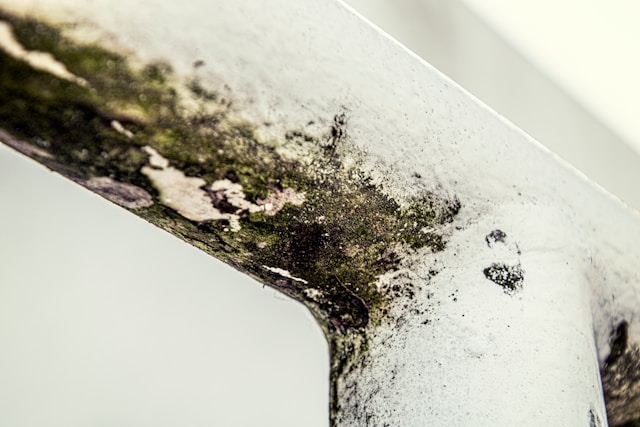
A small dark spot on the bathroom ceiling often seems like a minor annoyance. You might scrub it away with some surface cleaner and forget about it for a few weeks. But microscopic fungal spores operate out of sight. They travel through your air ducts, settle into your drywall, and multiply behind your baseboards.
Living with mold is like sharing your house with an invisible tenant that slowly drains your well-being. Many homeowners experience persistent coughing, unexplained headaches, or chronic fatigue without ever suspecting their environment. They visit doctors and take allergy medications, completely unaware that the root cause is growing inside their own walls.
Understanding the true impact of indoor fungal growth is the first step toward reclaiming your living space. This guide explores the stealthy nature of indoor spores, the serious physical symptoms they trigger, and why proper home mold removal requires much more than a bottle of bleach.
The Stealthy Nature of Indoor Mold
Fungal spores exist naturally in the environment. They drift through open windows, attach to your shoes, and hitch rides on your pets. When these spores land on dry surfaces, they remain harmless. Give them a little moisture, however, and they immediately begin to colonize.
How Moisture Fuels the Problem
Water is the primary catalyst for an infestation. Leaky pipes, high humidity, and poor ventilation create the perfect breeding ground. Bathrooms without exhaust fans trap steam after every shower, feeding the spores on the ceiling. Basements with poor foundation drainage absorb moisture from the surrounding soil. Even condensation on poorly insulated windows provides enough water for a colony to establish itself.
Common Hiding Spots
You will easily spot growth on a shower curtain or a damp windowsill. The most dangerous colonies usually grow where you cannot see them. Check behind large pieces of furniture pushed tightly against exterior walls. Inspect the insulation in your attic. Look under carpets that have recently suffered water damage. By the time you actually smell that distinct musty odor, the infestation has likely spread far beyond the surface.
Physical Symptoms You Should Never Ignore
Exposure affects everyone differently. Some people live in heavily contaminated environments and only experience mild sneezes. Others suffer severe physical reactions to even the smallest amount of spores in the air.
Respiratory Distress and Allergies
Your lungs are the first line of defense against airborne particles. When you breathe in microscopic spores, your immune system reacts. This leads to classic allergy symptoms like a runny nose, watery eyes, and an itchy throat. For individuals with pre-existing asthma, the situation becomes much worse. Exposure can trigger frequent and severe asthma attacks, leading to shortness of breath and chest tightness.
Chronic Fatigue and Brain Fog
Toxins produced by certain types of fungi, known as mycotoxins, can systematically impact your body. Homeowners often report feeling constantly exhausted, regardless of how much sleep they get. This physical drain frequently pairs with cognitive difficulties. You might struggle to concentrate on simple tasks, experience memory lapses, or feel a general sense of mental cloudiness.
Skin Irritation and Rashes
Direct physical contact with contaminated surfaces can cause immediate skin reactions. Airborne spores settling on your skin can also lead to redness, scaling, and intense itching. These rashes often mimic eczema or contact dermatitis, leading to misdiagnoses if the doctor is unaware of your living conditions.
The Pitfalls of DIY Eradication
When faced with a musty corner, the immediate reaction is usually to grab household cleaning supplies. Unfortunately, standard cleaning methods often make the situation significantly worse.
Surface Cleaning Leaves the Roots Intact
Porous materials like drywall, wood, and ceiling tiles absorb moisture deep into their structure. Fungi send root-like structures called hyphae down into these materials. Spraying a surface cleaner or bleach only removes the visible top layer. The roots remain completely intact. Within a few days or weeks, the colony will regrow in the exact same spot.
The Threat of Cross-Contamination
Scrubbing a dry or semi-dry colony is incredibly risky. The friction releases millions of microscopic spores into the air. If your HVAC system is running, it will suck up these airborne particles and distribute them into every other room in your house. A localized issue in a tiny guest bathroom can quickly transform into a whole-house contamination event.
Professional Home Mold Removal: What to Expect
When health risks are involved, calling certified remediation experts is the safest choice. Professionals follow a strict, science-based process to ensure the fungi are eradicated safely and permanently.
Comprehensive Inspection and Testing
The process begins with a thorough assessment. Inspectors use moisture meters and thermal imaging cameras to locate hidden water sources behind walls. They may also take air samples to determine the exact concentration and species of the spores present. This data dictates the scope of the remediation plan.
Strict Containment Protocols
Before any physical removal begins, the team isolates the contaminated area. They set up heavy-duty plastic sheeting and negative air pressure machines. These machines pull the air from the room through HEPA filters, ensuring that any agitated spores cannot escape into the rest of your house.
Safe Removal and Preventative Treatments
Professionals physically remove and discard porous materials that are too damaged to save, such as heavily infested drywall or carpet. For structural wood that cannot be removed, they use specialized antimicrobial treatments and abrasive cleaning methods like dry ice blasting to destroy the root systems. Finally, they address the underlying moisture issue to guarantee the infestation does not return.
Frequently Asked Questions About Indoor Fungi
How much mold is considered dangerous?
There is no universally safe level of indoor fungi. Even small amounts can trigger allergic reactions in sensitive individuals. The danger depends entirely on the specific species present and the health status of the people living in the home. Any visible growth should be treated as a potential health hazard.
Can I sleep in a house with a known infestation?
If the growth is isolated to a specific room that can be sealed off, sleeping in the house might be temporarily acceptable. However, if the contamination is widespread or located in your HVAC system, you should strongly consider finding alternative lodging until professionals complete the remediation.
Does bleach actually kill the roots?
Bleach is highly ineffective on porous surfaces. Its chemical structure prevents it from penetrating materials like wood and drywall. The water in the bleach solution will soak into the material, potentially feeding the remaining roots and causing the colony to return stronger than before.
Take Action to Protect Your Living Space
Ignoring a musty smell or a water stain is a gamble with your health. The microscopic spores circulating through your home will continue to multiply as long as they have a water source. By understanding how these organisms operate and the physical symptoms they cause, you can make informed decisions about your environment.
Inspect your home regularly for leaks, maintain proper humidity levels, and ensure adequate ventilation in your bathrooms and kitchen. If you discover a significant infestation, skip the household cleaners. Contact a certified remediation specialist to test your air quality, safely remove the contamination, and restore your home to a healthy state.