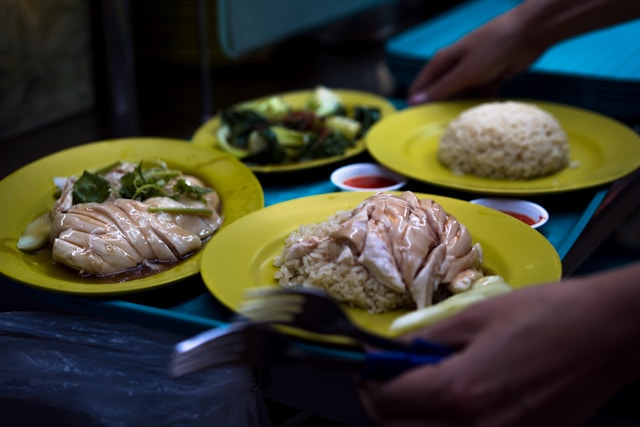
Walking through the vibrant neighborhoods of Singapore at dinnertime, you will quickly notice the unmistakable sound of metal spatulas clashing against hot iron woks. Plumes of fragrant smoke rise into the humid evening air. Families and friends gather around round plastic tables, sharing plates of steaming, deeply flavorful dishes. This is the authentic experience of enjoying Tze Char, a cornerstone of Singaporean food culture.
For locals, Tze Char represents the ultimate comfort food. It offers a unique dining experience that bridges the gap between affordable hawker center street food and formal restaurant dining. The term translates loosely to “cook and fry” in the Hokkien dialect, perfectly describing the fast, high-heat cooking techniques used to prepare these expansive menus.
Understanding what makes this culinary tradition so special requires looking closely at the techniques, the signature dishes, and the communal atmosphere that defines it. If you want to know how to identify a truly excellent stall or simply want to learn how to order like a seasoned local, this guide will provide everything you need to know about Singapore’s beloved food scene.
The Heart and Soul of Tze Char
At its core, this style of cooking relies on a few fundamental elements. A chef must master heat control, flavor balancing, and timing to execute a menu that often spans dozens of different items.
Wok Hei: The Breath of the Wok
You cannot talk about this cuisine without discussing “wok hei.” Translated literally as the “breath of the wok,” wok hei is the complex, smoky flavor imparted to food cooked in a seasoned wok over extreme heat. Achieving this requires immense skill. The chef must toss the ingredients continuously, allowing the oil to catch fire momentarily.
This brief combustion creates a slightly charred, deeply savory profile that cannot be replicated on a standard home stove. A plate of fried rice or noodles without wok hei falls flat, making this technique the ultimate litmus test for any serious chef.
Fresh Ingredients and Bold Flavors
Great stalls pride themselves on sourcing fresh seafood, meats, and vegetables daily. Because the cooking process is so fast, the natural textures and flavors of the ingredients must stand on their own. Chefs utilize an arsenal of bold seasonings, including fermented shrimp paste, oyster sauce, dark soy sauce, and fiery chili sambal. The result is a menu that aggressively targets every taste receptor, offering dishes that are simultaneously sweet, salty, spicy, and umami-rich.
Iconic Tze Char Dishes You Must Try
Every stall has its own specialties, but a few classic dishes anchor almost every menu across the island. Ordering a combination of these items from HK Street Restaurant ensures a well-rounded and satisfying meal.
Har Cheong Gai (Shrimp Paste Fried Chicken)
This is a mandatory order for many families. Chicken wings are marinated overnight in a pungent fermented shrimp paste batter before being deep-fried to a golden crisp. The intense aroma of the raw paste mellows out during the frying process, leaving behind a rich, savory flavor that penetrates the juicy meat.
Chilli Crab and Black Pepper Crab
Often considered the national dish of Singapore, mud crabs are stir-fried in massive woks and smothered in rich sauces. The chili version features a sweet, spicy, and tangy tomato-based gravy thickened with ribbons of egg. Diners eagerly sop up the leftover sauce with fried mantou (steamed buns). The black pepper variant offers a sharper, more aromatic heat that coats the crab shells in a sticky, buttery glaze.
Moonlight Hor Fun
A masterful display of wok hei, this dish consists of wide, flat rice noodles stir-fried with dark soy sauce, Chinese sausage, prawns, and squid. What sets it apart is the raw egg cracked directly into the center of the piping hot noodles just before serving. Diners quickly mix the egg into the dish, creating a silky, rich coating that elevates the entire plate.
Hotplate Egg Tofu
For a milder, deeply comforting option, hotplate tofu is a universal favorite. Cylinders of egg tofu are lightly fried until golden, then served on a sizzling cast-iron platter. A thick gravy made of minced pork, mushrooms, and sometimes prawns is poured over the top. A beaten egg forms a custardy base at the bottom of the hotplate, cooking slowly as the dish is served.
The Atmosphere of a Classic Tze Char Stall
The environment is just as important as the food itself. These establishments are usually located in open-air coffee shops (kopitiams) tucked beneath public housing estates. There is no air conditioning, no fancy tableware, and absolutely no dress code.
Diners sit on plastic stools, drinking ice-cold beer or barley water to combat the tropical heat. The atmosphere is loud, chaotic, and wonderfully communal. Food is always served family-style, placed in the center of the table for everyone to share. This style of eating encourages conversation and connection, making it the preferred choice for family gatherings, birthday celebrations, and casual weekend dinners.
How to Order Like a Local
Navigating a massive menu can feel overwhelming for beginners. The secret to a great meal lies in balancing your order across different cooking methods and flavor profiles.
Start by choosing a main seafood or meat dish to serve as the centerpiece, such as a steamed fish or a serving of pork ribs. Next, add a deep-fried item like Har Cheong Gai for a crunchy texture. Balance the richness with a vegetable dish, like stir-fried sambal kangkong (water spinach) or garlic baby kailan. Finally, decide if you want to pair your meal with steamed white rice or a shared portion of fried noodles.
Don’t hesitate to ask the staff for their daily recommendations. Many stalls have off-menu specials based on the fresh seafood they bought at the market that morning.
Frequently Asked Questions About Tze Char
What does Tze Char mean?
The term originates from the Hokkien dialect and translates to “cook and fry.” It refers to a specific type of Singaporean food stall that serves a wide variety of affordable, restaurant-style Chinese dishes in a casual setting.
Is Tze Char expensive?
It is highly affordable compared to eating at a traditional restaurant. A meal for a group of four usually costs between $40 to $80 SGD, depending on whether you order premium seafood items like crab or whole fish.
What is the best time to eat Tze Char?
These stalls typically operate in the evenings, opening around 5:00 PM and closing late at night. They are heavily favored for dinner and late-night supper. Arriving around 6:00 PM helps you avoid the massive dinner crowds that usually peak between 7:00 PM and 8:00 PM.
Gather Your Friends for a Feast
Understanding this vibrant food culture provides a fascinating window into the daily lives of Singaporeans. It is a cuisine built on the principles of sharing, immense culinary skill, and the simple joy of a hearty meal. The next time you find yourself in Singapore, skip the reservations at the upscale restaurants. Instead, find a busy neighborhood coffee shop, grab a plastic stool, and prepare to enjoy some of the best comfort food the city has to offer.