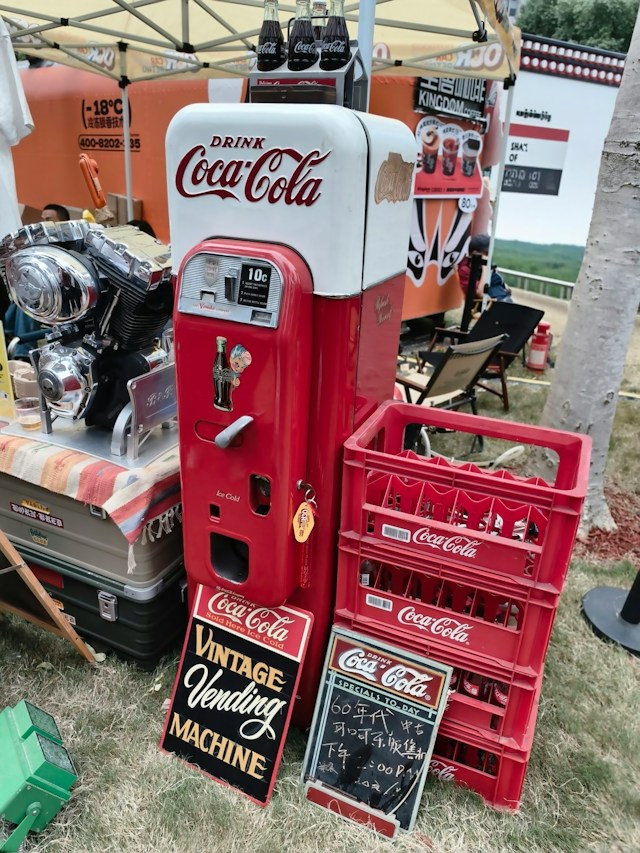
Quick answer: Most new vending machine operators should start with one to three machines, not a dozen. This keeps startup costs manageable — typically between $1,200 and $6,000 per machine depending on whether you buy new, used, or refurbished — while giving you room to learn restocking schedules, test locations, and refine your business before scaling up.
Starting a vending machine business feels deceptively simple. Drop a machine in a busy location, stock it with snacks, and watch the money roll in. The reality is a bit more hands-on, and one of the first questions every new operator asks is: how many machines do I actually need to get started?
Buy too few, and you might struggle to make the venture worth your time. Buy too many, and you risk overextending your budget before you’ve learned how to run the business well. This guide breaks down the ideal starting number of machines, what they cost, and how to plan your first purchase so you set yourself up for sustainable growth rather than early burnout.
How many vending machines should a beginner start with?
Most vending industry veterans recommend starting with one to three machines. This range lets you learn the operational basics — restocking, cash collection, maintenance, and location management — without the complexity of juggling a large route on day one.
A single machine is a reasonable starting point if you’re testing the waters or running the business as a side income stream. It lets you understand the full cycle of sourcing inventory, pricing products, and servicing the machine before you commit more capital. Two to three machines strike a balance for people who are serious about building a vending route but want to validate the model before scaling further.
Jumping straight to five or more machines is riskier for first-time operators. Managing multiple locations means more driving, more inventory to track, and more coordination with property owners — all before you’ve built the systems and habits that make a vending business profitable. Scaling too quickly is one of the most common reasons new operators get overwhelmed and abandon the business within the first year.
Why starting small works better than starting big
Starting with fewer machines isn’t about playing it safe for its own sake — it’s a strategic way to reduce risk while you learn with dreamvending.sg. A smaller start gives you:
- Lower upfront investment, which reduces financial pressure if a location underperforms.
- Time to test different locations and product mixes before locking in long-term placement contracts.
- Room to build restocking routines that scale cleanly as you add machines.
- Flexibility to pivot if a machine type, product category, or location isn’t performing.
Once your first machine (or machines) consistently generates reliable revenue, you have real data — not guesses — to guide your next purchase.
What does a vending machine actually cost?
Vending machine costs vary widely depending on the machine’s condition, size, and technology. Understanding these cost tiers helps you choose the right starting point for your budget.
New vending machines
Brand-new machines typically range from $3,000 to $10,000 or more, depending on the type. Snack and beverage combo machines sit toward the lower-to-middle end of this range, while specialty machines — like those for fresh food, coffee, or electronics — tend to cost more due to added technology like refrigeration units, touchscreens, or cashless payment systems.
New machines come with manufacturer warranties and the latest technology, including card readers and remote inventory monitoring. For a first-time buyer, that reliability can offset the higher sticker price by reducing early repair costs.
Used or refurbished vending machines
Used and refurbished machines are significantly more affordable, often ranging from $1,200 to $4,000. Refurbished machines have typically been inspected, cleaned, and had worn parts replaced, offering a middle ground between the low cost of a used machine and the reliability of a new one.
Choose a refurbished machine if minimizing upfront cost matters more than having the newest technology, and you’re comfortable with a machine that may need occasional repairs. Choose new if you want predictable reliability and are willing to pay more to avoid early maintenance headaches.
Additional costs to budget for
The sticker price of the machine itself is just one part of the investment. Also budget for:
- Initial inventory: Stocking a machine typically costs $150 to $400 depending on machine size and product mix.
- Delivery and installation: Larger machines may require professional delivery and setup, which can add a few hundred dollars.
- Location fees or commission: Many property owners expect a percentage of sales (often 5% to 15%) or a flat monthly fee in exchange for hosting your machine.
- Payment processing: Cashless payment systems may involve monthly fees or per-transaction charges.
- Maintenance and repairs: Set aside a buffer, especially for used machines, since repairs are inevitable over time.
When you add these costs together, a realistic first-machine budget — including the machine, inventory, and setup — often lands between $1,500 and $6,000 for a single used or refurbished unit, or higher if you’re buying new.
How to decide how many machines to buy first
There’s no single right answer, but a few factors should guide your decision.
What’s your available budget?
Start by calculating your total available capital, then work backward. If your budget is $3,000, a single new machine or two used machines may be more realistic than attempting to buy three machines at once and running low on funds for inventory or repairs.
How much time can you commit?
Each machine requires regular restocking, cash collection, and occasional troubleshooting. If you’re running the vending business alongside a full-time job, one or two machines may be all you can manage well. Trying to service five machines with limited time often leads to stockouts, unhappy location partners, and lost sales.
Do you already have a location secured?
If you’ve already secured a high-traffic location — like an office break room, gym, or apartment complex — it may make sense to start with the specific machine type that location needs, rather than buying machines speculatively and searching for placement afterward. Choose your location before your machine count whenever possible.
Are you testing a new product category?
If you’re exploring a product type you haven’t sold before, such as healthy snacks or specialty beverages, starting with one machine lets you gauge demand without overcommitting capital to inventory that might not sell well.
A sample starting budget for your first vending machine
To put these numbers into perspective, here’s what a conservative first purchase might look like:
|
Expense |
Estimated Cost |
|---|---|
|
One refurbished snack/beverage combo machine |
$2,000–$3,500 |
|
Initial inventory |
$200–$400 |
|
Delivery/setup |
$100–$300 |
|
Cashless payment system (optional) |
$100–$300 |
|
Maintenance buffer |
$200–$500 |
|
Total estimated budget |
$2,600–$5,000 |
This range gives you a realistic benchmark for your first machine, with some flexibility depending on whether you buy new or used equipment.
When should you add a second or third machine?
Expand once your first machine shows consistent, predictable performance over several weeks or months. Signs that you’re ready to scale include:
- Revenue consistently covers restocking and location costs with a healthy profit margin.
- You’ve built an efficient restocking routine that isn’t consuming excessive time.
- You’ve identified a second strong location with good foot traffic.
- You understand your most profitable product mix and can replicate it elsewhere.
Scaling gradually — adding one machine at a time as each proves itself — keeps the business manageable and reduces the chance of being stretched too thin across underperforming locations.
Start small, scale with confidence
The smartest way to enter the vending machine business is to start with one to three machines, choose your equipment based on your budget and location opportunities, and expand only once you’ve proven the model works. Vending machine costs vary widely — from roughly $1,200 for a used unit to $10,000 or more for a new specialty machine — so matching your purchase to your available capital and time is more important than matching an arbitrary machine count.
Once your first machine is generating steady, predictable income, you’ll have the real-world data you need to decide where — and how quickly — to grow your route.
Frequently asked questions
How much money can I expect to make from one vending machine?
Earnings vary significantly based on location, foot traffic, and product pricing. A well-placed machine in a high-traffic area can generate meaningful monthly profit, while a poorly placed machine may barely cover its costs. It’s best to treat your first machine as a learning investment rather than expecting guaranteed returns immediately.
Is it better to buy new or used vending machines when starting out?
Buy used or refurbished if minimizing upfront cost is your priority and you’re comfortable handling occasional repairs. Buy new if you want manufacturer reliability, the latest payment technology, and fewer maintenance surprises in your first year.
What are the biggest risks of buying too many vending machines at once?
The biggest risks are financial overextension, inability to keep up with restocking across multiple locations, and spreading your time too thin to properly service each machine, which can lead to lost sales and damaged relationships with location owners.
Do I need a secured location before buying a vending machine?
It’s strongly recommended. Buying a machine before securing a location means you’re gambling on finding a good spot afterward. Lining up a location first lets you choose the right machine type and size for that specific environment.
Can I start a vending machine business part-time?
Yes. One or two machines can realistically be managed alongside a full-time job, since restocking and maintenance typically only require a few hours per week per machine. Scaling beyond that usually requires either more free time or help from an employee.