TL;DR: Tze Char is a beloved style of Chinese-Singaporean cooking served at casual, open-air restaurants or hawker stalls. From crispy cereal prawns to silky steamed fish, the dishes that define this cuisine share one thing in common: bold, unapologetic flavor that turns first-time visitors into regulars.
There’s a particular kind of loyalty that Tze Char inspires. Families return to the same stall for decades. Friends argue passionately about whose favorite spot does the best moonlight hor fun. Office colleagues coordinate group dinners around it. Few dining experiences generate that level of devotion—and yet Tze Char does it consistently, night after night, table after table.
So what makes these dishes so hard to forget?
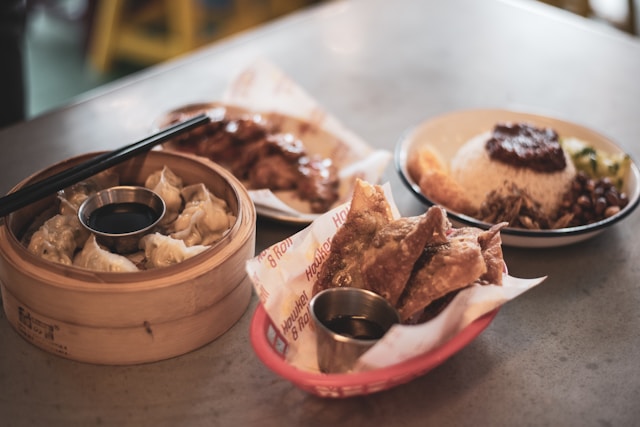
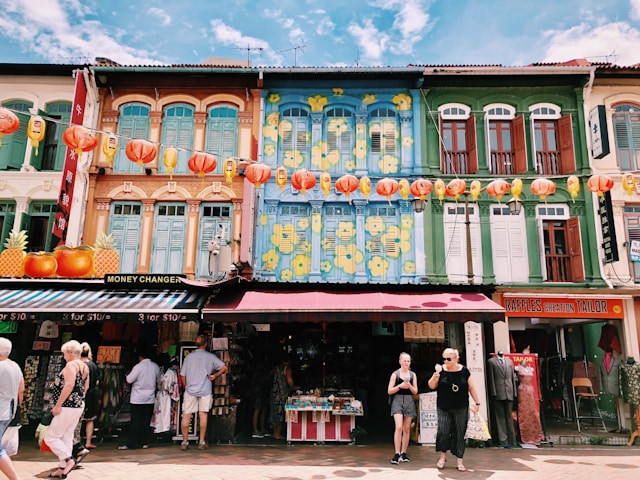
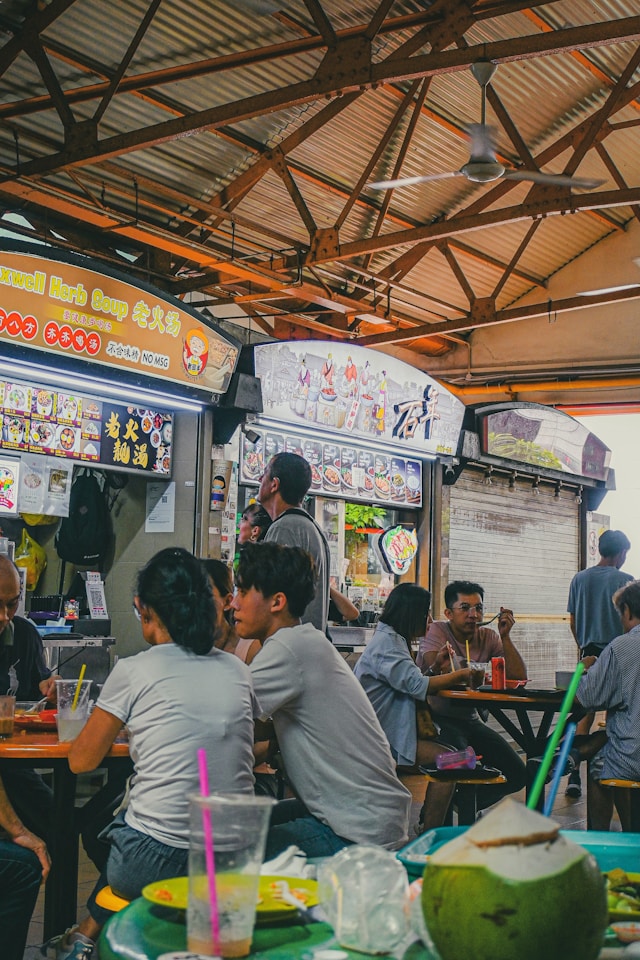
Tze Char (炒炒), which loosely translates to “cook and fry” in Hokkien, refers to a style of casual, made-to-order Chinese cooking that originated in Singapore. Stalls and restaurants serve dishes in a shared, family-style format—typically wok-fried, steamed, or braised—drawing from Cantonese, Hokkien, and Teochew culinary traditions. The settings are often no-frills: plastic stools, round tables, and fluorescent lights. The food, however, is anything but ordinary.
This post breaks down the Tze Char dishes that earn the most repeat customers, and explains exactly what makes each one worth going back for.
What Makes a Tze Char Dish Truly Unforgettable?
Before diving into the list, it helps to understand what separates a great Tze Char dish from a merely good one. Three factors matter most: wok hei, balance, and texture.
Wok hei (镬气) is the smoky, slightly charred quality that results from cooking over extremely high heat in a seasoned wok. It’s the difference between fried rice that tastes homemade and fried rice that tastes like it came from a professional kitchen. Not every stall achieves it—and those that do tend to have lines out the door.
Balance refers to the interplay of sweet, salty, savory, and sometimes sour or spicy elements. The best Tze Char dishes don’t lean too heavily in any one direction. They build layers.
Texture is where many stalls separate themselves. A perfectly fried tofu should be crisp on the outside and silky within. Sambal kang kong should retain just enough bite. Prawns should snap, not chew.
With those benchmarks in mind, here are the dishes that keep diners coming back.
Cereal Prawns: The Dish That Defines a Stall’s Reputation
Ask a seasoned Tze Char diner to name their order-every-time dish, and cereal prawns (麦片虾) will appear near the top of the list. Large prawns—shells on—are fried until crisp, then tossed in a fragrant mixture of toasted oats, butter, curry leaves, dried chili, and egg floss. The result is a savory, buttery, faintly sweet coating that clings to every crevice of the shell.
The appeal is partly textural. The crunch of the oats against the tender prawn creates a contrast that’s deeply satisfying to eat. But it’s also interactive—diners peel as they go, savoring each bite in stages. That hands-on quality adds to the experience.
A stall’s cereal prawn recipe is often treated as proprietary. Some use more butter, others dial up the chili. The ratio of egg floss to oats varies. These small differences become the basis of fierce personal loyalty.
Moonlight Hor Fun: A Dish Built on Smoke and Silkiness
Moonlight hor fun (月光河粉) is wide, flat rice noodles wok-fried with a rich dark soy sauce base, topped with a raw egg yolk at the center—the “moon” that gives the dish its name. The egg is stirred into the hot noodles tableside, coating each strand in a silky, barely-cooked richness.
What makes this dish remarkable is the combination of wok hei and restraint. The noodles must be charred but not dry, sauced but not waterlogged. When it works, it’s one of the most satisfying plates in the entire Tze Char repertoire. When it doesn’t, it reads as flat and greasy.
The best versions come from stalls where the cook works a single wok at full flame, frying one portion at a time. This is not a dish that scales well—which is partly why finding a great moonlight hor fun feels like a minor discovery.
Sambal Kang Kong: The Vegetable Dish That Steals the Show
Tze Char menus from HK Street Restaurant tend to be meat-forward, but sambal kang kong (叁巴空心菜) is the vegetable dish that never gets skipped. Water spinach is stir-fried at high heat with a house-made sambal paste—typically a blend of dried chilies, shrimp paste, shallots, and garlic—until the leaves wilt just slightly while the stems retain a satisfying crunch.
The dish is fast to prepare and fast to disappear from the table. Its heat level varies significantly from stall to stall, and that variation matters. A sambal that’s too mild tastes flat; one that’s too fiery overwhelms. The best versions hit a sweet spot—savory and fragrant, with a slow heat that builds rather than blindsides.
It’s also one of the most affordable items on any Tze Char menu, which adds to its appeal. No group dinner is complete without it.
Steamed Fish: Where Technique Becomes the Whole Point
A beautifully executed steamed fish reveals more about a Tze Char cook’s skill than almost any other dish. The fish—most commonly grouper, sea bass, or pomfret—must be steamed to the precise moment when the flesh separates cleanly from the bone without drying out. Then comes a pour of hot oil over ginger, spring onion, and light soy sauce, which sizzles on contact and finishes the dish.
The flavors are delicate compared to the rest of the menu. That’s the point. Steamed fish offers contrast—a quieter, more refined moment within a meal that’s otherwise defined by boldness.
Diners who know their Tze Char will judge a stall’s overall quality partly on this dish. If the fish is overcooked, the soy sauce too salty, or the ginger insufficiently fragrant, it signals a lack of attention to detail that makes them question everything else on the table.
Salted Egg Yolk Dishes: The Craze That Became a Classic
Salted egg yolk as a Tze Char ingredient has moved from trend to institution over the past decade. The sauce—made from salted duck egg yolks cooked down with butter, curry leaves, and chilies—now appears on crabs, squid, tofu, and fish skin with equal enthusiasm.
Its appeal is almost chemically compelling. Salted egg yolk is fatty, savory, slightly sweet, and deeply umami all at once. It coats whatever it touches in a golden, grainy sauce that diners scrape off plates and lick off fingers without embarrassment.
Crispy salted egg yolk fish skin has become a standalone snack at many stalls—thin, shatteringly crisp skins tossed in that signature sauce. It’s the kind of dish that disappears from the table before anyone has made a conscious decision to eat it.
Zi Char Crab: The Celebratory Order
No discussion of Tze Char is complete without crab. Whether it’s chili crab, black pepper crab, or salted egg yolk crab, ordering a whole crab at a Tze Char stall signals that the meal is an occasion—even if the occasion is just a Tuesday.
Chili crab is the most internationally recognized, with its thick, tangy, egg-drop tomato sauce that demands fried mantou (buns) for dipping. Black pepper crab is arguably more beloved among locals—the sauce drier, more aromatic, coating the shell in a dark, peppery crust that requires full-contact eating to enjoy properly.
What makes crab a repeat order is partly the ritual of it. Breaking shells, sharing sauce, arguing over the best pieces—it’s communal eating at its most engaged.
What Makes Diners Return: Consistency Above Everything
Across all of these dishes, the single most powerful driver of repeat visits is consistency. Tze Char diners are often creatures of habit precisely because the stakes feel high. When you’ve found a stall that does cereal prawns exactly right, or whose sambal hits that perfect heat level every single time, you stop experimenting. You come back.
Consistency is hard to manufacture. It comes from cooks who’ve made the same dishes thousands of times, from suppliers who deliver quality ingredients reliably, and from recipes that have been refined over years rather than weeks. The best Tze Char stalls are often family-run businesses where those recipes have been passed from one generation to the next.
That’s what the fluorescent lights and plastic stools are actually housing: decades of accumulated expertise. The no-frills setting signals that the food has never needed to do anything other than speak for itself.
Why Tze Char Culture Is Worth Preserving
The Tze Char dining experience is difficult to replicate outside of its original context. The open-air setting, the shared table, the loud ordering, the cold beer arriving alongside the first wave of dishes—all of it contributes to an atmosphere that’s inseparable from the food itself.
As rents rise and younger generations pursue other careers, many veteran Tze Char stalls face genuine succession challenges. The dishes that have been refined over decades are, in some cases, a generation or two away from disappearing entirely.
That makes every visit to a great Tze Char stall something more than just dinner. It’s participation in a living food culture—one that rewards curiosity, loyalty, and a willingness to eat with your hands.
The best thing you can do is go, order widely, and find the dishes that bring you back.
Frequently Asked Questions About Tze Char
What is Tze Char, and how is it different from other Chinese cuisines?
Tze Char is a style of casual, made-to-order Chinese cooking that originated in Singapore. Unlike dim sum or hawker center fare, Tze Char dishes are prepared fresh to order and designed for sharing in a group setting. The cuisine draws from Cantonese, Hokkien, and Teochew traditions, with an emphasis on wok-fried and braised dishes.
What are the most popular Tze Char dishes for first-time diners?
First-time diners are often advised to start with cereal prawns, sambal kang kong, and a steamed or claypot dish. These three cover the key flavor profiles and cooking techniques that define the cuisine—spice, wok hei, and delicacy—without overwhelming a newcomer.
What is wok hei, and why does it matter in Tze Char cooking?
Wok hei (镬气) is the smoky, slightly charred quality that develops when food is cooked rapidly over very high heat in a seasoned wok. It adds a distinctive depth of flavor that can’t be replicated on a standard home stove. In Tze Char cooking, wok hei is considered a marker of skill and quality—dishes like moonlight hor fun and sambal kang kong depend on it.
Is Tze Char food expensive?
Tze Char is generally considered affordable to mid-range. Vegetable and tofu dishes tend to be inexpensive, while seafood—especially crab and large prawns—commands higher prices. A group of four to six people can typically enjoy a full spread, including crab, for a reasonable cost per person at most local stalls.
How should a group order at a Tze Char stall?
A general rule is to order one dish per person, plus one extra. Mix proteins (seafood, tofu, meat), include at least one vegetable dish, and add a carbohydrate—fried rice, hor fun, or bee hoon—to round out the meal. Ordering all at once is common; dishes arrive as they’re ready rather than in formal courses.