Category: Marketing

  • Is Live Streaming Still Effective?

    Is Live Streaming Still Effective?

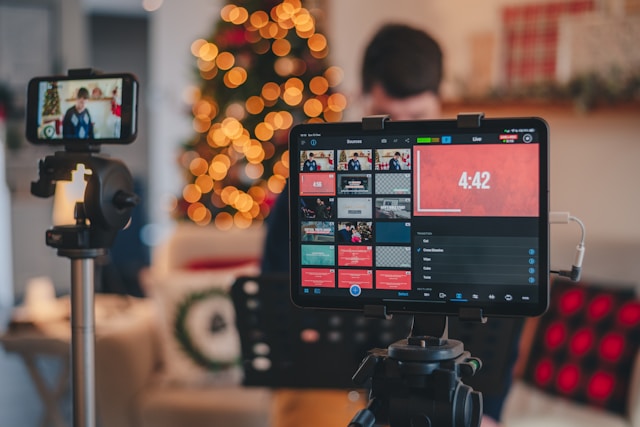
    In 2016, a woman in Texas put on a Chewbacca mask, laughed hysterically in her car, and accidentally broke the internet. Candace Payne’s “Chewbacca Mom” video on Facebook Live racked up millions of views in days, signaling the explosive arrival of live streaming into mainstream culture. Suddenly, everyone from major news networks to your next-door neighbor was going live.

    But the digital landscape shifts quickly. Strategies that dominated marketing meetings five years ago often collect dust today. As we navigate 2024, businesses and content creators are asking a critical question: Is the live stream boom over, or has it simply evolved into something more sophisticated?

    With the rise of short-form video on platforms like TikTok and Instagram Reels, you might assume attention spans are too short for long-form live content. Yet, data suggests otherwise. Live streaming hasn’t just survived; it has matured into a powerful engine for authentic connection and sales. This guide explores the current state of live streaming, why it remains a potent tool, and how you can leverage it effectively in a changing digital environment.

    The Evolution of Live Video

    To understand if live streaming is still effective, we first have to look at how it has changed. In the early days, novelty drove engagement. The simple act of broadcasting in real-time was enough to capture an audience. Quality was often low, connections were spotty, and the content was largely unstructured.

    Today, the “novelty” phase is long gone. Audiences are no longer impressed by the mere existence of a live feed. They demand value. The platforms have also evolved. What started as simple broadcasts on Periscope and Facebook has expanded into a multi-platform ecosystem including Twitch, YouTube Live, LinkedIn Live, Instagram, and TikTok.

    Crucially, the purpose has shifted. It’s no longer just about “being there.” It’s about “doing business.” The integration of e-commerce features—often called “live shopping”—has transformed live video from a purely social activity into a direct revenue channel. This shift from passive viewing to active participation and purchasing marks the most significant evolution in the medium.

    Why Live Streaming Works: The Psychology of “Now”

    Despite the popularity of polished, edited content, live streaming taps into deep-seated psychological triggers that pre-recorded video simply cannot replicate.

    FOMO (Fear of Missing Out)

    Live video is ephemeral by nature. Even if a replay is available later, the magic happens in the moment. The possibility that something unexpected could occur creates a sense of urgency. Viewers tune in because they want to be part of a shared experience as it unfolds, not just a passive consumer of past events.

    Authenticity and Trust

    We live in an era of filters, deepfakes, and heavily curated feeds. Trust in media and brands is fragile. Live streaming offers an antidote to perfection. It is raw and unedited. When a CEO stumbles over a word or a product demo has a minor hiccup, it humanizes the brand. This vulnerability builds trust. Viewers feel they are seeing the “real” you, which fosters a deeper emotional connection than a scripted ad ever could.

    Instant Gratification and Interaction

    The hallmark of live streaming is two-way communication. When a viewer types a question and the host answers it seconds later, that viewer feels seen and validated. This immediate feedback loop turns passive viewers into active community members. It transforms a monologue into a dialogue, significantly increasing engagement rates compared to static posts.

    The State of Live Streaming by Platform

    Effectiveness often depends on where you are streaming. Different platforms cater to different behaviors and demographics.

    LinkedIn Live: The B2B Powerhouse

    For B2B marketers, LinkedIn Live is arguably the most effective current channel. It allows businesses to host virtual events, webinars, and Q&A sessions directly where their professional audience hangs out.

    • Why it works: It cuts through the noise of standard text posts. LinkedIn data has shown that live videos on their platform get 7x more reactions and 24x more comments than native video.
    • Best for: Thought leadership, industry panels, product launches for enterprise tools.

    TikTok and Instagram: The Gen Z & Millennial Hubs

    On these platforms, live streaming is often spontaneous and personality-driven. It serves as a way to deepen the connection made through short-form reels.

    • Why it works: The algorithms heavily favor live content, often pushing notifications to followers when an account goes live. It’s excellent for community building and “Get Ready With Me” (GRWM) style casual content.
    • Best for: Influencer marketing, behind-the-scenes access, flash sales.

    YouTube Live: The Search Engine Giant

    YouTube remains the home for long-form content. Live streams here have a longer shelf life because YouTube is the world’s second-largest search engine. A live stream today becomes a searchable video asset tomorrow.

    • Why it works: High-quality streaming capabilities and superior monetization options.
    • Best for: Educational content, gaming, long-form tutorials, and podcasts.

    Twitch: Not Just for Gamers

    While still dominated by gaming, Twitch has expanded into “Just Chatting,” art, and music categories. It represents the pinnacle of community-driven live content.

    • Why it works: The culture of Twitch is built entirely around the live experience. Viewers are conditioned to watch for hours, not minutes.
    • Best for: Niche communities, creative processes, and brands targeting a younger, tech-savvy demographic.

    Live Commerce: The Next Frontier

    If you are wondering about the ROI of live streaming, look no further than Live Commerce. Originating in China, where it is a massive industry, live shopping is gaining traction globally.

    This model blends entertainment with instant purchasing. A host demonstrates a product, answers questions about fit or features in real-time, and viewers can click a button on the screen to buy it without leaving the stream.

    This effectively collapses the marketing funnel. A customer can go from awareness (seeing the product) to consideration (asking a question) to conversion (buying) in the span of five minutes. Beauty brands, fashion retailers, and tech gadget companies are seeing conversion rates on live shopping events that dwarf traditional e-commerce standards.

    5 Metrics That Prove Live Streaming is Still Effective

    It is easy to get caught up in anecdotal evidence, but the numbers tell a clearer story.

    1. Watch Time: Viewers tend to watch live video 3x longer than pre-recorded video. The suspense of “what happens next” keeps retention high.
    2. Engagement Rates: As mentioned earlier, the interactive nature of live chat drives significantly higher engagement. High comment counts signal to algorithms that the content is valuable, increasing organic reach.
    3. Cost-Effectiveness: Producing a polished 3-minute commercial can cost thousands of dollars in production, editing, and actors. A live stream requires a smartphone or a webcam and a decent light. The cost-per-minute of content produced is incredibly low.
    4. Community Growth: Live streams are community accelerators. Regular schedules create “appointment viewing,” turning casual followers into loyal fans who show up week after week.
    5. Repurposing Potential: One 60-minute live stream can be a content goldmine. It can be sliced into 10 TikToks, transcribed into a blog post, stripped for a podcast episode, and quoted for Twitter. This efficiency makes it a highly effective part of a broader content strategy.

    Common Pitfalls (And Why Some Fail)

    If live streaming is so effective, why do some businesses claim it doesn’t work? Usually, it comes down to execution errors.

    • Lack of Promotion: Going live without telling anyone is like throwing a party and forgetting to send invitations. You cannot rely solely on the platform’s notification system. You must promote the stream via email and social posts days in advance.
    • Zero Structure: “Just winging it” rarely works for brands. While you want authenticity, you also need a run-of-show. Dead air, awkward silences, and rambling monologues kill retention.
    • Ignoring the Audience: If you treat a live stream like a TV broadcast and ignore the chat, you are missing the point. The audience is there to participate. Failing to acknowledge comments is the fastest way to lose viewers.
    • Inconsistency: Building a live audience takes time. Doing one stream, seeing low numbers, and quitting is a common mistake. Success comes from showing up consistently at the same time, week after week.

    How to create a successful Live Strategy in 2024

    To ensure your live streaming efforts yield results, follow this strategic framework.

    Define Your “Why”

    Don’t go live just because everyone else is. What is the goal? Is it lead generation? Brand awareness? Customer support? Your goal dictates your format. If you want leads, host a gated webinar. If you want awareness, do an open Q&A on Instagram.

    Invest in (Minimal) Gear

    You don’t need a TV studio, but you do need to meet a baseline of quality.

    • Audio: This is more important than video. People will watch a blurry video, but they will leave instantly if the audio is crackly or echoing. Invest in a decent USB microphone or a lavalier for your phone.
    • Lighting: A ring light or sitting in front of a window makes a world of difference.
    • Internet: Ensure you have a stable upload speed. A choppy stream is unwatchable.

    Create a Run-of-Show

    Outline your stream.

    • 0-5 mins: Intro and “warm-up” while people join (have a hook ready for replay viewers so they don’t get bored).
    • 5-20 mins: Core content delivery.
    • 20-40 mins: Interactive element/guest interview.
    • 40-50 mins: Q&A.
    • 50-60 mins: Call to Action (CTA) and wrap up.

    The “Content Waterfall”

    Plan how you will use the footage after the stream ends. Before you even hit “record,” know which segments you plan to clip for Shorts or Reels. This mindset ensures you deliver “soundbites” during the stream that are easily clippable later.

    Frequently Asked Questions

    Is live streaming better than pre-recorded video?

    It isn’t necessarily “better,” but it serves a different purpose. Pre-recorded video is better for polished storytelling, tutorials requiring editing, and evergreen content. Live streaming is superior for community building, trust, and real-time interaction. A healthy video strategy uses both.

    How often should a business go live?

    Consistency beats frequency. It is better to go live once a month effectively than once a week haphazardly. Start with a monthly cadence to test your workflow and audience appetite, then increase to bi-weekly or weekly if the data supports it.

    What if nobody watches?

    This is every creator’s fear, but it’s rarely a disaster. First, everyone starts with zero viewers. Second, the replay value is often higher than the live value. Treat the live stream as a recording session for a video that will live on your profile forever. Even if only two people watch live, two hundred might watch the replay.

    Do I need a script?

    Avoid full scripts; reading from a teleprompter kills the authentic vibe of live video. Instead, use bullet points. Know your key talking points and your transition phrases, but leave room for natural conversation and improvisation based on audience comments.

    The Verdict: Alive and Kicking

    So, is live streaming still effective? The answer is a resounding yes—but with a caveat. The days of “lazy” live streaming are over. You cannot simply turn on a camera and expect the world to tune in.

    Effectiveness in 2024 requires intention. It requires understanding that live video is a unique medium that blends entertainment, community, and commerce. It is a tool for brands that are brave enough to be imperfect and smart enough to value real-time connection.

    If you are willing to show up consistently, engage deeply, and provide genuine value, live streaming remains one of the most cost-effective and high-impact ways to grow your brand in a crowded digital world. The camera is rolling—are you ready?


  • Medical SEO Best Practices Everyone Should Know

    Medical SEO Best Practices Everyone Should Know

    In the digital age, patients are increasingly turning to search engines like Google to find healthcare providers, research medical conditions, and make informed decisions about their health. For medical practices, this shift means that having a strong online presence is no longer optional—it’s essential for growth and patient acquisition. This is where medical search engine optimization (SEO) comes into play.

    Medical SEO is the process of optimizing your practice’s website and online content to rank higher in search engine results for relevant queries. A higher ranking means more visibility, which translates into more website traffic, more appointment bookings, and ultimately, a healthier practice. However, SEO for the healthcare industry comes with its own unique set of rules and challenges, most notably the need to build trust and authority while navigating strict guidelines.

    This guide will walk you through the essential medical SEO best practices that every healthcare provider should know. By implementing these strategies, you can improve your online visibility, connect with more patients, and establish your practice as a trusted authority in your field.

    Understand Google’s E-E-A-T and YMYL Frameworks

    Before diving into specific tactics, it’s crucial to understand two core concepts that govern how Google evaluates healthcare content: E-E-A-T and YMYL. These frameworks are especially important in the medical field, where the quality and accuracy of information can have real-world consequences.

    E-E-A-T: Experience, Expertise, Authoritativeness, and Trustworthiness

    E-E-A-T is a set of criteria Google uses to assess the quality of a webpage. For medical content, demonstrating high levels of E-E-A-T is non-negotiable.

    • Experience: Can the author speak from real-life experience? For medical content, this could mean content written or reviewed by a qualified medical professional who has direct experience treating the condition being discussed.
    • Expertise: Does the author have the necessary knowledge and qualifications on the topic? Your content should be created or reviewed by credentialed medical experts.
    • Authoritativeness: Is the website or author recognized as a go-to source in the industry? This is built over time through citations, mentions from other reputable sites, and positive reviews.
    • Trustworthiness: Can users trust the information presented? This involves everything from website security (HTTPS) and clear contact information to transparent authorship and sourcing.

    YMYL: Your Money or Your Life

    Google categorizes certain topics as “Your Money or Your Life” (YMYL) because they can significantly impact a person’s health, happiness, financial stability, or safety. Medical and health information falls squarely into this category. Because misinformation on YMYL topics can cause serious harm, Google holds these pages to the highest quality standards. This means that if your website provides medical advice, diagnoses, or treatment information, it will be scrutinized heavily for its E-E-A-T.

    10 Medical SEO Best Practices

    Now that you understand the foundational principles, let’s explore ten actionable medical SEO strategies to help your medical practice thrive online.

    1. Conduct In-Depth Keyword Research

    Keyword research is the cornerstone of any successful SEO strategy. You need to understand the exact terms and phrases potential patients are using to search for your services.

    How to approach medical keyword research:

    • Identify Core Services: Start by listing your main services (e.g., “pediatric cardiology,” “dermatology services,” “cosmetic dentistry”).
    • Think Like a Patient: Brainstorm the questions and problems your patients have. They might search for symptoms (“rash on arm”), conditions (“treatment for eczema”), or provider types (“best dermatologist near me”).
    • Use SEO Tools: Tools like Ahrefs, SEMrush, and Google Keyword Planner can help you discover new keywords, analyze their search volume, and assess their competitiveness.
    • Target Long-Tail Keywords: These are longer, more specific phrases (e.g., “emergency pediatric dentist in Brooklyn”). They often have lower search volume but much higher conversion intent, meaning the searcher is more likely to be ready to book an appointment.

    2. Optimize Your On-Page SEO

    On-page SEO involves optimizing individual web pages to rank higher and earn more relevant traffic. For a medical practice, every page—from your homepage to your service pages and blog posts—should be meticulously optimized.

    Key on-page SEO elements:

    • Title Tags: Create a unique, descriptive title tag for each page that includes your primary keyword (e.g., “Expert Knee Replacement Surgery in Dallas | Dr. Jane Smith”).
    • Meta Descriptions: Write compelling meta descriptions that summarize the page’s content and encourage clicks. While not a direct ranking factor, they influence your click-through rate.
    • Header Tags (H1, H2, H3): Use header tags to structure your content logically. Your H1 should be the main title of the page, with H2s and H3s for subheadings.
    • URL Structure: Create clean, simple URLs that include your target keyword (e.g., yourpractice.com/services/skin-cancer-screening).
    • Image Optimization: Compress images to improve page speed and use descriptive alt text that includes relevant keywords. Alt text also makes your site more accessible to visually impaired users.

    3. Create High-Quality, Authoritative Content

    Content is king in SEO, and for the medical field, it’s the entire kingdom. Your content must be accurate, informative, and demonstrate your E-E-A-T.

    Types of content to create:

    • Service Pages: Detailed pages for each service you offer, explaining the condition, treatment process, benefits, and what patients can expect.
    • Blog Posts: Write articles that answer common patient questions, explain complex medical topics in simple terms, and provide preventative health tips.
    • Physician Bios: Create detailed profiles for each provider, highlighting their credentials, experience, specializations, and personal philosophy of care. This is a powerful way to build trust.
    • Patient Testimonials and Case Studies: Share success stories (with patient consent) to build social proof and demonstrate the quality of your care.

    Always ensure your medical content is written or reviewed by a qualified healthcare professional. Clearly display author bylines and reviewer credentials on every page.

    4. Master Local SEO

    For most healthcare providers, patients are local. Local SEO helps you appear in search results for people in your geographic area.

    Essential local SEO tactics:

    • Google Business Profile (GBP): This is the single most important tool for local SEO. Claim and fully optimize your GBP listing with accurate information, including your practice name, address, phone number (NAP), hours, services, and photos.
    • Local Citations: Ensure your practice’s NAP is consistent across all online directories like Yelp, Healthgrades, and Vitals. Inconsistencies can confuse search engines and harm your rankings.
    • Online Reviews: Encourage satisfied patients to leave reviews on your GBP and other relevant platforms. Positive reviews are a strong ranking signal and build trust with potential patients. Respond to all reviews, both positive and negative, in a professional and HIPAA-compliant manner.

    5. Prioritize Mobile-Friendliness and Page Speed

    More than half of all web traffic comes from mobile devices. A website that is difficult to navigate on a phone will frustrate users and hurt your SEO. Google uses mobile-first indexing, meaning it primarily uses the mobile version of your site for ranking and indexing.

    Similarly, page speed is a critical ranking factor. Users expect websites to load quickly. A slow site leads to a poor user experience and higher bounce rates. Use Google’s PageSpeed Insights tool to test your site’s performance and get recommendations for improvement.

    6. Implement a Strong Internal Linking Strategy

    Internal links are links that go from one page on your website to another. A strong internal linking strategy helps Google understand the structure of your site, discover new content, and spread link equity (ranking power) throughout your pages.

    For example, a blog post about “The Early Signs of Diabetes” should link to your service page on “Diabetes Management.” This helps guide both users and search engine crawlers to your most important pages.

    7. Build a High-Quality Backlink Profile

    Backlinks—links from other websites to yours—are one of the most powerful ranking factors. They act as a vote of confidence, telling Google that other sites trust your content.

    How to earn quality backlinks in healthcare:

    • Guest Posting: Write articles for other reputable health and wellness websites.
    • Local PR: Get featured in local news outlets or community blogs.
    • Professional Associations: If you are a member of organizations like the American Medical Association, ensure they link back to your practice’s website.
    • Create Link-Worthy Content: Develop unique resources, such as infographics, original research, or comprehensive guides that other sites will want to reference and link to.

    8. Ensure HIPAA Compliance in Your SEO Efforts

    The Health Insurance Portability and Accountability Act (HIPAA) sets the standard for protecting sensitive patient data. While SEO focuses on public-facing information, it’s crucial to ensure your marketing practices remain compliant.

    • Patient Testimonials: Always obtain written consent before using a patient’s name, photo, or story.
    • Contact Forms: Make sure any forms on your website that collect patient information are secure.
    • Online Reviews: When responding to reviews, never confirm that someone is a patient or disclose any personal health information.

    9. Structure Your Data with Schema Markup

    Schema markup is a type of code you add to your website to help search engines better understand your content. For medical websites, specific schema types can be particularly beneficial.

    • MedicalBusiness or Physician Schema: Use this to mark up your practice’s contact information and provider details.
    • Review Schema: This can help star ratings appear directly in the search results.
    • FAQPage Schema: If you have a FAQ page, this markup can make your questions and answers eligible to appear as a rich snippet in search results.

    10. Track and Analyze Your Performance

    SEO is not a “set it and forget it” activity. You need to continuously monitor your performance to understand what’s working and where you can improve.

    • Google Analytics: Track website traffic, user behavior, and conversion goals (like appointment request form submissions).
    • Google Search Console: Monitor your site’s performance in Google search, see which queries are driving traffic, and identify any technical issues.
    • Rank Tracking Tools: Use tools to track your keyword rankings over time.

    Putting It All Together for a Healthy SEO Strategy

    Medical SEO is a long-term investment that requires a strategic and multifaceted approach. It’s about more than just keywords and links; it’s about building a digital presence that reflects the quality and trustworthiness of your medical practice. By focusing on Google’s E-E-A-T principles, creating valuable content for patients, and mastering the technical and local aspects of SEO, you can significantly enhance your online visibility.

    This process allows you to connect with the patients who need your expertise, ultimately helping you grow your practice and make a greater impact on the health of your community.

  • How Your Promo Video Can Bring in Leads

    How Your Promo Video Can Bring in Leads

    Video has become a non-negotiable part of any successful marketing strategy. Platforms like TikTok and YouTube have fundamentally changed how people consume content, and businesses have been quick to adapt. From short-form social clips to in-depth product demos, video content drives engagement, builds brand awareness, and, most importantly, generates leads.

    But creating a promo video is only the first step. Simply uploading it to your website and hoping for the best won’t deliver the results you’re looking for. To turn your video into a powerful lead-generation tool, you need a strategic approach that guides viewers from initial interest to taking action. Without a clear plan, even the most beautifully produced video can fall flat, leaving you with missed opportunities and a low return on investment.

    This guide will walk you through the essential steps to transform your promo video into a consistent source of qualified leads. We’ll cover everything from optimizing your video for conversion and adding effective calls to action to leveraging landing pages and promoting your content across multiple channels. By the end, you’ll have a clear roadmap for creating and distributing promo videos that not only capture attention but also drive measurable business growth.

    What is a Lead Generation Video?

    A lead generation video is a piece of content specifically designed to capture a prospect’s contact information, such as their name, email address, or phone number. The goal is to move a potential customer from being a passive viewer to an active lead in your sales funnel.

    These videos accomplish this by offering something of value in exchange for the viewer’s details. This “value exchange” could be access to exclusive content, a free trial, a downloadable resource, or a consultation. Unlike a simple brand awareness video, a lead generation video has a clear and direct call to action that prompts the viewer to take the next step.

    Why Use Video for Lead Generation?

    Video is an incredibly effective medium for lead generation for several reasons. It’s engaging, easy to digest, and allows you to convey complex information in a short amount of time. Here’s why video stands out:

    • Higher Engagement: Video content is more dynamic and captivating than text or static images. According to Wyzowl, people are twice as likely to share video content with their friends than any other type of content. This increased engagement means viewers are more likely to watch until the end and follow your call to action.
    • Builds Trust and Connection: Video allows you to show the human side of your brand. Seeing and hearing from real people—whether they’re founders, employees, or satisfied customers—helps build an emotional connection and establishes trust far more effectively than text alone.
    • Improved Information Retention: Viewers retain 95% of a message when they watch it in a video, compared to 10% when reading it in text. This means your key value propositions and calls to action are more likely to stick with your audience.
    • Boosts Conversion Rates: Including a video on a landing page can increase conversion rates by up to 80%. When viewers understand your product or service better, they are more confident in their decision to provide their contact information.

    How to Create a Promo Video That Converts

    Before you can think about distribution, you need a video that’s built to convert. A successful lead generation video from DMP has several key components that work together to guide the viewer toward your desired action.

    Craft a Compelling Story

    Every great video starts with a story. Your promo video should follow a clear narrative arc that resonates with your target audience. A popular and effective framework is the Problem-Solution model:

    1. Introduce the Problem: Start by highlighting a pain point that your target audience experiences. This immediately grabs their attention and makes the content feel relevant to them.
    2. Present Your Solution: Once you’ve established the problem, introduce your product or service as the solution. Explain how it works and what makes it unique.
    3. Show the Transformation: Don’t just tell viewers what you do—show them the result. Use visuals, testimonials, or case studies to demonstrate the positive outcome or transformation your customers experience.

    Keep it Short and Focused

    Attention spans are short. For top-of-funnel promo videos, aim for a length between 60 and 90 seconds. This is long enough to tell a compelling story and present your value proposition without losing the viewer’s interest. Get straight to the point and ensure every second of your video serves a purpose. If you need to convey more detailed information, consider creating a longer video for viewers who are further down the sales funnel.

    Include a Clear Call to Action (CTA)

    This is the most critical element of a lead generation video. Your call to action tells the viewer exactly what you want them to do next. Your CTA should be:

    • Specific: Don’t just say “Learn More.” Instead, use action-oriented language like “Download Your Free Guide” or “Start Your Free Trial.”
    • Visually Prominent: Display your CTA as on-screen text, an animated graphic, or a clickable button within the video player.
    • Strategically Timed: You can place your CTA at the beginning (pre-roll), middle (mid-roll), or end (post-roll) of your video. A post-roll CTA is the most common, but a mid-roll CTA can be effective for capturing leads before viewers drop off.

    Use High-Quality Production

    Your video is a reflection of your brand. Poor audio, shaky footage, or bad lighting can make your business appear unprofessional and untrustworthy. Invest in good-quality production to ensure your video looks and sounds polished. This doesn’t mean you need a Hollywood-level budget; a modern smartphone, a decent microphone, and good lighting can go a long way.

    Turning Views into Leads: The Strategic Approach

    Once you have a high-converting video, the next step is to place it where it can effectively capture leads.

    Gated Content and Email Forms

    The most direct way to generate leads with your video is to “gate” it. This means requiring viewers to provide their contact information before they can watch. This is typically done using an email capture form.

    This method works best when the video offers significant value, such as an in-depth webinar, an exclusive tutorial, or a detailed case study. Viewers are more willing to exchange their information if they believe the content on the other side is worth it.

    Tools like Wistia, Vidyard, and HubSpot allow you to easily embed email capture forms directly within your video player. You can set the form to appear at the beginning, middle, or end of your video. For example, you could show the first 30 seconds as a teaser and then prompt the viewer to enter their email to continue watching.

    Video Landing Pages

    A dedicated landing page for your promo video is one of the most effective ways to drive conversions. A landing page eliminates distractions and focuses the visitor’s attention on a single goal: taking action.

    Your video landing page should include:

    • A Compelling Headline: The headline should grab attention and align with the message of your video.
    • The Promo Video: Place your video front and center, above the fold.
    • A Lead Capture Form: The form should be simple and easy to fill out. Only ask for the essential information you need.
    • Supporting Copy: Use concise text to reinforce the video’s message and highlight key benefits.
    • A Strong Call to Action: The CTA button should be visually distinct and use action-oriented text.

    By directing all your promotional traffic to this single page, you create a focused and optimized experience designed to convert viewers into leads.

    Interactive Video Elements

    Modern video players offer features that can make your content more engaging and effective for lead generation. Consider using:

    • In-Video CTAs: Add clickable buttons or links directly into your video that take viewers to your landing page or a sign-up form.
    • Annotation Links: Use annotations to link to other relevant content, such as blog posts or product pages, to provide more value and keep viewers engaged with your brand.
    • Chapters: For longer videos, use chapters to help viewers navigate to the sections that are most relevant to them. This improves the user experience and can increase the likelihood that they’ll reach your call to action.

    Promoting Your Video to Generate Leads

    Creating a great video and setting up a landing page is only half the battle. To generate a steady stream of leads, you need to actively promote your content.

    Email Marketing

    Your existing email list is a great place to start. Send a dedicated email campaign to your subscribers announcing your new video. Use an engaging subject line and include a thumbnail of the video that links directly to your landing page. Since these subscribers are already familiar with your brand, they are often a high-converting audience.

    Social Media

    Share your promo video across all your relevant social media channels. Here are a few platform-specific tips:

    • LinkedIn: Ideal for B2B audiences. Share your video in a post and explain how it can help solve common business challenges.
    • Facebook and Instagram: Use short, attention-grabbing clips from your main video to create teasers. Run paid ad campaigns to target specific demographics and interests, directing traffic to your video landing page.
    • YouTube: As the second-largest search engine, YouTube is a powerful platform for lead generation. Optimize your video title, description, and tags with relevant keywords. Use YouTube’s end screens and cards to add clickable CTAs that link to your landing page.

    Paid Advertising

    Paid ads can significantly amplify the reach of your promo video. Consider running campaigns on platforms like Google Ads, Facebook Ads, or LinkedIn Ads. Target users based on their interests, demographics, and online behavior to ensure your video is seen by a relevant audience. A/B test different ad copy, headlines, and video thumbnails to optimize your campaigns for the lowest cost per lead.

    Build Your Lead Generation Engine

    A well-executed promo video is more than just a piece of marketing content; it’s a powerful engine for lead generation. By focusing on a compelling story, including a clear call to action, and creating a seamless path to conversion, you can turn passive viewers into qualified leads for your business.

    Start by identifying a key problem your audience faces and craft a video that presents your solution in an engaging way. Pair that video with a dedicated landing page and promote it across the channels where your audience spends their time. With a strategic approach, your next promo video can become one of the most valuable assets in your marketing toolkit.

  • 12 Web Design Singapore Templates You Can Follow

    12 Web Design Singapore Templates You Can Follow

    Creating a website that truly stands out requires more than just good looks; it needs to be intuitive, engaging, and reflective of your brand’s identity. For businesses in Singapore, a great web design can mean the difference between blending in and capturing the attention of a competitive market. Looking at what the best in the business are doing is a fantastic way to spark creativity and understand what works.

    This guide will walk you through 12 exceptional web design examples from Singaporean companies and organizations. By examining these “templates,” you’ll discover a wealth of ideas for layout, color, navigation, and user experience. You’ll learn how leading brands use digital design to communicate their story, serve their customers, and drive business goals. Prepare to be inspired and gather actionable insights for your own web design project.

    1. National Gallery Singapore: Minimalist Elegance

    The National Gallery Singapore’s website is a masterclass in minimalist design. It uses a clean, uncluttered layout with ample white space, allowing the vibrant artwork and exhibition photography to take center stage. The design prioritizes visual storytelling, making it easy for visitors to get a feel for the gallery’s collections before they even step inside.

    Key Takeaways:

    • Embrace White Space: Don’t be afraid to let your content breathe. A clean layout helps focus user attention on what matters most.
    • High-Quality Visuals: Invest in professional photography and videography. Strong visuals can communicate your brand’s essence more effectively than words alone.
    • Intuitive Navigation: The site features a simple, logical navigation menu that makes finding information about exhibitions, events, and ticketing straightforward.

    2. DBS Bank: User-Centric and Trustworthy

    As a leading financial institution, DBS needs a website that conveys security, reliability, and ease of use. Their design achieves this through a structured, professional layout combined with a warm and approachable color palette. The site is meticulously organized, allowing both personal and business banking customers to quickly find the services they need.

    Key Takeaways:

    • Clear Information Architecture: Organize your content logically. Use clear headings and well-defined sections to guide users to their desired information.
    • Build Trust with Design: A professional and polished design can significantly enhance your brand’s credibility. Avoid clutter and ensure all elements are consistent.
    • Accessibility is Key: The site provides clear call-to-action (CTA) buttons and easy-to-read typography, making it accessible to a wide audience.

    3. Singapore Airlines: Immersive and Aspirational

    The Singapore Airlines website is designed to evoke the feeling of luxury travel from the moment a user lands on the page. It uses stunning, full-screen video and imagery of exotic destinations and premium cabin experiences. The booking process is seamlessly integrated, creating a smooth journey from inspiration to transaction.

    Key Takeaways:

    • Create an Experience: Use immersive visuals to transport your audience and connect with them on an emotional level.
    • Seamless User Flow: Ensure the path from browsing to conversion is as smooth as possible. Minimize steps and remove any potential friction points.
    • Strong Brand Identity: The website’s color scheme, typography, and tone of voice are perfectly aligned with Singapore Airlines’ prestigious brand.

    4. Charles & Keith: Chic and Product-Focused

    Fashion retailer Charles & Keith uses a sleek, editorial-style design to showcase its products. The website feels like a high-fashion magazine, with large, high-quality images and a focus on visual storytelling. The grid-based layout allows users to easily browse collections, while the “Shop the Look” feature provides style inspiration and encourages cross-selling.

    Key Takeaways:

    • Editorial Layout: If your brand is visually driven, consider an editorial layout that prioritizes large images and compelling product stories.
    • Product-First Approach: Make your products the heroes of the page. Use clean backgrounds and professional photography to highlight their details.
    • Interactive Shopping Features: Enhance the user experience with features like lookbooks, style guides, and quick-add-to-cart functionality.

    5. Changi Airport: Informative and Service-Oriented

    The Changi Airport website is a hub of practical information, designed to make the travel experience as seamless as possible. Its primary function is utility. The design is clean and incredibly easy to navigate, with real-time flight information, airport maps, and service directories prominently displayed. It masterfully balances a huge amount of information without overwhelming the user.

    Key Takeaways:

    • Prioritize Functionality: If your website’s main purpose is to provide information, make sure that information is easy to find and understand.
    • Use Clear Icons: Icons can help users quickly identify different sections and services, improving navigation speed and usability.
    • Mobile-First Design: A significant portion of travelers will access the site on their mobile devices. Ensure the design is fully responsive and optimized for smaller screens.

    6. PropertyGuru: Data-Driven and Search-Centric

    PropertyGuru’s success lies in its powerful and intuitive search functionality. The website’s design is built around the search bar, making it the central focus of the homepage. The results pages are rich with data, using maps, filters, and clear property listings to help users find exactly what they are looking for.

    Key Takeaways:

    • Make Search Central: If search is a core feature of your site, place the search bar in a prominent, easily accessible location.
    • Effective Data Visualization: Present complex information in a clear and digestible way. Use maps, charts, and icons to make data easier to scan.
    • Advanced Filtering: Give users the power to narrow down their options with robust filtering and sorting capabilities.

    7. The Straits Times: Content-Rich and Scannable

    As a major news publication, The Straits Times website has to present a vast amount of content in an organized and digestible format. It uses a multi-column grid layout, clear typographic hierarchy, and topic tags to help readers quickly scan headlines and find articles that interest them.

    Key Takeaways:

    • Grid-Based Layouts: A grid system is essential for organizing large amounts of content and maintaining a consistent structure.
    • Typographic Hierarchy: Use different font sizes, weights, and styles to create a clear visual hierarchy that guides the reader’s eye through the page.
    • Enable Easy Scanning: Most users scan web pages rather than reading every word. Design for scannability with short paragraphs, bullet points, and bolded keywords.

    8. Bynd Artisan: Craftsmanship and Storytelling

    Bynd Artisan’s website beautifully reflects the brand’s commitment to craftsmanship and bespoke products. The design uses elegant typography, earthy tones, and high-quality imagery that highlights the texture and detail of their paper and leather goods. The site tells a compelling brand story, inviting users to appreciate the art behind the products.

    Key Takeaways:

    • Reflect Brand Values in Design: The aesthetic of your website should be a direct extension of your brand’s personality and values.
    • Tell Your Story: Use “About Us” pages, blog posts, and visual content to share your brand’s history, mission, and process.
    • Focus on the Details: Small design elements like custom icons, subtle animations, and unique fonts can make a big impact.

    9. Grain: Vibrant and Appetizing

    Food delivery service Grain uses a mouth-watering design to entice customers. The website is filled with vibrant, professional food photography that makes the meals look irresistible. The ordering process is simple and linear, guiding users from menu selection to checkout in just a few clicks.

    Key Takeaways:

    • Invest in Food Photography: For any food-related business, high-quality, appetizing photos are non-negotiable.
    • Simplify the Ordering Process: Reduce the number of steps required to place an order. A streamlined checkout process can significantly increase conversions.
    • Use a Vibrant Color Palette: Bright, energetic colors can evoke feelings of freshness and excitement, which is perfect for a food brand.

    10. Ministry of Education (MOE): Accessible and Structured

    The MOE website is designed for a diverse audience of students, parents, and educators. The design is clean, structured, and compliant with web accessibility standards. It uses a mega menu to organize its extensive content, making it easy for different user groups to navigate to the sections most relevant to them.

    Key Takeaways:

    • Design for Accessibility: Ensure your website is usable by people with disabilities by following WCAG guidelines. This includes providing text alternatives for images and ensuring keyboard navigability.
    • Use Mega Menus for Large Sites: If you have a lot of content, a mega menu can provide a clear overview of your site structure without overwhelming users.
    • Segment Your Audience: If you serve different types of users, consider creating dedicated sections or landing pages tailored to their specific needs.

    11. Razer: Bold, Dark, and Dynamic

    Gaming hardware brand Razer uses a dark, futuristic design that strongly appeals to its target audience. The site features bold typography, neon green accents, and dynamic animations that create an energetic and high-tech feel. Product pages are packed with technical specifications and dramatic visuals that highlight the performance of their gear.

    Key Takeaways:

    • Know Your Audience: Design with your target demographic in mind. A dark theme and edgy aesthetic work perfectly for a gaming brand but might not be suitable for others.
    • Use Motion to Engage: Subtle animations and video elements can make a site feel more dynamic and modern.
    • Balance Style and Information: While the design is stylish, it also effectively communicates detailed product information that gamers care about.

    12. The Kettle Gourmet: Playful and Conversion-Focused

    Local popcorn brand The Kettle Gourmet uses a fun, playful design with bright colors and custom illustrations. The website is designed to be engaging and drive sales, with clear CTAs, bundle deals, and a prominent “Add to Cart” button. It creates a delightful user experience that makes buying popcorn feel like an exciting event.

    Key Takeaways:

    • Inject Personality: Don’t be afraid to have fun with your design. Custom illustrations and a playful tone can make your brand more memorable.
    • Design for Conversion: Strategically place CTAs, highlight special offers, and make the purchase process as simple as possible.
    • Build a Brand Experience: The website experience should align with the product experience. A fun product deserves a fun website.

    Charting Your Own Design Course

    These 12 examples from Singapore offer a broad spectrum of web design strategies, each tailored to a specific audience and business goal. From the minimalist grace of the National Gallery to the dynamic energy of Razer, the key is to create a website that is authentic to your brand and serves the needs of your users.

    As you plan your own website with Huat Designs, think about your core message, your target audience, and the actions you want users to take. Use these examples as a starting point, borrow the principles that resonate with you, and build a digital presence that not only looks great but also delivers tangible results. A thoughtful, user-centric design is one of the most powerful tools you have for succeeding in the digital landscape.

  • The 12 Best Ways to Learn SEO

    The 12 Best Ways to Learn SEO

    Search engine optimization can feel overwhelming when you’re starting out. Between algorithm updates, technical jargon, and countless “expert” opinions floating around online, knowing where to begin your SEO journey isn’t always clear.

    The good news? SEO is absolutely learnable, and you don’t need a computer science degree to master it. Whether you’re a complete beginner or looking to sharpen your existing skills, this guide will walk you through the twelve most effective ways to learn SEO and build expertise that actually drives results.

    We’ll cover everything from free resources that won’t cost you a penny to hands-on approaches that accelerate your learning. By the end of this post, you’ll have a clear roadmap for developing SEO skills that can transform your website’s visibility and your career prospects.

    1. Start with Free Online SEO Courses

    Free SEO courses provide structured learning without the financial commitment. They’re perfect for testing the waters before diving deeper into paid resources.

    Google’s SEO Starter Guide remains the gold standard for beginners. Created by the search engine itself, this comprehensive resource explains how Google crawls, indexes, and ranks websites. You’ll learn fundamental concepts like keyword research, on-page optimization, and technical SEO basics.

    Moz’s Beginner’s Guide to SEO offers another excellent starting point. This resource breaks down complex SEO concepts into digestible chapters, covering everything from how search engines work to measuring SEO success.

    HubSpot Academy provides free learn SEO certification courses that combine video lessons with practical exercises. Their content marketing and SEO courses complement each other well, giving you a broader understanding of how SEO fits into overall digital marketing strategy.

    These courses typically take 10-20 hours to complete and provide certificates you can add to your LinkedIn profile.

    2. Follow Reputable SEO Blogs and Publications

    Staying current with SEO requires following industry leaders who share insights, case studies, and algorithm updates.

    Search Engine Journal publishes daily articles covering the latest SEO news, tactics, and industry analysis. Their contributor network includes some of the most respected voices in SEO.

    Search Engine Land offers breaking news about search engine updates and in-depth guides on SEO strategies. Their coverage of Google algorithm changes helps you understand how updates might affect your websites.

    The Moz Blog combines beginner-friendly content with advanced technical discussions. Their weekly Whiteboard Friday videos explain complex SEO concepts through visual demonstrations.

    Ahrefs Blog provides data-driven SEO insights backed by research from their massive database of web crawling data. Their case studies show real-world applications of SEO strategies.

    Set aside 30 minutes daily to read these publications. Create a bookmark folder or use an RSS reader to streamline your content consumption.

    3. Enroll in Comprehensive SEO Courses

    Structured, paid courses offer deeper learning experiences with expert instruction and community support.

    SEMrush Academy provides free certification courses covering SEO fundamentals, keyword research, and competitive analysis. Their courses use real data from the SEMrush platform to demonstrate concepts.

    Distilled U offers advanced SEO training with a focus on technical SEO and data analysis. Their courses are designed for marketing professionals who want to develop sophisticated SEO skills.

    Coursera and Udemy host numerous SEO courses from industry practitioners. Look for courses with high ratings, recent updates, and instructors with proven track records.

    When choosing a course, consider the instructor’s credentials, course recency, student reviews, and whether it includes hands-on projects. Courses typically range from $50-500 and take 15-40 hours to complete.

    4. Get Hands-On Experience with Real Websites

    Theory only takes you so far. Practical experience with actual websites accelerates your learning and builds portfolio-worthy case studies.

    Start by optimizing your own website or blog. If you don’t have one, create a simple WordPress site on a topic you’re passionate about. This gives you a risk-free environment to experiment with different SEO tactics.

    Volunteer your SEO services to local nonprofits or small businesses. Many organizations need help with their online presence but lack the budget for professional SEO services. You’ll gain real-world experience while contributing to your community.

    Join freelance platforms like Upwork or Fiverr to take on small SEO projects. Start with basic tasks like keyword research or site audits to build experience and client testimonials.

    Document your experiments and results. Create case studies showing what you tried, what worked, and what didn’t. This documentation becomes valuable when applying for SEO roles or pitching new clients.

    5. Master Essential SEO Tools

    SEO tools help you research keywords, analyze competitors, track rankings, and identify technical issues. Learning these platforms is crucial for modern SEO success.

    Google Search Console should be your first priority. This free tool shows how Google sees your website, reveals which keywords drive traffic, and identifies technical problems that might hurt your rankings.

    Google Analytics helps you understand user behavior on your website. You’ll learn which pages perform best, where visitors come from, and how SEO efforts impact business goals.

    Ahrefs, SEMrush, or Moz provide comprehensive SEO analysis capabilities. These paid tools offer keyword research, competitor analysis, backlink data, and site audit features. Many offer free trials or limited free versions.

    Screaming Frog SEO Spider crawls websites to identify technical SEO issues like broken links, duplicate content, and missing meta tags.

    Spend time learning each tool’s interface and capabilities. Most platforms offer tutorials and documentation to help you get started.

    6. Join SEO Communities and Forums

    Learning alongside other SEO practitioners accelerates your understanding and keeps you motivated.

    Reddit communities like r/SEO and r/bigseo host active discussions about SEO strategies, algorithm updates, and career advice. The voting system helps surface the most valuable content and insights.

    Facebook groups such as “SEO Signals Lab” and “Advanced SEO Strategies” provide platforms for asking questions, sharing case studies, and networking with other professionals.

    Professional associations like SEMPO (Search Engine Marketing Professional Organization) offer networking events, educational resources, and industry certifications.

    Local meetups and conferences provide face-to-face networking opportunities. Search for SEO or digital marketing meetups in your area using Meetup.com or Eventbrite.

    Active participation in these communities builds relationships that can lead to job opportunities, collaboration projects, and mentorship relationships.

    7. Study SEO Case Studies and Success Stories

    Case studies show real-world applications of SEO strategies and their results. They’re particularly valuable for understanding how different tactics work across various industries.

    Neil Patel’s blog regularly publishes detailed case studies showing how specific SEO strategies increased traffic and conversions for various websites.

    Backlinko by Brian Dean features in-depth case studies with step-by-step breakdowns of successful SEO campaigns. His content tends to focus on link building and content optimization strategies.

    Growth hacking blogs often include SEO components in their case studies. Sites like GrowthHackers.com and growthhacklist.com showcase innovative approaches to SEO and content marketing.

    When studying case studies, pay attention to the methodology, timeline, and specific tactics used. Try to replicate successful strategies on your own projects, adapting them to your specific situation and industry.

    8. Experiment with Different SEO Strategies

    Personal experimentation helps you understand what works in your specific niche and builds confidence in your abilities.

    Create multiple test websites in different industries to experiment with various strategies. This approach lets you test tactics without risking an important business website.

    A/B testing different approaches on the same website helps you understand what drives better results. Test different title tags, meta descriptions, content formats, and internal linking strategies.

    Document everything you try. Keep detailed records of what you implemented, when you implemented it, and what results you observed. This documentation becomes invaluable reference material for future projects.

    Share your experiments with the SEO community through blog posts or social media. Teaching others what you’ve learned reinforces your own understanding and can attract attention from potential employers or clients.

    9. Attend SEO Conferences and Workshops

    Industry events provide intensive learning experiences and valuable networking opportunities.

    MozCon is one of the most respected SEO conferences, featuring presentations from industry leaders and hands-on workshops.

    Pubcon covers SEO alongside other digital marketing disciplines, providing a broader perspective on how SEO fits into overall marketing strategy.

    BrightonSEO is Europe’s largest SEO conference, offering both beginner and advanced tracks.

    Local workshops and meetups often cost less than major conferences but still provide valuable learning and networking opportunities.

    Many conferences now offer virtual attendance options, making them more accessible regardless of location or budget. Look for events that provide session recordings so you can review presentations later.

    10. Get SEO Certifications

    Certifications demonstrate your commitment to learning SEO and can help you stand out in job applications.

    Google Analytics Individual Qualification (IQ) proves your ability to use Google’s web analytics platform effectively.

    Google Ads certifications complement SEO knowledge by showing you understand paid search marketing.

    HubSpot Content Marketing Certification demonstrates broader digital marketing knowledge that supports SEO efforts.

    SEMrush and Ahrefs certifications show proficiency with popular SEO tools.

    While certifications aren’t everything, they provide structured learning paths and credible third-party validation of your skills.

    11. Find an SEO Mentor or Coach

    Learning from experienced practitioners accelerates your development and helps you avoid common mistakes.

    Reach out to SEO professionals on LinkedIn or Twitter. Many experienced practitioners are willing to answer questions or provide guidance to newcomers who show genuine interest and respect for their time.

    Join mentorship programs offered by organizations like SCORE or local business development centers. While not SEO-specific, these programs can connect you with experienced business professionals who understand digital marketing.

    Consider paid coaching if you’re serious about quickly developing advanced SEO skills. Look for coaches with proven track records and testimonials from previous students.

    Offer to work for free initially to gain experience and mentorship. Many SEO agencies or consultants are willing to provide learning opportunities in exchange for help with routine tasks.

    12. Stay Updated with Algorithm Changes and Industry News

    SEO constantly evolves as search engines update their algorithms and user behavior changes.

    Set up Google Alerts for terms like “Google algorithm update,” “SEO news,” and “search engine optimization.” This ensures you’ll be notified when major industry news breaks.

    Follow Google’s official channels including Google Search Central (formerly Webmaster Central) and Google SearchLiaison on Twitter. These sources provide official information about algorithm updates and best practices.

    Subscribe to SEO newsletters like Search Engine Journal’s daily newsletter or Moz’s weekly roundup. These curated updates save time by highlighting the most important industry news.

    Participate in Twitter discussions around major algorithm updates. The SEO community on Twitter is particularly active during major updates, sharing observations and strategies for adapting.

    Frequently Asked Questions

    How long does it take to learn SEO?

    Basic SEO concepts can be learned in 2-3 months of dedicated study, but mastering SEO is an ongoing process. Most professionals continue learning throughout their careers as search engines evolve and new strategies emerge.

    Do I need technical skills to learn SEO?

    While technical knowledge helps, particularly for technical SEO, you don’t need programming skills to get started. Many successful SEOs focus on content optimization and strategy rather than technical implementation.

    Which SEO tools should beginners start with?

    Begin with free tools like Google Search Console, Google Analytics, and Google Keyword Planner. As you develop your skills, consider paid tools like Ahrefs, SEMrush, or Moz for more advanced analysis capabilities.

    Can I learn SEO without a marketing background?

    Absolutely. SEO draws from multiple disciplines including writing, data analysis, and user experience design. Your unique background might provide advantages in certain aspects of SEO.

    How much should I budget for SEO education?

    You can learn SEO basics entirely through free resources. If you choose paid courses or tools, budget $200-1000 for comprehensive training and $100-300 monthly for professional SEO tools.

    Your SEO Learning Journey Starts Now

    Learning SEO requires combining theoretical knowledge with hands-on practice. The twelve methods outlined in this guide provide multiple paths for developing your skills, whether you prefer structured courses, community learning, or independent experimentation.

    Start with free resources to build your foundation, then gradually invest in paid tools and training as your interest and expertise grow. Remember that SEO success comes from consistent application of best practices rather than searching for quick fixes or secret tactics.

    The most successful SEO professionals never stop learning. Search engines continually evolve, new tools emerge, and user behavior shifts. Embrace this continuous learning mindset, and you’ll build SEO skills that remain valuable throughout your career.

    Choose 2-3 methods from this guide and commit to them for the next month. Track your progress, document what you learn, and gradually expand your learning approach as you build confidence and expertise.

  • How SEO for Doctors Helps You

    How SEO for Doctors Helps You

    In the medical field, trust and credibility are everything. Traditionally, healthcare professionals have built their reputations through word-of-mouth referrals and years of dedicated service in their communities. While these methods remain vital, the way patients find and choose doctors has fundamentally changed. Today, the first place most people turn for health information and local services isn’t the phone book; it’s a search engine.

    This is where Search Engine Optimization (SEO) for doctors becomes a critical component of a modern medical practice’s success. SEO is the process of optimizing your online presence to rank higher in search engine results for relevant queries. For a doctor, this could mean appearing at the top of the search results when a potential patient in your area looks for “best cardiologist near me” or “symptoms of arthritis.” A strong SEO strategy does more than just increase website traffic; it builds your digital reputation, connects you with the right patients, and ultimately helps grow your practice.

    This guide will explain what SEO for doctors entails and why it’s no longer an optional marketing activity. We will cover the specific strategies that help medical professionals stand out in a crowded digital space, from local search tactics to creating content that establishes you as a trusted authority. Understanding and implementing these principles can transform your online presence from a simple digital business card into a powerful patient acquisition tool.

    What is Medical SEO?

    Medical SEO is a specialized marketing discipline focused on improving the online visibility of healthcare providers, clinics, and hospitals in search engine results. The goal is to make it easier for potential patients to find your practice when they are actively searching for medical information or services.

    Unlike general SEO, medical SEO must navigate a unique set of challenges and responsibilities. The information provided must be accurate, authoritative, and trustworthy. Search engines like Google hold healthcare-related content to a higher standard, often referred to as “Your Money or Your Life” (YMYL) content, because it can directly impact a person’s health, safety, and financial well-being.

    Therefore, effective medical SEO involves a multi-faceted approach that includes:

    • Technical SEO: Ensuring your website is built in a way that search engines can easily crawl and understand.
    • On-Page SEO: Creating and optimizing content on your website pages to target specific keywords and demonstrate expertise.
    • Local SEO: Optimizing your online presence to attract patients in your specific geographic area.
    • Off-Page SEO: Building authority and trust through backlinks from other reputable websites and managing your online reputation.

    By focusing on these areas, you create a comprehensive digital strategy that not only appeals to search engine algorithms but also builds lasting trust with patients.

    Key Benefits of SEO for Doctors

    Investing in a robust SEO for doctors strategy offers tangible benefits that can directly contribute to the growth and stability of your medical practice. It’s about meeting patients where they are and providing the value they need at the moment they need it most.

    Attract More of the Right Patients

    SEO allows you to target patients who are actively looking for the specific services you offer. When someone searches for “pediatrician in [Your City]” or “non-surgical knee pain treatment,” they have a clear and immediate need. By ranking for these keywords, you place your practice directly in their path. This is far more effective than traditional advertising, which often casts a wide net in the hope of reaching a few interested individuals. SEO brings qualified, high-intent leads straight to your digital doorstep, increasing the likelihood of converting a searcher into a new patient.

    Build Credibility and Trust

    A high ranking on Google acts as a powerful, third-party endorsement. Most users perceive the top search results as the most credible and authoritative sources. When your practice consistently appears at the top for relevant medical queries, it builds a perception of expertise and trustworthiness. This digital authority is reinforced by positive patient reviews, comprehensive service pages, and an informative blog—all of which are key components of a strong SEO strategy. Over time, this helps solidify your reputation as a leading expert in your field.

    Improve the Patient Experience

    Modern SEO is fundamentally about providing a great user experience. A website that is fast, mobile-friendly, and easy to navigate will rank better in search results. These technical elements also directly benefit your potential patients. Someone seeking medical information is often stressed or in a hurry. If your website is slow to load or difficult to use on a mobile device, they will quickly leave and go to a competitor’s site. A positive online experience is the first step in a positive overall patient journey, setting the tone for their interaction with your practice long before they step into your office.

    Achieve a High Return on Investment

    Compared to paid advertising campaigns on TV, radio, or even social media, SEO provides a more sustainable and cost-effective return on investment. While paid ads stop delivering results the moment you stop paying, the benefits of SEO are long-lasting. Content you create today can continue to attract patients for months or even years. The initial investment in building a strong SEO foundation creates a durable asset that generates organic traffic and leads over the long term, making it one of the most efficient marketing channels for medical practices.

    How to Build a Winning Medical SEO Strategy

    A successful SEO strategy for a medical practice is built on a foundation of local focus, authoritative content, and technical excellence. Here are the core components to prioritize.

    Master Local SEO

    For most medical practices, patients come from the surrounding community. This makes local SEO the most critical part of your strategy. The goal is to dominate search results for “near me” and location-specific queries.

    • Google Business Profile (GBP): Your GBP listing is your most important local SEO asset. It’s the information box that appears in Google Maps and the “local pack” in search results. Ensure it is fully completed and optimized with your correct name, address, phone number (NAP), business hours, services, and high-quality photos.
    • Consistent NAP Information: Your practice’s name, address, and phone number should be identical across all online directories and listings (e.g., Yelp, Healthgrades, WebMD). Inconsistencies can confuse search engines and harm your local rankings.
    • Patient Reviews: Encourage satisfied patients to leave reviews on your Google Business Profile and other relevant sites. Positive reviews are a major ranking factor and heavily influence patient decisions. Respond to all reviews—both positive and negative—to show you are engaged and value feedback.

    Create High-Quality, Authoritative Content

    Content is the backbone of your SEO efforts. It’s how you demonstrate your expertise, answer patient questions, and target valuable keywords.

    • Service Pages: Develop detailed pages for each of your core services and treatments. Explain the conditions you treat, the procedures you perform, and what patients can expect. Use keywords naturally, such as “hip replacement surgery in [Your City]” or “acne treatment for teens.”
    • “Meet the Doctor” Pages: Patients want to know who will be treating them. Create comprehensive bio pages for all physicians and key staff members. Highlight their credentials, experience, specialties, and personal philosophy on patient care. This builds a personal connection and reinforces trust.
    • Health and Wellness Blog: A blog is a powerful tool for establishing authority and attracting patients in the early stages of their search. Write articles that answer common patient questions, such as “What are the early signs of diabetes?” or “How can I relieve back pain at home?”. This type of content positions you as a helpful expert and can rank for a wide range of informational keywords. Remember to adhere to Google’s E-E-A-T (Experience, Expertise, Authoritativeness, and Trustworthiness) guidelines by ensuring all content is medically accurate and written or reviewed by a qualified professional.

    Optimize Your Website’s Technical Health

    Your website’s technical foundation must be solid for your content to have a chance to rank. A poor technical setup can prevent search engines from finding and understanding your pages.

    • Mobile-Friendliness: The majority of health-related searches now happen on mobile devices. Your website must be fully responsive, meaning it adapts seamlessly to any screen size. You can use Google’s Mobile-Friendly Test to check your site.
    • Page Speed: Website loading speed is a confirmed ranking factor. A slow site frustrates users and leads to higher bounce rates. Use tools like Google PageSpeed Insights to identify and fix issues that are slowing down your site.
    • Clear Site Structure: Organize your website in a logical hierarchy that is easy for both users and search engines to navigate. Use clear menus and internal links to connect related pages. A well-structured site helps distribute “link equity” and allows search engines to discover all your important content.

    Build Your Online Authority

    Off-page SEO refers to actions taken outside of your own website to impact your rankings. This primarily involves earning backlinks from other credible websites.

    • Local Citations: Get your practice listed in reputable online directories for the healthcare industry, such as Healthgrades, Vitals, and Zocdoc, as well as general local directories.
    • Guest Posting and PR: Contribute articles to other reputable health websites or local news outlets. When they link back to your site, it passes authority and boosts your credibility in the eyes of search engines.
    • Community Involvement: Sponsoring local events, charities, or sports teams can often lead to natural backlinks from their websites, further rooting your practice in the local community.

    Your Path to SEO Success

    Implementing a comprehensive SEO strategy can seem daunting, but the long-term rewards are undeniable. By improving your online visibility, you are not just marketing your practice; you are making it easier for patients in need to find a trusted healthcare provider. SEO connects you with your community, builds your reputation as an expert, and provides a sustainable stream of new patients to help your practice thrive.

    Start by focusing on the fundamentals: claim and optimize your Google Business Profile, create detailed content about your services, and ensure your website is technically sound. As you build on this foundation, you will establish a powerful digital presence that serves as a cornerstone of your practice’s growth for years to come.

  • 12 Reasons Why Bloggers Need to Learn SEO

    12 Reasons Why Bloggers Need to Learn SEO

    Creating compelling blog content is just the beginning. Without proper search engine optimization, even the most brilliant posts can remain buried in the depths of search results, never reaching their intended audience. Many bloggers focus exclusively on writing quality content while overlooking the technical and strategic elements that help that content get discovered.

    SEO isn’t just about stuffing keywords into your posts or gaming search algorithms. It’s about understanding how people search for information and ensuring your valuable content connects with readers who need it most. When bloggers master SEO fundamentals, they transform their blogs from digital diaries into powerful platforms that attract, engage, and convert readers.

    The gap between bloggers who understand SEO and those who don’t is widening. Those who embrace search optimization see consistent traffic growth, build larger audiences, and often turn their blogs into sustainable income sources. Meanwhile, bloggers who ignore SEO struggle with stagnant traffic and limited reach, regardless of their content quality.

    Whether you’re a beginner blogger or someone who’s been writing for years, understanding SEO will fundamentally change how you approach content creation and distribution. Let’s explore the compelling reasons why every blogger should make SEO a priority.

    1. Organic Traffic Provides Sustainable Growth

    Organic search traffic offers the most sustainable way to grow your blog’s readership. Unlike social media algorithms that change frequently or paid advertising that requires ongoing investment, SEO-driven traffic continues flowing long after you publish a post. Well-optimized content can attract visitors for months or even years, creating a compound effect that builds over time.

    Search engines drive billions of queries every day, with users actively seeking solutions to their problems. When your blog appears in search results for relevant queries, you’re connecting with people who have demonstrated intent and interest in your topic. This targeted traffic typically converts better than visitors from other sources because they’re already engaged and looking for information.

    The beauty of organic traffic lies in its self-reinforcing nature. As your content ranks higher and attracts more visitors, search engines interpret this as a signal of quality and relevance, potentially boosting your rankings further. This creates a positive feedback loop that can significantly amplify your blog’s reach without requiring proportional increases in effort or spending.

    2. SEO Improves Content Quality and Structure

    Learning SEO naturally makes you a better writer and content creator. SEO best practices emphasize clear structure, logical flow, and comprehensive coverage of topics—all elements that improve readability and user experience. When you write with SEO in mind, you’re forced to organize your thoughts more clearly and present information in ways that both search engines and humans can easily understand.

    Keyword research, a fundamental SEO practice, helps you understand exactly what your audience is searching for and how they phrase their queries. This insight enables you to address real questions and concerns rather than guessing what might be interesting. You’ll discover gaps in existing content and opportunities to provide unique value that competitors might have missed.

    SEO also encourages thorough topic coverage through techniques like semantic keyword usage and related topic integration. This approach leads to more comprehensive, authoritative content that serves readers better while establishing your blog as a trusted resource in your niche.

    3. Higher Search Rankings Equal Greater Credibility

    Users inherently trust websites that appear at the top of search results. Studies consistently show that higher-ranking pages are perceived as more credible, authoritative, and trustworthy. When your blog consistently appears on the first page of search results, you benefit from this implicit endorsement from search engines.

    This credibility extends beyond individual posts to your entire blog and personal brand. Regular appearances in search results for relevant topics position you as an expert in your field. Other bloggers, journalists, and industry professionals are more likely to reference, link to, and collaborate with creators who have strong search visibility.

    The authority you build through learn SEO can open doors to speaking opportunities, partnerships, media interviews, and other professional opportunities. Many successful bloggers trace major career developments back to the credibility they established through consistent search rankings.

    4. SEO Drives Targeted Traffic That Converts Better

    Not all website traffic is created equal. Visitors who find your blog through search engines typically have higher intent and engagement levels than those from other sources. They’re actively seeking information, solutions, or products related to your content, making them more likely to take desired actions like subscribing to your newsletter, downloading resources, or making purchases.

    Search-driven traffic often has lower bounce rates and higher time-on-page metrics because visitors arrive with specific expectations that well-optimized content can meet. This engagement sends positive signals to search engines, potentially improving your rankings further.

    For bloggers monetizing their content through affiliate marketing, product sales, or service offerings, targeted organic traffic provides the highest conversion potential. These visitors are already in a problem-solving mindset and more receptive to relevant recommendations and solutions.

    5. Local SEO Opens Geographic Opportunities

    Many bloggers overlook local SEO, but it can be incredibly powerful for building regional authority and attracting location-specific opportunities. If you write about topics with local relevance—whether that’s food, events, business, or lifestyle content—local SEO can help you dominate search results in your area.

    Local search optimization can lead to media coverage, speaking engagements, business partnerships, and networking opportunities within your geographic region. Local businesses often seek bloggers and content creators for collaborations, and strong local search presence makes you more discoverable for these partnerships.

    Even bloggers covering global topics can benefit from local SEO by establishing themselves as the go-to expert in their area, which can lead to offline opportunities and strengthen their overall online presence.

    6. SEO Knowledge Future-Proofs Your Content Strategy

    Search engine algorithms evolve constantly, but core SEO principles remain relatively stable. Understanding these fundamentals helps you adapt to algorithm changes more effectively and avoid strategies that might become obsolete. Bloggers with SEO knowledge can pivot their approach when necessary while maintaining their hard-earned search visibility.

    SEO literacy also helps you evaluate new platforms and content distribution channels more effectively. The principles you learn optimizing for Google often apply to other search systems, including YouTube, Pinterest, and even social media platform discovery algorithms.

    As voice search, AI-powered search, and other emerging technologies reshape how people find information, bloggers with solid SEO foundations will be better positioned to adapt and maintain their competitive advantage.

    7. Competitive Analysis Through SEO Reveals Content Gaps

    SEO tools and techniques provide invaluable insights into what your competitors are doing successfully. You can identify which topics drive the most traffic to competing blogs, understand their content strategies, and discover opportunities they might have missed.

    This competitive intelligence helps you make strategic decisions about content creation, allowing you to focus on topics with proven search demand while finding unique angles or better approaches. Rather than guessing what to write about next, you can base decisions on data about what actually works in your niche.

    Understanding competitor SEO strategies also helps you identify collaboration opportunities, potential link building prospects, and ways to differentiate your content in crowded topic areas.

    8. Technical SEO Improves User Experience

    Technical SEO encompasses site speed, mobile optimization, URL structure, and other factors that directly impact user experience. Learning these elements helps you create a blog that not only ranks well but also provides a smooth, enjoyable experience for visitors.

    Page load speed affects bounce rates significantly, with slower sites losing visitors before content even loads. Mobile optimization ensures your blog works well across all devices, which is crucial since mobile traffic often exceeds desktop usage. Clean URL structures and proper site navigation help visitors find related content and spend more time on your site.

    These technical improvements benefit all your visitors regardless of how they find your blog, but they’re especially important for search visibility since user experience factors increasingly influence rankings.

    9. Link Building Expands Your Network and Authority

    Link building, a core component of SEO, naturally leads to relationship building and networking within your industry. Reaching out to other bloggers for guest posting opportunities, collaborative content, and link exchanges helps you build professional relationships that extend far beyond SEO benefits.

    Quality backlinks signal authority to search engines, but the process of earning them often provides additional value through increased exposure, partnership opportunities, and knowledge sharing. Many successful bloggers attribute significant professional growth to relationships they built through link building efforts.

    The outreach skills you develop through link building also transfer to other areas like influencer marketing, partnership development, and media relations.

    10. SEO Metrics Provide Actionable Performance Insights

    SEO tools offer detailed analytics that help you understand which content resonates with your audience and drives the best results. Unlike vanity metrics that don’t directly correlate to success, SEO metrics like organic traffic growth, keyword rankings, and conversion rates provide actionable insights for improving your blog strategy.

    Understanding these metrics helps you identify your most successful content formats, topics, and approaches so you can replicate what works. You can also spot declining performance early and take corrective action before it significantly impacts your traffic.

    This data-driven approach to blogging removes much of the guesswork from content creation and helps you allocate your time and effort more effectively.

    11. SEO Skills Transfer to Other Marketing Channels

    The analytical thinking, keyword research, and audience understanding skills you develop through SEO apply directly to other marketing channels. Social media content, email marketing, paid advertising, and content distribution all benefit from the strategic mindset that SEO develops.

    Understanding search intent helps you create more effective social media posts, write compelling email subject lines, and develop advertising copy that resonates with your target audience. The research skills used in SEO translate perfectly to market research for product development or service offerings.

    Many successful digital marketers and entrepreneurs credit their SEO background as fundamental to their broader marketing success.

    12. Long-Term ROI Makes SEO Efforts Worthwhile

    While SEO requires upfront investment in learning and implementation, the long-term return on investment often exceeds other marketing channels. Well-optimized content continues attracting traffic and generating results for years, providing ongoing value from initial efforts.

    Unlike paid advertising that stops delivering results when you stop paying, or social media posts that quickly lose visibility, SEO-optimized content builds cumulative value over time. This compound effect means your blogging efforts become more efficient and profitable as your SEO skills improve and your content library grows.

    The scalability of SEO-driven growth allows successful bloggers to build sustainable businesses and achieve financial independence through their content creation efforts.

    Start Your SEO Journey Today

    Learning SEO might seem overwhelming initially, but you don’t need to master everything at once. Start with basic on-page optimization techniques like keyword research, title tag optimization, and content structure improvement. Focus on creating valuable content that addresses real search queries, and gradually incorporate more advanced techniques as you build confidence and see results.

    The investment you make in learning SEO today will pay dividends for years to come. Every post you optimize, every technical improvement you implement, and every link you earn contributes to a stronger foundation for long-term blogging success.

    Your content deserves to be found by the people who need it most. SEO provides the bridge between your valuable insights and the audience actively searching for them.

  • Is Medical SEO Actually Helping Patients?

    Is Medical SEO Actually Helping Patients?

    When you have a strange rash, a nagging cough, or a sudden pain, what’s the first thing you do? For many of us, it’s pulling out our phones and typing our symptoms into a search engine. In these moments of uncertainty, we’re not just looking for information; we’re looking for reassurance, clarity, and a path forward. This is where medical Search Engine Optimization (SEO) comes into play.

    Medical SEO is the practice of optimizing healthcare-related websites so they rank higher in search results on platforms like Google. The goal for practitioners, clinics, and hospitals is to become the first name you see when you search for a local doctor or information about a specific condition. From a business perspective, it’s a crucial marketing strategy. For patients, however, the implications are far more complex.

    The promise of medical SEO is a democratized healthcare landscape where everyone has instant access to reliable information and qualified professionals. But does it deliver on that promise? Or does it create a digital ecosystem where the providers with the biggest marketing budgets drown out others, potentially guiding patients toward lower-quality or less suitable care? This post will explore the multifaceted impact of medical SEO, examining how it helps, where it falls short, and what the future might hold for patients navigating the digital world of healthcare.

    What is Medical SEO?

    Before we assess its impact, it’s important to understand what medical SEO involves. At its core, medical SEO is a specialized branch of digital marketing focused on increasing the visibility of healthcare providers in search engine results. When a potential patient searches for “best dermatologist in [city]” or “symptoms of strep throat,” SEO determines which websites appear at the top of the page.

    This isn’t just about stuffing a website with keywords. A comprehensive medical SEO strategy involves several key components:

    • Local SEO: This helps local patients find nearby clinics and doctors. It includes optimizing a Google Business Profile, ensuring consistent name, address, and phone number (NAP) information across the web, and gathering patient reviews.
    • On-Page SEO: This refers to optimizing individual web pages. It involves creating high-quality, informative content (like blog posts on health topics), using relevant keywords naturally, and ensuring the website is easy to navigate.
    • Technical SEO: This is the behind-the-scenes work that helps search engines crawl and index a website efficiently. It includes having a fast-loading site, a mobile-friendly design, and a secure connection (HTTPS).
    • Content Marketing: This involves creating and sharing valuable, relevant, and consistent content to attract and retain a clearly defined audience. For healthcare, this could be blog posts, videos, or infographics that answer common patient questions.

    The ultimate goal for a healthcare provider is to appear in what’s known as Google’s “local pack”—the box with a map and three local business listings that often shows up for location-based searches. Earning a spot here can dramatically increase calls and appointment bookings.

    The Bright Side: How Medical SEO Empowers Patients

    When executed responsibly, medical SEO can be a powerful force for good, connecting patients with the care and information they desperately need. It breaks down traditional barriers and places a wealth of knowledge directly into the hands of the public.

    Increased Access to Healthcare Information

    Perhaps the most significant benefit of medical SEO is the widespread availability of health information. Decades ago, medical knowledge was largely confined to medical textbooks and physicians’ offices. Today, a person experiencing unusual symptoms can quickly find articles and resources explaining potential causes, treatment options, and when to seek professional help.

    For instance, a parent of a child with a fever and a rash can search for these symptoms and find information from reputable sources like the Mayo Clinic or WebMD. This content, optimized for search engines, can help them make an informed decision about whether to monitor the child at home, visit an urgent care clinic, or go to the emergency room. This instant access can be life-saving, particularly for those in rural areas with limited direct access to specialists.

    Finding the Right Specialist Becomes Easier

    Navigating the healthcare system can be overwhelming. Finding the right specialist for a specific condition used to rely on a referral from a primary care physician or word-of-mouth recommendations. Medical SEO changes this dynamic by allowing patients to actively research and find specialists on their own.

    A person recently diagnosed with Crohn’s disease can search for “top gastroenterologists specializing in IBD near me” and find a curated list of qualified professionals. They can then explore their websites, read about their experience, and look at patient reviews to find a provider who feels like the right fit. This empowers patients to take a more active role in their healthcare journey, leading to better patient-provider relationships and potentially better outcomes.

    The Rise of Patient Reviews and Transparency

    Online reviews are a cornerstone of local SEO. While they can be a double-edged sword, patient reviews have introduced a new layer of transparency into healthcare. Prospective patients can read about others’ experiences with a doctor’s bedside manner, the clinic’s wait times, and the friendliness of the staff.

    This feedback loop encourages healthcare providers to focus on the patient experience. A clinic with consistently poor reviews is incentivized to make improvements or risk losing potential patients to a competitor with a better online reputation. This push for higher quality service is a direct benefit to the patient community.

    The Dangers: When Medical SEO Misleads Patients

    Despite its potential benefits, medical SEO is not without its significant downsides. The commercial nature of SEO means that the most visible healthcare provider is not always the best one. It’s often just the one with the most effective marketing strategy, and this can lead patients down a dangerous path.

    The “Best” Doctor vs. the Best-Marketed Doctor

    The fundamental flaw in a system driven by SEO is the potential disconnect between online visibility and clinical quality. A highly skilled, experienced doctor with a poor web presence will be invisible to patients searching online. Conversely, a less experienced or even subpar provider can dominate search results with a sophisticated and expensive SEO campaign.

    This creates a scenario where patients are led to believe they are choosing the “best” doctor, when in fact they are choosing the best-marketed one. Search rankings are determined by algorithms, not by medical boards or peer reviews. A provider’s ability to invest in keyword research, content creation, and link building has no bearing on their surgical skill or diagnostic acumen. Patients may end up receiving care that is not just suboptimal, but potentially harmful.

    The Proliferation of Misinformation

    While SEO can elevate credible sources, it can also amplify misinformation. The internet is rife with health-related content that is inaccurate, outdated, or outright dangerous. “Dr. Google” can lead a patient to believe a simple headache is a brain tumor or that a debunked alternative therapy is a miracle cure for cancer.

    Content created purely for SEO purposes often prioritizes keywords and search engine algorithms over accuracy and nuance. A blog post titled “5 Surprising Ways to Cure Diabetes” might rank well because it’s catchy and uses popular search terms, but it could promote harmful advice. Google has made strides in prioritizing authoritative sources through its E-E-A-T (Experience, Expertise, Authoritativeness, and Trustworthiness) guidelines, but misleading content still slips through the cracks, preying on the fears and hopes of vulnerable patients.

    Exploitation of Vulnerable Patients

    Some of the most aggressive SEO tactics are found in highly lucrative and competitive fields of medicine, such as addiction treatment and cosmetic surgery. In these areas, the financial stakes are high, and so is the potential for patient exploitation.

    Investigative reports have exposed how some addiction treatment centers use deceptive SEO practices to lure in desperate individuals and their families, only to provide substandard care at exorbitant prices. They might create dozens of generic-looking websites that all funnel leads to a single call center, a practice that prioritizes profit over patient well-being. Similarly, a patient seeking a cosmetic procedure might be drawn in by a slick website and glowing (but potentially fake) reviews, only to end up in the hands of an unqualified practitioner.

    Bridging the Gap: The Path to a Better Medical Web

    The challenge, then, is to harness the power of medical SEO for patient good while mitigating its risks. This responsibility doesn’t fall on just one group; it requires a concerted effort from search engines, healthcare providers, and patients themselves.

    For Search Engines: Prioritizing Quality and Trust

    Google and other search engines have an ethical obligation to refine their algorithms to better identify and promote high-quality medical information. The E-E-A-T framework is a strong step in the right direction, as it signals that content written by qualified medical professionals should be given more weight. Continuing to enhance these signals, penalize manipulative SEO tactics, and partner with medical organizations to verify information is crucial.

    For Healthcare Providers: An Ethical Approach to SEO

    Healthcare professionals and marketing agencies must adopt an ethical approach to medical SEO. This means:

    • Prioritizing Accuracy: All content should be medically accurate, evidence-based, and reviewed by qualified professionals.
    • Being Transparent: Be honest about services, qualifications, and pricing. Avoid making exaggerated claims or promises of guaranteed results.
    • Focusing on Patient Education: Use SEO to empower patients with useful, actionable information that helps them understand their health, rather than just selling a service.

    The goal should be to build trust, not just to rank #1. A provider who invests in genuine patient education will, over time, build a stronger reputation than one who relies on short-term SEO tricks.

    For Patients: Becoming Savvy Digital Navigators

    Ultimately, patients must become more critical consumers of online health information. It’s essential to develop digital literacy skills to evaluate the credibility of sources. When searching for health information or a provider, patients should:

    • Check the Source: Is the website run by a reputable hospital, a government agency (like the CDC or NIH), or a qualified medical professional? Be wary of sites funded by product sales.
    • Look for an Author: Is the content written or reviewed by a named doctor or medical expert? Anonymous articles are less trustworthy.
    • Verify with Multiple Sources: Don’t rely on a single website. Cross-reference information with other credible sources to confirm its accuracy.
    • Read Reviews Critically: Look for patterns in reviews, but remember that individual experiences can be highly subjective.
    • Consult a Professional: Online information should supplement, not replace, professional medical advice. Always discuss what you’ve learned online with your doctor.

    The Verdict on Medical SEO

    So, is medical SEO actually helping patients? The answer is a qualified yes. It has made healthcare more accessible and transparent in many ways, empowering patients with information and choice. However, its commercial nature introduces serious risks, from promoting misinformation to connecting patients with providers based on marketing prowess rather than medical excellence.

    The future of medical SEO depends on our ability to navigate this tension. As search algorithms become more sophisticated and patients become more digitally savvy, we can hope that the balance will continue to shift toward quality and trustworthiness. Medical SEO can and should be a tool that helps patients, but it requires a commitment to ethical practices from everyone involved. The health and well-being of countless people searching for answers online depend on it.

  • How to Increase Your Website Design ROI

    How to Increase Your Website Design ROI

    Your website is more than just a digital business card—it’s a powerful investment that should deliver measurable returns. Yet many businesses struggle to maximize their website design ROI, often spending thousands on beautiful designs that fail to convert visitors into customers.

    The good news? Strategic website design decisions can dramatically boost your return on investment. Companies that prioritize user experience see conversion rates increase by up to 400%, while businesses with optimized websites generate 2.8 times more revenue growth than those without.

    This guide will walk you through proven strategies to maximize your website design ROI, from initial planning to ongoing optimization. You’ll discover how to make data-driven design decisions, improve user experience, and turn your website into a revenue-generating machine.

    Understanding Website Design ROI

    Website design ROI measures the financial return you generate from your website investment compared to what you spent creating and maintaining it. This includes design costs, development expenses, hosting fees, and ongoing maintenance.

    To calculate your website design ROI, use this formula:

    (Revenue Generated – Website Investment) ÷ Website Investment × 100 = ROI%

    For example, if you spent $10,000 on website design and generated $50,000 in revenue, your ROI would be 400%.

    However, measuring website ROI goes beyond simple revenue calculations. Consider these key metrics:

    Direct Revenue Metrics

    • Online sales and conversions
    • Lead generation and qualification
    • Customer acquisition cost reduction
    • Average order value increases

    Indirect Value Indicators

    • Brand credibility and trust building
    • Customer support cost reduction
    • Improved search engine rankings
    • Enhanced customer retention

    Set Clear Goals Before You Design

    Successful website design ROI starts with defining specific, measurable objectives. Without clear goals, you’ll struggle to measure success or make strategic design decisions.

    Define Your Primary Purpose

    Every website should have one primary goal. Are you looking to generate leads, sell products, build brand awareness, or provide customer support? Your primary purpose will guide every design decision from layout to content strategy.

    Establish Measurable Objectives

    Transform vague goals into specific targets. Instead of “increase sales,” aim for “increase online conversions by 25% within six months.” This clarity helps you design with purpose and measure actual ROI.

    Identify Your Target Audience

    Understanding your audience is crucial for design ROI. Create detailed buyer personas that include demographics, pain points, browsing behaviors, and decision-making processes. This information directly impacts design choices that drive conversions.

    Set Realistic Timelines

    Website ROI doesn’t happen overnight. Set short-term goals (3-6 months) for immediate improvements and long-term objectives (12-18 months) for sustained growth. This helps you budget appropriately and track progress effectively.

    Optimize for User Experience and Conversions

    User experience directly correlates with website ROI. When visitors can easily navigate your site and complete desired actions, conversion rates soar.

    Streamline Your Navigation

    Complex navigation kills conversions. Implement clear, logical menu structures that help users find information quickly. Use descriptive labels instead of creative terms that might confuse visitors.

    The “three-click rule” suggests users should reach any page within three clicks. While not absolute, this principle encourages simplified site architecture that improves user satisfaction and conversion rates.

    Improve Page Loading Speed

    Website speed significantly impacts ROI. A one-second delay in page load time can reduce conversions by 7%. Amazon found that every 100ms of latency cost them 1% in sales.

    Optimize images, minimize code, leverage browser caching, and choose reliable hosting to improve loading times. Google’s PageSpeed Insights provides specific recommendations for speed improvements.

    Design for Mobile Users

    Mobile traffic accounts for over 50% of web traffic globally. If your website isn’t mobile-optimized, you’re losing potential revenue daily.

    Implement responsive design that adapts to different screen sizes. Ensure buttons are easily tappable, text is readable without zooming, and forms are simple to complete on mobile devices.

    Create Compelling Calls-to-Action

    Strong calls-to-action (CTAs) guide users toward conversion. Use action-oriented language, create visual contrast, and place CTAs strategically throughout your site.

    Test different CTA colors, text, and placement to optimize performance. Even small changes can significantly impact conversion rates and overall ROI.

    Leverage Data-Driven Design Decisions

    Successful website design ROI requires ongoing optimization based on real user data rather than assumptions or preferences.

    Implement Analytics Tracking

    Install comprehensive analytics to track user behavior, conversion paths, and revenue attribution. Google Analytics 4 provides detailed insights into how users interact with your website and which pages drive the most value.

    Set up conversion tracking for specific goals like form submissions, product purchases, or phone calls. This data helps you identify high-performing design elements and areas needing improvement.

    Conduct A/B Testing

    A/B testing allows you to compare different design versions and choose the highest-converting option. Test headlines, images, button colors, layouts, and content to continuously improve performance.

    Start with high-impact elements like headlines and CTAs before testing smaller details. Even minor improvements can compound to significantly boost overall ROI.

    Use Heatmap Analysis

    Heatmap tools show where users click, scroll, and spend time on your pages. This visual data reveals user behavior patterns that aren’t obvious in traditional analytics.

    Identify areas where users lose interest or encounter friction. Use these insights to redesign problematic sections and optimize high-engagement areas.

    Monitor User Feedback

    Direct user feedback provides valuable insights for design improvements. Implement feedback widgets, conduct user surveys, and analyze customer support inquiries to identify common pain points.

    Pay attention to recurring complaints or suggestions. These often represent opportunities for design changes that could significantly impact ROI.

    Focus on High-Impact Pages

    Not all website pages contribute equally to ROI. Focus your design efforts on pages that directly impact revenue generation and user conversion.

    Optimize Your Homepage

    Your homepage often creates the first impression and guides users to conversion paths. Ensure it clearly communicates your value proposition, showcases key offerings, and provides intuitive navigation to important sections.

    Include social proof, such as customer testimonials or trust badges, to build credibility immediately. A compelling homepage can significantly increase the percentage of visitors who explore deeper into your site.

    Perfect Your Landing Pages

    Landing pages designed for specific campaigns or traffic sources often have the highest conversion potential. Create focused, distraction-free designs that align with user expectations and campaign messaging.

    Remove unnecessary navigation, minimize form fields, and ensure the page delivers on promises made in ads or email campaigns. Well-optimized landing pages can achieve conversion rates of 20% or higher.

    Streamline Your Checkout Process

    E-commerce sites should prioritize checkout optimization. Complicated checkout processes cause cart abandonment rates as high as 70%.

    Minimize steps, offer guest checkout options, provide multiple payment methods, and clearly display security assurances. Each improvement to the checkout process directly impacts revenue and ROI.

    Enhance Product or Service Pages

    Pages that showcase your offerings should answer common questions, address objections, and guide users toward purchase decisions. Include detailed descriptions, high-quality images, customer reviews, and clear pricing information.

    Use persuasive copywriting techniques and strategic placement of trust signals to increase conversion rates on these critical pages.

    Measure and Iterate for Continuous Improvement

    Maximizing website design ROI requires ongoing measurement and optimization rather than one-time improvements.

    Track Key Performance Indicators

    Monitor metrics that directly relate to your business goals. E-commerce sites should track conversion rates, average order value, and revenue per visitor. Lead generation sites should focus on form completion rates and lead quality scores.

    Create regular reporting schedules to review performance and identify trends. Monthly or quarterly reviews help you spot issues early and capitalize on successful optimizations.

    Conduct Regular Design Audits

    Perform comprehensive website audits every 6-12 months to identify improvement opportunities. Analyze user flow, conversion funnels, and page performance to spot areas needing attention.

    Compare your site’s performance against industry benchmarks and competitor analysis to ensure you’re maximizing ROI potential.

    Stay Updated with Design Trends

    Web design trends evolve rapidly, and outdated designs can hurt credibility and conversions. However, don’t chase every trend—focus on changes that improve user experience and align with your brand.

    Implement gradual updates rather than complete redesigns to maintain performance while keeping your site fresh and modern.

    Plan for Scalability

    Design your website with future growth in mind with Huat Designs. Choose flexible platforms and design systems that can accommodate new products, services, or content without requiring complete overhauls.

    Scalable design reduces long-term costs and ensures your ROI continues improving as your business grows.

    Transform Your Website Into a Revenue Engine

    Increasing website design ROI requires strategic planning, user-focused design, and continuous optimization. By setting clear goals, prioritizing user experience, making data-driven decisions, and focusing on high-impact pages, you can transform your website from a business expense into a powerful revenue generator.

    Start by auditing your current website performance and identifying the biggest opportunities for improvement. Implement changes systematically, measure results, and iterate based on real user data. Remember that small, consistent improvements often deliver better ROI than dramatic redesigns.

    Your website is one of your most valuable business assets. Invest in it strategically, optimize it continuously, and watch your ROI grow month after month.

  • How to Maximize The ROI of Your Product Explainer Video

    How to Maximize The ROI of Your Product Explainer Video

    Product explainer videos have become a cornerstone of modern marketing strategies, and for good reason. Studies show that including a video on your landing page can increase conversion rates by up to 80%. But creating a video is just the first step—maximizing its return on investment requires strategic planning, thoughtful execution, and ongoing optimization.

    Whether you’ve already invested in an explainer video or you’re considering creating one, understanding how to extract maximum value from this marketing asset can transform your business results. From pre-production planning to post-launch optimization, every decision you make impacts your video’s performance and, ultimately, your bottom line.

    This guide will walk you through proven strategies to ensure your product explainer video delivers measurable results that justify and exceed your investment.

    Define Clear Goals Before You Start

    The foundation of a high-ROI explainer video from DMP lies in establishing specific, measurable objectives from the outset. Without clear goals, you’ll struggle to make strategic decisions during production and won’t be able to accurately measure success afterward.

    Start by identifying what you want your video to accomplish. Are you looking to increase product awareness, drive website traffic, boost conversion rates, or reduce customer support inquiries? Each goal requires different messaging, calls-to-action, and distribution strategies.

    For example, if your primary goal is lead generation, your video should focus on highlighting pain points your product solves, with a strong call-to-action directing viewers to a landing page or free trial. If you’re aiming to reduce support tickets, your video might emphasize ease of use and key features that address common customer questions.

    Establish key performance indicators (KPIs) that align with your goals. These might include view count, engagement rate, click-through rate, conversion rate, or cost per acquisition. Having these metrics defined upfront ensures you can track progress and make data-driven optimizations later.

    Understand Your Audience Inside and Out

    Creating a video that resonates with your target audience is crucial for maximizing ROI. The more precisely you understand your viewers’ needs, preferences, and behaviors, the more effectively your video will drive desired actions.

    Conduct thorough audience research before scripting begins. Analyze your existing customer data to identify common demographics, pain points, and motivations. Survey current customers about their challenges and what initially attracted them to your product. This information will inform your video’s messaging and tone.

    Consider where your audience is in the buyer’s journey. Prospects in the awareness stage need different information than those ready to make a purchase decision. A video targeting early-stage prospects might focus on problem identification and education, while one aimed at decision-ready buyers should emphasize specific benefits and social proof.

    Don’t forget about the technical aspects of audience understanding. Research which devices your audience primarily uses to consume video content, their preferred video lengths, and the platforms where they’re most active. This data will guide production decisions and distribution strategies.

    Optimize Your Video for Multiple Platforms

    Creating different versions of your explainer video for various platforms and use cases dramatically increases its ROI potential. A single video can be repurposed into multiple assets, each optimized for specific contexts and audience behaviors.

    Start with a comprehensive master version that covers all key points about your product. From this foundation, create shorter versions for social media platforms, each tailored to specific requirements and user expectations. A 60-second version works well for Instagram and Facebook, while a 15-second teaser can drive traffic on Twitter or as a pre-roll ad.

    Consider creating platform-specific variations that account for viewing behaviors. Videos for LinkedIn should maintain a more professional tone, while TikTok versions can be more casual and trend-focused. YouTube videos can be longer and more detailed, taking advantage of the platform’s search functionality.

    Don’t overlook the importance of technical optimization. Ensure your videos are formatted correctly for each platform, with appropriate aspect ratios, file sizes, and thumbnail images. Include captions for accessibility and silent viewing, which is particularly important for social media platforms where many users watch without sound.

    Focus on Strong Storytelling and Clear Messaging

    High-performing explainer videos tell compelling stories that connect emotionally with viewers while clearly communicating value propositions. The most successful videos balance entertainment with information, keeping viewers engaged while driving them toward action.

    Structure your video using a proven framework like problem-solution-outcome. Begin by presenting a relatable problem your audience faces, introduce your product as the solution, and demonstrate the positive outcomes customers can expect. This narrative structure helps viewers see themselves using your product successfully.

    Keep your messaging concise and focused. Viewers have short attention spans, particularly online, so every second counts. Eliminate unnecessary jargon, focus on benefits rather than features, and ensure your main value proposition is communicated within the first 30 seconds.

    Include specific, credible details that build trust and differentiate your product. Instead of claiming your software is “easy to use,” show exactly how simple the interface is or mention specific time savings customers experience. Concrete details make your claims more believable and memorable.

    Implement Strategic Distribution and Promotion

    Even the most well-crafted explainer video won’t maximize ROI without a comprehensive distribution strategy. Smart promotion amplifies your video’s reach and ensures it reaches the right audiences at the right times.

    Start with owned media channels where you have complete control. Feature your video prominently on your website’s homepage, product pages, and landing pages. Include it in email campaigns, particularly welcome sequences for new subscribers and follow-up messages for prospects who’ve shown interest but haven’t converted.

    Leverage organic social media by sharing your video across all relevant platforms. Create a posting schedule that maximizes visibility without overwhelming your audience. Encourage employees and partners to share the video within their networks, expanding your organic reach.

    Consider paid promotion to accelerate results. Social media advertising allows precise targeting based on demographics, interests, and behaviors. YouTube ads can reach users actively searching for solutions like yours. Retargeting campaigns can re-engage visitors who watched your video but didn’t take action.

    Don’t forget about email signatures, trade shows, sales presentations, and other touchpoints where your video can provide value. The more strategically you distribute your content, the higher your ROI will climb.

    Track Performance and Optimize Continuously

    Maximizing explainer video ROI requires ongoing measurement and optimization. The initial launch is just the beginning—continuous improvement based on performance data drives long-term success.

    Implement comprehensive tracking across all platforms where your video appears. Use analytics tools to monitor view counts, engagement rates, drop-off points, and conversion metrics. Pay particular attention to where viewers stop watching, as this indicates potential issues with pacing, messaging, or visual elements.

    A/B test different versions to identify what resonates best with your audience. Test various thumbnails, titles, calls-to-action, and even different video lengths. Small changes can significantly impact performance, and systematic testing helps you optimize for maximum results.

    Monitor comments and feedback for qualitative insights that quantitative data might miss. Customer questions or concerns mentioned in video comments can inform future content or product improvements. Positive feedback can be leveraged as testimonials for future marketing efforts.

    Measure True ROI Beyond Views and Clicks

    While vanity metrics like view counts and likes provide some indication of video performance, true ROI measurement requires connecting your video to business outcomes. Focus on metrics that directly impact your bottom line.

    Calculate cost per acquisition by tracking how many viewers convert into customers and dividing your total video investment by the number of conversions. This provides a clear picture of your video’s efficiency compared to other marketing channels.

    Measure the impact on your sales cycle. Many explainer videos help prospects understand products more quickly, potentially shortening the time from initial interest to purchase. A reduced sales cycle means lower acquisition costs and faster revenue realization.

    Consider indirect benefits that contribute to ROI but are harder to quantify immediately. Explainer videos often reduce customer support inquiries by answering common questions upfront. They can also improve customer satisfaction by setting appropriate expectations, leading to higher retention rates and lifetime value.

    Transform Your Video Investment Into Lasting Returns

    Maximizing the ROI of your product explainer video isn’t a one-time effort—it’s an ongoing process that requires strategic thinking, careful execution, and continuous optimization. By focusing on clear goals, understanding your audience, optimizing for multiple platforms, and measuring true business impact, you can ensure your video investment pays dividends long after production wraps.

    Remember that the most successful explainer videos serve multiple purposes throughout their lifespan. They generate leads, educate prospects, support sales conversations, reduce support costs, and build brand awareness simultaneously. This multiplier effect is what transforms a simple video into a high-ROI marketing asset.

    Start implementing these strategies with your current video content, and apply these principles to future video projects. With consistent effort and data-driven optimization, your explainer videos will become powerful drivers of business growth and profitability.