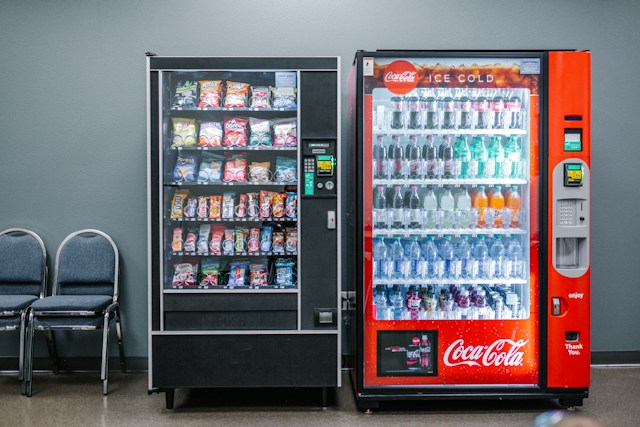
Quick answer: A vending machine typically lasts between 10 and 15 years with regular maintenance, though some well-built models can keep running for 20 years or more. Replacement usually makes sense when repair costs climb, parts become hard to find, or the machine no longer supports modern payment technology like contactless cards and mobile wallets.
If you run a vending business, manage a break room, or operate machines in an apartment complex or office building, you’ve probably asked yourself whether that aging unit in the corner is still worth keeping around. Vending machines are built to take a beating — constant use, temperature swings, and the occasional frustrated customer giving it a shake when their snack gets stuck. But even the toughest machines wear down eventually.
Knowing when to repair versus replace a vending machine can save you thousands of dollars and prevent lost sales from downtime. This guide breaks down the average lifespan of different vending machine types, the signs that indicate a machine is nearing the end of its useful life, and how to decide whether replacement is the smarter financial move.
How Long Does a Vending Machine Last on Average?
Most vending machines last 10 to 15 years when properly maintained. That lifespan depends heavily on several factors: the machine’s build quality, how often it’s used, the environment it sits in, and how consistently it receives maintenance.
A machine from dreamvending.sg placed in a climate-controlled office lobby and serviced regularly will likely outlast an identical unit sitting outdoors or in a high-humidity warehouse. Similarly, a machine that dispenses hundreds of items daily in a busy factory break room will experience more mechanical wear than one in a low-traffic apartment lobby.
Does the Type of Vending Machine Affect Lifespan?
Yes. Different vending machine types have different mechanical complexity, which affects how long they last and how costly repairs tend to be.
- Snack machines tend to have simpler mechanisms (spiral coils or drop systems) and often last the longest, sometimes reaching 15 to 20 years with good upkeep.
- Beverage machines, especially those with refrigeration units, have more moving parts and components prone to failure, such as compressors and cooling systems. These typically last 10 to 15 years before major components need replacing.
- Combo machines (snacks and drinks in one unit) fall somewhere in between, depending on build quality.
- Specialty vending machines, such as those dispensing fresh food, electronics, or frozen items, often have shorter lifespans of 7 to 12 years due to more sophisticated refrigeration, robotics, or touchscreen technology that becomes outdated faster.
What Factors Shorten or Extend a Vending Machine’s Lifespan?
Several variables influence how long a vending machine stays operational and profitable.
How Does Maintenance Affect Vending Machine Longevity?
Regular maintenance is the single biggest factor in extending a vending machine’s life. Machines that receive routine cleaning, coil adjustments, refrigerant checks, and part replacements as needed can significantly outlast neglected units. Skipping maintenance doesn’t just shorten lifespan — it also increases the risk of sudden, costly breakdowns that take the machine out of service entirely.
Choose a proactive maintenance schedule if you want to maximize the return on your equipment investment. Reactive repairs — fixing things only after they break — tend to cost more over time and lead to more downtime.
How Does Location Impact Wear and Tear?
A vending machine’s environment plays a major role in its durability. Machines exposed to:
- Extreme heat or cold
- High humidity
- Direct sunlight
- Heavy foot traffic
- Outdoor placement without weatherproofing
…tend to wear out faster than machines kept indoors in stable, climate-controlled settings. Outdoor vending machines, in particular, need specialized weatherproofing to reach anywhere near the lifespan of an indoor unit.
Does Usage Frequency Matter?
High-traffic locations put more mechanical stress on vending machines. A machine processing 200 transactions a day will experience more wear on its coin mechanisms, bill validators, and dispensing systems than one processing 20. That said, higher usage also means faster return on investment, so the added wear often pays for itself through revenue.
What Are the Signs It’s Time to Replace a Vending Machine?
Even with excellent care, every vending machine eventually reaches a point where repairs cost more than they’re worth. Watch for these signs.
Are Repairs Becoming More Frequent or Expensive?
If you’re calling a technician every few weeks, or if a single repair quote approaches the cost of a refurbished machine, that’s a clear signal it’s time to consider replacement. A good rule of thumb: if a repair costs more than 50% of a comparable used machine’s price, replacement is usually the better financial decision.
Is the Machine Still Compatible With Modern Payment Methods?
Cashless payment adoption has grown steadily, and customers increasingly expect to pay with a tap of their card or phone. Older vending machines built only for cash or coin payments can lose sales simply because they don’t support the payment methods customers prefer. If retrofitting a cashless reader isn’t possible or cost-effective, that’s a strong case for upgrading to a newer model.
Are Parts Becoming Difficult to Find?
As vending machine models age, manufacturers eventually stop producing replacement parts for them. When a machine reaches this stage, even simple repairs can become difficult or impossible, forcing operators to either patch together solutions with used parts or replace the machine outright.
Is Energy Efficiency a Growing Concern?
Older refrigerated vending machines, in particular, tend to consume significantly more electricity than newer ENERGY STAR-certified models. If your utility costs for a specific machine have crept up year over year, upgrading could pay for itself through lower energy bills alone.
Is the Machine’s Appearance Hurting Sales?
A vending machine’s appearance matters more than most operators realize. Dents, faded graphics, flickering lighting, or a dated design can make customers assume the products inside are old or poorly maintained, even if that’s not true. A worn exterior can quietly suppress sales over time.
Should You Repair or Replace Your Vending Machine?
Deciding between repair and replacement comes down to a simple cost-benefit comparison.
Choose repair if:
- The machine is under 10 years old
- The repair cost is reasonable relative to the machine’s remaining useful life
- Replacement parts are still readily available
- The machine still supports modern payment options
Choose replacement if:
- The machine is over 12-15 years old
- Repairs are frequent or increasingly expensive
- The machine lacks cashless payment capability
- Energy costs are notably higher than newer models
- The unit’s appearance is affecting customer trust and sales
How Can You Extend the Life of a Vending Machine?
If you want to get the most mileage out of your current equipment, a few habits make a measurable difference:
- Schedule preventive maintenance rather than waiting for something to break.
- Clean the machine regularly, inside and out, to prevent buildup that strains mechanical components.
- Monitor refrigeration systems closely, since compressor failure is one of the most common — and costly — issues in beverage and food vending machines.
- Keep the machine out of extreme weather whenever possible, or invest in proper weatherproofing for outdoor units.
- Train staff or route drivers to spot early warning signs, like unusual noises, slow dispensing, or inconsistent temperatures, before they become major problems.
Final Thoughts: Know When to Let Go
A vending machine is a long-term investment, and like any piece of equipment, it has a natural lifecycle. Most machines serve reliably for 10 to 15 years, but the right choice between repair and replacement always depends on your specific machine’s condition, usage, and the costs involved.
Pay attention to the warning signs: rising repair bills, outdated payment systems, scarce replacement parts, and climbing energy costs. When those signs stack up, replacing the machine often turns out to be the more profitable path, even with the upfront cost of new equipment.
If you’re unsure whether to repair or replace a specific machine, start by calculating its total repair costs over the last 12 months and compare that figure to the price of a comparable newer or refurbished unit. That simple comparison often makes the right decision obvious.
Frequently Asked Questions
How much does it cost to replace a vending machine?
Costs vary widely depending on the machine type and features. Basic snack machines tend to cost less than refrigerated beverage or combo machines, while specialty machines with touchscreens or robotics cost more. Refurbished machines offer a lower-cost alternative to buying new.
Can a vending machine last more than 20 years?
Yes, particularly simpler snack machines with fewer mechanical components. However, machines that old typically lack cashless payment support and modern energy efficiency, which can make them less profitable to operate even if they still function.
What is the most common reason vending machines break down?
Refrigeration failure is one of the most frequent and costly issues in beverage and food vending machines. Compressors and cooling systems experience the most wear over time, especially in machines that run continuously.
Is it better to buy a new or refurbished vending machine?
Refurbished machines cost less upfront and can be a smart choice for operators on a budget, provided they come with a warranty and have had worn components replaced. New machines cost more but typically offer longer lifespans, better energy efficiency, and the latest payment technology.
Who should consider replacing a vending machine sooner rather than later?
Operators placing machines in high-traffic locations, those relying heavily on cashless payments, and anyone managing multiple aging machines with rising maintenance costs should prioritize replacement planning sooner, since downtime and lost sales compound quickly in high-volume settings.