

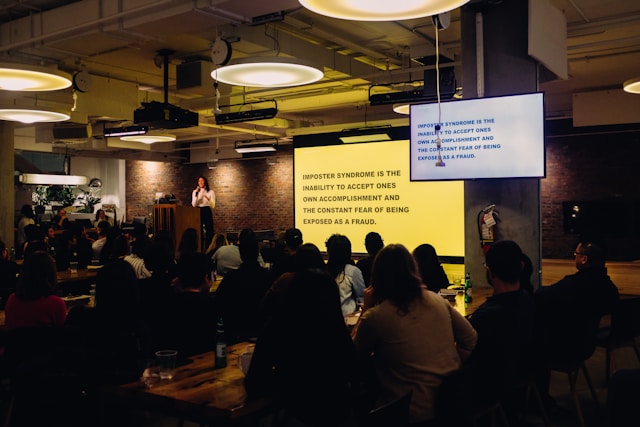
We have all been there. The ballroom lights dim, the projector hums to life, and a speaker walks onto the stage. Within ten minutes, half the audience is checking their emails under the table, and the other half is fighting the urge to drift off. This is the nightmare scenario for any event planner. You spend months organizing a conference, pouring budget and energy into logistics, only to have the momentum killed by a lackluster presentation.
The antidote to this common corporate fatigue is not just a better speaker—it is keynote entertainment.
This hybrid discipline sits at the intersection of education and performance. It blends the actionable insights of a traditional keynote address with the engagement and energy of a live show. Whether it involves comedy, magic, music, or visual arts, keynote entertainment is designed to keep audiences on the edge of their seats while delivering a powerful message.
But how do you distinguish a true professional from an amateur with a microphone? Finding the right fit for your event requires looking for specific indicators of quality. Here are the 12 non-negotiable features that define great keynote entertainment.
1. Radical Customization
A canned speech stands out immediately, and rarely in a good way. The hallmark of a top-tier keynote entertainer is their willingness to do their homework. They don’t just swap out the logo on their title slide; they weave the fabric of your organization into their performance.
Great entertainers like Aman Alhamid interview executives beforehand. They learn the company acronyms, the inside jokes, and the specific challenges the industry is facing. When the performer references a specific pain point that only your employees would understand, it builds instant rapport. It signals to the audience that this performance is just for them, not a generic routine performed for five other companies that month.
2. Mastery of Storytelling
Data dumps do not change behavior; stories do. Neuroscientists have found that character-driven stories with emotional content result in a better understanding of the key points a speaker wishes to make and enable better recall of these points weeks later.
A great keynote entertainer is a master storyteller. They understand narrative arcs, conflict, and resolution. They use stories to illustrate complex business concepts, making dry data relatable and human. Whether they are recounting a personal failure or a historical triumph, the story serves as the vehicle for the lesson, ensuring the message sticks long after the event ends.
3. Seamless Interactivity
The era of the “sage on the stage” lecturing to a passive audience is fading. Modern audiences, raised on social media and two-way communication, crave interaction. Exceptional keynote entertainment breaks the fourth wall.
This goes beyond a simple “raise your hand if…” question. It involves bringing audience members on stage to participate in a demonstration, using live polling technology to steer the direction of the talk, or creating moments where attendees interact with each other. When the audience becomes part of the show, their investment in the outcome skyrockets. They stop being spectators and start being participants.
4. Strategic Humor
Laughter is a powerful tool for learning. When we laugh, our defenses go down, stress hormones decrease, and we become more open to new ideas. A keynote entertainer who uses humor effectively can tackle difficult or sensitive subjects without alienating the room.
However, the key word here is “strategic.” The humor must serve the message, not distract from it. It shouldn’t be a stand-up comedy set with a few business buzzwords thrown in. The jokes should illuminate the absurdities of the industry or highlight the truth of a situation, allowing the audience to laugh at themselves and their shared experiences.
5. Actionable Takeaways (The “So What?”)
Entertainment without substance is just a distraction. While the “entertainment” aspect ensures the audience is paying attention, the “keynote” aspect must deliver value. The client is paying for a return on investment, usually in the form of motivated staff, new perspectives, or learned skills.
Great keynote entertainment always answers the question, “So what?” After the laughter dies down and the applause fades, the audience must walk away with concrete steps they can implement in their daily work. Whether it is a new framework for decision-making, a technique for stress reduction, or a strategy for better communication, the tangible value must be clear.
6. Visual Excellence
In a visual culture, a deck of slides filled with 12-point bullet points is a death sentence for engagement. High-quality keynote entertainment treats the visual component as part of the art form.
This might mean cinematic-quality video transitions, the use of physical props, or live sketching. Some entertainers avoid slides entirely, using their physical presence or an instrument to hold attention. If slides are used, they are highly visual, using powerful imagery to reinforce the spoken word rather than repeating it. The visual element should enhance the narrative, not act as a teleprompter for the speaker.
7. Emotional Resonance
Information informs, but emotion persuades. To truly shift a company culture or inspire a team to hit a new target, you have to target the heart, not just the head.
The best performers know how to modulate the emotional tone of the room. They can take the audience from high-energy excitement to quiet introspection and back again. This emotional journey creates a bonding experience for the team. When people share a genuine emotional moment—whether it is collective laughter or a moment of poignant silence—it strengthens the social fabric of the group.
8. Dynamic Pacing and Rhythm
Monotone delivery is the enemy of retention. A great performance has a rhythm, a cadence that keeps the brain engaged. This is where the “entertainment” background of a speaker truly shines.
Musicians, actors, and comedians understand timing intuitively. They know when to speed up to build excitement and when to slow down to let a crucial point land. They use silence as effectively as they use sound. This dynamic pacing prevents cognitive fatigue, keeping the audience fresh and focused throughout a 45-to-60-minute session.
9. Authenticity and Vulnerability
Corporate audiences have a highly tuned “BS detector.” They can spot a fake persona from the back row. If a speaker comes across as too polished, too perfect, or arrogant, the message will be rejected.
Great keynote entertainers lean into authenticity. They share their struggles, their failures, and their doubts. This vulnerability makes them relatable and trustworthy. It tells the audience, “I am not here to preach from the mountaintop; I am here in the trenches with you.” When a speaker drops the facade, it gives the audience permission to be honest about their own challenges.
10. A Unique “Hook” or Skill
What separates a standard motivational speaker from a keynote entertainer? Often, it is a specialized skill set that serves as a hook.
This could be:
- Magic/Mentalism: Using illusions to discuss perception vs. reality or innovation.
- Music: Using songwriting to demonstrate collaboration or harmony.
- Visual Art: Live painting or speed-drawing to illustrate vision and creativity.
- Improv Comedy: Using improv games to teach adaptability and active listening.
This unique skill provides a novel framework for the message. It makes the content memorable because it is attached to a distinct visual or auditory experience.
11. Professionalism Off-Stage
While the audience only sees what happens on stage, the event planner sees everything else. A true professional is easy to work with from the moment the contract is signed.
This means they respond to emails promptly, they show up early for sound checks, and they treat the AV crew with respect. They are flexible when the schedule runs late (as it almost always does) and low-maintenance regarding their rider. The “diva” behavior often associated with entertainers has no place in the corporate market. The best in the business understand that their job is to make the event planner look like a hero.
12. Adaptability Under Pressure
Live events are unpredictable. Microphones fail, projectors overheat, and fire alarms go off. Sometimes, a previous speaker runs 20 minutes over, cutting the keynote’s time in half.
An amateur panics in these moments. A pro pivots. Great keynote entertainers have the experience to handle technical glitches with grace and humor. They can condense a 60-minute talk into 30 minutes without losing the core message. They can handle a heckler or a tough question during Q&A without getting flustered. This adaptability is the insurance policy that event planners pay for. It is the peace of mind knowing that no matter what happens, the speaker will handle it.
Frequently Asked Questions About Keynote Entertainment
What is the difference between a keynote speaker and a keynote entertainer?
A traditional keynote speaker typically relies on the spoken word and slides to educate or motivate. A keynote entertainer incorporates performance elements—such as humor, magic, music, or art—to deliver the message. The goal of both is to provide value, but the delivery method differs.
Is keynote entertainment appropriate for serious corporate topics?
Absolutely. In fact, it is often more effective for serious topics because it keeps the audience engaged. Humor and entertainment can make heavy subjects like compliance, safety, or change management more accessible and less intimidating.
How do I know if an entertainer is right for my specific industry?
Look for customization. Ask for references from clients in similar fields. A great entertainer doesn’t need to be an expert in your specific software or manufacturing process, but they need to be an expert in relating their message to your context.
Does keynote entertainment cost more than a standard speaker?
Not necessarily. Fees vary wildly based on fame, experience, and demand. However, because entertainers often bring a unique skill set (and sometimes require more complex AV setups or props), their fees can reflect that added production value.
Elevating Your Next Event
The days of the dry, lectern-gripping lecture are numbered. As attention spans shorten and the demand for experiential events grows, the role of the keynote speaker is evolving.
Choosing a speaker who embodies these 12 features ensures that you aren’t just filling a time slot on an agenda. You are creating an experience. You are providing your attendees with a moment of connection, laughter, and insight that they will talk about at the water cooler for months to come.
When you prioritize engagement alongside education, you respect your audience’s time. And in the busy corporate world, that respect is the most valuable gift you can give. So for your next event, don’t just look for someone to speak. Look for someone to perform, connect, and transform.

