

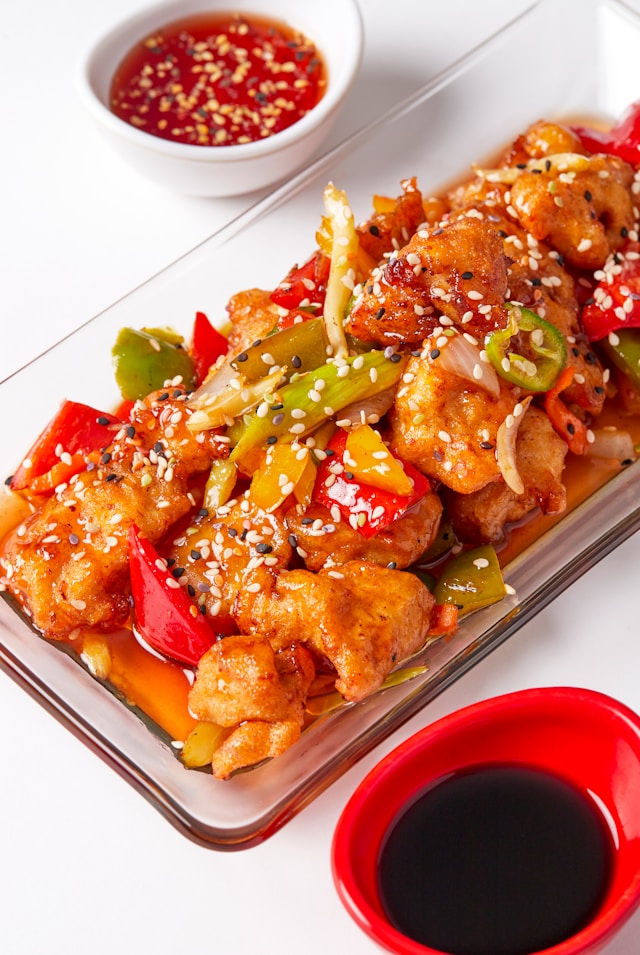
We have all been there. You have a craving that only dumplings, hand-pulled noodles, or a spicy stir-fry can satisfy. You open your phone, scroll through a delivery app or a review site, and pick a place with four stars. An hour later, you are staring at a container of gummy, neon-orange chicken and fried rice that tastes mostly of oil and regret.
Finding truly excellent Chinese food—whether it is a hole-in-the-wall dumpling house or an upscale banquet hall—can feel like a gamble. This is largely because “Chinese food” is an incredibly broad umbrella term covering the culinary traditions of a massive country with varying climates, ingredients, and cultural histories. What makes a Cantonese restaurant excellent is entirely different from what makes a Sichuan spot worth the wait.
However, there are universal signs, secret codes, and specific red flags that seasoned food lovers look for. You don’t need to be a culinary expert or speak the language to distinguish between a tourist trap and a hidden gem. You just need to know where to look. By paying attention to the menu, the crowd, and even the décor, you can dramatically increase your batting average for finding delicious, authentic meals.
This guide will walk you through the subtle art of evaluating a Chinese restaurant before you even take your first bite.
Analyze the Patronage: Who is Eating There?
The most immediate and reliable indicator of a Chinese restaurant’s quality is its clientele. When you walk past a potential dining spot, look through the window. Who is sitting at the tables?
The “Grandmother Test”
If the restaurant is packed with Chinese families, particularly multi-generational groups including older grandparents, you have likely struck gold. Older generations tend to be the harshest critics of their native cuisine. They value tradition, flavor, and value. If they are willing to spend their money and family time there, the kitchen is doing something right.
The Student Crowd
In university towns or major cities, look for tables of international students from China. This demographic is typically looking for a “taste of home.” They are often younger, plugged into the latest food trends from the mainland, and unwilling to settle for westernized adaptations. If a place is popular with this crowd, expect bold flavors and regional specificity.
The Lineup
A long line isn’t always a guarantee of quality—sometimes it’s just hype—but in the context of Chinese dining, specifically Dim Sum or noodle shops, a queue is a good sign. High turnover means fresh ingredients. If a place is empty during peak hours (12:00 PM to 1:30 PM for lunch, or 7:00 PM to 8:30 PM for dinner), consider that a warning sign.
Decode the Menu: Length, Language, and Focus
The menu is the restaurant’s resume. It tells you exactly what they think they are good at, and inadvertently, what they are faking.
Beware the “Encyclopedia” Menu
A menu that rivals a telephone book in thickness is generally a bad sign. It is operationally impossible for a kitchen to keep hundreds of different ingredients fresh and prep hundreds of distinct dishes at a high level. If a restaurant offers Sushi, Pad Thai, General Tso’s Chicken, and Pho all on the same laminate sheet, you are in a “Pan-Asian” establishment. The food might be edible, but it likely won’t be exceptional. Great restaurants specialize.
Look for Regional Specificity
China has eight major culinary traditions (and many sub-traditions). A good Chinese restaurant usually identifies with one. Look for specific regional identifiers in the restaurant name or the menu description.
- Cantonese/Hong Kong Style: Look for roast duck, char siu (BBQ pork) hanging in the window, wonton noodle soup, and live seafood tanks.
- Sichuan (Szechuan): Look for liberal use of chili oil, Sichuan peppercorns (ma la), and dishes like Mapo Tofu or Dan Dan Noodles.
- Shanghai: Look for Xiao Long Bao (soup dumplings), braised pork belly, and sweeter, soy-based sauces.
- Xi’an/Northern: Look for wheat-based foods like flatbreads, hand-pulled noodles (Biang Biang noodles), and lamb dishes.
- Hunan: Similar to Sichuan but known for “dry heat” and pickled chilies rather than the numbing peppercorn heat.
If the menu clearly delineates these styles or focuses entirely on one, you are in good hands.
The Translation Factor
Don’t be afraid of menus that are poorly translated or have no English descriptions at all. In fact, a menu where the Chinese characters are larger than the English text suggests the restaurant prioritizes its Chinese-speaking customers. If you see a separate paper menu clipped to the main book, or a chalkboard written only in Chinese characters, that is where the best, seasonal dishes usually live. Use a translation app on your phone to decode it—it’s worth the effort.
The Environment: Décor and Service Norms
Western dining standards regarding service and atmosphere often do not apply to authentic Chinese dining experiences. Adjusting your expectations can help you spot greatness that you might otherwise dismiss as “poor service.”
The “Brusque” Service is Often a Plus
In many traditional Chinese establishments, specifically the affordable, high-volume ones, service is transactional and efficiency-based. Waiters may not introduce themselves, ask how your day was, or check on you two bites into the meal. They want to seat you, feed you, and turn the table.
If the server drops the menu, brings you tea immediately, and takes your order rapidly, this is efficiency, not rudeness. In fact, in the best noodle houses and dumpling spots, the grumpier the service, the better the food often tends to be. The focus is entirely on the kitchen output, not the front-of-house charm.
Cleanliness vs. Clutter
There is a distinct difference between “dirty” and “lived-in.” You want the tables to be wiped down and the utensils to be clean. However, don’t be put off by cardboard boxes of supplies stacked in a corner, utilitarian lighting, or mismatched chairs. Some of the world’s best chefs operate out of spaces that look like converted storage units because low overhead allows them to spend more on high-quality ingredients.
Conversely, be wary of places that over-invest in “orientalist” décor—dragons everywhere, red lanterns, and generic Asian background music. If the money went into the theme park atmosphere, it often didn’t go into the chef’s salary.
The Place Setting
Take a look at the table when you sit down.
- Good Sign: Chopsticks, small ceramic bowls, and perhaps a plastic soup spoon are already on the table or provided immediately. Hot tea is served specifically upon arrival.
- Bad Sign: Forks and knives are the default setting. Fried noodles (the crunchy kind) with duck sauce are placed on the table as a complimentary appetizer. While tasty, this is a hallmark of Americanized Chinese food, not traditional cuisine.
Evaluating Key Indicator Dishes
If you are visiting a restaurant for the first time and want to test the kitchen’s capability, order a “baseline” dish. These are standard dishes that, if prepared poorly, indicate the kitchen lacks fundamental skills.
For a Cantonese Restaurant: Dry-Fried Beef Chow Fun
This dish requires wok hei (the breath of the wok)—that elusive smoky flavor achieved by cooking at extremely high heat. The noodles should be intact, not broken into small pieces. There should be no pool of grease at the bottom of the plate. The beef should be tender but not mushy. If they nail this, the chef knows how to handle a wok.
For a Dumpling House: The Skin Consistency
Whether it is boiled dumplings (jiaozi) or soup dumplings (xiao long bao), the wrapper is key. It should be thin enough to be translucent but strong enough not to break when picked up with chopsticks. If the dough is thick, gummy, or floury, the kitchen is cutting corners or lacks specialized pastry chefs.
For a Sichuan Restaurant: Mapo Tofu
This dish should not just be spicy; it should be numbing. It requires high-quality Sichuan peppercorns. The tofu should be silken and cubed perfectly, holding its shape in the sauce. If it tastes like sweet chili sauce or lacks the tingling sensation, they are toning it down for a non-local palate.
For General Takeout: Hot and Sour Soup
A good Hot and Sour soup balances vinegar (sour) and white pepper (hot). It shouldn’t be overly gelatinous or thick like glue. It should have distinct ingredients—wood ear mushrooms, bamboo shoots, tofu strips—rather than a generic mush.
Cultural Cues and “Secret” Ordering Strategies
Once you have identified a promising spot, how you order determines the quality of your meal. You can be at a 5-star restaurant and have a 1-star meal if you order the wrong things.
Look at Other Tables
This is the single most effective strategy. What is on the tables of the Chinese patrons? If everyone is eating a specific clay pot dish or a towering plate of crabs, order that. Ignore the menu description and point to the table next to you (politely). Say, “I’ll have what they are having.”
Order Family Style
Chinese food is designed to be shared. A meal consisting of one person eating an entire plate of Chicken Lo Mein is visually and culinarily monotonous. A proper meal should balance flavors and textures. The standard formula for a table of 3-4 people is:
- One Cold Dish/Appetizer: e.g., Smashed cucumbers, jelly fish, or cold beef.
- One Meat/Main: e.g., Braised pork, roasted duck, or spicy fish.
- One Vegetable: e.g., Sautéed morning glory, bok choy with garlic, or dry-fried string beans.
- One Starch: e.g., Steamed rice or a noodle dish to share.
- One Soup: Served either first or last, depending on the region.
Ask the Server (The Right Way)
Don’t ask, “What is good?” or “What is popular?” In a Westernized spot, they will point you to the Sweet and Sour Chicken because that is what they assume you want. Instead, ask, “What is the chef’s specialty?” or “What do you eat when you have a meal here?” Or, ask about a specific regional dish: “Do you make your own BBQ pork here?” This signals you are open to authentic suggestions.
Red Flags to Watch Out For
Keep your eyes peeled for these warning signs that suggest a restaurant prioritizes profit over culinary passion.
- Stock Photos on the Wall: If the pictures of the food on the wall look like they were printed from Google Images (or are pixelated), the food probably won’t resemble the image.
- “No MSG” Signs: While some people have genuine sensitivities, the “No MSG” marketing ploy often caters to outdated stereotypes. MSG is a naturally occurring compound found in tomatoes and parmesan cheese. A restaurant loudly proclaiming its absence is often signaling they cater primarily to Western anxieties rather than traditional flavor profiles.
- The “Secret” Sauce is Ketchup: If a Sweet and Sour dish is neon red and tastes solely of sugar and ketchup, it’s a shortcut. Traditional sweet and sour sauces rely on vinegar, sugar, and sometimes fruit juices or hawthorn flakes for color and tang.
Frequently Asked Questions
Is a “B” or “C” health rating a bad sign?
While you should never compromise on food safety, there is a running joke among foodies that a “B” rating in a hole-in-the-wall joint often correlates with better food. This is usually because authentic cooking methods (like hanging ducks at room temperature for texture) can sometimes clash with rigid local health codes. Use your eyes: if the floors are dirty and the bathroom is a disaster, skip it. If it looks tidy but has a “B,” it might just be a technicality.
Should I tip in a Chinese restaurant?
In North America, yes. The standard tipping culture applies (15-20%). In China and parts of Asia, tipping is not customary and can even be considered rude, but if you are eating in the US, UK, or Canada, the staff relies on tips.
How do I use chopsticks correctly?
The most important rule is not about dexterity, but etiquette. Never stick your chopsticks vertically into a bowl of rice; this resembles incense burned for the dead and is bad luck. Do not use your chopsticks to spear food like a fork. If you are struggling, it is perfectly acceptable to ask for a fork!
What if I have allergies?
Authentic Chinese kitchens use a lot of peanut oil, sesame, soy, and shellfish products (even in vegetable dishes, oyster sauce is common). Cross-contamination can happen in high-speed wok stations. Always be extremely clear and explicit about allergies immediately upon sitting down. If the language barrier is high, having a card with your allergy written in Chinese characters is a lifesaver.
Start Your Culinary Adventure
Picking a good Chinese restaurant is about observation and a willingness to step outside your comfort zone. It is about trading the safety of the familiar “General Tso’s” for the thrill of a sizzling hot pot or a perfectly steamed fish.
Next time you are hungry, walk past the place with the glossy photos and the empty tables. Find the spot with the steam fogging up the windows, the sound of loud chatter, and the smell of garlic and chili oil wafting into the street. That is where the magic is happening.

