

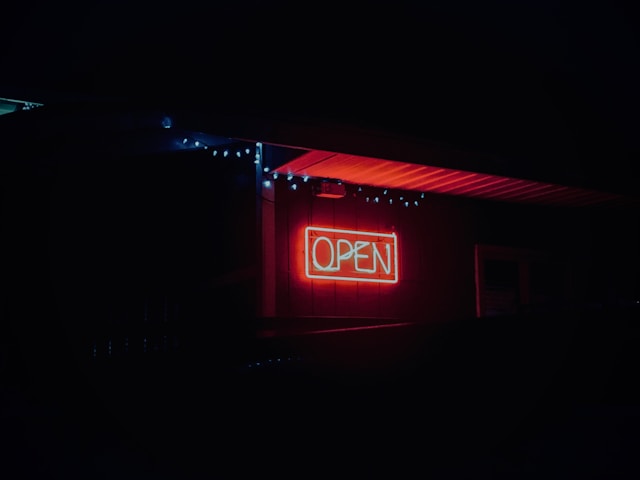
Your signage is the face of your business. It is often the very first interaction a potential customer has with your brand, beaming your logo into the streetscape with vibrant colors and dimensional authority. When business owners commission a new 3D LED sign, the focus is almost exclusively on aesthetics: the brightness of the illumination, the accuracy of the brand colors, and the visual impact of the design.
However, hanging directly above the heads of your customers and employees is a heavy, electrified piece of industrial equipment exposed to the harshest weather conditions. While modern LED technology is significantly safer than the high-voltage neon of the past, it is not without risk. Poor manufacturing, improper installation, and neglected maintenance can turn a beautiful marketing asset into a serious liability.
Safety in signage goes beyond simple electrical compliance. It encompasses structural integrity, fire prevention, environmental resistance, and photobiological safety. Understanding these risks is not just about avoiding fines; it is about protecting your property, your reputation, and the people who walk past your business every day.
The Myth of “Set and Forget”
A common misconception among business owners is that modern signage is maintenance-free. Because LEDs have a rated lifespan of 50,000 to 100,000 hours, many assume the physical structure housing them will last just as long without intervention. This leads to a “set and forget” mentality where signs are installed and effectively ignored until a catastrophic failure occurs.
The reality is that a 3D sign is a complex assembly of acrylic, metal, vinyl, adhesives, wiring, and power supplies. Each of these materials degrades at a different rate. While the LED diode might still be emitting light after ten years, the waterproof seal protecting it may have failed in year five, and the steel bolts holding the sign to the wall may have begun corroding in year seven.
Ignoring the physical condition of your signage creates a ticking clock. Identifying the specific hazards hidden within these structures is the first step toward mitigating them.
Electrical Hazards: It’s Not Just About the Bulb
We often associate electrical danger with high voltage, but low-voltage LED systems carry their own specific set of risks, primarily related to heat and component failure.
Thermal Management and Fire Risk
LEDs are frequently marketed as “cool” light sources. While it is true they emit very little infrared heat compared to incandescent bulbs, the electronic components—specifically the drivers and the chips themselves—generate significant heat that must be dissipated. In a 3D channel letter, this heat can become trapped if the enclosure is not properly vented or if the heat sinks are inadequate.
When cheap, low-quality LED modules are used, thermal management is often the first corner cut during manufacturing. Overheating components can melt wiring insulation or the acrylic face of the sign. In extreme cases, where bird nests or debris have accumulated inside a hollow letter, this heat build-up can lead to combustion.
The Power Supply Bottleneck
The LED driver (power supply) is the heart of the system, converting mains AC power to the low-voltage DC power required by the lights. This component works the hardest and is the most prone to failure. A failing power supply doesn’t always just turn off; it can fluctuate, overheat, or send inconsistent currents that damage the LEDs.
Cheap, uncertified power supplies are a major safety hazard. They may lack essential surge protection or thermal cut-offs. If a power surge hits your building, a high-quality driver will sacrifice itself to save the system or shut down safely. A low-quality unit might spark, smoke, or energize the sign’s metal casing.
Wiring Degradation
Inside an LED 3D signage, wires are often routed through tight metal bends. Without proper grommets or protection, vibration from wind can cause the metal edge to saw through the wire insulation over time, causing a short circuit. Furthermore, UV radiation from the sun makes standard wire insulation brittle. If the manufacturer didn’t use UV-rated cabling for exterior runs, the insulation will eventually crack, exposing live copper to the elements.
Structural Integrity: Gravity and Weather
A large 3D sign can weigh hundreds of pounds. Securing this load to a building facade requires engineering precision, yet it is often left to general contractors who may not specialize in signage.
Wind Load and Shearing Forces
Your sign effectively acts as a sail. When wind hits a flat surface, it exerts pressure that transfers directly to the mounting points. In coastal areas or wind tunnels created by city skyscrapers, these forces can be immense.
Safety concerns arise when signs are designed without calculating “wind load.” If the face of the sign is too large for the frame or if the anchors are too shallow, high winds can rip the sign from the building or tear the face off the letter cans. This danger is compounded by fatigue; metal that bends back and forth in the wind over years will eventually snap.
Substrate Suitability
The safety of the installation depends entirely on what the sign is bolting into. Installing a heavy channel letter sign onto a modern cladding system (like Aluminum Composite Material) requires different techniques than installing onto brick or concrete.
A terrifyingly common issue is “blind” installation, where installers use anchors that grip only the outer layer of a building’s facade rather than the structural beams beneath. Over time, the facade panel may pull away from the building under the weight of the sign, leading to a potential collapse.
Corrosion and Material Fatigue
Rust is the silent killer of structural safety. Fasteners (bolts, screws, and anchors) must be made of stainless steel or hot-dipped galvanized metal to resist corrosion. If a sign shop uses standard zinc-plated screws to save money, those screws will rust away within a few years.
Galvanic corrosion is another technical risk. This occurs when two dissimilar metals (like aluminum and stainless steel) come into contact in the presence of an electrolyte (water). If not properly isolated with washers or coatings, the metals eat away at each other, weakening the structure at the molecular level.
Environmental Resistance: Water and Wildlife
The great outdoors is a hostile environment for electronics. Your sign must be a fortress against moisture and pests.
The IP Rating Deception
Ingress Protection (IP) ratings tell you how resistant a fixture is to dust and water. An exterior sign should ideally carry a rating of IP65 or higher. However, simply buying IP65-rated LED modules isn’t enough. If the connections between the modules aren’t waterproofed with heat-shrink tubing or gel caps, water will wick up the wire and corrode the connection.
Water ingress leads to “tracking,” where electricity finds a path through the moisture to the metal frame of the sign. This can electrify the exterior of the sign, posing a shock hazard to window cleaners or maintenance workers.
The Wildlife Factor
Hollow 3D letters are attractive real estate for birds, rodents, and insects.
- Birds: Nesting materials are dry and flammable. When packed against warm power supplies, they create a perfect fire triangle. Bird droppings are also acidic and can corrode sign materials.
- Rodents: Rats and squirrels are notorious for chewing through wire insulation, causing short circuits.
- Insects: Spiders and wasps can block drainage (weep) holes. If a sign cannot drain condensation or rainwater, it fills up like a fish tank, destroying the electronics and adding massive water weight to the structure.
Photobiological Safety and Light Pollution
Safety isn’t just about the physical object; it’s also about the light it emits.
Glare and Distraction
LEDs are directional light sources, meaning they project light in a focused beam. If a sign is too bright or angled incorrectly, it can cause disability glare for drivers, temporarily blinding them or distracting them from traffic signals. Many municipalities now have strict codes regarding “nits” (brightness) during nighttime hours. A sign that lacks an automatic dimmer sensor is not only an energy waster but a public safety hazard.
Blue Light Emissions
While less of an acute risk for signage compared to indoor lighting, high-intensity cool white LEDs (6000K-10000K) emit significant blue light. There are growing concerns regarding the impact of excessive blue light on circadian rhythms and local wildlife ecosystems. Responsible signage considers the color temperature and intensity appropriate for the environment.
Regulatory Standards: The UL/CE Shield
How do you know if a sign is built safely? You look for the label.
In the United States, Underwriters Laboratories (UL) sets the standard (specifically UL 48 for Electric Signs). In Europe and other regions, the CE mark indicates conformity with health, safety, and environmental protection standards.
A UL Listed sign has been manufactured in a facility that is inspected quarterly by UL representatives. It means the components, the enclosure, and the assembly methods have been tested for safety.
The Danger of Non-Certified Imports:
The market is flooded with cheap, direct-to-consumer LED signage shipped from overseas manufacturers that bypass these rigorous testing protocols. These signs often use sub-standard wiring, flammable plastics, and unshielded electronics. If you install a non-certified sign and it causes a fire, your business insurance provider may deny your claim, leaving you liable for all damages.
Actionable Steps: Ensuring Your Signage is Safe
You don’t need to be an electrical engineer to manage the safety of your signage. You just need to be proactive.
1. Request Certification Before Purchase
Never buy a sign that does not carry a recognized safety certification mark (UL, ETL, CSA, or CE). Ask your sign provider explicitly: “Is this sign UL Listed?” and look for the holographic label on the finished product.
2. Schedule Annual Inspections
Add signage to your building’s annual maintenance schedule. A qualified technician should perform a “touch” inspection—getting up on a ladder or lift to physically check the sign.
- Check for loose fasteners.
- Inspect for rust or corrosion.
- Verify that weep holes are clear of debris.
- Check that all illumination is even (dim sections indicate failing components).
3. Listen to the Warning Signs
Your sign will usually tell you before it fails.
- Flickering: This usually indicates a power supply or connection issue.
- Buzzing: A loud hum suggests an overworked or failing transformer/driver.
- Burning Smell: If you smell acrid plastic near the sign, shut off the power immediately.
- Streaking: Rust stains running down the wall below the sign indicate fastening failure.
4. Upgrade Legacy Systems
If you are still running neon or fluorescent tube signage, you are harboring a high-voltage, mercury-laden hazard. Retrofitting these signs to low-voltage LEDs not only saves energy but significantly improves safety by removing high-voltage transformers and fragile glass tubing.
Protecting Your Brand
A safe sign is a reliable sign. When you prioritize safety, you are ensuring that your brand remains illuminated, consistent, and professional. The cost of a quality, certified sign and a regular maintenance contract is a fraction of the cost of a structural failure or a fire.
Your signage is a beacon for your business. Make sure it draws people in because of its beauty, not because of the sirens wailing around it.
Frequently Asked Questions
How long does LED signage actually last?
While the LED diodes themselves can last 50,000 to 100,000 hours (10+ years), the power supplies usually last between 3 to 5 years. The acrylic face and vinyl overlays typically have a lifespan of 5 to 7 years before fading or becoming brittle due to UV exposure. Regular maintenance can extend the aesthetic life of the sign significantly.
My sign is flickering. Is it dangerous?
It can be. Flickering is often a symptom of a failing power supply or a loose connection that is arcing. Arcing creates heat, which can lead to melting components or fire. If your sign is flickering, you should turn it off and call a technician.
Can I clean my 3D sign with a pressure washer?
Generally, no. While outdoor signs are weather-resistant, high-pressure water can force its way past seals that are designed only to withstand rain. This can introduce water into the electrical components. Signs should be cleaned by hand with mild soap and soft cloths, or by professionals using low-pressure soft-wash techniques.
Does my sign need a dedicated electrical circuit?
Yes. According to the National Electrical Code (NEC) in the US and similar standards globally, electric signs usually require a dedicated branch circuit. This prevents the sign from overloading circuits used for other equipment and makes it easier to shut off power safely for servicing.
What are “weep holes” and why do I need them?
Weep holes are small holes drilled into the bottom of 3D letters or sign cabinets. They allow condensation and any water that gets inside to drain out. Without them, water accumulates inside the letter, eventually submerging the electrical components. Never caulk over or block these holes.
The Bottom Line
Safety is a continuous process, not a one-time product feature. By understanding the electrical, structural, and environmental factors that affect your LED 3D signage, you can make informed decisions that protect your business. Don’t let your biggest marketing asset become your biggest risk.

