

If you ask any local in Singapore where to find the best steamboat, traditional desserts, or late-night supper spots, one location invariably comes up: Liang Seah Street. Nestled between North Bridge Road and Beach Road in the bustling Bugis district, this relatively short stretch of road punches far above its weight class when it comes to culinary density.
While the neighboring malls of Bugis Junction and Bugis+ offer air-conditioned comfort and international chains, Liang Seah Street offers something far more visceral. It is a sensory explosion of bubbling broths, clattering chopsticks, neon signage, and the mouth-watering aroma of Sichuan peppercorns frying in oil. It represents the bridge between Singapore’s heritage shophouse architecture and its modern obsession with diverse Asian cuisines.
For the uninitiated, walking down this street can feel overwhelming. Touts might wave menus in your face, and the queues for certain establishments can spill onto the road. But for the food lover, this chaos is a promise of good eating. From legendary desserts to spicy grilled fish, here are the 12 best things about the Liang Seah Street food scene that make it a mandatory stop for anyone visiting the Little Red Dot.
1. The Legendary Ah Chew Desserts
It is impossible to discuss Liang Seah Street without starting at its most famous landmark: Ah Chew Desserts. In a city obsessed with new trends, Ah Chew stands as a bastion of tradition. Housed in a classic shophouse with wooden furniture and Chinese calligraphy on the walls, this spot draws crowds that patiently wait in line for a taste of nostalgia.
The menu is extensive, featuring over 50 different types of hot and cold desserts. However, the Mango Sago with Pomelo is the undisputed king here. The puree is rich and sweet, balanced perfectly by the tart bursts of pomelo sacs and the generous pouring of evaporated milk. For those who prefer warm desserts, the Fresh Milk Steamed Egg is a silky, comforting masterpiece that sells out early. The sheer consistency of quality here sets the tone for the entire street.
2. A Steamboat Lover’s Paradise
If there is one defining smell of Liang Seah Street, it is the savory, spicy scent of hotpot. This street has one of the highest concentrations of steamboat restaurants in Singapore. Competition here is fierce, which is excellent news for the consumer because it keeps quality high and prices competitive.
You aren’t limited to one style at Chong Qing Grilled Fish, either. You can find traditional soup-based hotpots, dry pots, and buffet-style setups. The experience of gathering around a bubbling pot of tomato or mala soup, dipping slices of premium beef and lotus root, is central to the street’s identity. It transforms dining from a necessity into a communal event.
3. Chong Qing Grilled Fish
While hotpot is popular, the grilled fish trend has taken Liang Seah by storm. Restaurants like Tanyu and various independent operators line the street, serving up massive rectangular pans of whole fish submerged in flavorful broths.
The fish—usually a choice of sea bass, patin, or grouper—is grilled until the skin is crispy and smoky before being finished in the broth. The flavors range from the mild and tangy Sauerkraut (suan cai) to the fiery Fresh Green Pepper. The flesh soaks up the broth while remaining tender. It is a dish designed for sharing, usually accompanied by sides like golden mushrooms, tofu skin, and luncheon meat that get tossed into the pan to absorb the spicy oils.
4. Authentic Yunnan Cuisine
While Sichuan flavors dominate, Liang Seah Street is also home to excellent Yunnan cuisine, most notably at Xiang Cao Chu. Yunnan food is distinct from the numbing spice of Sichuan; it focuses more on wild mushrooms, sour-spicy profiles, and fresh herbs.
The standout dish here is often the Wild Mushroom Chicken Soup, cooked in unique earthenware steam pots that use no water—only steam—to extract the essence of the ingredients. It offers a cleaner, more delicate flavor profile for those who might need a break from the heavy oils of neighboring restaurants. The Grilled Fish with Lemongrass is another highlight, showcasing the Southeast Asian influence on the Yunnan region.
5. The Late-Night Supper Culture
Singapore is a city that doesn’t sleep, especially when it comes to eating. Liang Seah Street comes alive when the sun goes down and stays vibrant well past midnight. It serves as a prime destination for the “supper crowd”—students finishing late-night study sessions, colleagues unwinding after overtime, or clubbers needing a post-party meal.
There is a unique energy at 1:00 AM on Liang Seah Street. The neon lights reflect off the pavement, tables are still full, and the beer towers are flowing. Finding a place where you can get a full, high-quality meal at an odd hour is a luxury, and this street delivers it nightly.
6. Fat Bird’s Signature Chicken Stew
Another heavyweight on the strip is Fat Bird (Ji Gong Bao). Unlike the soup-heavy hotpots, their specialty is a dry-style chicken stew. The chicken is marinated and cooked in a dense, savory, dark sauce with heavy notes of onions, garlic, and dried chilies.
The magic happens in two stages. First, you eat the tender chicken pieces, which are bursting with concentrated flavor. Once you have worked through the meat, you can ask the staff to add broth to the remaining sauce, effectively turning your pot into a steamboat for cooking vegetables and noodles. It’s a two-in-one dining experience that offers incredible depth of flavor.
7. The Shophouse Architecture
The food is the main draw, but the setting enhances the experience. Liang Seah Street consists of conserved pre-war shophouses. These narrow, terraced buildings with their distinctive five-foot ways (covered walkways) provide a historical backdrop to your meal.
Dining here feels different from eating in a sterile shopping mall food court. There is a sense of place and history. The architecture also dictates the layout of the restaurants—often long and narrow, with high ceilings and sometimes a second floor that offers a view of the bustling street below. It creates a cozy, somewhat nostalgic atmosphere that complements the traditional Asian cuisines served.
8. Al Fresco Dining Vibes
In the evenings, many restaurants set up tables along the five-foot ways and the roadside. While Singapore is humid, the evening breeze combined with the ceiling fans provided by the restaurants makes al fresco dining surprisingly pleasant.
Sitting outside allows you to soak in the atmosphere fully. You can watch the crowds go by, see the steam rising from neighboring tables, and feel like you are part of the street’s ecosystem. It’s a casual, unpretentious way to dine that encourages loud conversation and laughter.
9. Northern Chinese Skewers (Chuan Chuan)
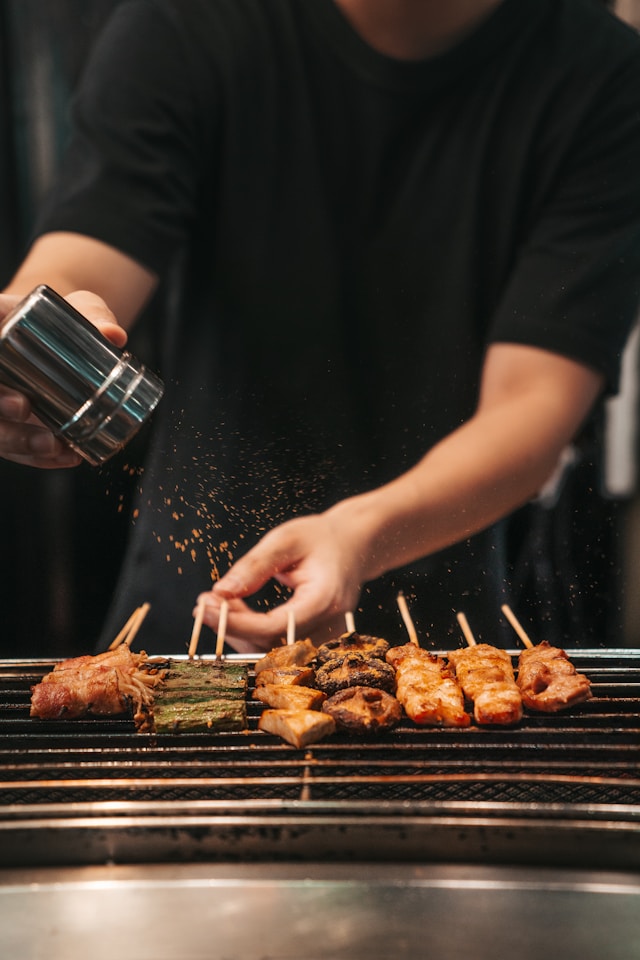
For a lighter bite—or to accompany cold beers—the Northern Chinese style skewers found on Liang Seah are unbeatable. Unlike the satay found in Singapore’s hawker centers, these skewers are seasoned heavily with cumin, chili powder, and fennel seeds.
You can find everything from lamb and beef to chicken gizzards, mantou (buns), and grilled eggplant. The eggplant is particularly noteworthy; it is usually roasted whole, sliced open, and smothered in a garlic-laden sauce until it becomes creamy and soft. These skewers are smoky, salty, and addictive, making them the perfect bar snack.
10. Variety of Regional Chinese Cuisines
A common misconception is that “Chinese food” is a single category. Liang Seah Street proves otherwise by showcasing the vast regional diversity of China. Within a few hundred meters, you can travel from the numbing heat of Chongqing to the sour soups of Yunnan, the cumin-scented grills of Xinjiang, and the delicate sweets of Canton.
This variety allows for a culinary adventure. You might start with a spicy main course from one region and finish with a dessert from another. It serves as an educational palate tour for anyone looking to expand their understanding of Asian gastronomy beyond standard takeout fare.
11. Unbeatable Group Dining Options
This street is not designed for the solitary diner. Almost every dish—from the grilled fish pans to the chicken pots and steamboats—is portioned for groups. This makes Liang Seah Street one of the best locations in Singapore for large gatherings.
The communal nature of the food breaks down barriers. Cooking your food together in a hotpot or picking from a shared platter forces interaction. It is a popular spot for birthday celebrations, team lunches, and family reunions. The cost per person also drops significantly when sharing, making it a surprisingly affordable night out despite the high quality of food.
12. Location and Accessibility
Finally, the convenience of Liang Seah Street cannot be overstated. It is situated directly across from Bugis Junction and is connected to the Bugis MRT station, which sits on both the East-West and Downtown lines. This central location makes it an easy meeting point for friends coming from different parts of the island.
After a heavy meal, you have plenty of options to walk it off. You can stroll through the air-conditioned malls nearby, walk over to the cultural district of Kampong Glam, or head toward the National Library. The street’s connectivity ensures that it remains a bustling hub regardless of the day of the week.
Planning Your Visit
Liang Seah Street is more than just a place to eat; it is a showcase of Singapore’s evolving food culture. It respects tradition through institutions like Ah Chew while embracing the modern waves of regional Chinese cuisine. Whether you are craving the comfort of a warm dessert or the adrenaline rush of spicy broth, this street has a table waiting for you.
Frequently Asked Questions
What is the best time to visit Liang Seah Street?
For the full atmospheric experience, visit in the evening after 7:00 PM. The neon lights are on, the outdoor seating is open, and the street is liveliest. However, if you want to avoid long queues—especially for Ah Chew Desserts—try visiting on a weekday afternoon or just before the dinner rush at 5:30 PM.
Are there Halal options on Liang Seah Street?
The majority of the famous hotpot and grilled fish restaurants on Liang Seah Street are not Halal-certified as they serve alcohol and pork. However, the street is just a short 5-minute walk from Kampong Glam and Arab Street, which is the heart of Halal dining in Singapore.
Do I need a reservation?
For large groups (6 or more) on Friday nights and weekends, reservations are highly recommended. Popular spots like Tanyu or Fat Bird fill up quickly. For smaller groups or dessert spots, walk-ins are standard, though you should expect a 15-20 minute wait during peak hours.
Is it expensive?
Liang Seah Street falls into the “mid-range” category. It is more expensive than a hawker center but significantly cheaper than high-end restaurants in the Central Business District. Expect to spend between SGD 30 to SGD 50 per person for a hearty dinner with drinks.

